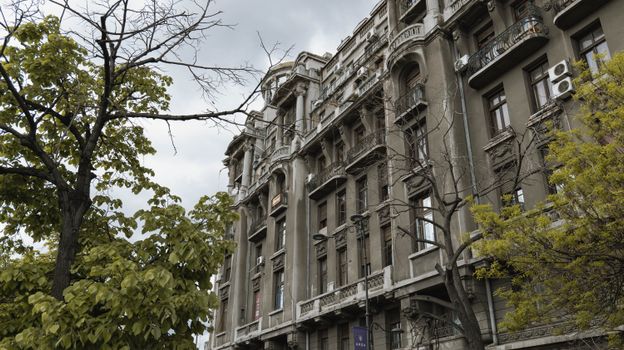
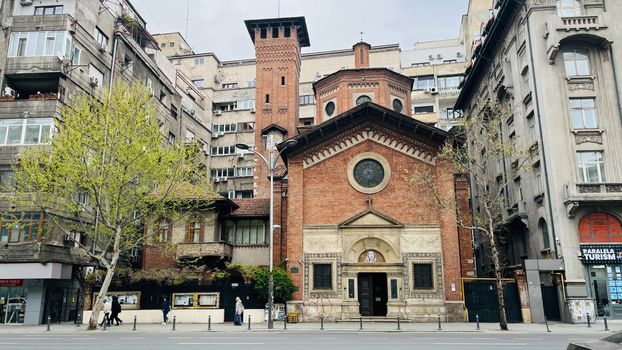
The Hook: A Wake-Up Call in Bucharest
I stepped off the night train at Gara de Nord, the damp smell of roasted chestnuts and diesel exhaust hanging in the crisp Romanian air. My eyelids weighed a metric ton, and I had a client presentation due in exactly forty-five minutes.
Dragging my suitcase over the uneven cobblestones of the Lipscani district, I ducked into a nondescript, dimly lit cafe called Senneville. The barista didn't speak much English, but she pointed to a laminated Wi-Fi sign on the counter.
I connected, opened Speedtest, and clicked "Go."
I blinked. I rubbed my eyes. I ran it again.
940 Mbps download. 910 Mbps upload.
My home fiber connection in London—which costs me a small fortune every month—struggles to hit a fraction of that on a good day. In this unassuming Romanian cafe, surrounded by the scent of fresh cozonac pastry and espresso, my massive 4GB video file uploaded in less than forty seconds.
That was the moment I realized we are living in a digital illusion. We pay premium prices in Western hubs for medieval internet speeds, while other corners of the globe are quietly building digital utopias.
If you are a remote worker, digital nomad, or just someone who loses their mind when Netflix buffers, it’s time to pack your bags. Here is the definitive guide to the destinations boasting Internet speeds that put your home country to shame travel advisors suggest you visit immediately.
---
1. Bucharest, Romania: The Budget-Friendly Gigabit Empire
```
Download Speed: 900+ Mbps (Fiber)
Average Cost of 1000 Mbps Line: $8 - $12 USD/month
Vibe: Gritty, bohemian, and wildly underrated
```
Romania’s blazing-fast internet is the stuff of digital legend. It wasn't born out of government planning, but rather a chaotic, grassroots movement in the early 2000s. Local neighborhood networks (called rețele de cartier) strung fiber-optic cables from tree to tree and balcony to balcony. When the major telecom companies finally stepped in, they bought up these ultra-fast local networks and formalized them.
The result? Some of the fastest, cheapest fiber-optic internet on the planet.
Why You'll Love Working Here
Beyond the speed, Bucharest offers an incredibly affordable lifestyle. You can rent a gorgeous apartment in the Armenian Quarter, eat hearty portions of sarmale (cabbage rolls), and drink craft beer in hidden garden bars without breaking the bank.
> Pro-Tip: Skip the crowded tourist cafes in the Old Town. Instead, take the metro to the Tineretului neighborhood and work from Seneca Anticafe. It’s a beautifully designed space where you don't pay for coffee; you pay by the hour (about $3 USD), and the symmetric gigabit connection is flawless.
---
2. Seoul, South Korea: The Undisputed King of Subterranean 5G
```
Download Speed: 500+ Mbps (Public Wi-Fi) / 2 Gbps (Broadband)
Average Cost of Unlimited 5G SIM: $45 USD/month
Vibe: Neon-drenched, hyper-futuristic, and sleepless
```
In Seoul, connectivity is treated as a fundamental human right. You can walk into the deepest, most insulated tunnel of the Seoul Metropolitan Subway system, look at your phone, and realize you are pulling 600 Mbps on free public Wi-Fi.
South Korea didn't just build a fast network; they built a culture around it. From the PC bangs (gaming cafes) of Hongdae to the high-tech co-working spaces in Gangnam, high-speed data is woven into the fabric of everyday life.
The Seamless Subway Connection
I once hosted a live Zoom presentation while riding the Line 2 subway loop around the city. Not a single frame dropped. The infrastructure here is so robust that even during peak rush hour, the bandwidth remains completely unbothered.
> Pro-Tip: Don't buy your SIM card at the airport arrivals hall kiosks—they charge a tourist premium. Instead, walk down to the airport’s basement level and find the KT Olleh service center, or head into the city to a local convenience store like GS25 to pick up a local eSIM for half the price.
---
3. Singapore: The Hyper-Connected Smart Nation
```
Download Speed: 250+ Mbps (Average Mobile) / 10 Gbps (Residential Fiber available)
Average Cost of High-Speed Plan: $30 - $40 USD/month
Vibe: Clean, lush, and intensely efficient
```
Singapore is a city-state that functions like a finely tuned Swiss watch. Through its "Smart Nation" initiative, the government has saturated every square inch of the island with high-speed connectivity.
Whether you are sitting under the towering supertrees at Gardens by the Bay or eating $5 Michelin-starred chicken rice at a humid hawker center in Chinatown, you are never more than a click away from a blazing-fast connection.
Blistering Speeds in a Tropical Oasis
The beauty of Singapore is the sheer availability of Wireless@SGx, the free, secure, nationwide public Wi-Fi network. It’s faster than most home broadband connections in North America.
> Pro-Tip: If you need a quiet, high-productivity day, head to the National Library on Victoria Street. Go to the 7th or 8th floor. The study carrels have dedicated power outlets, panoramic views of the city skyline, and access to the library's private high-speed network which regularly clocks in at 400 Mbps.
---
4. Tallinn, Estonia: The Digital Republic Built on Fiber
```
Download Speed: 150+ Mbps (Public) / 500 Mbps (Office)
Average Cost of Nomad-Friendly SIM: $10 USD/month
Vibe: Medieval fairy tale meets Silicon Valley
```
Estonia is famous for being the first country to declare internet access a basic human right back in 2000. It is the birthplace of Skype, Wise, and Bolt. Here, 99% of government services are online, and you can register a business in under fifteen minutes while sitting in a sauna.
The capital, Tallinn, is a striking contrast of 13th-century stone walls and cutting-edge tech hubs.
Working from Medieval Courtyards
There is something incredibly satisfying about sitting in a cobblestone courtyard built in the Middle Ages, sipping a hot cloudberry tea, and pushing code to a server thousands of miles away at 300 Mbps.
> Pro-Tip: Head to Telliskivi Creative City (Telliskivi Loomelinnak). This former industrial factory complex has been converted into a trendy hub of design shops, restaurants, and co-working spaces. Grab a desk at Lift99—the networking opportunities here are unmatched, and the internet is lightning-fast.
---
5. Tokyo, Japan: Symmetrical Fiber Behind Sliding Paper Doors
```
Download Speed: 300+ Mbps (Average Pocket Wi-Fi) / 1 Gbps (Hotel Fiber)
Average Cost of Pocket Wi-Fi Rental: $50 USD/month
Vibe: Mindful, orderly, and deeply sensory
```
Japan’s internet infrastructure is built on precision and reliability. While some older ryokans (traditional inns) in the countryside still offer slow connections, Tokyo is a different beast entirely.
The city relies heavily on symmetrical fiber-optic lines, meaning your upload speeds are just as fast as your download speeds. This is a game-changer for content creators, video editors, and anyone dealing with massive cloud backups.
The Hidden Speeds of Shinjuku
Many travelers complain about hotel Wi-Fi, but in Tokyo, even mid-range business hotels (like the APA or Tokyu Stay chains) come equipped with dedicated in-room LAN ports and routers that deliver speeds up to 500 Mbps.
> Pro-Tip: When booking your accommodation, look for hotels that explicitly mention "Hikari" (optical fiber) lines. If you are on the move, rent a pocket Wi-Fi device from Ninja WiFi right at Haneda or Narita airport. It uses the SoftBank network and works flawlessly even on the Shinkansen (bullet train) at 320 km/h.
---
6. Bangkok, Thailand: The Co-Working Paradise of Southeast Asia
```
Download Speed: 200+ Mbps (Average Mobile 5G) / 1 Gbps (Coworking)
Average Cost of Unlimited 5G SIM: $15 USD/month
Vibe: Chaotic, aromatic, and endlessly energetic
```
Bangkok has quietly transformed into one of the premier digital nomad hubs in the world. The city’s telecom providers (AIS and True) have invested billions in 5G infrastructure, resulting in coverage that puts major US cities to shame.
You can sit in a rooftop bar on the 40th floor overlooking the Chao Phraya River, look down at the chaotic traffic below, and run a video call with crystal-clear 4K resolution.
Symmetric Gigabit in the Land of Smiles
The co-working scene in Bangkok is world-class. Spaces like AIS Design Centre (AIS D.C.) in the Emporium mall offer speeds that frequently top 800 Mbps for a fraction of the cost of a Western co-working membership.
> Pro-Tip: Skip the hotel Wi-Fi and buy a physical tourist SIM or eSIM from AIS at the airport. Ask for the "unlimited max speed" package. Avoid the third-party resellers in the city; stick to official AIS stores inside major malls like Siam Paragon for the best rates and setup help.
---
The Ultimate Connectivity Comparison
To help you plan your next high-speed getaway, here is a quick-reference guide to the logistics, costs, and connectivity of these digital havens.
| Destination | Average Speed (Down/Up) | Cost of Local SIM (Unlimited) | Best Time to Visit | How to Get Connected |
| :--- | :--- | :--- | :--- | :--- |
| Bucharest, Romania | 900 / 900 Mbps | $6 USD (Vodafone/Orange) | May to September | Buy a prepaid SIM at any local corner shop or supermarket kiosk. |
| Seoul, South Korea | 500 / 300 Mbps | $45 USD (KT Olleh) | Spring (Cherry Blossoms) | Pick up a rental SIM or pocket Wi-Fi at Incheon Airport. |
| Singapore | 250 / 200 Mbps | $25 USD (Singtel) | Year-round (Warm & Humid) | Download the Wireless@SGx app before arriving for free public Wi-Fi. |
| Tallinn, Estonia | 150 / 100 Mbps | $10 USD (Tele2 / Elisa) | June to August | Purchase a "Kõnekaart" (prepaid SIM) at any R-Kiosk convenience store. |
| Tokyo, Japan | 300 / 300 Mbps | $50 USD (Pocket Wi-Fi) | October to November | Pre-book a pocket Wi-Fi router online to pick up at the airport terminal. |
| Bangkok, Thailand | 200 / 150 Mbps | $15 USD (AIS) | November to February | Visit an official AIS store in Siam Paragon for the best unlimited plans. |
---
The Verdict: Don't Settle for Sluggish Bandwidth
We live in an era where our livelihood depends on our connection to the digital world. Why spend your days frustrated by dropping Zoom calls and turtle-paced upload speeds when you could be working from a medieval cafe in Tallinn or a neon-lit high-rise in Seoul?
These destinations prove that blazing-fast internet doesn't have to be a luxury. It can be cheap, accessible, and integrated into some of the most culturally rich cities on earth.
Pack your laptop, back up your files, and go experience what true connectivity feels like. Your productivity—and your sanity—will thank you.
---