The air was crisp, carrying the scent of pine and damp earth. Below, a patchwork of vineyards stretched to the horizon, bathed in the golden glow of a Tuscan sunset. I was at "Il Nido Segreto" – The Secret Nest – an agriturismo so tucked away in the Umbrian hills that our GPS had given up an hour before, leaving us to follow hand-painted signs down a winding, unpaved road. We arrived dusty, a little disoriented, and utterly captivated.
That evening, seated at a communal table under a canopy of fairy lights, I tasted a simple pasta dish – Pici al Ragù di Cinghiale (thick pasta with wild boar ragu). But it wasn't just any pasta. The flour for the pici had been milled from wheat grown just meters away. The boar had roamed the surrounding forests. The tomatoes in the sauce were from their garden, picked that morning. As I savored each bite, a profound connection settled in – to the land, to the family who tended it, and to the sheer, unadulterated pleasure of food that truly tells a story. It wasn't just a meal; it was an experience, a revelation. And it wasn't the first time a remote farm-to-table adventure had blown my mind.
If you, like me, believe that food is more than sustenance – that it's culture, history, connection, and pure joy – then prepare to redefine your culinary travel goals. We're talking about farm-to-table experiences so authentic, so immersed in their environment, and so gloriously remote, they’ll leave an indelible mark on your soul (and your Instagram feed!).
What Exactly IS Remote Farm-to-Table? Beyond the Buzzword
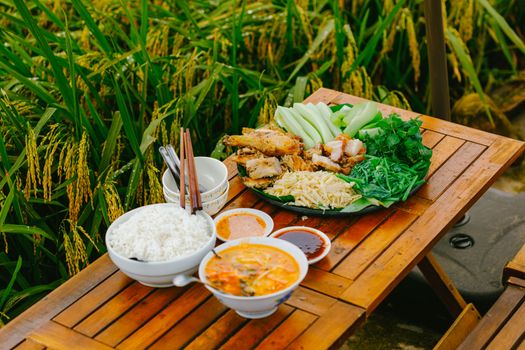
The term "farm-to-table" has become a culinary darling, often synonymous with fresh, local ingredients. But when we talk about remote farm-to-table, we’re talking about something far more profound. It's not just a restaurant sourcing from a local farm; it is the farm. Or a dining experience so intimately connected to its immediate surroundings that the journey there is part of the meal itself.
These are places where:
* The "Farm" is the Restaurant (or vice versa): You're dining literally steps from where your food was grown, raised, or foraged.
* Seasonality is Law: The menu isn't dictated by a chef's whim, but by what the earth offers that day, that week, that season.
* The Journey is Part of the Destination: Getting there often involves dirt roads, ferry rides, or even small planes. It’s a pilgrimage, not just a reservation.
* Sustainability is Innate: These establishments often embody a deep commitment to sustainable practices, land stewardship, and biodiversity, not as a marketing ploy, but as a way of life.
* Connection is Key: You’ll likely meet the farmers, the chefs, the artisans – the people whose hands bring your meal to life. It fosters a sense of community and appreciation rarely found in urban dining.
It's about stripping away the layers, getting back to basics, and experiencing food in its purest, most vibrant form. It's about taste that sings, textures that dance, and aromas that transport you.
The Magic of the Journey: More Than Just a Meal
Part of the allure of these remote culinary havens is the adventure inherent in reaching them. There's a certain magic in leaving the paved roads behind, shedding the demands of city life, and venturing into landscapes where nature still reigns supreme.
I remember once driving for hours through the rugged, almost alien landscape of Patagonia, chasing a rumor of a tiny estancia (ranch) offering traditional cordero al palo (lamb roasted on a stake). The dust swirled behind our rented 4x4, the wind howled, and for miles, we saw nothing but guanacos and vast, empty plains. Doubts crept in: Are we even going the right way? Is this place real?
Then, a wisp of smoke, a flicker of light, and suddenly, we were there – a small, rustic lodge nestled beside a glacial river, the aroma of roasting lamb drifting on the wind. The challenge of the journey amplified the reward exponentially. Every bite of that smoky, tender lamb felt earned, a communion with the land and the hardy people who call it home.
These journeys aren't just about getting from point A to point B; they're about slowing down, observing, and preparing your senses for an experience that transcends the ordinary. They build anticipation, create stories, and make the eventual meal taste even sweeter.
Unforgettable Destinations & Experiences: Where to Find Your Mind-Blowing Meal
Ready to pack your bags and your appetite? Here are a few examples of the kinds of remote farm-to-table experiences that have truly left me speechless (and full!). Note: prices are approximate ranges and can vary greatly by season and specific offerings.
1. Il Nido Segreto (The Secret Nest) – Umbrian Hills, Italy
* Location: Deep in the verdant, rolling hills of Umbria, accessible via a winding gravel road that feels like a portal to another time. Closest town might be a small medieval village like Montone or Gubbio.
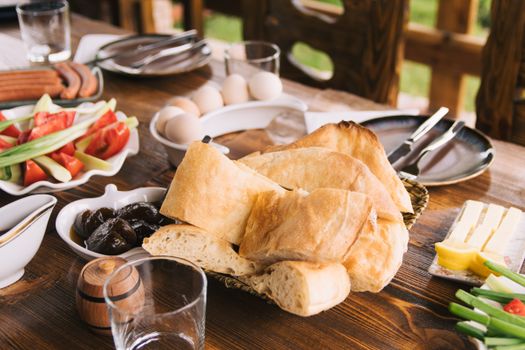
* The Experience: Remember my intro? This is it. Il Nido Segreto isn't just a restaurant; it's a working organic farm, vineyard, and olive grove that also hosts guests in beautifully restored stone cottages. Dinner is a communal affair, served family-style on a long wooden table outdoors (weather permitting). The menu changes daily, dictated by what’s harvested that morning. Expect handmade pastas, slow-cooked meats, vibrant vegetable dishes, and wines from their own cellar. They also offer cooking classes focusing on regional Umbrian cuisine.
* Why it's Mind-Blowing: The complete immersion. You can wake up, pick figs from a tree, watch the sheep graze, and then eat a meal prepared from those very surroundings. The warmth of the family hosts makes you feel like an honored guest, not a customer.
* Signature Dish: Pici al Ragù di Cinghiale (wild boar ragu with thick hand-rolled pasta) or their rich, earthy Truffle Tagliatelle (foraged locally).
* Price Range: $$$ (Often includes accommodation and multiple courses for dinner, sometimes breakfast. Expect to pay €80-€150+ per person for a multi-course dinner with wine if not staying overnight, though many require overnight stays).
* Tripsora Tip: Book well in advance, especially for harvest season (late summer/fall). Consider staying a few nights to fully absorb the rhythm of farm life. They often have limited spaces.
2. Rancho Estrella – High Desert, Baja California Sur, Mexico
* Location: Nestled deep within the Sierra de la Laguna mountains, a UNESCO Biosphere Reserve, inland from Todos Santos. Requires a 4x4 and a sense of adventure to navigate the dusty, rocky tracks.
* The Experience: Rancho Estrella is a self-sustaining ranch and eco-lodge that champions traditional Baja Californian cuisine with a modern, hyper-local twist. They raise their own cattle, goats, and chickens, cultivate extensive organic vegetable gardens, and even have a small agave farm for their mezcal. Meals are served under a palapa overlooking the desert landscape, often cooked over an open fire. Think slow-roasted goat, tortillas made from heirloom corn, fresh salsas from garden chiles, and unique desert fruit desserts.
* Why it's Mind-Blowing: The stark beauty of the desert contrasted with the vibrant, fresh food is incredible. It's a testament to what can be created in a seemingly harsh environment with ingenuity and respect for the land. The isolation and quiet are incredibly restorative. Plus, the mezcal is out of this world!
* Signature Dish: Cabrito Asado (slow-roasted baby goat, often seasoned with local herbs) served with hand-pressed tortillas and fresh pico de gallo.
* Price Range: $$-$$$ (Often part of a stay package, but individual meals can be arranged. Expect $50-$100+ per person for a multi-course dinner).
* Tripsora Tip: Plan your visit during the cooler months (November-April). Combine it with hiking or horseback riding to explore the surrounding biosphere. Be prepared for limited cell service – it's part of the charm!
3. Kauri Creek Sanctuary – Northland, New Zealand
* Location: Hidden deep within native Kauri forest in the remote northern reaches of New Zealand's North Island. Reaching it involves navigating narrow, winding roads and perhaps a short ferry ride, ending with a private track.
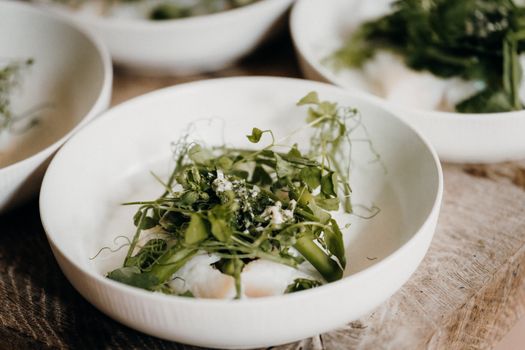
* The Experience: Kauri Creek is a conservation-focused retreat and culinary experience. They specialize in "foraged and farmed" dining, utilizing native ingredients (like kawakawa, horopito, pikopiko ferns) alongside produce from their biodynamic gardens and ethically raised livestock. Dinner is an intimate, multi-course tasting menu served in a beautifully designed lodge that blends seamlessly with the forest. The chef often personally guides guests through the surrounding forest to identify edible plants before the meal.
* Why it's Mind-Blowing: It's a masterclass in indigenous ingredients and sustainable gastronomy. The connection to the ancient Kauri forest and the Māori culinary traditions is deeply moving. Each dish is a work of art, telling a story of the land and its people.
* Signature Dish: Smoked Kahawai (local fish) with native herbs and foraged greens, or a slow-cooked lamb shoulder with root vegetables from their garden.
* Price Range: $$$$ (This is a luxury, highly exclusive experience, often requiring an overnight stay. Expect NZD 200-400+ per person for dinner).
* Tripsora Tip: This is an exclusive experience, so book months in advance. Be respectful of the conservation efforts – stick to marked paths, and learn about the local flora and fauna.
Beyond the Plate: Immersive Activities
The beauty of remote farm-to-table experiences is that they often extend far beyond the dining table. To truly appreciate the food, you often get the chance to connect with its origins.
- Farm Tours & Foraging: Many places offer guided tours of their fields, vineyards, or forests. Learning about permaculture, biodynamic farming, or identifying wild edibles adds layers of appreciation to your meal. I once spent an afternoon in Sicily learning to pick capers from thorny bushes – every caper I ate that night tasted like victory!
- Cooking Classes: What better souvenir than a new skill? Learning to prepare local dishes from the very people who grow the ingredients is an unparalleled experience. Imagine mastering fresh pasta in Italy or authentic mole in Mexico.
- Animal Encounters: For those places raising livestock, you might get to meet the animals, understand their welfare, and see the full cycle of sustainable farming.
- Community & Culture: These remote spots are often deeply embedded in local communities. You might experience traditional music, crafts, or simply share stories with your hosts and fellow travelers, fostering a deeper cultural understanding.
These activities transform a meal into a holistic journey, enriching your understanding of food, culture, and the natural world.
Planning Your Mind-Blowing Culinary Escape: Practical Tips
Ready to embark on your own remote farm-to-table adventure? Here's how to make it happen:
- Do Your Deep Dive Research: These aren't places you stumble upon. Read travel blogs (like Tripsora!), niche food magazines, and local tourism websites. Look for terms like "agriturismo," "eco-lodge," "sustainable farm stay," or "off-grid dining." Instagram can also be a visual treasure trove for discovering hidden gems – just search relevant hashtags!
- Book Far, Far in Advance: Due to their remote nature and often small scale, these experiences have limited capacity. Popular spots can book out months, even a year, ahead. Don't leave it to the last minute.
- Embrace the Journey: Getting there might involve unpaved roads, longer travel times, or unconventional transport. View it as part of the adventure, not a hindrance. A 4x4 rental can be a wise investment.
- Be Flexible with the Menu: Remember, seasonality is king. Don't arrive with a fixed idea of what you want to eat. Trust the chef and the farm to present you with the freshest, most delicious ingredients available. This is where the magic happens!
- Budget Accordingly: Remote, sustainable, and high-quality often means a higher price tag. These are investment experiences, not just cheap eats. Factor in potential accommodation costs, as many are also farm stays.
- Pack Smart: Depending on the location, you might need sturdy walking shoes, layers of clothing, insect repellent, and a good camera. Don't forget a portable charger, as power might be limited.
- Be a Respectful Guest: These are often family-run businesses deeply connected to their land and community. Be mindful of their rules, respect the environment, and engage with your hosts. Learn a few phrases in the local language – it goes a long way!
- Disconnect to Reconnect: Many remote locations have limited or no cell service/Wi-Fi. See this as an opportunity to truly unplug, be present, and savor every moment. Your social media can wait!
The Unforgettable Taste of Place
My most cherished travel memories aren't always of grand monuments or bustling cities. More often, they are of a quiet meal, shared with new friends, under a sky full of stars, where every bite tells a story of the land. It’s the taste of fresh-picked tomatoes still warm from the sun, the aroma of herbs foraged from ancient forests, the crackle of woodfire under a slow-roasted feast.
These remote farm-to-table experiences aren't just about food; they're about transformation. They challenge our perceptions, connect us to the earth, and remind us of the simple, profound pleasure of a meal created with passion and respect. They are, quite truly, mind-blowing.
Are you ready to embark on your own culinary pilgrimage? To taste the true essence of a place, far from the madding crowds? I promise, once you do, you'll never look at food – or travel – the same way again.
Share your dream remote farm-to-table destination in the comments below! What's the most unforgettable meal you've ever had off the beaten path?
---