Extreme Sports for Beginners You Need to Experience Before You Die
Let me tell you a secret: I used to be terrified of heights. Like, "don't look down from the second floor" terrified. The idea of jumping out of a perfectly good airplane? Laughable. Bungee jumping? Absolutely insane. Yet, here I am, a self-proclaimed adrenaline junkie, having chased thrills across continents. My journey from couch potato to cliff-jumper didn't happen overnight, but it started with a single, trembling step – a tandem skydive over the stunning beaches of Hawaii. That leap, quite literally, changed my life. It wasn't just about the freefall; it was about proving to myself that I could push past my self-imposed limits.
If you’ve ever scrolled through Instagram, drooling over jaw-dropping adventure shots, or watched a travel documentary thinking, "I wish I could do that," this post is for you. Forget the misconception that extreme sports are only for the fearless elite. I'm here to tell you that there's a whole world of heart-pounding, soul-stirring adventures perfectly suited for beginners. These aren't just activities; they're rites of passage, memory-makers, and confidence boosters. They're the stories you'll tell for a lifetime.
So, buckle up, buttercup! I’m diving deep into 7 incredible extreme sports that are surprisingly beginner-friendly, complete with personal anecdotes, practical tips, and specific locations to help you plan your own epic adventure. Get ready to add some serious thrills to your bucket list.
1. Skydiving (Tandem): The Ultimate Leap of Faith
Why it's great for beginners:
Tandem skydiving means you’re harnessed to an experienced instructor who handles all the technical stuff, leaving you free to simply enjoy the ride. It’s the safest and most accessible way to experience the pure exhilaration of freefall.
My first jump was over Mokuleia Beach on Oahu, Hawaii. The plane ride up felt like an eternity, my heart doing a relentless samba against my ribs. When the door rolled open and the wind roared in, every instinct screamed "NO!" But my instructor, a calm veteran named Mike, just grinned, gave me a thumbs-up, and before I knew it, we were tumbling out into the vast blue.
That first second of freefall is indescribable – a mix of pure terror and absolute liberation. Then, the wind catches you, and you're flying. The world below shrinks into a breathtaking tapestry of turquoise ocean and lush green mountains. The silence after the parachute deploys is almost spiritual, as you gently glide down, taking in the panoramic views. Landing back on solid ground, my legs felt like jelly, but my spirit was soaring. I had done it. I had faced my biggest fear and won.
Practical Tips:
* Choose Wisely: Always go with a reputable, certified skydiving center with excellent safety records. Read reviews!
* Dress Comfortably: Wear athletic clothing and closed-toe shoes. Avoid sandals or anything loose.
* Weather Check: Skydiving is weather-dependent. Be prepared for potential delays or rescheduling.
* Capture the Moment: Spring for the photo and video package. Trust me, you'll want to relive that moment (and prove it to your friends!).
* Listen to Your Instructor: They are the experts. Follow every instruction carefully.
Specific Locations & Prices:
* Hawaii, USA (Oahu & Kauai): Iconic views, typically $250-$400 for a tandem jump, often with stunning ocean backdrops.
* Queenstown, New Zealand: The "Adventure Capital of the World" offers incredible mountain and lake views. Expect to pay NZD $300-$500.
* Dubai, UAE (Palm Jumeirah): Skydive Dubai offers a truly luxurious and unforgettable jump over the iconic Palm Jumeirah. Prices are higher, around AED 2000-2500 ($550-$700).
* Southern California, USA: Many drop zones offering jumps with views of the Pacific coastline, generally $200-$350.
Instagram-Worthy Moment:
The mid-freefall "I can't believe I'm doing this!" face, and the triumphant "I just jumped out of a plane!" pose upon landing. #SkydiveGoals #Fearless
2. White Water Rafting: Taming the Rapids
Why it's great for beginners:
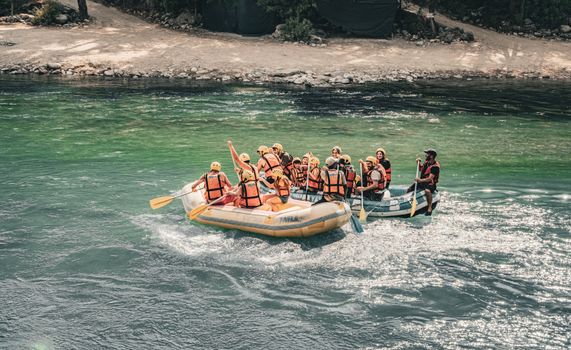
Most rafting companies offer trips on rivers with varying "grades" of rapids (Grade I being calm, Grade VI being unrunnable). Beginners can start with Grade II-III rivers, which offer plenty of splashes and excitement without extreme danger. You’re always with a professional guide who steers the raft and gives commands.
My first white water rafting trip was on the Pacuare River in Costa Rica. I went with a group of friends, and none of us had ever held a paddle in a rapid before. Our guide, Leo, was a charismatic local who made us laugh even as he barked commands like "Forward two!" and "Hold on!" The jungle scenery was breathtaking – monkeys chattering in the trees, vibrant birds soaring overhead – but the real thrill came when we hit the rapids.
The raft would plunge down drops, water crashing over the bow, soaking us to the bone. We’d paddle furiously, working as a team, our shouts of exhilaration echoing off the canyon walls. There were moments of calm where we floated peacefully, spotting sloths and toucans, followed by heart-stopping stretches where the river pulled us into its powerful embrace. It was an incredible blend of natural beauty and pure adrenaline, proving that teamwork makes the dream work, especially when that dream involves not flipping over!
Practical Tips:
* Listen to Your Guide: Their instructions are crucial for your safety and the success of the trip.
* Wear Appropriate Gear: Quick-drying clothes, secure footwear (like water shoes or old sneakers), and a swimsuit are essential. Most companies provide helmets and life vests.
* Hold On! When hitting a big rapid, listen for the "hold on!" command and grip the rope tightly.
* Stay Hydrated: Even though you're surrounded by water, you'll be exerting yourself.
* Protect Valuables: Leave electronics and anything you don't want to get wet behind, or put them in a dry bag.
Specific Locations & Prices:
* Pacuare River, Costa Rica: Renowned for its stunning jungle scenery and thrilling Grade III-IV rapids. Full-day trips are typically $90-$150, including lunch and transportation.
* Colorado River, USA (Grand Canyon): Iconic, but longer and more expensive trips. Shorter, beginner-friendly sections exist outside the main canyon. Half-day trips can be $70-$150.
* Zambezi River, Zambia/Zimbabwe: Offers some of the world's most intense Grade IV-V rafting, but there are calmer sections for beginners. Expect $150-$250 for a day trip.
* Ottawa River, Canada: Known for its big waves and warm water, with sections suitable for all levels. Day trips range from CAD $100-$200.
Instagram-Worthy Moment:
A shot of your raft plunging into a massive wave, everyone screaming with delight, or a triumphant group photo, soaking wet and beaming with pride. #RaftingAdventures #RiverThrills
3. Bungee Jumping: The Gravity-Defying Plunge
Why it's great for beginners:
While it looks terrifying, bungee jumping is surprisingly straightforward for beginners. It's a single, controlled jump, with all the safety systems handled by professionals. The fear is intense, but the experience is quick and the reward is immense.
My bungee jump was off the Kawarau Bridge in New Zealand, the world's first commercial bungee site. Standing on that platform, 43 meters (141 feet) above the churning river, my heart was a drum solo in my chest. The jump master, a seasoned pro with a mischievous twinkle in his eye, counted down: "Three... two... one... JUMP!" My mind screamed "NO!", but my body, surprisingly, obeyed.
That initial freefall is a pure, primal scream. The wind rushes past, the ground hurtles towards you, and for a terrifying split second, you feel like you're going to hit. Then, the bungee cord stretches, catches you, and you bounce back up, soaring towards the sky before gently descending. The feeling of weightlessness, the sheer adrenaline, and the incredible sense of accomplishment are truly unparalleled. It’s a complete sensory overload that leaves you buzzing for hours.
Practical Tips:
* Check Safety Records: This is paramount. Choose a company with an impeccable safety history.
* Listen to Instructions: Pay close attention to the jump master. They know what they're doing.
* Don't Look Down (Too Much): A quick glance is fine, but fix your eyes on the horizon or a distant point to help steady your nerves.
* Commit: Once you decide to jump, don't hesitate. The longer you wait, the harder it gets.
* Wear Comfortable Clothes: Something you can move freely in, and closed-toe shoes.
Specific Locations & Prices:
* Kawarau Bridge, Queenstown, New Zealand: The original! Offers a classic 43m jump, with options to touch the water. NZD $200-$250.
* Bloukrans Bridge, South Africa: The highest commercial bridge bungee in the world (216m/708ft). A truly epic experience for around ZAR 1500-2000 ($80-$110).
* Macau Tower, Macau: The highest commercial bungee jump in the world (233m/764ft) from a building. Expect to pay MOP 3000-4000 ($370-$500).
* Verzasca Dam, Switzerland: Famous for being featured in James Bond's "GoldenEye." A stunning 220m jump for around CHF 250-300 ($270-$330).
Instagram-Worthy Moment:
The epic mid-air shot of you plummeting towards the earth, arms outstretched, or the victorious grin after you’ve been pulled back up. #BungeeJump #AdrenalineRush
4. Zip-lining: Soaring Through the Skies (and Trees!)
Why it's great for beginners:
Zip-lining offers the thrill of flying without the intense freefall or impact. You're securely harnessed and gravity does most of the work, allowing you to focus on the incredible views and the sensation of gliding.
I’ve zip-lined in several places, but my most memorable experience was soaring through the cloud forests of Monteverde, Costa Rica. Imagine being suspended hundreds of feet above the jungle canopy, whizzing past ancient trees, with mist swirling around you and the sounds of exotic birds filling the air. It felt like being a superhero, or a very fast bird.
The courses often involve multiple lines, sometimes crossing valleys or even rivers. Some even offer a "Superman" style harness where you fly face-first, truly feeling like you're airborne. It's an accessible adventure that combines breathtaking scenery with a gentle, yet exhilarating, rush. It's a fantastic way to experience nature from a unique perspective, providing just enough thrill to get your heart pumping without overwhelming you.
Practical Tips:
* Closed-Toe Shoes: Essential for safety and comfort.
* Secure Belongings: Anything loose (phones, cameras, hats) should be secured or left behind to avoid losing them mid-air. Many places offer lockers.
* Gloves: Some places provide gloves to help you control your speed (though guides usually do most of the braking).
* Enjoy the View: Don't just focus on the line; look around and soak in the incredible scenery!
* Listen to Guides: Always follow their instructions on launching and braking.
Specific Locations & Prices:
* Monteverde, Costa Rica: Home to some of the longest and highest zip lines, often through cloud forests. Prices range from $50-$100 for a multi-line course.
* Whistler, Canada: Offers incredible mountain views and some of the longest zip lines in North America. CAD $100-$180.
* Maui, Hawaii, USA: Zip-lines over lush valleys and ocean views. Around $80-$150.
* Jebel Jais, UAE: Home to the world's longest zip line (2.83 km!). A truly epic experience for around AED 300-400 ($80-$110).
Instagram-Worthy Moment:
A wide-angle shot of you zipping through a stunning landscape, or a selfie mid-line with a huge grin and an epic backdrop. #ZipLineAdventures #FlyingHigh
5. Scuba Diving (Introductory Dives): Exploring the Underwater World
Why it's great for beginners:
You don’t need to be certified to try scuba diving. Most dive centers offer "Discovery Dives" or "Introductory Dives" where you learn basic skills in shallow water and then go on a guided dive with an instructor by your side, never deeper than 12 meters (40 feet).
My first time breathing underwater during a discovery dive in Koh Tao, Thailand, was surreal. The initial sensation of having a regulator in my mouth felt alien, but once I got the hang of it, a whole new world opened up. Suddenly, I was weightless, gliding through crystal-clear water, surrounded by a kaleidoscope of marine life.
I remember hovering just inches from a vibrant coral reef, watching clownfish dart among anemones and a majestic sea turtle serenely swim past. The only sounds were my own bubbles and the gentle sway of the ocean. It was a meditative, awe-inspiring experience that transformed my understanding of the natural world. It was so captivating that I went on to get my open water certification!
Practical Tips:
* Comfort in Water: While you don't need to be an Olympic swimmer, being comfortable in the water is a huge plus.
* Breathe Normally: The biggest challenge for beginners is remembering to breathe slowly and continuously.
* Equalize Your Ears: Your instructor will teach you how to do this to relieve pressure as you descend. It's crucial!
* Stay Close to Your Instructor: They are there to ensure your safety and point out cool marine life.
* Don't Touch Anything: Respect the delicate underwater ecosystem. Look, don't touch.
Specific Locations & Prices:
* Koh Tao, Thailand: One of the cheapest and most popular places in the world to learn. Discovery dives are typically THB 2000-3000 ($60-$90).
* Great Barrier Reef, Australia: Dive amongst incredible biodiversity. Introductory dives range from AUD $150-$250, often part of a larger boat tour.
* Caribbean (e.g., Belize, Cozumel): Warm, clear waters with abundant marine life. Discovery dives usually $80-$150.
* Red Sea, Egypt: Famous for its stunning coral reefs and shipwrecks. Introductory dives are often part of a resort package, or around $50-$100.
Instagram-Worthy Moment:
An underwater selfie with colorful fish, or a shot of you gracefully swimming alongside a sea turtle (from a respectful distance, of course!). #ScubaLife #UnderwaterWorld
6. Rock Climbing (Indoor/Beginner Outdoor): Reaching New Heights
Why it's great for beginners:
Indoor climbing gyms are incredibly beginner-friendly. They provide all the necessary gear (shoes, harness), trained staff to teach you the basics, and auto-belays or top-roping systems that make it safe. It’s a fantastic way to build strength, problem-solving skills, and confidence.
My first experience with rock climbing was at an indoor gym with a friend who was already hooked. I was intimidated by the towering walls and the seemingly impossible routes. But once I put on the ridiculously tight shoes and chalked my hands, something clicked. The challenge wasn't just physical; it was mental. Each route was a puzzle, requiring strategy and focus.
The first time I reached the top of a wall, my arms burning, my fingers aching, I felt an incredible surge of accomplishment. It’s a full-body workout that also trains your mind to overcome obstacles. From indoor bouldering (climbing shorter walls without ropes, with crash pads below) to top-roping with a partner, it’s a sport that builds community and resilience. Once you get comfortable indoors, you can graduate to guided outdoor climbs on beginner-friendly routes, experiencing the thrill of scaling real rock faces.
Practical Tips:
* Rent Gear: Most gyms offer shoe and harness rentals, so you don't need to buy anything upfront.
* Take an Intro Class: Many gyms offer beginner lessons to teach you knot tying, belaying, and basic techniques.
* Start Easy: Don't be afraid to try the easiest routes (often indicated by specific colored holds). Focus on technique over strength initially.
* Listen to Your Body: Climbing uses muscles you didn't know you had. Take breaks and don't overdo it.
* Find a Buddy: Climbing is often a social sport, and having a partner for belaying (managing the rope) is essential for top-roping.
Specific Locations & Prices:
* Indoor Climbing Gyms (Worldwide): Check your local area! Day passes typically range from $15-$30, with gear rental often an additional $5-$10.
* Moab, Utah, USA: Offers incredible desert climbing, with many guide services for beginners. A guided half-day outdoor climbing experience can be $100-$200.
* Kalymnos, Greece: A world-renowned climbing destination with routes for all levels, including many beginner-friendly options. Hiring a guide for a day is around €150-€250.
* Railay Beach, Thailand: Stunning limestone karsts with excellent climbing, including intro courses. Half-day lessons are around THB 1000-1500 ($30-$45).
Instagram-Worthy Moment:
A focused shot of you mid-climb, chalky hands gripping a hold, or a triumphant "top-out" photo from the peak of your ascent. #RockClimbing #GripItAndRipIt
7. Sandboarding / Dune Buggying: Desert Thrills
Why it's great for beginners:
Sandboarding is essentially snowboarding on sand dunes – and it’s much softer to fall on! Dune buggying offers the thrill of off-road speed without needing any special driving skills, as you're usually a passenger on a guided tour.
My sandboarding adventure took me to the endless dunes of the Arabian desert outside Dubai. After a thrilling dune bashing session in a 4x4, our guide handed us sandboards. The sheer scale of the dunes was breathtaking, golden waves stretching to the horizon. Strapping into the board, I felt a mix of nerves and excitement.
My first few attempts were comical – face-planting into soft sand, getting covered head to toe. But with each try, I got a little more confident, learning to shift my weight and lean back. Soon, I was carving down the slopes, sand spraying behind me, feeling the rush of speed and the freedom of the open desert. If sandboarding isn't your speed, a dune buggy tour offers a similar high-octane experience, bouncing and speeding over the dunes in a powerful off-road vehicle. It's an unforgettable way to experience the unique beauty and thrill of the desert.
Practical Tips:
* Lean Back: Just like snowboarding, leaning back helps you control your speed and avoid nose-diving.
* Wear Sunglasses and Sunscreen: The desert sun is intense, and the sand can be reflective.
* Dress in Layers: Deserts can be hot during the day and surprisingly cool in the evening.
* Prepare for Sand: It will get everywhere! Bring a towel and a change of clothes if possible.
* Hydrate: Always carry plenty of water.
Specific Locations & Prices:
* Dubai, UAE: Desert safaris often include dune bashing, sandboarding, and sometimes dune buggy options. Prices for a full desert safari range from AED 150-400 ($40-$110).
* Huacachina, Peru: An oasis town surrounded by massive dunes, perfect for sandboarding and buggy tours. Expect to pay PEN 50-100 ($15-$30) for a tour.
* Swakopmund, Namibia: Offers incredible desert landscapes and sandboarding tours. Around NAD 600-900 ($40-$60).
* Great Sand Dunes National Park, Colorado, USA: You can rent boards and sleds to try sandboarding on these unique dunes. Rentals are around $20-$25/day.
Instagram-Worthy Moment:
An action shot of you carving down a dune, sand spraying behind you, or a dramatic selfie with the vast desert as your backdrop, especially at sunset. #Sandboarding #DesertAdventures
General Tips for the Aspiring Extreme Sports Enthusiast
Ready to take the plunge? Here are a few essential tips to make your beginner extreme sports journey safe, fun, and unforgettable:
- Safety First, Always: This cannot be stressed enough. Always choose reputable, certified operators with excellent safety records and experienced instructors. Don't compromise on safety to save a few bucks.
- Start Small: You don't need to tackle the most extreme version of a sport on your first go. Tandem skydiving, Grade II rafting, discovery dives – these are designed for beginners for a reason. Build your confidence and skills gradually.
- Listen to Your Instructors: They are there to guide you, teach you, and keep you safe. Pay attention to every word and follow their commands.
- Embrace the Fear: A little fear is normal, even healthy. It means you're stepping out of your comfort zone. Acknowledge it, breathe through it, and then push past it. The greatest rewards often lie just beyond our fears.
- Document Everything: Bring a GoPro, ask for the photo/video package, or have a friend capture your moments. These memories are priceless and perfect for sharing!
- Get Travel Insurance: For any adventure travel, comprehensive travel insurance that covers extreme sports is a non-negotiable. Better safe than sorry!
- Stay Hydrated and Fuelled: These activities can be physically demanding. Ensure you're well-hydrated and have had a good meal before your adventure.
- Be Present: While documenting is great, don't let it distract you from the actual experience. Take moments to just soak it all in.
Dare to Live: Your Adventure Awaits!
Stepping into the world of extreme sports, even as a beginner, is an incredible journey of self-discovery. It’s about conquering fears, pushing boundaries, and creating memories that will resonate with you for years to come. That first leap, that first splash, that first breath underwater – these aren't just moments; they're transformations.
My own journey from fear to fascination has shown me that the greatest adventures often begin with a single, courageous decision. So, which of these beginner-friendly extreme sports will be your first? Will you soar above the clouds, brave the rapids, or dive into the deep blue?
Don't just dream about adventure; go out and live it. Pick one, plan your trip, and prepare to tell an epic story. Your bucket list just got a whole lot more exciting.
What was your first extreme sport? Or which one are you dying to try? Share your stories and plans in the comments below! Let's inspire each other to live life to the fullest!
---