From Couch Potato to Conqueror: How Extreme Sports for Beginners Changed My Life Forever
Let's be honest, for years, my idea of "extreme" was trying a new flavor of ice cream. The thought of throwing myself off a bridge, navigating raging rapids, or plunging into the deep blue sea? Absolutely terrifying. I was the quintessential comfort-zone dweller, perfectly content with my Netflix binges and predictable routines. Adventure travel, to me, meant a relaxing beach holiday – nothing that required actual effort or, heaven forbid, adrenaline.
But then something shifted. Maybe it was the creeping sense of monotony, or perhaps one too many inspiring travel documentaries. Whatever it was, a tiny, persistent voice started whispering: "What if?" What if I could do something truly exhilarating? What if I could face my fears and discover a part of myself I never knew existed?
That "what if" led me down a rabbit hole of research, eventually landing on the surprising truth: extreme sports aren't just for the pros. Many are incredibly accessible for beginners, designed with safety, guidance, and an unforgettable thrill in mind. And let me tell you, embarking on these adventures didn't just give me a few cool stories; it fundamentally reshaped my perspective on life, fear, and my own capabilities. This isn't just a travel blog; it's a testament to how stepping outside your comfort zone, even just a little, can change everything.
Are you ready to find your inner adventurer? Here’s how I started, and how you can too!
The First Leap: Bungee Jumping (New Zealand)
My initiation into the world of extreme sports was, quite literally, a leap. It happened in Queenstown, New Zealand – the self-proclaimed "Adventure Capital of the World." There, nestled above the pristine Kawarau River, stands the iconic Kawarau Bridge Bungee. This isn't just any bungee; it's the world's first commercial bungee site, operated by the legendary AJ Hackett. If you're going to jump, why not jump where it all began?
My heart was a drum solo in my chest as I watched others take the plunge. The cheers, the screams, the triumphant roars – it was a symphony of raw human emotion. When it was my turn, the fear was palpable. My legs felt like jelly, my palms were sweaty, and every instinct screamed "DO NOT DO THIS!" But standing on that platform, looking down at the turquoise river 43 meters (141 feet) below, a strange calm settled over me. This wasn't about being fearless; it was about facing the fear head-on.
The countdown began: "5, 4, 3, 2, 1... JUMP!" I pushed off, a primal scream escaping my lips as gravity took over. The freefall was a blur of wind and sensation, followed by the exhilarating snap of the cord, pulling me back towards the sky. For a few glorious seconds, I hung upside down, the world inverted, a rush of pure, unadulterated euphoria coursing through my veins. It was terrifying, liberating, and utterly unforgettable.
Why it's perfect for beginners:
Bungee jumping, especially at reputable sites like Kawarau, is meticulously safety-checked. The equipment is state-of-the-art, and the staff are seasoned professionals who literally do this hundreds of times a day. They guide you through every step, making it incredibly easy to just show up and jump.
Practical Tips for Your First Bungee:
* Choose Wisely: Always go with a well-established, reputable company with a long safety record. AJ Hackett is a global leader.
* Listen to Your Guides: They know what they're doing. Pay attention to all instructions.
* Embrace the Fear: It's normal! Acknowledge it, then push through. The reward is immense.
* Dress Comfortably: Wear clothes you can move freely in.
* Consider the Photo/Video Package: Trust me, you'll want proof of this moment!
* Cost: Expect to pay around NZD $250-$300 for the jump itself, with photo/video packages extra.
Riding the Rapids: White Water Rafting (Costa Rica)
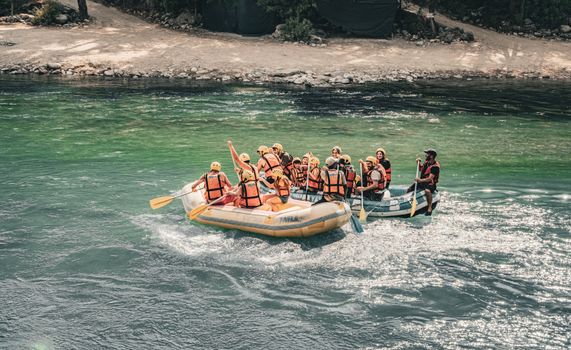
After the bungee, I felt a new sense of courage bubbling within me. My next adventure took me to the lush, vibrant rainforests of Costa Rica for white water rafting on the Pacuare River. Known as one of the world's top ten rivers for rafting, the Pacuare offers a thrilling mix of Class III and IV rapids, stunning scenery, and abundant wildlife.
This was a different kind of challenge. Instead of a solo plunge, it was a team effort. Our guide, a charismatic local named Marco, gave us a quick but thorough briefing: how to paddle, what to do if we fell out, and the crucial commands ("Forward paddle!", "Hold on!"). The river was alive, a powerful force of nature, and as we navigated the first few rapids, I felt a surge of exhilaration mixed with a healthy dose of apprehension.
There were moments of calm, where we drifted past towering trees, spotting monkeys and exotic birds, and then BAM! We'd hit a rapid, the raft bucking and twisting, water splashing over us, everyone paddling furiously, shouting with laughter and adrenaline. At one point, our raft got stuck on a rock, and Marco, with a grin, told us to jump in and help push! Submerged in the cool, powerful river, I felt completely alive, a small part of something vast and untamed.
Why it's perfect for beginners:
For beginners, guided rafting trips on Class III or IV rivers are ideal. The guides are expert navigators and safety paramount. You don't need prior experience, just a willingness to paddle and have fun.
Practical Tips for Your First Rafting Adventure:
* Choose the Right Class: Start with Class III-IV rapids. Class V is for experienced rafters.
* Wear Appropriate Gear: Quick-drying clothes, swimwear, and secure sandals or water shoes are a must. Sunscreen and insect repellent too!
* Listen to Your Guide: They are your lifeline. Their commands are crucial for safety and navigating the rapids effectively.
* Work as a Team: Rafting is a group sport. Your paddle strokes matter!
* Stay Hydrated: You'll be expending a lot of energy.
* Cost: A full-day trip on the Pacuare River, including transfers, meals, and equipment, typically ranges from USD $90-$120.
Soaring Through the Canopy: Zip-lining (Costa Rica)
While still in Costa Rica, I couldn't resist another quintessential adventure: zip-lining through the cloud forests of Monteverde. This wasn't just a short ride; it was a multi-line course, some stretching for hundreds of meters and soaring hundreds of feet above the forest floor.
The first platform was high, high up in a tree, accessed by a wobbly suspension bridge. My heart did its bungee drum solo again. But as the guides clipped me in, gave me a final push, and I launched into the air, the initial fear quickly transformed into pure joy. Wind rushed past my face, the lush green canopy spread out beneath me like a carpet, and I felt like a bird soaring effortlessly through the sky.
One of the lines was over a kilometer long, reaching speeds that felt truly exhilarating. Another involved a "Tarzan Swing" – a terrifying but thrilling freefall before swinging through the trees. Each line offered a different perspective, a new rush. It was an incredible way to experience the biodiversity of the cloud forest, combining adrenaline with breathtaking natural beauty.
Why it's perfect for beginners:
Zip-lining is arguably one of the most accessible "extreme" sports. You're securely harnessed, and the guides handle all the technical aspects. Your job is simply to enjoy the ride and the views.
Practical Tips for Your First Zip-lining Experience:
* Check Safety Standards: Ensure the company uses modern equipment and has well-trained guides.
* Wear Closed-Toe Shoes: No flip-flops!
* Tie Back Long Hair: To prevent it from getting caught.
* Empty Your Pockets: You don't want anything falling out mid-air.
* Bring a GoPro: Many tours offer helmet mounts or you can bring your own for incredible POV footage.
* Cost: A multi-line zip-lining tour in Monteverde typically costs between USD $45-$60.
Finding Your Grip: Indoor Rock Climbing & Bouldering (Anywhere)
After my outdoor adventures, I realized I wanted a way to keep that sense of challenge and accomplishment going, even when I wasn't traveling. That's when I discovered indoor rock climbing and bouldering. This is where many adventure enthusiasts start, and for good reason.
My first time at a local climbing gym was intimidating. Walls covered in colorful holds, people scaling them with incredible grace and strength. I started on the easiest routes, barely able to pull myself up. But with each session, I felt my body getting stronger, my problem-solving skills improving, and my confidence growing. Bouldering, which involves climbing shorter walls without ropes but with crash mats below, became my obsession. It's like a physical puzzle, requiring both strength and strategy.
Why it's perfect for beginners:
Indoor climbing gyms provide a safe, controlled environment to learn the ropes (pun intended!). You can rent all the gear, take introductory classes, and there's a strong, supportive community. It's a fantastic full-body workout that also challenges your mind.
Practical Tips for Your First Climb:
* Start Indoors: This is the safest and most effective way to learn.
* Take an Intro Class: Most gyms offer beginner courses that cover safety, basic techniques, and belaying (managing the rope for your partner).
* Rent Gear First: Don't buy expensive shoes and harnesses until you know you love it.
* Don't Be Afraid to Fall: That's what the ropes and crash mats are for! It's part of the learning process.
* Focus on Technique, Not Just Strength: Good footwork and body positioning are more important than brute force.
* Cost: Day passes typically range from USD $15-$25, with gear rental around $5-$10. Intro classes might be an additional $30-$50.
Exploring the Blue Depths: Scuba Diving (Thailand)
My final "extreme" sport was a journey into a completely different realm: the underwater world. I decided to get my PADI Open Water Diver certification in Koh Lanta, Thailand, a serene island known for its incredible dive sites and calm, clear waters – perfect for beginners.
The certification course took three days. It involved theory, pool sessions to master basic skills, and then four open water dives in the Andaman Sea. The first time I breathed underwater from a regulator, it felt utterly alien. But as I descended into the vibrant coral reefs, surrounded by schools of shimmering fish, sea turtles, and even a reef shark cruising gracefully in the distance, a profound sense of peace washed over me.
It's a silent world, where your breath is your only sound, and every movement feels slow and deliberate. It's a privilege to witness such untouched beauty, and it instills a deep respect for marine life. Getting certified wasn't just about learning a new skill; it was about gaining access to 70% of the planet that most people never see.
Why it's perfect for beginners:
Scuba diving is highly regulated, and beginner courses like PADI Open Water are designed to teach you everything you need safely. The instructors are meticulous, and the equipment is constantly checked. "Discover Scuba Diving" (DSD) programs also allow you to try it out with an instructor for a single dive without full certification.
Practical Tips for Your First Dive:
* Choose a Reputable Dive School: Look for PADI or SSI certified centers with good reviews.
* Be Honest About Your Health: Certain medical conditions can prevent you from diving.
* Learn to Clear Your Ears: This is crucial for equalizing pressure as you descend.
* Relax and Breathe Deeply: Panicking uses up air and makes you ascend too quickly.
* Protect the Marine Life: Don't touch or take anything from the reef.
* Cost: A PADI Open Water certification course in Southeast Asia typically costs between USD $350-$500, including all gear and boat trips. DSD programs are around $70-$100.
The Unseen Transformation: Beyond the Thrill
Each of these experiences, from the heart-stopping bungee to the tranquil dive, offered more than just an adrenaline rush. They offered a profound shift in my perception of myself and the world.
- Conquering Fear: I learned that fear isn't a wall, but a hurdle. Acknowledge it, respect it, then find the courage to jump over it.
- Building Confidence: Every successful leap, paddle, climb, or dive built a brick in the foundation of my self-belief. I started approaching other life challenges with a newfound "I can do this" attitude.
- Embracing the Unknown: I learned to let go of control, trust the experts, and surrender to the moment. This translates to a more flexible and resilient mindset in daily life.
- Connecting with Nature: These sports immerse you in incredible natural environments, fostering a deeper appreciation and desire to protect our planet.
- Finding Community: The people you meet on these adventures – fellow travelers, guides, instructors – often share a common spirit of adventure and a zest for life.
Your Adventure Awaits: General Tips for Aspiring Adrenaline Junkies
Inspired to start your own journey? Here are a few final tips:
- Start Small, Dream Big: You don't have to jump off the highest cliff first. Begin with something that excites you but also feels manageable.
- Research, Research, Research: Always vet your adventure operators. Safety should be your number one priority. Read reviews, check certifications.
- Invest in Good Insurance: Travel insurance that covers adventure sports is non-negotiable.
- Listen to Your Body: Don't push yourself beyond your physical limits, especially when starting.
- Document Your Journey: A GoPro, waterproof phone case, or simply a travel journal will help you remember and share these incredible moments. They're incredibly Instagram-worthy!
- Budget for Adventure: These experiences can add up. Factor them into your travel budget, and look for packages or deals where possible.
- Go with an Open Mind: Be prepared to be challenged, to feel uncomfortable, and to discover strengths you never knew you had.
The Call to Adventure
My journey from a cautious traveler to an eager adventurer wasn't about becoming fearless; it was about learning to dance with fear. It was about discovering that the greatest adventures often lie just beyond the edge of our comfort zone. These beginner-friendly extreme sports didn't just give me incredible memories; they gave me a renewed sense of purpose, a deeper appreciation for life, and an unshakeable belief in my own resilience.
So, what's holding you back? Is there a whisper of "what if" in your own heart? Take that leap. Paddle those rapids. Soar through the trees. Dive into the unknown. I promise you, the person who comes back will be forever changed.
What extreme sport are you going to try first? Share your adventure plans in the comments below! Let's inspire each other to live life to the fullest!
---