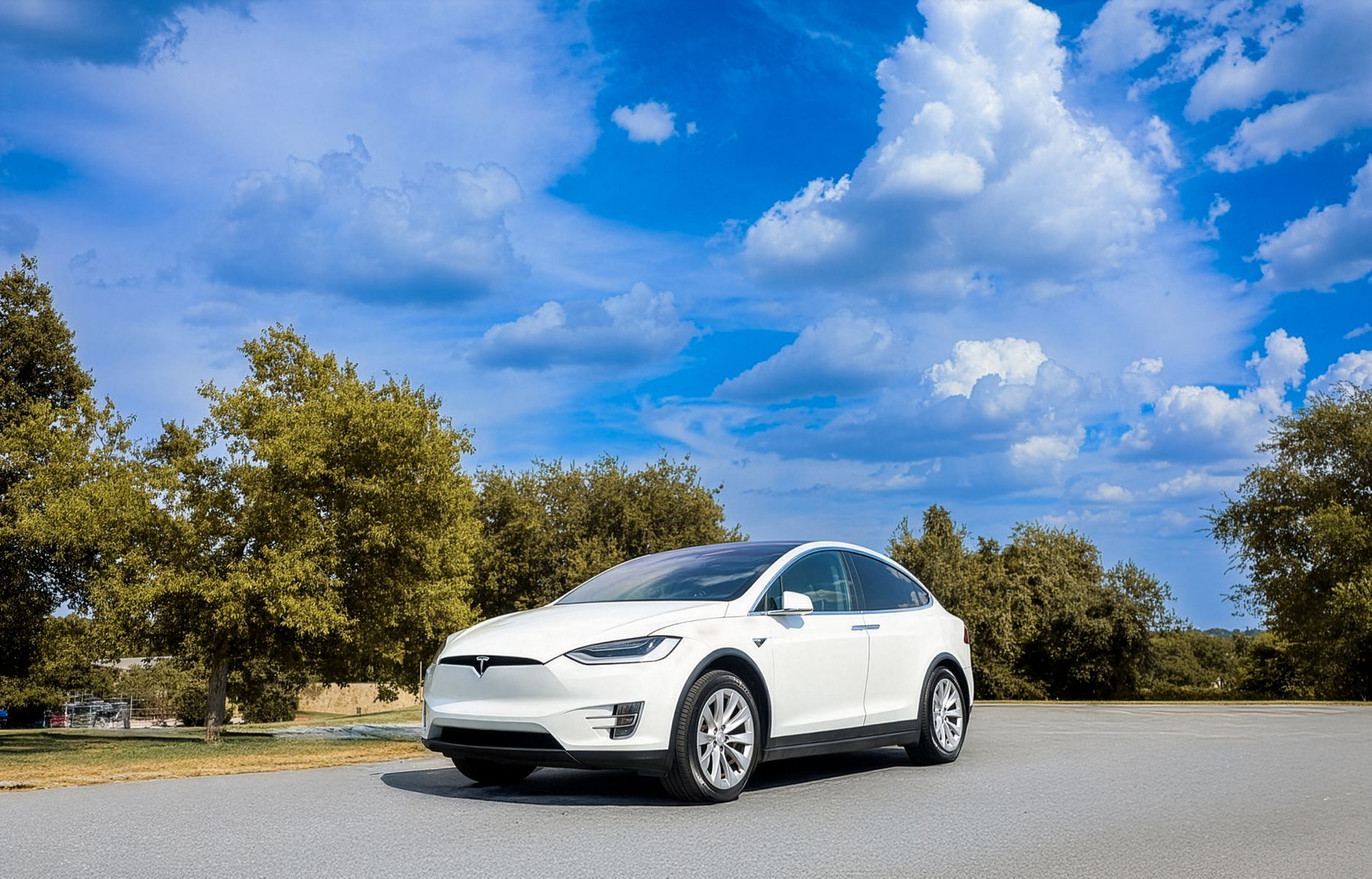
The Silent Revolution on the Open Road
I unplugged the heavy CCS1 connector from the glowing pedestal in Moab, Utah, just as the first fingers of dawn painted the sandstone cliffs a deep, bruised magenta. The air was cool, smelling of damp sagebrush and parched earth. Ten years ago, the idea of driving an electric vehicle deep into the American Southwest’s desert wilderness was a fool’s errand—a recipe for a flatbed tow truck and a ruined vacation.
But this morning? My battery was at 80%, the cabin was pre-conditioned to a crisp 68 degrees, and the digital dash promised 240 miles of silent, torque-rich freedom.
We have officially crossed the rubicon of electric travel. The era of the "tame" EV road trip—creeping from one suburban shopping mall charger to another—is dead. Thanks to massive public infrastructure bills, private network expansions, and vehicles that can swallow 350 kW of power in the blink of an eye, the world's most legendary, rugged, and remote routes are now fully viable for electric cars.
If you are planning a getaway this season, these are the definitive, high-voltage electric vehicle road trips becoming possible that are trending this summer.
---
1. The Red Rock Corridor: Utah’s Mighty 5
### Silent Cruising Through Earth's Most Dramatic Landscapes
```
Route: Las Vegas, NV to Moab, UT (via Zion, Bryce Canyon, Capitol Reef, Canyonlands, and Arches)
Distance: ~550 miles
Best EV for the job: Rivian R1S or Hyundai Ioniq 5 (for ultra-fast 800V charging)
```
For years, Utah’s "Mighty 5" national parks were an EV dead zone. The vast stretches of empty highway between Bryce Canyon and Capitol Reef were enough to make even seasoned Tesla drivers sweat. This summer, that narrative has completely changed. Utah’s state park charging initiative has placed high-speed DC fast chargers in key gateway towns like Torrey and Springdale.
Driving an EV through this landscape is a sensory revelation. Without the roar of an internal combustion engine, you roll through the towering sandstone monoliths of Zion in absolute silence. You hear the wind whistling through the ponderosa pines and the tires crunching softly on red dirt.
Insider Pro-Tip
The hidden DC fast charger behind the visitor center in Torrey (just outside Capitol Reef National Park) is powered by a local solar array. Plug in at 2:00 PM when solar production peaks. While your car drinks in the desert sun, walk 200 yards to the Wild Rabbit Cafe for a sourdough cardamom bun that will change your life.
---
2. The Arctic Explorer: Norway’s E6 to the Lofoten Islands
### Chasing the Midnight Sun on 100% Electron Power
```
Route: Tromsø to Å
Distance: ~380 miles
Best EV for the job: Polestar 2 (superb cold-weather battery management) or Audi Q8 e-tron
```
Norway is the undisputed king of EV adoption, but until recently, the far north—specifically the dramatic, jagged archipelago of the Lofoten Islands—required careful planning and a lot of slow overnight charging. No more. Kempower and Tesla (which has opened most of its northern Superchargers to non-Tesla vehicles) have blanketed the Arctic Highway with ultra-fast, reliable hubs.
This summer, you can drive from Tromsø all the way to the southern tip of the archipelago at Å (yes, that is the name of the town) without a single moment of range anxiety. The road clings to sheer granite cliffs, dives through underwater tunnels, and crosses sweeping bridges over churning turquoise water.
Insider Pro-Tip
When descending the steep, winding grades of the E6 highway, switch your regenerative braking to its maximum setting ("One-Pedal Driving"). You can claw back up to 8% of your battery capacity purely from gravity while keeping your brake pads completely cool.
---
3. The Outback Edge: Perth to Esperance, Australia
### Conquering the Great Southern Wilds
```
Route: Perth to Esperance via Margaret River
Distance: ~620 miles
Best EV for the job: Kia EV6 or Tesla Model Y Long Range
```
Australia’s vast distances have long been the ultimate boss fight for electric vehicles. However, the newly completed WA EV Network—one of the longest single EV charging networks in the world—has officially bridged the gap between the metropolitan coast and the rugged southern wilderness.
This route takes you from the bohemian coffee shops of Perth, through the world-class vineyards of the Margaret River, and down to the blindingly white sands of Esperance, where wild kangaroos sunbathe on the beach.
Insider Pro-Tip
The charger at Ravensthorpe is a critical link on this route. While pulling 150 kW of juice, walk across the road to the Ravensthorpe Bakery and order a native pepperberry and kangaroo meat pie. It is a savory, deeply spiced local delicacy you won't find anywhere else on earth.
---
4. The Highland Charge: Scotland’s North Coast 500
### Castles, Single Malts, and High-Voltage Infrastructure
```
Route: Inverness Loop via the West Coast
Distance: ~516 miles
Best EV for the job: Porsche Taycan Cross Turismo or Volvo EX30
```
The North Coast 500 is often called Scotland’s answer to Route 66. It is a brutal, beautiful loop of single-track roads, hairpin turns, and sheer drops. Historically, the Highlands were a nightmare for electric cars due to unreliable, low-power AC destination chargers. Thanks to a massive investment by ChargePlace Scotland, high-speed DC hubs are now active in even the most remote fishing hamlets.
The joy of driving an EV here lies in the instant torque. Navigating the notorious Bealach na Bà—a historic mountain pass with 20% gradients and alpine hairpin bends—is effortless when you don’t have to worry about gear selection or keeping an engine in its power band.
Insider Pro-Tip
The rapid charger at Durness is situated cliffside. Plug your vehicle in, grab your raincoat, and walk down the wooden staircase into Smoo Cave, a giant limestone cavern with an active waterfall inside. By the time you’ve explored the inner chamber and felt the cold North Sea mist on your face, your car will be fully charged and ready to roll.
---
5. The Alpine Crest: The Canadian Rockies Corridor
### High-Altitude Cruising Between Glacier-Fed Lakes
```
Route: Calgary to Vancouver via the Icefields Parkway
Distance: ~650 miles
Best EV for the job: Ford F-150 Lightning or Rivian R1T (great for hauling gear)
```
The drive from Calgary through Banff, Jasper, and down to the Pacific coast in Vancouver is arguably the most beautiful road trip in North America. This summer, the route is fully optimized for electric adventure. BC Hydro and Flo have established a robust network of fast chargers along Highway 1 and the Icefields Parkway, allowing travelers to scale mountain passes with zero tailpipe emissions in some of the continent's most sensitive ecosystems.
Insider Pro-Tip
Do not charge to 100% at the top of the mountain passes (like Rogers Pass). If your battery is completely full, your vehicle cannot use regenerative braking on the long descent down the other side, meaning you lose out on "free" energy and put unnecessary wear on your mechanical brakes. Aim to arrive at the summit with no more than 75% state of charge.
---
Logistical Blueprint: Costs, Charging, and Apps
Planning an EV road trip requires a slightly different mental model than a traditional gas-powered journey. Use this quick-reference guide to plan your logistics.
EV Road Trip Comparison Table
| Route | Est. Charging Cost (USD) | Peak Season | Essential App | Charging Standard |
| :--- | :--- | :--- | :--- | :--- |
| Utah Mighty 5 | $45 - $65 | May & September | PlugShare / ChargePoint | CCS1 / NACS |
| Norway E6 | $35 - $50 | June - August | Elton / Bilkraft | CCS2 |
| Perth to Esperance | $55 - $75 | October - March | Chargefox | CCS2 |
| Scotland NC500 | $40 - $60 | June - September | ChargePlace Scotland | CCS2 / Type 2 |
| Canadian Rockies | $50 - $70 | July - August | Flo / BC Hydro EV | CCS1 |
---
The Golden Rules of Summer EV Road Tripping
To ensure your journey is a viral-worthy success rather than a cautionary tale, commit these three rules to memory:
- ABC (Always Be Charging): Never pass up an opportunity to top up when you are stopping anyway. If you are grabbing lunch, stretch your legs near a fast charger. A 15-minute "splash and dash" can save you an hour of dedicated charging time later in the day.
- The 80% Rule: EV charging speeds slow down drastically once the battery hits 80% to protect battery health. Unless you absolutely need that extra 20% to reach the next charger in a remote area, unplug at 80% and get back on the road. It is much faster to do two short stops from 10% to 70% than one long stop to 100%.
- Download the Networks In Advance: Don't wait until you are standing in a wind-swept parking lot with zero cell service to download a regional charging app and enter your credit card details. Research the dominant networks on your route and set up your accounts before you back out of your driveway.
---
The Verdict: Why This Summer is Different
We have moved past the novelty phase of electric vehicles. Driving an EV through the wilderness is no longer about proving a point or making a statement; it is simply the superior way to travel.
Without the vibration, heat, and noise of an internal combustion engine, you arrive at your destination feeling remarkably less fatigued. You can run the climate control overnight for cheap camp-mode sleeping under the stars. Most importantly, you leave these pristine landscapes exactly as you found them—unspoiled, quiet, and clean.
The roads are waiting, the chargers are online, and the grid is ready. Where will you plug in this summer?
---