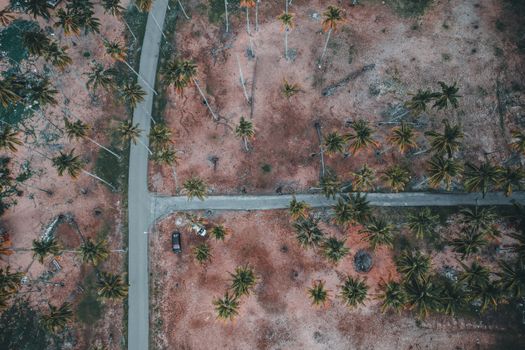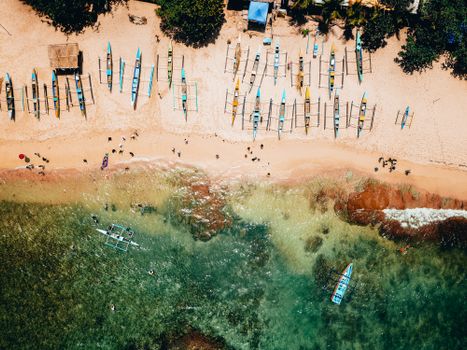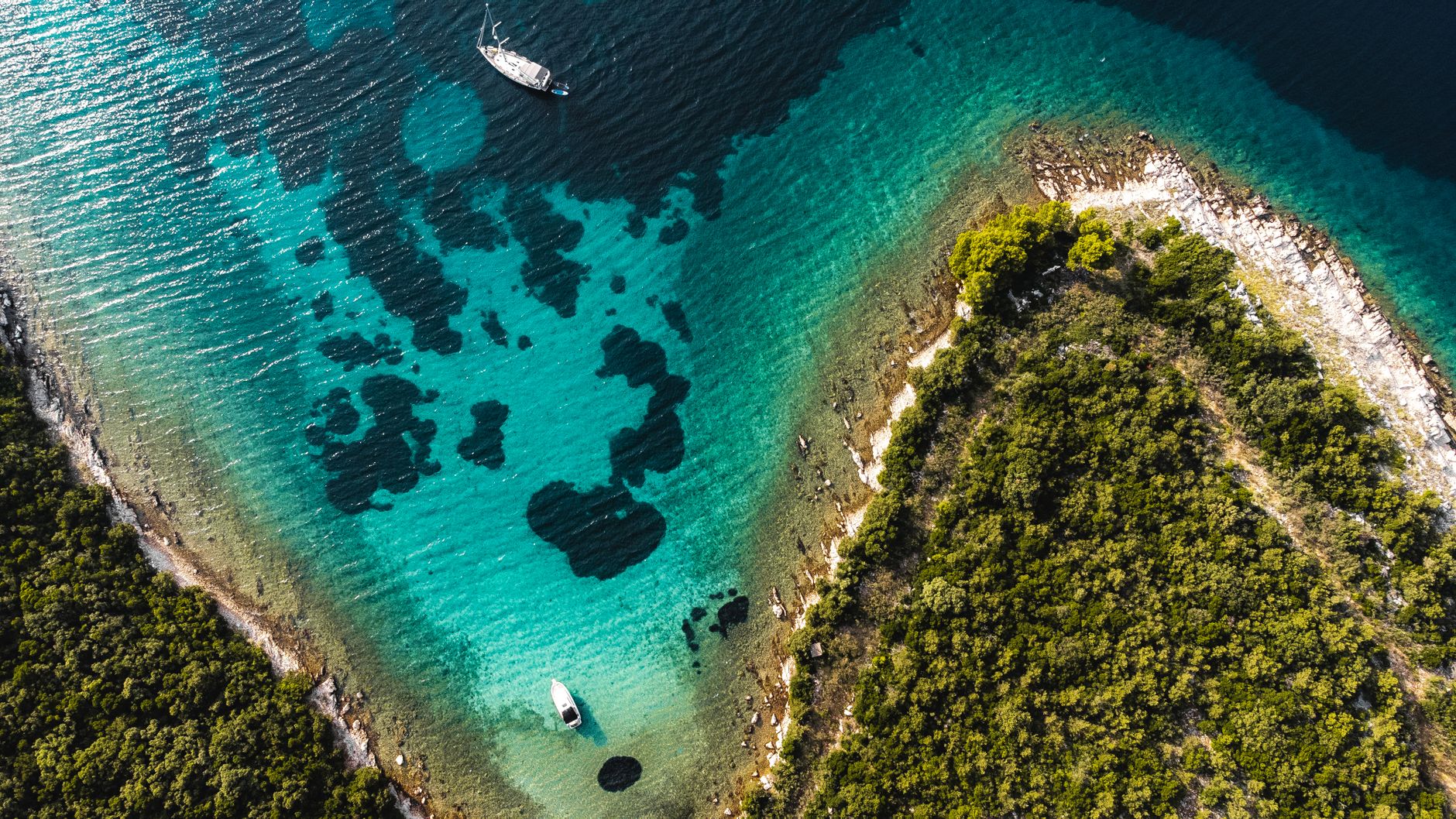
The whirring blades, the ascent, and then – boom – the world unfolds beneath you in a way no human eye can ever truly appreciate from the ground. That’s the magic of drone photography, isn’t it? It’s not just about getting a cool shot; it’s about experiencing a place from a completely new dimension, revealing hidden patterns, dramatic scales, and breathtaking vistas that redefine your understanding of beauty.
I’ll never forget my first truly epic drone shot. I was standing on a cliff overlooking the rugged coast of Scotland, the wind whipping around me, my fingers numb. I launched my Mavic, a tiny speck against the vast sky, and watched the live feed. Suddenly, the ancient sea stacks, the crashing waves, and the distant, mist-shrouded castle formed a perfect, painterly composition I couldn't have even dreamed of from my ground-level perch. It was an "aha!" moment that solidified my love for aerial photography and my commitment to finding those incredible, legal, and ethical places where we can unleash our drones.
But here's the kicker: the world of drone flying is a maze of regulations. What’s allowed in one country is strictly forbidden in another, and even within regions, rules can change from a national park to a local beach. That’s why I’ve spent countless hours researching, flying, and sometimes, unfortunately, packing up my drone without a single shot, all to bring you this curated list of trending, legal (with due diligence, always!) drone photography locations that are absolutely begging for your aerial lens.
So, charge your batteries, pack your filters, and let's dive into the skies!
---
The Golden Rules of Responsible Drone Flying: Your Pre-Flight Checklist
Before we even think about the stunning shots, let's talk about responsible flying. This isn't just about avoiding fines; it's about respecting locals, wildlife, and fellow travelers, ensuring these incredible locations remain accessible for everyone.
- Know Before You Go (Seriously!): This is non-negotiable. Every country, state, and even local municipality has its own drone laws. Check national aviation authority websites (e.g., FAA in the US, CAA in the UK, EASA for Europe), local tourism boards, and even specific park websites before you travel. Apps like AirMap or B4UFLY (US) can help visualize restricted airspace, but always cross-reference.
- Respect No-Fly Zones: National Parks, airports, military bases, private property, and many crowded urban areas are almost always off-limits. Don't risk it. The fines can be astronomical, and your drone can be confiscated.
- Privacy, Please: Avoid flying over people without their explicit consent. Don't hover over homes or private property. Remember, just because you can fly there doesn't mean you should if it infringes on someone's privacy.
- Wildlife First: Drones can stress animals, especially nesting birds or herds. Maintain a respectful distance and avoid disturbing them. If your drone causes animals to react, land it immediately.
- Safety First: Always keep your drone within your visual line of sight. Don't fly in high winds, rain, or extreme cold/heat. Check your drone and batteries before every flight.
- Get Insured: Accidents happen. Drone insurance can save you a lot of headache (and money) if something goes wrong.
My own rule of thumb? If there's any doubt, err on the side of caution. A fantastic shot is never worth breaking the law or being disrespectful.
---
North America's Aerial Wonders: Soaring Over Peaks and Coasts
North America offers an incredible diversity of landscapes, from rugged mountains to pristine coastlines, many of which are drone-friendly outside of strict national park boundaries.
1. Oregon Coast, USA: Where Forest Meets Ocean
The Oregon Coast is a dream for drone pilots, offering dramatic sea stacks, misty forests, and expansive beaches. While Oregon State Parks generally require permits (and some are outright no-fly zones), many areas outside these designated parks, especially along public beaches and BLM (Bureau of Land Management) lands, are fair game with responsible flying.
- Specific Spots (with local checks):
- Cannon Beach & Haystack Rock: While Haystack Rock itself is a wildlife refuge (no flying directly over or too close), capturing the iconic rock from a distance along the wide, public beach is often permissible. The sheer scale of the rock against the vast Pacific is incredible from above.
- Cape Kiwanda State Natural Area: The iconic sandstone capes and intricate rock formations here are stunning. Fly responsibly, avoiding wildlife and crowds.
- Samuel H. Boardman State Scenic Corridor (Southern Oregon): This stretch offers some of the most dramatic coastal scenery with natural bridges and rugged cliffs. Look for spots like Arch Rock or Natural Bridges Cove.
- Why it's trending: The PNW aesthetic is huge right now – moody, natural, and epic. Drones perfectly capture the scale of these landscapes.
- Personal Anecdote: I once spent a drizzly morning flying near a less-trafficked section of the Oregon coast, and the drone's perspective of the crashing waves against ancient driftwood, shrouded in a thin fog, was pure magic. It felt like I was capturing a primeval landscape.
- Permits/Regulations: Always check individual state park rules. Many public beaches are fine, but respect local signage and wildlife. No flying directly over people.
2. Utah's Red Rock Playground (Outside National Parks)
Utah’s national parks are famous for their strict no-drone policies, but the surrounding state parks and vast BLM lands offer equally stunning, and often drone-friendly, red rock landscapes.
- Specific Spots (with local checks):
- Valley of Fire State Park, Nevada (just outside Utah, but similar vibe): This state park allows drones with a permit application, which is usually straightforward. The vibrant red sandstone formations, petroglyphs, and unique desert flora are otherworldly from above. It’s a photographer’s paradise. (Permit cost: usually a small application fee, check their official website).
- Goosenecks State Park, Utah: Famous for its deeply incised meanders of the San Juan River. Flying here offers a breathtaking top-down view of the geological wonder. It's a state park, so always double-check current regulations, but it has historically been drone-friendly.
- BLM Lands near Moab: Many areas of public land around Moab (outside Arches and Canyonlands National Parks) are open for drone use. This requires careful research of specific coordinates and local rules, but can yield incredible shots of canyons, mesas, and the iconic La Sal Mountains in the distance.
- Why it's trending: The unique geological formations and vibrant colors are incredibly popular on social media, and drones reveal the true scale and intricate patterns.
- Personal Anecdote: My trip to Valley of Fire was an absolute highlight. Getting the permit was easy, and seeing the fire-red rocks contrast with the deep blue sky from 400 feet up was an unforgettable experience. The shadows cast by the formations at sunrise were just divine.
- Permits/Regulations: Crucial to check specific state park websites for permit requirements. BLM land is generally more open, but always verify for the exact location.
---
Europe's Enchanting Views: Ancient Landscapes, Modern Perspectives
Europe, with its ancient castles, dramatic coastlines, and alpine wonders, provides a rich tapestry for drone photography. Again, the key is knowing where you can fly.
3. The Dolomites, Italy: Alpine Majesty from Above
The Italian Dolomites are a UNESCO World Heritage site and a paradise for hikers and photographers. While many areas are protected, certain stunning locations outside the strictest national park zones allow drone flying with adherence to Italian drone laws (ENAC regulations).
- Specific Spots (with local checks):
- Lago di Braies (Pragser Wildsee): This iconic emerald lake, nestled among towering peaks, is breathtaking. While the immediate area can get crowded, flying early morning or late evening (respecting privacy) can yield stunning shots of the boathouse and reflections. Italian drone laws require registration and adherence to flight zones.
- Seceda Ridgeline: Famous for its dramatic, jagged peaks. While hiking up is an experience, an aerial view truly captures the scale and sharp lines of the ridgeline. Again, check local restrictions, as some areas may be protected, but parts of the surrounding valleys offer incredible perspectives.
- Val di Funes (Santa Maddalena Church): This picturesque valley with its charming church against the backdrop of the Geisler peaks is postcard-perfect. Drones can capture the pastoral beauty and the dramatic mountain backdrop in a way ground shots cannot.
- Why it's trending: The Dolomites are a perennial favorite for their sheer beauty, and drone shots amplify their grandeur, revealing hidden valleys and the true scale of the peaks.
- Personal Anecdote: Flying over Val di Funes at sunrise, watching the first light hit the peaks and cast long shadows across the valley, was an almost spiritual experience. The drone allowed me to see the intricate patterns of the fields and forests leading up to the majestic mountains.
- Permits/Regulations: Italy has strict drone laws (ENAC). You must be registered as an operator, understand flight categories (Open, Specific, Certified), and adhere to no-fly zones, especially around populated areas and airports. Always check local signs.
4. Scottish Highlands & Isle of Skye, UK: Mythic Landscapes
Scotland's rugged beauty is legendary, and the Highlands and Isle of Skye offer some of the most dramatic drone footage opportunities. The UK has clear drone codes (CAA), and generally, flying in open, unpopulated areas is permitted, respecting privacy and wildlife.
- Specific Spots (with local checks):
- Quiraing, Isle of Skye: This vast, ancient landslip offers an otherworldly landscape of pinnacles, plateaus, and hidden valleys. The drone can capture its immense scale and intricate geology.
- Old Man of Storr, Isle of Skye: While the hike is rewarding, an aerial perspective reveals the true majesty of this iconic rock formation against the backdrop of the Cuillin mountains and the sea.
- Glencoe Valley: The sheer dramatic scale of Glencoe, with its towering peaks and sweeping valleys, is perfectly suited for drone photography. Capture the winding roads, waterfalls, and the moody atmosphere.
- Eilean Donan Castle (from a distance): While you cannot fly directly over or too close to the castle (private property), capturing it from a respectful distance, showing its stunning loch-side setting, is often permissible and yields iconic shots.
- Why it's trending: The raw, untamed beauty of Scotland, often shrouded in mist, creates incredibly cinematic drone footage that evokes a sense of ancient mystery.
- Personal Anecdote: I remember a particularly windy day on the Isle of Skye, flying over the Quiraing. My drone struggled against the gusts, but the resulting footage of the dramatic pinnacles emerging from the clouds was absolutely worth the white-knuckle flight. It looked like a scene from a fantasy movie.
- Permits/Regulations: UK CAA drone code is comprehensive. Generally, you need to register as an operator, pass a simple online test, and adhere to "Open Category" rules for hobbyists (don't fly over people, maintain VLOS, max 400ft altitude). Always check for local restrictions, especially around private land or sensitive wildlife areas.
---
Asia & Oceania's Breathtaking Perspectives: Tropical Paradises and Remote Wonders
From the limestone karsts of Southeast Asia to the dramatic landscapes of New Zealand, these regions offer some of the most visually spectacular drone opportunities, though often with stricter regulations.
5. Ha Long Bay, Vietnam (Specific Cruise Routes/Islands)
Ha Long Bay is a UNESCO World Heritage site known for its emerald waters and thousands of towering limestone islands. While there are strict regulations, some tour operators and specific areas do allow drone usage, usually with prior permission.
- Specific Spots (with local checks and tour operator permission):
- Lan Ha Bay (Cat Ba Island area): Often considered a quieter, less crowded alternative to the main Ha Long Bay, some cruise operators here are more amenable to drone flights from their boats or designated areas, provided you ask in advance and follow their rules.
- From specific islands/viewpoints: Some islands have designated viewpoints where you might be able to launch for a wider shot of the bay, but always confirm locally.
- Why it's trending: The unique karst landscape is instantly recognizable and incredibly photogenic. Drones reveal the sheer scale and density of the islands in a way impossible from sea level.
- Personal Anecdote: My most nerve-wracking drone flight was in Lan Ha Bay. I'd arranged with my cruise operator weeks in advance, and they designated a specific time and area. Launching from the deck of the boat, watching my drone ascend above those ancient, misty islands, was surreal. The resulting footage of the junk boats navigating through the towering karsts was worth every anxious moment.
- Permits/Regulations: Vietnam has strict drone laws. You generally need permission from the Ministry of Defence and local authorities. For tourists, this is often impractical. The best bet is to find a reputable tour operator who has experience with drone users and can guide you to permissible areas (and potentially handle permits for you). Never assume you can fly without explicit permission.
6. New Zealand's South Island (Outside National Parks)
New Zealand's landscapes are the stuff of legends, and the South Island, in particular, is a drone pilot's dream. However, the Department of Conservation (DOC) has a strict "no drone" policy in most national parks and protected areas. But fear not, incredible opportunities abound outside these zones!
- Specific Spots (with local checks):
- Lake Wanaka & Lake Hawea: These stunning glacial lakes are surrounded by mountains and are generally drone-friendly outside of protected areas. Capture the iconic Wanaka Tree or the vastness of the Southern Alps.
- Glenorchy ("Paradise"): The "Gateway to Paradise" near Queenstown offers Lord of the Rings-esque landscapes. The braided rivers, forests, and mountains are epic from above.
- Coastal roads (e.g., Catlins Coast): Dramatic cliffs, wild beaches, and unique rock formations (like Nugget Point Lighthouse) provide fantastic aerial opportunities.
- Why it's trending: New Zealand's diverse and pristine landscapes are incredibly popular for adventure travel, and drones capture its epic scale and dramatic beauty like no other.
- Personal Anecdote: Flying over Lake Wanaka at sunrise was an absolute highlight. The stillness of the water, reflecting the snow-capped mountains, created a mirror image that only a drone could truly capture. It was so peaceful, just me, the drone, and the vast, silent landscape.
- Permits/Regulations: New Zealand has strict CAA rules. You must obtain permission from landowners (including DOC for public conservation land, which is usually a "no") and adhere to safety rules. Always check specific areas. Many scenic areas are within national parks or private land where drones are prohibited.
---
Practical Drone Photography Tips for the Savvy Traveler
Beyond where to fly, how you fly and what you bring can make all the difference.
- Gear Up Smart:
- Extra Batteries: You'll always want more. Seriously.
- ND Filters: Essential for cinematic motion blur and controlling exposure in bright conditions.
- Propeller Guards: Good for beginners or flying in tight spaces.
- Sturdy Case: Protect your investment from bumps and travel.
- Power Bank: To charge your controller or phone.
- MicroSD Cards: Multiple, high-speed cards.
- Master Your Settings: Don't just hit auto. Learn manual exposure, white balance, and frame rates (24/30fps for cinematic, 60fps for slow-motion).
- Composition is King:
- Leading Lines: Roads, rivers, coastlines, fences – use them to guide the viewer's eye.
- Rule of Thirds: Place your subject off-center for more dynamic shots.
- Unique Angles: Experiment with top-down (bird's eye view), low-angle reveals, or flying through a scene (safely!).
- Reflections: Lakes, puddles, wet surfaces can double your visual impact.
- Weather Watch: Wind is your biggest enemy. Rain is a no-go. Humidity can cause fogging. Always check the forecast and use drone-specific weather apps.
- Sunrise/Sunset Magic: Golden hour lighting is universally stunning. The low angle of the sun creates dramatic shadows and warm tones.
- Practice Makes Perfect: Don't wait until your dream location to learn. Practice flying in open, legal spaces at home.
---
Making Your Drone Shots Go Viral: Instagram & Beyond
You've captured incredible footage – now make sure the world sees it!
- Tell a Story: Don't just post a pretty picture. What's the narrative? What emotions does it evoke? Use your caption to transport people.
- Unique Angles & Perspectives: The more unique your shot, the more likely it is to stand out. Try flying higher, lower, or in a way that reveals something unexpected.
- Hashtag Power: Use a mix of broad (#dronephotography, #travelgram) and specific (#oregoncoast, #dolomites) hashtags. Also, location tags!
- Edit Like a Pro (Even if you're not): A good edit can transform a decent shot into an incredible one. Learn basic color grading, cropping, and sharpening. Mobile apps like Lightroom Mobile or Snapseed are powerful.
- Engage Your Audience: Respond to comments, ask questions, and build a community around your passion.
- Share Responsibly: When posting, always emphasize responsible flying and respect for local laws. Encourage others to do the same. This builds credibility and promotes sustainable travel.
- Reels/TikTok: Short, dynamic drone videos with trending audio are incredibly popular. Experiment with quick cuts and captivating transitions.
---
Conclusion: Elevate Your Adventures (Responsibly!)
Drone photography has utterly transformed the way we see and share the world. It’s an art form that allows us to connect with landscapes on a profound level, revealing their hidden grandeur and intricate details. From the misty coasts of Oregon to the majestic peaks of the Dolomites and the ancient karsts of Vietnam, these trending locations offer unparalleled opportunities to capture truly unforgettable aerial content.
Remember, the thrill of the flight and the beauty of the shot are amplified when done responsibly and respectfully. Always prioritize safety, local laws, and the environment. Do your homework, pack smart, and let your drone unlock perspectives you never thought possible.
So, what are you waiting for? Charge those batteries, plot your next adventure, and get ready to show the world its beauty from above.
Where have you captured your most stunning drone shots? Share your favorite legal drone flying locations and tips in the comments below! And don't forget to tag Tripsora in your next aerial masterpiece!
---