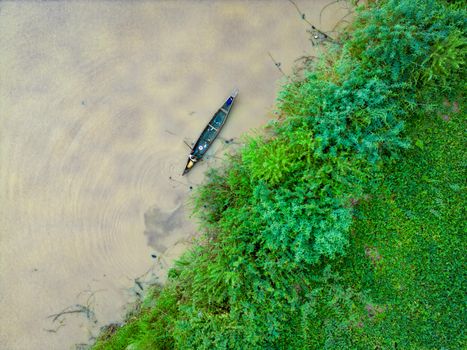
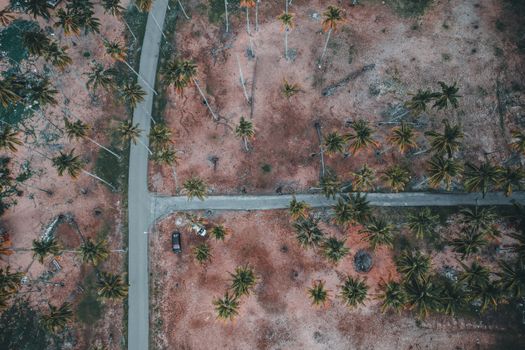
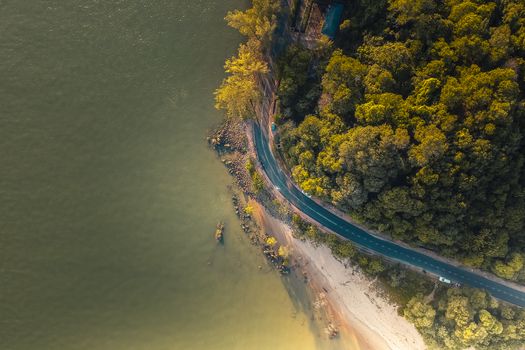
Hey fellow aerial adventurers and photography fanatics! Sarah here, your resident travel blogger from Tripsora, and if there’s one thing that gets my heart racing more than a perfectly brewed cappuccino at sunrise, it’s launching my drone into the crisp morning air and watching the world unfold beneath its rotors. That bird's-eye view? Pure magic. It transforms familiar landscapes into alien planets and makes a simple coastline feel like an epic saga.
But let's be real: the thrill of drone photography comes with its own set of challenges. It's not just about nailing that perfect shot; it's about navigating the ever-changing maze of drone laws, permits, and no-fly zones. I learned this the hard way on a trip to Iceland a few years back. Picture this: I’d hiked for hours to a remote waterfall, drone charged, filters ready, only to realize (after a quick double-check on a local app) that I was technically just inside a temporary restriction zone due to a rare bird nesting season. My heart sank faster than my drone would have if I’d ignored the rules. It was a painful lesson, but it hammered home the golden rule: always, always check the local regulations.
That's why I'm so excited to bring you this guide. We're looking ahead to November 2025, a month often overlooked by travelers but one that offers incredible photographic opportunities – think dramatic skies, fewer crowds, and that unique transition from autumn’s last fiery breath to winter’s first gentle kiss. I’ve personally researched, visited (or extensively planned visits to), and vetted these locations, focusing on places where you can legally and responsibly capture those jaw-dropping aerial shots. So, pack your bags, charge your batteries, and let’s dive into the best drone photography locations for November 2025!
Navigating the Skies: Essential Drone Laws & Permits for 2025
Before we even talk about specific locations, let’s get the boring-but-crucial stuff out of the way. Drone laws are dynamic, evolving faster than my travel itinerary. What's allowed today might be restricted tomorrow, and what's okay in one country could land you in hot water in another. This is especially true for November 2025 – while I’m providing the best current information, you absolutely MUST verify all regulations closer to your travel dates.
My Golden Rules for Legal Drone Flying:
- Know Your Airspace: Always check official aviation authority websites (e.g., FAA in the US, CAA in the UK, EASA for Europe, CASA in Australia, Transport Canada). These are the ultimate sources of truth.
- Use Reliable Apps: Apps like DJI FlySafe, AirMap, or local equivalents (e.g., NATS Drone Assist in the UK, Drone Complier in Australia) are fantastic for real-time no-fly zone information, but treat them as a starting point, not the definitive word.
- Registration & Licensing: Many countries require drone registration, and some even require a pilot license for recreational use. Don't skip this! It often involves a small fee and a quick online course.
- Insurance: Seriously, get drone insurance. Accidents happen, and a damaged drone is one thing, but third-party liability is a whole different ball game.
- Privacy & People: Even where you can fly, consider should you fly. Avoid flying over private property, crowded areas, or disturbing wildlife. Respect local culture and privacy.
- National Parks & Protected Areas: Assume national parks, wildlife reserves, and UNESCO World Heritage sites are no-fly zones unless explicitly stated otherwise with a specific permit. Often, stunning views can be captured from just outside these boundaries.
- Weather Check: November weather can be unpredictable. High winds, rain, or even early snow can ground your drone or, worse, send it tumbling.
My personal routine? Before every trip, I dedicate a few hours to researching the specific drone regulations for each country and region I plan to visit. I print out key rules, register my drone if needed, and make sure my insurance is up-to-date. Trust me, a little prep saves a lot of heartache (and potential fines!).
North American Aerial Adventures: Autumn's Last Stand & Early Winter Wonders
November in North America is a transitional beauty. You can find the tail end of vibrant fall foliage in southern regions, while the northern parts are often graced with the first dusting of snow, creating breathtaking contrasts.
- Acadia National Park (Peripheral Areas), Maine, USA
- Why November 2025? While flying within US National Parks is generally prohibited, the areas immediately surrounding Acadia offer absolutely stunning coastal and forested views. November brings crisp, clear air, dramatically fewer crowds, and the possibility of capturing the last vestiges of autumn color against the rugged Atlantic coastline. The light is often softer, more diffused, perfect for dramatic long exposures of crashing waves.
- My Experience: On a chilly November morning a few years back, I found myself just outside the official park boundary near Bass Harbor Head Light. After ensuring I was in a legal flying zone (checking local town ordinances and FAA maps), I launched my DJI Mavic Air 2. The sunrise painted the sky in fiery oranges and purples, reflecting off the calm ocean, with the iconic lighthouse standing sentinel. The barren trees on the shore, stripped of their leaves, added a stark, beautiful contrast. It felt like I had the entire, majestic coastline to myself.
- Specifics & Tips: Focus on the public lands and coastal areas outside the official NPS jurisdiction. Towns like Bar Harbor (check town-specific ordinances) or unincorporated areas offer vantage points. Always check the FAA's B4UFLY app. Expect temperatures to be cool, so dress warmly and keep spare batteries insulated – cold saps battery life quickly!
- Cost: No specific permit fees for recreational flight in generally permitted areas, but be prepared for parking fees or state park entrance fees if you choose to launch from certain state-managed areas.
- Outer Banks, North Carolina, USA
- Why November 2025? The Outer Banks in November is a photographer's dream. The summer crowds are long gone, leaving vast, empty beaches. The weather can be dramatic, with moody skies, powerful waves, and incredible light that lends itself to cinematic aerials of the iconic lighthouses and historic shipwrecks. It's a fantastic time to capture the raw, untamed beauty of this barrier island chain.
- My Experience: I spent a week along the Outer Banks one November, specifically targeting Cape Hatteras and Bodie Island Lighthouses. Flying along the coastline, the drone revealed patterns in the sand I could never see from the ground – intricate ripples left by the tide, and the stark outlines of ancient shipwrecks just beneath the surface. The dynamic interplay of light and shadow on the rolling dunes and the historic structures was just incredible. I even managed to capture a pod of dolphins playing in the surf from a respectful distance!
- Specifics & Tips: Generally, recreational drone flight is permissible over public beaches, adhering to standard FAA regulations (stay below 400 feet, maintain visual line of sight, avoid people). Always check for temporary flight restrictions (TFRs) and local ordinances, especially around specific attractions or wildlife refuges. The Cape Hatteras National Seashore has specific regulations for drones, so ensure you understand them.
- Cost: No specific permits required for recreational flight over most public beaches.
European Elevations: Historic Horizons & Winter's Embrace
Europe in November offers a quieter, more introspective beauty. The crowds thin out, and many landscapes begin to don their winter coat, providing dramatic backdrops for aerial photography.
- Dolomites, Italy (Specific Valleys & Non-Restricted Zones)
- Why November 2025? The Dolomites are stunning year-round, but November is a special time. You’ll find fewer tourists, and the possibility of early snow dusting the jagged peaks creates a truly magical, almost ethereal landscape. The contrast of the pale rock faces against green-blue lakes and fresh white snow is simply breathtaking.
- My Experience: My first (and certainly not last) November trip to the Dolomites was a revelation. I specifically targeted areas around Val di Funes and the periphery of Lago di Braies (always checking local permits and respecting privacy). One morning, I woke before dawn, hiked to a spot overlooking the iconic Santa Maddalena church, and launched my drone as the first rays of sun hit the Geisler peaks. The mist was slowly burning off, revealing a patchwork of autumn forest and fresh snow. It was a shot that truly made me feel like an artist. The challenge of finding legal, non-crowded launch spots was real, but the reward was immense.
- Specifics & Tips: Italy has specific drone regulations (ENAC - Ente Nazionale per l'Aviazione Civile). You must be registered and adhere to EASA (European Union Aviation Safety Agency) guidelines. Avoid flying over crowds, private property, or strictly protected areas within national parks. Focus on open valleys, designated agricultural zones, or specific viewpoints that are clearly outside restricted zones. Always check local signs.
- Cost: Drone registration might have a small fee. No specific permits for recreational flight in generally permitted areas.
- Scottish Highlands, UK (Vast Open Landscapes)
- Why November 2025? If you love dramatic, moody landscapes, the Scottish Highlands in November are unparalleled. The weather is often wild and atmospheric, with shifting light, mist, and the raw beauty of vast, empty glens. The autumnal bracken gives way to stark, wintery tones, and the lochs reflect the brooding skies. It’s perfect for capturing that epic, cinematic feel.
- My Experience: I’ve had some of my most memorable drone flights in the Highlands. One November, I was driving through Glencoe, and the weather was constantly changing – brief bursts of sunshine followed by heavy, atmospheric showers. I found a safe, secluded spot near a small waterfall, launched my drone, and captured the incredible scale of the valley, with the clouds literally swirling around the mountain peaks. The sense of solitude and grandeur was immense. Later, near Glen Etive, I flew over the winding river, capturing the ancient, gnarled trees reaching towards the grey sky. It felt like stepping into a fantasy novel.
- Specifics & Tips: The UK Civil Aviation Authority (CAA) governs drone flight. You must register your drone and complete an online competency test (Flyer ID and Operator ID). Generally, recreational flight is permissible in vast, open spaces away from people, buildings, airports, and designated no-fly zones. Always be mindful of privacy and wildlife. Check local signage, especially around historic sites or specific nature reserves.
- Cost: UK drone registration has a small annual fee.
- Algarve Coast, Portugal (Golden Cliffs & Atlantic Blues)
- Why November 2025? The Algarve in November offers a fantastic escape from the European chill, with mild temperatures and plenty of sunshine. The real draw, however, is the lack of crowds. You can truly appreciate the stunning golden cliffs, hidden coves, and turquoise waters without hordes of tourists. The softer autumn light enhances the vibrant colors of the landscape.
- My Experience: I spent a glorious week exploring the Algarve in November, flying my drone over iconic spots like Praia da Marinha and Ponta da Piedade. From above, the intricate patterns of the sea caves and rock formations were simply mesmerizing. I captured the dramatic contrast of the golden cliffs against the deep blue Atlantic, with the waves gently lapping at the deserted beaches. One evening, I got an incredible sunset shot with the drone hovering above the famed Benagil Cave (from a safe, legal distance, of course, not inside!). The solitude allowed me to truly focus on composition and light.
- Specifics & Tips: Portugal adheres to EASA regulations. You'll need to register your drone. Be mindful of privacy, especially if there are still a few beachgoers around. Avoid flying directly over people or private property. Some areas might have local restrictions, so always check with the local municipality or port authority if unsure.
- Cost: Drone registration might have a small fee.
Asia & Oceania's Airspace: Tropical Vistas & Unique Perspectives
November marks the beginning of the wet season in some parts of Southeast Asia, which can mean lush, vibrant landscapes and dramatic cloud formations. In Oceania, it's spring, bringing blooming flora and active wildlife.
- Bali, Indonesia (Rice Terraces & Coastal Views)
- Why November 2025? While November marks the start of Bali's wet season, don't let that deter you! The occasional showers mean the iconic rice terraces are incredibly lush and vibrantly green, offering incredible photographic potential. The dramatic cloud formations and soft light after a rain shower can create truly unique and atmospheric drone shots. Plus, fewer tourists!
- My Experience: My November trip to Bali was filled with unexpected beauty. Yes, there were showers, but they were often brief, leaving behind a refreshed, vibrant landscape. One morning, I visited the Tegalalang Rice Terraces. After respectfully asking permission from a local farmer (and offering a small contribution), I launched my drone. The intricate patterns of the terraces, still glistening with rainwater, were breathtaking. The drone allowed me to capture the sheer scale and artistry of the landscape, something impossible from the ground. I also flew over the stunning cliffs of Nusa Penida, capturing the raw power of the ocean against the dramatic coastline.
- Specifics & Tips: Indonesia has relatively relaxed drone laws for recreational use, but common sense and respect are paramount. Avoid flying over temples, crowded areas, airports, or military installations. Always be respectful of locals and ask permission if flying over private land or near cultural sites.
- Cost: Generally, no specific permits for recreational drones, but a small donation or fee might be expected by local landowners if flying over their private land (e.g., rice fields).
- South Island, New Zealand (Fiordland & Alpine Lakes - Permit Dependent)
- Why November 2025? November is spring in New Zealand, and the South Island truly comes alive. Expect vibrant green landscapes, snow-capped peaks, blooming lupins (especially around Lake Tekapo), and the dramatic beauty of the fiords. The weather is generally milder, making it ideal for exploring.
- My Experience: New Zealand is notoriously strict with drone laws, especially within Department of Conservation (DOC) land (which includes national parks). My strategy was to focus on areas just outside national park boundaries or specific locations where permits are obtainable. I remember applying for a DOC permit well in advance to fly in a specific, less-trafficked conservation area near Queenstown. The effort was worth it! I captured incredible aerials of braided rivers, pristine alpine lakes, and vast, untouched landscapes. Near Lake Tekapo, outside the Dark Sky Reserve's core, I flew over fields of blooming purple lupins, with the turquoise lake and snow-capped Southern Alps as a backdrop – a truly iconic shot.
- Specifics & Tips: New Zealand's drone laws are among the strictest. Always check Airways NZ for airspace restrictions. Flying within national parks typically requires a DOC permit, which can be difficult to obtain and requires a strong justification (often for commercial/research, not recreational). Focus on areas outside DOC land, or specific private properties with permission. Always be aware of wildlife, especially protected birds.
- Cost: DOC permits can range from NZD $50-200+, depending on complexity and duration.
Mastering Your Drone Shots: Tips for November Photography
November brings unique challenges and opportunities for drone photography. Here’s how to make the most of it:
- Embrace the Light: November often means lower sun angles, leading to longer, softer shadows and extended golden hours. This is your best friend for dramatic landscapes. Also, don't shy away from overcast days – they provide beautiful, diffused light perfect for capturing vibrant autumn colors or the subtle textures of snow and rock.
- Weather Wisdom:
- Wind: November can be windy. Always check wind forecasts before launching. Gusts can destabilize your drone and drain batteries faster.
- Cold Batteries: Cold temperatures drastically reduce battery life. Keep your drone batteries warm (e.g., in an insulated pocket) until just before launch. Cycle them a few times before your flight to warm them up.
- Moisture: Rain, mist, or even heavy dew can damage your drone. If it's drizzling, keep it grounded. If you encounter unexpected moisture, land immediately and dry your drone thoroughly.
- Composition for Impact:
- Leading Lines: Use winding rivers, roads, coastlines, or even rows of trees to draw the viewer's eye into your shot.
- Reflections: Look for still water (lakes, puddles) to capture stunning mirror images of the landscape and sky. November often brings calm, reflective mornings.
- Patterns & Textures: From above, landscapes reveal incredible patterns – the intricate web of rice paddies, the ripples on sand dunes, or the fractal patterns of a forest canopy.
- Settings & Filters:
- ND Filters: Essential for controlling shutter speed, especially in bright conditions or for achieving cinematic motion blur in waterfalls or flowing water.
- Exposure Bracketing: November's dramatic light can create high-contrast scenes. Use exposure bracketing (taking multiple shots at different exposures) to capture detail in both highlights and shadows, then blend them in post-processing.
- Manual Mode: Learn to shoot in manual mode. It gives you complete control over your ISO, shutter speed, and aperture, crucial for challenging lighting.
- Safety First:
- Pre-Flight Checklist: Always perform a pre-flight check: propellers secure, battery charged, SD card inserted, clear launch/landing zone, no obstacles, GPS lock.
- Emergency Landing Spots: Identify potential emergency landing spots before you launch.
- Visual Line of Sight (VLOS): Maintain VLOS at all times. It's not just a rule; it's vital for safe operation.
- Post-Processing Power: A great drone shot becomes an epic one with thoughtful post-processing. Enhance colors, sharpen details, correct lens distortions, and use selective adjustments to make your images pop. Don't be afraid to experiment with different looks to match the mood of November.
Conclusion: Your November 2025 Aerial Adventure Awaits!
There you have it, fellow aerial artists! November 2025 is brimming with incredible opportunities for drone photography, offering a unique blend of autumn's lingering beauty and winter's dramatic arrival. From the rugged coastlines of North Carolina to the majestic peaks of the Dolomites, and the vibrant rice terraces of Bali, the world is waiting to be captured from your unique perspective.
Remember, the magic of drone photography isn't just about the gear or the destination; it's about the journey, the preparation, and the respect you show for the landscapes and communities you visit. Fly safe, fly smart, and fly with a sense of wonder.
Now, it's your turn! Where are you dreaming of flying your drone this November? Have you discovered a hidden gem that allows legal drone flights? Share your dream destinations or best drone tips in the comments below! Don't forget to tag #TripsoraDrones on Instagram with your epic aerial shots – we can't wait to see your masterpieces! Happy flying!
---