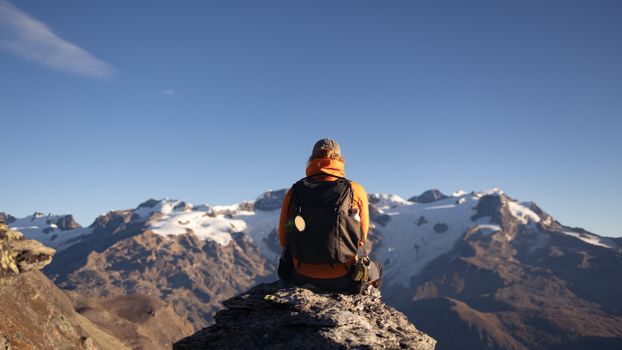
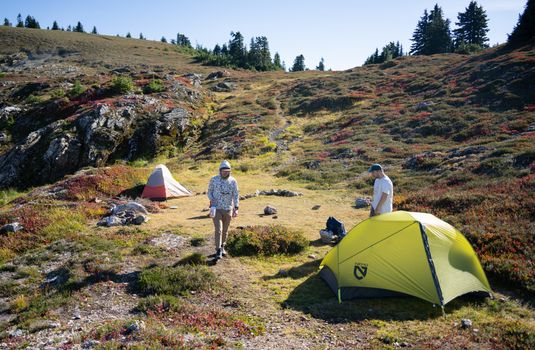
An overnight hike to a sunrise viewpoint combines the rewards of a long walk with the quiet of a night outdoors and the drama of watching light return to a landscape. Such trips usually involve a moderate climb in the afternoon or evening, a night at a campsite, hut or sheltered spot, and an early start to reach the summit or ridge before dawn. They can suit walkers with a reasonable level of fitness and some experience of camping. Careful planning, sensible gear and attention to weather make the difference between a magical morning and an uncomfortable night. This guide offers a practical framework.
Choosing a route
Look for a trail with a clear path, a manageable distance and a total ascent that suits your fitness. Many sunrise routes are short in distance but steep, so consider elevation gain as much as kilometers. Check whether the trail is well marked and whether it has a safe alternative in case of poor weather. Official park or trail websites often provide route descriptions and current conditions. Choose a route you can descend in the dark if necessary, although it is usually better to avoid walking downhill at night.
Shelter options
Overnight options include designated campsites, mountain huts, shelters, and in some areas, wild camping where permitted. Huts may need advance booking and may have seasonal opening periods. Campsites often have water and toilets, while wild camping demands strict leave-no-trace practice and an understanding of local rules. Confirm whether fires are allowed and whether you must carry out waste. If you are unsure, a hut or campsite is often the more comfortable and reliable choice.
Timing the sunrise
Sunrise time changes with the season and location, so check an accurate source before you set your alarm. Plan to arrive at the viewpoint at least thirty minutes before the sun rises to allow time to find a spot and settle. Consider the direction of the view, since some viewpoints face east over a valley or sea while others look toward distant peaks. Cloud cover is the main variable, and a clear forecast is essential for a good sunrise.
Gear for cold, dark conditions
Temperatures at altitude or near water can fall sharply after dark, and wind can make conditions feel colder. Pack a warm insulating layer, a waterproof jacket, gloves and a hat, even in summer. A headtorch with spare batteries is essential, and a second light source is wise. Bring enough water, high-energy food and a stove only if fires and stoves are allowed. A lightweight sleeping bag and mat help with comfort, and a first-aid kit should be included.
Safety in the dark
Walking in the dark requires care. Keep a steady pace, watch footing on uneven ground, and stay on marked trails. Tell someone your route and expected return time, and carry a charged phone and offline maps. Be aware of weather changes, which can arrive quickly in mountains. If conditions deteriorate, turn back rather than pushing on. Respect any closures, and check for avalanche or rockfall warnings where relevant.
Leaving the viewpoint
Once the sun is up, many walkers linger to take photographs or enjoy breakfast. Take care on any exposed rock, and keep children close to the edge. Pack up all waste and any belongings before descending, and leave the site as you found it. Descend in daylight with enough energy for the remainder of the route.
Practical tips
Check the forecast the day before and again on the morning of the hike. Start with a shorter overnight trip if you are new to camping in cold conditions. Test your pack and boots before the trip, and break in footwear. Carry a map, compass or offline navigation tool, and know how to use them. Eat a substantial meal before the evening climb and keep snacks handy. Finally, keep your expectations flexible, since clouds or wind may change the view, and the walk itself is often as memorable as the sunrise.
Common mistakes to avoid
A common error is packing far more than the walk requires. Heavy bags make steep sections harder and can increase the risk of a fall. Another is leaving the descent plan vague, so that the return route is unclear in poor light. Some walkers ignore the altitude of the route and go up quickly, which can bring unpleasant symptoms for some people, so checking elevation and allowing time to adjust is sensible. Others underestimate how long the evening climb will take, particularly when the trail is steep or rocky. It is also easy to forget that a viewpoint may be exposed to wind even on a calm valley floor. Planning the timing, the load and the route together reduces these problems and makes the early start more comfortable.
Who this suits and who it doesn't
Overnight sunrise hikes can suit walkers with moderate fitness who have some experience of camping and who are comfortable with early starts and cold conditions. They often appeal to people who enjoy quiet trails, photography and the slower rhythm of a night outdoors. They may be less suitable for anyone with heart or breathing conditions that have not been discussed with a clinician, for those who find dark trails unsettling, and for walkers who have not yet tested their gear on a shorter trip. Families with older children may enjoy a well-chosen route, but the suitability of any walk depends on the terrain and the weather. A shorter overnight trip is often a better first step for those who are unsure.
Frequently asked questions
Do I need a guide?
It depends on the route, the terrain and the conditions. A guide can be valuable on unfamiliar or exposed ground, and in poor weather. Choose a route that matches your navigation skills if you go alone.
Can I walk solo?
Many people do, but tell someone your plan and your expected return time. Solo walking makes careful pacing, navigation and the decision to turn back even more important.
How early should I start?
Work backwards from a reliable sunrise time, allowing for the walk, the cold and the need to find a spot. Starting earlier than you think necessary often makes the morning less stressful.
An overnight hike to a sunrise viewpoint can be one of the most rewarding walks in the outdoors. With a suitable route, reliable shelter, warm clothing and cautious navigation in the dark, you can enjoy quiet trails and a dawn that feels earned.