The First-Trip Trap vs. The Repeat Magnet
I stepped off the local Randen tram line into Kyoto’s Arashiyama district at 6:15 AM. The morning mist was suspended over the Oi River like wet muslin, smelling faint of damp cedar and charcoal smoke from neighborhood tea houses firing up their stoves. On my first visit to Japan seven years ago, I fell into the classic tourist trap: I rushed between check-list sights, elbowing through crowd surges at Fushimi Inari, and convinced myself I had "done" Kyoto.
I was dead wrong.
It wasn't until my third visit—standing in a centuries-old kissaten coffee shop sipping dark roast brew while the shopkeeper hand-carved ice—that I realized why certain places command a staggering 60% or higher return visitor rate. They aren't single-use stage sets. They are dynamic, deeply layered eco-systems where every alleyway change, seasonal shift, and culinary nuance rewards those who return.
If you are tired of destination burnout, here are the world’s ultimate destinations with highest repeat visitor rates worth considering—and the insider secrets to unlocked potential on your second, third, or tenth trip.
---
1. Kyoto, Japan: The City That Rewrites Itself Every Season
Kyoto doesn't just change weather; it completely re-invents its personality four times a year. First-timers come for the cherry blossoms; repeaters return for the fire-red maples of Koyo in late November, the silent snowfalls over the moss gardens of Ohara in January, and the summer night din of dining on kawayuka platforms built over the Kibune River.
```
+-----------------------------------------------------------------------+
| REPEAT VISITOR METRIC |
| Est. Return Rate: ~68% (Domestic & Int'l returners) |
| Primary Driver: Seasonal culinary shifts (Kyo-kaiseki) & micro-seasons|
+-----------------------------------------------------------------------+
```
The Unseen Layer
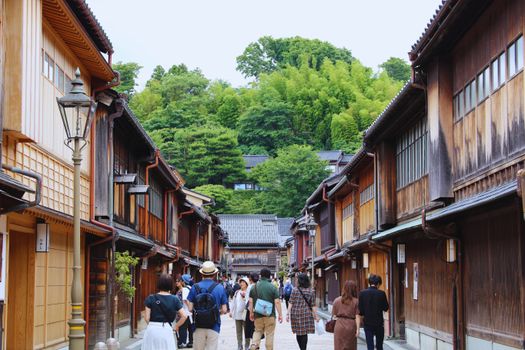
Beyond the golden pavilions lies an intricate network of machiya (traditional wooden townhouses) converted into craft gin distilleries, contemporary pottery studios, and hidden vinyl bars.
Pro-Tips for Returners
* Skip the Bamboo Grove: Head instead to the moss garden of Gio-ji Temple at 8:30 AM when gates open. The green hue under the canopy is almost neon.
* The Hidden Entrance: Search for Bar Rocking Chair. Look for an unlit wooden lantern down a alley off Pontocho. Inside, world-class mixologists craft cocktails based on your exact mood while you sit in mid-century rocking chairs around an open hearth.
* Transport Hack: Avoid the packed city buses. Rent an electric-assist bicycle from KCTP near Kyoto Station; you can cross the entire basin using back-alley cycling routes along the Kamo River canal.
---
2. Oaxaca City, Mexico: The Culinary & Spirit Pilgrimage
Ask ten seasoned travelers where they would choose to eat for the rest of their lives, and half will say Oaxaca. While Cancun pulls sunseekers, Oaxaca City retains an astounding rate of return travel due to one primary factor: culinary frictionlessness paired with indigenous living culture.
```
+-----------------------------------------------------------------------+
| REPEAT VISITOR METRIC |
| Est. Return Rate: ~54% |
| Primary Driver: Complex food heritage (7 Moles), ancestral mezcal |
+-----------------------------------------------------------------------+
```
Beyond the Zócalo
Your first trip to Oaxaca is for the visual feast: the pastel facades, the Zócalo energy, and tasting a basic Mole Negro. Your second trip is about the micro-climes of the Central Valleys, seeking out small-batch palenques where wild agave (Tepeztate and Tobalá) are still crushed by horse-pulled stone wheels and distilled in clay pots.
Pro-Tips for Returners
* The Sunday Ritual: Skip the town center market and take a 45-minute colectivo taxi to the Tlacolula Sunday Market. It is one of the oldest continuously operating markets in Mesoamerica. Order roasted barbacoa de borrego (lamb) eaten straight off butcher paper with wild cilantro.
* The Mezcal Secret: Avoid commercial tasting rooms on Calle Macedonio Alcalá. Book a private tasting at In Situ Mezcaleria with master curator Ulises Torrentera, who will walk you through single-village, ancestral distillations that taste of woodsmoke, wet slate, and wild herbs.
---
3. South Tyrol & The Dolomites, Italy: Where the Alps Meet the Mediterranean
South Tyrol (Südtirol) feels like a grand geography cheat code. Sitting on the northern border of Italy, this autonomous region blends Austrian alpine precision with Italian dolce vita. People don't visit the Dolomites once; they buy a summer hiking kit, return in winter for ski circuits, and come back in autumn for the Törggelen wine harvest festival.
```
+-----------------------------------------------------------------------+
| REPEAT VISITOR METRIC |
| Est. Return Rate: ~62% |
| Primary Driver: Dual culture, Michelin alpine dining, year-round sport|
+-----------------------------------------------------------------------+
```
The Ladin Factor
What keeps travelers addicted is the unique Ladin culture—a distinct Rhaeto-Romance linguistic group living in valleys like Val Badia. The food here isn't standard Italian pasta; it’s hand-folded Schlutzkrapfen (spinach ravioli) served alongside local Schiava red wine in 500-year-old wooden Stuben.
Pro-Tips for Returners
* Beat the Tre Cime Crowds: Instead of fighting thousands of tourists at Tre Cime di Lavaredo, drive up to the Cadini di Misurina trailheads at 6:00 AM.
* Refugio Secret: Hike to Rifugio Lagazuoi. You can sleep at 2,752 meters elevation, soak in an outdoor wood-fired sauna perched over an abyss, and eat venison ragù while watching the sun turn the limestone peaks pale pink (Enrosadira).
---
4. Crete, Greece: The Island Nation Within an Island
Crete is so vast and geographically diverse that locals don't view it as an island—they view it as a country. While island-hoppers spend two days in Santorini before flying home, travelers who land in Crete realize they could spend two months here and barely scratch the surface.
```
+-----------------------------------------------------------------------+
| REPEAT VISITOR METRIC |
| Est. Return Rate: ~58% |
| Primary Driver: Hyper-regional food micro-cultures, wild gorges |
+-----------------------------------------------------------------------+
```
The West vs. East Divide
First visits cover the Venetian harbor of Chania and the turquoise lagoon of Balos. Return visits pivot south to the untamed, roadless coastlines of Sfakiá, where dramatic limestone gorges plunge directly into the Libyan Sea.
Pro-Tips for Returners
* The Gorge Alternative: The famous Samaria Gorge gets thousands of walkers a day. Swap it for Imbros Gorge or Aradena Gorge. Aradena ends at Marmara Beach, accessible only on foot or by boat, where you can swim straight out of the canyon into deep teal waters.
* Authentic Dining: Drive into the White Mountains (Lefka Ori) to the eco-village of Milia. There is no electricity from the grid; food is cooked over open fire pits using wild greens (horta), mountain goat cooked in olive oil (tsigariasto), and home-brewed tsikoudia.
---
5. Cape Town, South Africa: The Raw Edge of the World
Few cities hit you with the raw physical impact of Cape Town. A giant sandstone mountain looms over two colliding oceans, surrounded by ancient ocean-side forests, surf beaches, and world-class wine valleys. It is cheap, beautiful, visually dramatic, and incredibly complex—a recipe that creates instant travel obsessions.
```
+-----------------------------------------------------------------------+
| REPEAT VISITOR METRIC |
| Est. Return Rate: ~51% |
| Primary Driver: High luxury/value ratio, outdoor lifestyle, wine valleys|
+-----------------------------------------------------------------------+
```
The Lifestyle Magnet
Repeaters rarely stay in waterfront hotels. They rent apartments in Kalk Bay or Green Point, start their mornings with icy dips in granite tidal pools, spend afternoons wine-tasting in the Hemel-en-Aarde Valley, and end their evenings watching Atlantic sunsets with a bottle of Pinotage.
Pro-Tips for Returners
* The Sunrise Dip: Join the locals at Dalebrook Tidal Pool in Kalk Bay at 6:30 AM. After swimming in the cold Benguela current, walk across the train tracks to Skenes or Dalebrook Café for freshly baked sourdough and flat whites.
* Wine Without the Crowds: Skip the main commercial farms in Stellenbosch. Drive 45 minutes to the Hemel-en-Aarde Valley near Hermanus. Visit Ataraxia, a chapel-like tasting room sitting on high ridge lines producing Burgundy-rivaling Chardonnays.
---
Quick Logistics & Travel Facts
| Destination | Best Time for Returners | Avg Daily Budget ($ USD) | Getting Around | Repeat Highlight |
| :--- | :--- | :--- | :--- | :--- |
| Kyoto, Japan | Nov (Autumn) or Feb (Plum/Snow) | $120 - $250 | Bicycle & Randen Tram | Suburban temple moss gardens |
| Oaxaca, Mexico | Late Oct - Nov / March | $70 - $160 | Walkable city center / Colectivos | Sunday indigenous markets |
| South Tyrol, Italy | Sept - Oct (Harvest) / Jan | $180 - $350 | Rental car (AWD recommended) | High-altitude Refugio dining |
| Crete, Greece | May or Sept - Oct | $80 - $180 | Rental car (essential) | South coast boat-in coves |
| Cape Town, S. Africa| Feb - April (Late Summer) | $90 - $220 | Uber / Rental car | Tidal pools & cool-climate wine |
---
The Repeat Visitor’s Playbook: How to Revisit Without Getting Bored
If you are planning to return to a place you once loved, you must break the traditional travel pattern. Here is the framework for your second trip:
- Throw Out the Top 10 List: If you visited the primary icon on trip one, ban yourself from going within a mile of it on trip two.
- Stay in a Residential Neighborhood: Swap central hotels for residential neighborhood rentals (e.g., Nishijin in Kyoto, Jalatlaco in Oaxaca, or Muizenberg in Cape Town).
- Follow a Single Interest: Base your second trip entirely around a hyper-specific passion: natural wines, pottery traditions, coastal hikes, or modernist architecture.
- Travel in the Shoulder-Off Season: A city’s true character only reveals itself when the transient tourist crowds leave and locals reclaim their daily rhythms.
```
[TRIP 1: BUCKET LIST] ──> Rushed ──> Sights ──> Surface Level
│
▼
[TRIP 2: IMMERSION] ──> Slow ──> Rituals ──> Deep Connection
```
When you stop treating travel like a shopping cart of sights to collect, you unlock the transformative power of return travel. These high-repeat destinations prove that sometimes, the best new place to visit is the one you’ve already been to.
---