The Hook: A Symphony of Silence and Spice
I stepped off the train and into a different world. The air, usually thick with the diesel fumes of behemoth vessels and the cacophony of thousands of disembarking passengers, was instead alive with the gentle lapping of water against weathered stone, the murmur of local chatter from a nearby market, and the intoxicating perfume of freshly baked bread mingling with the salty kiss of the sea. No giant ferries disgorged their legions; instead, I saw colorful fishing boats bobbing gently, their nets drying in the sun, and a handful of independent travelers, like myself, weaving through narrow, cobbled lanes. This, I knew instantly, was the kind of travel I craved – raw, real, and refreshingly un-crowded.
The Rise of the Cruise-Free Haven: Why Destinations are Saying "No More"
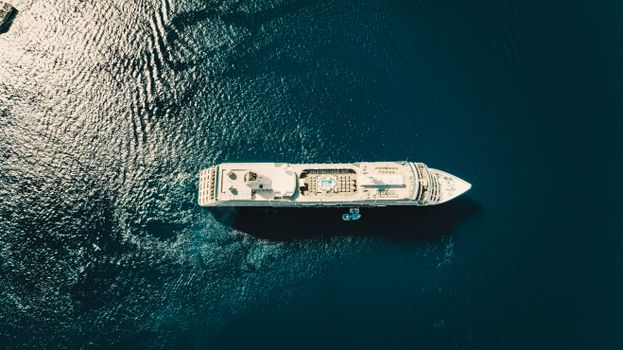
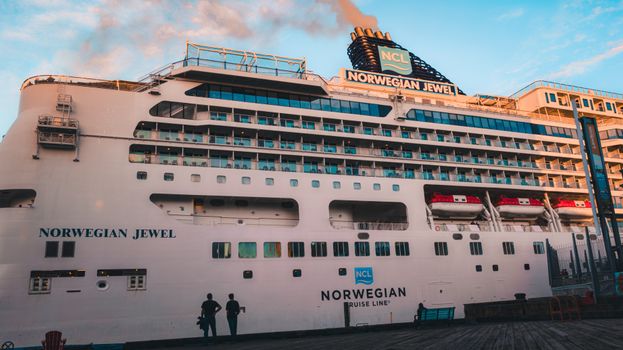
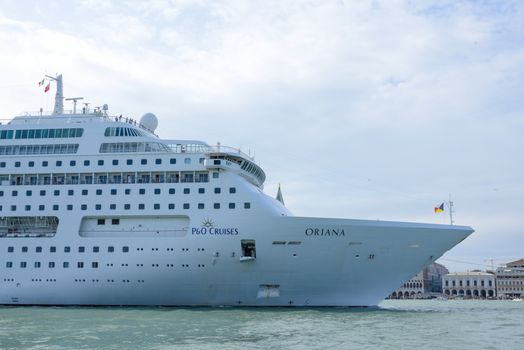
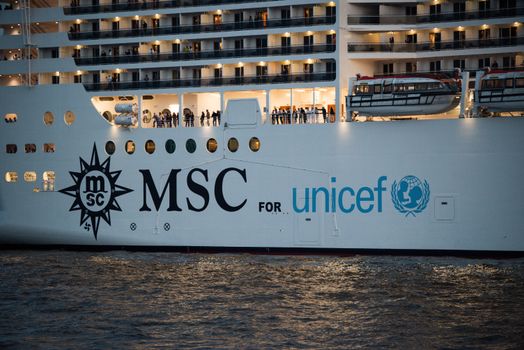
The allure of a cruise ship is undeniable: convenience, all-inclusive packages, and a whirlwind tour of multiple destinations. But for many of the world's most treasured places, this convenience comes at a steep price. Overtourism, environmental degradation, and the erosion of local culture have become pressing concerns. Destinations like Venice, Dubrovnik, and Mallorca have taken bold steps, implementing bans or severe restrictions on large cruise ships. This isn't about rejecting tourism; it's about redefining it. It's about prioritizing quality over quantity, sustainability over short-term economic gains, and authentic experiences over superficial snapshots. And the good news? These places aren't just surviving; they're thriving.
The Ripple Effect: How Cruise Ship Bans Boost Local Economies and Culture
When the massive cruise ships depart, a different kind of energy flows in. Local businesses, from artisan workshops to family-run trattorias, see a resurgence. Travelers who arrive independently are more likely to explore deeper, engage with the community, and spend their money where it truly counts – directly supporting the people who call these places home. The pressure on infrastructure eases, allowing for more mindful development and preservation of historical sites. Cultural traditions, often diluted to cater to mass tourism, can flourish again. It’s a win-win: travelers get a more genuine experience, and the destinations retain their soul.
Destinations Worthy of Your Passport: Where to Go Now
Let's dive into some of the most compelling destinations that have embraced a cruise-free future and are beckoning independent explorers.
1. The Enchanting Isles of the Azores, Portugal: Atlantic Eden
Why it's thriving:
This volcanic archipelago in the mid-Atlantic has become a beacon of sustainable tourism. The Azorean government has been proactive in managing visitor numbers and promoting eco-friendly activities, making it a paradise for nature lovers and those seeking tranquility.
What makes it special:
Imagine emerald green landscapes dotted with hydrangeas, volcanic craters holding sapphire-blue lakes, and steaming hot springs. The pace of life is slow and intentional. You can hike through ancient laurel forests, spot whales and dolphins on boat tours (with strict regulations), and savor the unique Azorean cuisine, like cozido das Furnas (a stew cooked underground by volcanic heat).
Pro-Tip:
On São Miguel, the largest island, visit Sete Cidades at sunrise. The mist often clears to reveal the iconic twin lakes, a truly magical sight. For an even more secluded experience, explore the smaller islands like Flores or Corvo.
Quick Facts: The Azores
| Feature | Details |
| :------------- | :--------------------------------------------------------------------- |
| Estimated Cost ($) | $$ - $$$ (Mid-range, depending on island and activities) |
| Best Time to Visit | May to September (pleasant weather, blooming flora) |
| How to Get There | Flights to Ponta Delgada (PDL) on São Miguel from Lisbon, Porto, or select European/North American cities. Inter-island flights available. |
2. Kotor, Montenegro: Adriatic Jewel Box
Why it's thriving:
While Kotor has historically seen cruise ship traffic, the town has been increasingly vocal about its desire to limit their impact. By focusing on independent travelers and smaller, luxury yachts, Kotor is preserving its UNESCO World Heritage status and its enchanting medieval charm.
What makes it special:
Nestled at the end of a stunning fjord-like bay, Kotor is a labyrinth of narrow streets, ancient churches, and charming squares. The imposing city walls, which snake up the mountainside, offer breathtaking panoramic views. The atmosphere is a captivating blend of Venetian architecture and Balkan spirit. Don't miss exploring the Perast, a picturesque nearby town, or taking a boat trip to Our Lady of the Rocks, a man-made island with a beautiful church.
Pro-Tip:
Hike the ancient fortifications to the top of St. John's Fortress at least two hours before sunset. The climb is challenging but the golden light illuminating the bay and the red-tiled roofs is unparalleled.
Quick Facts: Kotor
| Feature | Details |
| :------------- | :--------------------------------------------------------------------- |
| Estimated Cost ($) | $$ - $$$ (Budget-friendly to mid-range) |
| Best Time to Visit | April to June, September to October (pleasant weather, fewer crowds) |
| How to Get There | Fly into Tivat (TIV) or Dubrovnik (DBV) in Croatia, then taxi/bus. |
3. Cinque Terre, Italy: Ligurian Coastal Charms
Why it's thriving:
The five villages of Cinque Terre have become fiercely protective of their delicate ecosystem and unique character. While they haven't implemented a full ban, they have severely restricted large cruise ship access, forcing visitors to arrive more intentionally via train or ferry.
What makes it special:
These postcard-perfect villages – Monterosso al Mare, Vernazza, Corniglia, Manarola, and Riomaggiore – cling precariously to the rugged Ligurian coastline. Terraced vineyards, colorful houses stacked against dramatic cliffs, and the shimmering turquoise sea create an unforgettable vista. Hiking the scenic trails connecting the villages is the ultimate way to experience their beauty. The local pesto, fresh seafood, and crisp Ligurian white wines are divine.
Pro-Tip:
Purchase the Cinque Terre Card for access to the hiking trails and unlimited train travel between the villages. Start your day early to beat the heat and the crowds, especially if hiking the famous Via dell'Amore (check its status, as it can be closed).
Quick Facts: Cinque Terre
| Feature | Details |
| :------------- | :--------------------------------------------------------------------- |
| Estimated Cost ($) | $$$ (Can be pricey due to popularity, but budget options exist) |
| Best Time to Visit | April to June, September to October (ideal weather, fewer tourists) |
| How to Get There | Train to La Spezia or Levanto, then local Cinque Terre train. Fly into Genoa (GOA) or Pisa (PSA). |
4. The Fjords of Norway (Select Ports): Sustainable Sailing
Why it's thriving:
While Norway's stunning fjords are a major draw, the country is increasingly implementing stricter regulations on cruise ships, especially in sensitive areas like Geirangerfjord and Nærøyfjord. This encourages smaller, more eco-friendly vessels and independent exploration.
What makes it special:
The Norwegian fjords are a testament to nature's raw power and beauty. Towering cliffs plunge into deep, emerald waters, dotted with tiny, picturesque villages. The air is crisp and clean. Beyond the visual spectacle, you can kayak through serene waters, hike to dramatic viewpoints, and experience the quiet majesty of these natural wonders without the overwhelming presence of mega-ships.
Pro-Tip:
Consider a smaller expedition cruise that focuses on sustainable practices and anchors in less-visited ports. Alternatively, explore the fjords by car or public ferry, allowing for more flexibility and deeper immersion. The Flåm Railway is a scenic journey not to be missed.
Quick Facts: Norwegian Fjords (Select Ports)
| Feature | Details |
| :------------- | :--------------------------------------------------------------------- |
| Estimated Cost ($) | $$$$ (Norway is generally expensive, but fjord access varies) |
| Best Time to Visit | May to September (long daylight hours, milder weather) |
| How to Get There | Fly into Bergen (BGO) or Oslo (OSL). Extensive ferry and train networks. |
5. The Islands of Palau: Pristine Pacific Paradise
Why it's thriving:
Palau has been a pioneer in marine conservation, implementing the Palau Pledge, a promise visitors make to protect the environment. They've also actively managed tourism, focusing on eco-tourism and limiting the impact of large vessels.
What makes it special:
This archipelago of over 500 islands is renowned for its crystal-clear waters, vibrant coral reefs, and unique marine life. Snorkeling and diving here are world-class, with highlights like the Jellyfish Lake (a unique ecosystem where jellyfish have lost their sting) and the Blue Corner (a famous dive site teeming with sharks). The Rock Islands Southern Lagoon, a UNESCO World Heritage site, is a surreal landscape of mushroom-shaped limestone islets.
Pro-Tip:
The Palau Pledge is legally binding – take it seriously! Respect marine life, avoid touching coral, and be mindful of your waste. Consider staying in eco-lodges and booking tours with operators committed to sustainability.
Quick Facts: Palau
| Feature | Details |
| :------------- | :--------------------------------------------------------------------- |
| Estimated Cost ($) | $$$$ (Remote location and conservation efforts make it pricier) |
| Best Time to Visit | December to April (dry season, calm seas) |
| How to Get There | Fly into Roman Tmetuchl International Airport (ROR) via Guam, Manila, or Taipei. |
The Future of Travel: Embracing Authenticity and Sustainability
The shift away from mass cruise tourism isn't just a trend; it's a movement. It's a recognition that the most rewarding travel experiences are those that connect us deeply with a place and its people, while leaving it better than we found it. These destinations, by saying "no" to overwhelming cruise ships, are paving the way for a more conscious and enriching form of exploration.
Insider Tips for the Independent Traveler:
- Research is Key: Understand the local culture and customs. Learn a few basic phrases in the local language.
- Embrace Slow Travel: Don't try to cram too much into one trip. Savor each destination.
- Support Local: Eat at local restaurants, buy from local artisans, and choose locally-owned accommodations.
- Be a Responsible Tourist: Minimize your environmental footprint. Respect wildlife and cultural heritage.
- Connect with Locals: Strike up conversations, ask for recommendations, and be open to new experiences.
Ready for an Adventure?
The world is full of incredible places waiting to be discovered, and by choosing destinations that prioritize authenticity and sustainability, you're not just having an amazing trip – you're contributing to a more positive future for travel. So, pack your bags, leave the mega-ship behind, and embark on an unforgettable journey.