The Hook: The Scent of Freedom and Flourishing Futures
I stepped off the train and into a symphony of sounds and scents that instantly told me I’d arrived somewhere special. It wasn't the cacophony of a bustling port, but the gentle hum of life lived at a human pace. The air, thick with the aroma of freshly baked bread and blooming jasmine, was a stark contrast to the diesel fumes I’d braced myself for. This was different. This was a place that had consciously chosen a different path, a path that was clearly leading to a vibrant, thriving present. I was in one of the growing number of destinations that had said a firm "no" to the behemoths of the cruise industry, and the results were nothing short of spectacular.
The Great Cruise Ship Exodus: Why Destinations Are Saying "No"
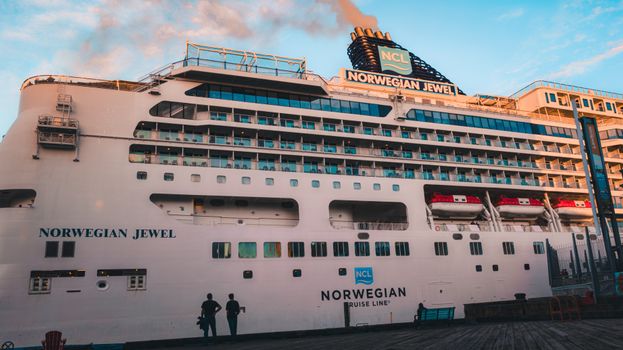
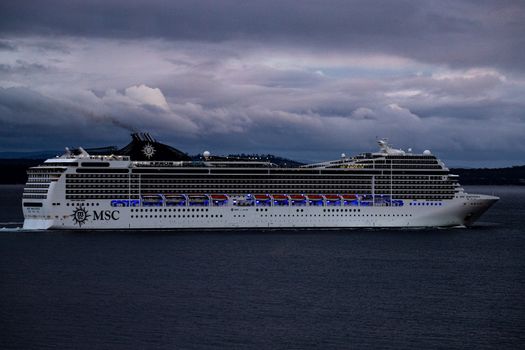
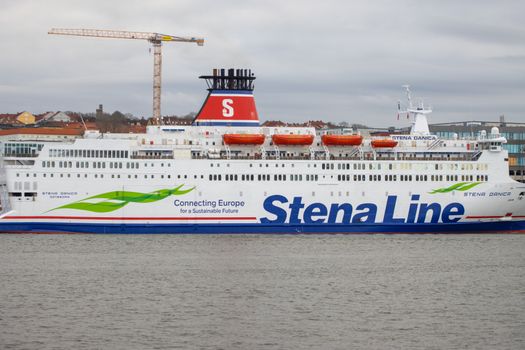
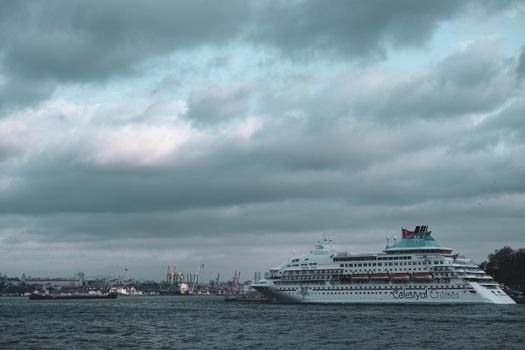
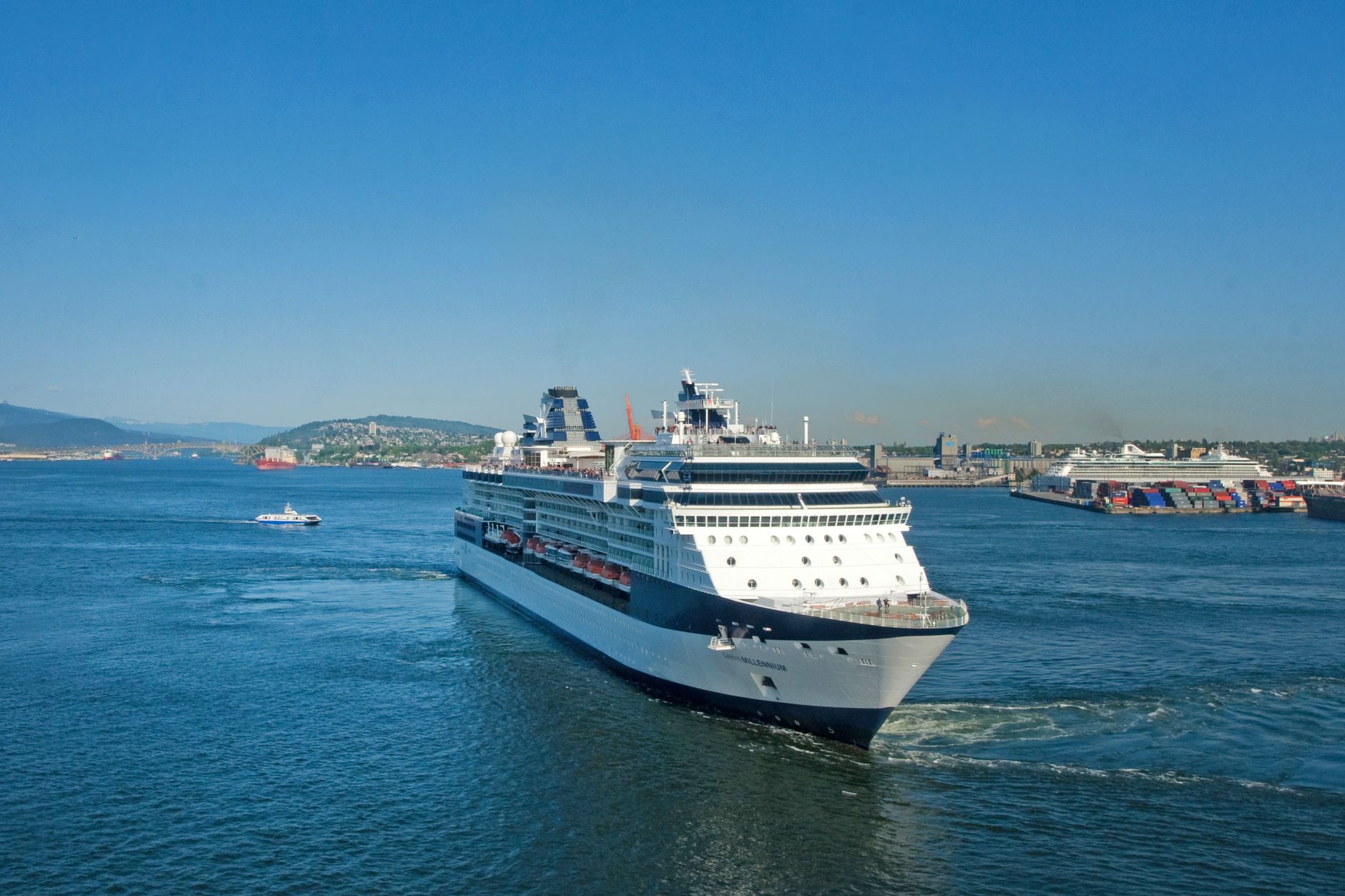
It's no secret that the cruise industry, while offering accessible travel for many, has a significant impact on destinations. Large cruise ships can overwhelm local infrastructure, strain resources, and often leave behind a trail of environmental damage. For many iconic locations, the constant influx of thousands of passengers disembarking simultaneously can lead to an unsustainable level of overtourism. This phenomenon can erode the very authenticity that travelers seek, turning charming streets into crowded thoroughfares and local businesses into souvenir shops catering solely to fleeting visitors.
Recognizing this, a growing number of destinations have made the bold decision to limit or completely ban large cruise ship arrivals. This isn't about turning away visitors, but about managing tourism more sustainably and ensuring that the benefits of travel are shared more equitably with local communities. It’s a strategic pivot towards responsible tourism, prioritizing quality over quantity and preserving the unique character of their locales.
The Ripple Effect: Benefits Beyond the Ban
The impact of these bans goes far beyond just reducing crowds. Destinations that have implemented cruise ship restrictions are often reporting:
- Enhanced Local Economy: With fewer day-trippers, local businesses benefit from more engaged, longer-staying visitors who are more likely to invest in authentic experiences and local products.
- Environmental Preservation: Reduced emissions from ship exhaust and fewer waste outputs contribute to cleaner air and water, protecting delicate ecosystems.
- Cultural Preservation: The pressure to cater to mass tourism often dilutes local culture. Banning large ships allows traditions and local ways of life to flourish authentically.
- Improved Quality of Life for Residents: Less congestion, noise, and strain on public services mean a better living environment for the people who call these places home.
Destinations Thriving Post-Cruise Ship Ban
These destinations are proving that a more curated approach to tourism can lead to incredible success. They are embracing travelers seeking deeper connections and more meaningful experiences.
1. Dubrovnik, Croatia: Reclaiming Its Medieval Soul
Dubrovnik, the "Pearl of the Adriatic," famously implemented restrictions on cruise ship arrivals in recent years. Once choked by an overwhelming number of large vessels, the city has begun to breathe again. Walking through the Stradun, the main street, is now a pleasure, not a battle. The honey-colored stone buildings seem to glow under the Mediterranean sun without the shadow of massive ships looming in the harbor.
Pro-Tip:
Visit the city walls just after opening (8 AM) or before closing (6 PM) for breathtaking views with fewer people. Explore the smaller, less-trodden alleys for authentic konobas (taverns) serving delicious local seafood.
Quick Facts: Dubrovnik
- Estimated Costs ($): Mid-range ($150-$250 per day)
- Best Time to Visit: Shoulder seasons (April-May, September-October) for pleasant weather and fewer crowds.
- How to Get There: Fly into Dubrovnik Airport (DBV). The city is accessible by bus or taxi.
2. Venice, Italy: A City Rediscovering Its Magic
Venice has been at the forefront of the fight against cruise ship tourism. The image of colossal cruise liners dwarfing the historic skyline and churning up the lagoon has been a stark symbol of overtourism. After years of advocacy, larger cruise ships are now largely barred from entering the Venetian Lagoon, a monumental victory for the city's preservation.
The change is palpable. While Venice will always be a popular destination, the absence of these mega-ships has allowed the city’s delicate ecosystem and its unique charm to be better protected. The canals feel clearer, and the sounds of gondolas and local chatter are more pronounced.
Pro-Tip:
Rent a kayak for a unique perspective of the canals, away from the main tourist routes. Seek out artisan mask-makers in the Dorsoduro district for a truly Venetian souvenir.
Quick Facts: Venice
- Estimated Costs ($): Mid-range to High ($200-$350+ per day)
- Best Time to Visit: Spring (April-May) and Autumn (September-October) offer pleasant temperatures and fewer crowds than summer.
- How to Get There: Fly into Venice Marco Polo Airport (VCE) or Treviso Airport (TSF). Water taxis and vaporettos (water buses) are the primary modes of transport within the city.
3. Amsterdam, Netherlands: Embracing a Greener Future
Amsterdam has taken significant steps to curb cruise ship tourism, focusing on sustainability and reducing its environmental footprint. The city aims to be a more livable and breathable destination, not just a stopover for a few hours. This shift is part of a broader strategy to combat overtourism and promote more mindful travel.
The focus is now on attracting visitors who engage with the city's rich culture, its world-class museums, and its charming canals in a more respectful and immersive way.
Pro-Tip:
Rent a bike and explore the Jordaan district, known for its picturesque canals, independent boutiques, and cozy cafes. Visit the Rijksmuseum early in the morning to beat the queues.
Quick Facts: Amsterdam
- Estimated Costs ($): Mid-range ($170-$270 per day)
- Best Time to Visit: Spring (April-May) for tulip season, or early Autumn (September-October) for crisp air and beautiful foliage.
- How to Get There: Fly into Amsterdam Airport Schiphol (AMS). The city center is easily accessible by train.
4. The Greek Islands: Protecting Paradise
While not a single ban, several smaller Greek islands, particularly those sensitive to environmental and cultural impacts, have either implemented strict regulations or are actively discouraging large cruise ship visits. Destinations like Santorini and Mykonos have faced immense pressure from overtourism, leading to discussions and actions to manage visitor numbers more effectively. The focus is shifting towards smaller, boutique cruises and independent travel.
These islands are working to preserve their stunning natural beauty and unique island cultures, ensuring they remain paradises for generations to come. Travelers are encouraged to explore lesser-known islands for a more authentic experience.
Pro-Tip:
For Santorini, visit Oia for the sunset but explore Pyrgos or Megalochori for a more authentic village feel. On Mykonos, venture beyond Mykonos Town to discover quieter beaches and traditional tavernas.
Quick Facts: The Greek Islands (General)
- Estimated Costs ($): Varies widely by island, from Budget ($80-$150 per day) to High ($250-$400+ per day).
- Best Time to Visit: May-June and September-October for warm weather, fewer crowds, and lower prices.
- How to Get There: Fly into major hubs like Athens (ATH) and then take ferries or smaller flights to individual islands.
5. Key West, Florida: A Conscious Shift Towards Sustainability
Key West has been a vocal proponent of limiting large cruise ship traffic, recognizing the strain on its delicate environment and its unique, laid-back atmosphere. The city has implemented measures to control the number of cruise ship passengers and the size of vessels allowed to dock.
This decision aims to preserve the island's charm, protect its marine ecosystems, and foster a more sustainable tourism model that benefits local businesses and residents.
Pro-Tip:
Rent a scooter to explore the island's narrow streets and vibrant murals. Enjoy fresh seafood at local spots away from Duval Street for a more authentic taste of Key West.
Quick Facts: Key West
- Estimated Costs ($): Mid-range to High ($200-$350 per day)
- Best Time to Visit: Dry season (November-April) offers pleasant weather. Shoulder months (May, October) can be a good balance.
- How to Get There: Fly into Key West International Airport (EYW). The scenic Overseas Highway drive from Miami is also a popular option.
Embracing the Future of Travel: Authenticity Over Apathy
The trend of destinations banning large cruise ships is more than just a travel headline; it's a global movement towards more conscious and sustainable tourism. It signals a shift in traveler priorities, with more people seeking genuine experiences, cultural immersion, and a lighter footprint on the planet.
These thriving destinations are not closing their doors; they are opening them wider to a different kind of traveler – one who appreciates the local rhythm, respects the environment, and seeks connection rather than just consumption.
The Insider's Edge: How to Experience These Destinations Authentically
- Stay Longer: Instead of a quick stopover, dedicate several days to truly explore. This allows you to get beyond the surface and connect with the local pace of life.
- Support Local: Eat at family-run restaurants, shop at independent boutiques, and hire local guides. Your money directly benefits the community.
- Travel Off-Peak: Visiting during shoulder seasons dramatically reduces crowds and often leads to more authentic interactions.
- Embrace Slow Travel: Consider arriving by train, ferry, or even by car. The journey itself can be part of the experience, allowing you to appreciate the landscape and arrive more mindfully.
- Engage Respectfully: Learn a few basic phrases in the local language, be mindful of local customs, and ask permission before taking photos of people.
Your Next Authentic Adventure Awaits
The world is full of incredible places that are choosing a path of sustainable tourism and authentic experiences. By understanding and supporting destinations that are actively managing their visitor impact, we can all contribute to a more responsible and rewarding travel future. These cruise-free havens are not just surviving; they are thriving, offering a glimpse into what travel can and should be. Pack your bags, leave the crowds behind, and discover the true magic of these remarkable places.