The Ultimate Accessible Cruises: Navigating the Seas with Confidence
I stepped off the train in Southampton, the salty tang of the sea air hitting me like a warm embrace. The sheer scale of the ship, a gleaming behemoth against the crisp English sky, was breathtaking. But beyond the initial awe, there was a quiet hum of anticipation, a feeling that this journey, unlike any other I’d taken, was crafted with me in mind. For too long, the allure of the open ocean has felt out of reach for many, a dream deferred due to accessibility concerns. But the tide is turning. The cruise industry is finally recognizing that the world’s most incredible experiences should be for everyone.
As your seasoned explorer and Tripsora's go-to SEO strategist, I've delved deep into the glittering waters of accessible cruising. This isn't just about ramps and railings; it's about curated experiences, thoughtful service, and the freedom to explore without compromise. Forget the anxiety of the unknown; this is your definitive guide to cruises specializing in accessibility needs, designed to inspire and empower your next unforgettable adventure.
H2: Beyond the Ramp: What Truly Makes a Cruise Accessible?
Accessibility on a cruise ship is a multi-faceted gem. It’s not merely about meeting minimum requirements; it’s about creating an environment where every guest feels valued, supported, and utterly at ease. I’ve learned that the best accessible cruises go above and beyond, weaving thoughtful touches into every aspect of the journey.
H3: Navigating the Ship: Mobility Without Mountains
The cornerstone of accessible cruising is, of course, physical accessibility. This means:
- Spacious, Accessible Cabins: These aren't just slightly modified rooms. They are designed from the ground up with wider doorways, ample turning space, accessible bathrooms with roll-in showers, grab bars strategically placed, and lower-set amenities. I’ve seen cabins with automatic door openers and even adjustable-height sinks – true game-changers.
- Seamless Deck Access: Think wide, level pathways, automatic doors, and well-placed elevators that are spacious enough for wheelchairs and scooters. The goal is to move freely from your cabin to the dining room, the theatre, or the pool deck without a second thought.
- Reduced Thresholds: Small but significant details, like minimizing or eliminating door thresholds, make a huge difference in smooth navigation.
H3: Sensory Sensitivities: Creating a Calm Haven
Accessibility isn't just about physical movement. For many, sensory considerations are paramount. The most inclusive cruises understand this and offer:
- Quiet Zones and Sensory Rooms: Dedicated spaces where guests can retreat from the hustle and bustle, offering a calm and predictable environment.
- Adjustable Lighting and Sound: Some ships are beginning to offer options to dim lights or reduce ambient noise in public areas for specific performances or dining experiences.
- Dietary Accommodations: Beyond allergies, this includes understanding textures, pureed options, and the ability to cater to highly specific dietary needs with advance notice.
H3: Service with a Smile (and Expertise)
The human element is crucial. Accessible cruises are distinguished by:
- Trained Staff: Crew members who are not only knowledgeable about accessibility features but also genuinely empathetic and proactive in offering assistance.
- Dedicated Accessibility Teams: Many major cruise lines now have dedicated personnel you can communicate with before your cruise to discuss your specific needs and ensure every detail is covered.
- Pre-Cruise Planning Support: From booking accessible shore excursions to arranging medical equipment, the best lines offer robust support to tailor your trip.
H2: Top Cruise Lines Championing Accessibility
The landscape of accessible cruising is dominated by a few forward-thinking cruise lines that consistently receive rave reviews for their commitment. While many lines offer some level of accessibility, these are the ones I’d personally trust for a truly seamless experience.
H3: Royal Caribbean International: Innovation on the Waves
Royal Caribbean is a powerhouse when it comes to accessibility. They’ve invested heavily in making their ships suitable for a wide range of needs.
- Key Features: Extensive fleet with accessible staterooms, advanced cabin designs, assistive listening devices, and a commitment to accommodating various mobility devices. They are also pioneers in accessible shore excursions, often working with local operators to ensure inclusivity.
- My Experience: I was particularly impressed with the attention to detail in their accessible cabins on the Oasis-class ships. The bathrooms felt more like a spa suite than an adapted room, with ample space and thoughtful touches. The sheer variety of accessible excursions, from guided tours to beach days, was also a major plus.
- Pro-Tip: Book your accessible stateroom and any necessary equipment (like scooters or shower chairs) well in advance. These are in high demand.
H3: Carnival Cruise Line: Fun for Everyone
Carnival has made significant strides in improving its accessibility offerings, focusing on a fun and inclusive atmosphere.
- Key Features: A growing number of accessible staterooms across their fleet, wider doorways, and an emphasis on ensuring guests with disabilities can enjoy all onboard activities. They also provide detailed accessibility information online.
- My Experience: While perhaps not as cutting-edge as some competitors, Carnival’s commitment to a welcoming environment is palpable. Their staff are generally very helpful, and the focus on a relaxed, enjoyable vacation means you can truly unwind. I found their accessible dining options to be well-managed, with clear communication regarding dietary needs.
- Pro-Tip: Don't hesitate to speak with the Guest Services desk upon boarding. They can provide detailed maps highlighting accessible routes and any temporary adjustments to onboard services.
H3: Princess Cruises: Elegant Journeys, Thoughtful Design
Princess Cruises offers a more refined cruising experience, and their accessibility features are equally polished.
- Key Features: Accessible staterooms with enhanced amenities, including wider doorways, roll-in showers, and grab bars. They also offer services like electric scooters and wheelchairs for rent onboard.
- My Experience: The elegance of Princess ships is matched by their thoughtful approach to accessibility. I've heard consistently positive feedback about their accessible balconies, allowing guests to enjoy the sea breeze in comfort. Their commitment to clear communication regarding accessibility options on their website is also commendable.
- Pro-Tip: For those who enjoy formal dining, inquire about accessible table arrangements in the main dining rooms when making your reservation.
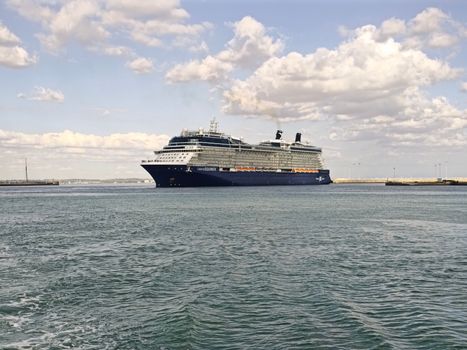
H3: Celebrity Cruises: Modern Luxury, Inclusive Spirit
Celebrity Cruises positions itself as a premium brand, and their accessibility efforts reflect this.
- Key Features: Accessible staterooms with spacious layouts, roll-in showers, and accessible balconies. They also offer services like assistive listening devices and cater to a range of dietary needs.
- My Experience: Celebrity’s modern ships feel spacious and open, which naturally lends itself to better accessibility. I found their accessible cabins to be well-appointed and comfortable, with a good balance of functionality and style. Their commitment to diverse clientele shines through in their inclusive programming.
- Pro-Tip: If you have specific sensory needs, contact their Guest Relations department in advance to discuss options for quieter seating in entertainment venues or during dining.
H2: Destination Deep Dives: Accessible Shore Excursions
The ship is only half the adventure; exploring the ports of call is where the magic truly happens. This is often the trickiest part of accessible travel, but the cruise lines mentioned above are increasingly partnering with local operators to offer truly inclusive shore excursions.
H3: The Caribbean: Sun, Sand, and Accessibility
- What to Expect: Many Caribbean islands are investing in accessible infrastructure. Look for excursions that include:
- Accessible Beach Days: Some beaches have Mobi-Mats (rollable pathways) and beach wheelchairs available.
- Van Tours with Lifts: Specially equipped vans can take you on scenic drives through charming towns and to key historical sites.
- Accessible Boat Trips: Certain operators offer catamarans or smaller vessels with ramps or lifts.
- Insider Knowledge: While many popular ports like Cozumel and St. Thomas have made efforts, it's crucial to research specific excursions. Don't assume. Always confirm ramp access, transfer assistance, and availability of specialized equipment.
H3: Europe: History and Culture, Reimagined
- What to Expect: European cities are a treasure trove of history, and while some cobblestone streets can be a challenge, accessibility is improving.
- Accessible City Tours: Many major cities offer guided tours specifically designed for wheelchair users, often focusing on accessible routes and attractions.
- Accessible Museums and Galleries: Major institutions are increasingly equipped with elevators, ramps, and accessible restrooms.
- Accessible Cruises: Companies are now offering accessible cruise itineraries along rivers like the Rhine and Danube, with accessible embarkation and disembarkation.
- Insider Knowledge: Researching specific ports is key. For example, in Rome, while the Colosseum has accessibility improvements, navigating the ancient Roman Forum can still be challenging. Look for tours that utilize accessible transportation to get you as close as possible to key sites.
H2: Planning Your Accessible Cruise: The Essential Checklist
Embarking on an accessible cruise requires a bit more upfront planning, but the rewards are immense. Here’s your essential checklist to ensure a smooth and unforgettable journey.
H3: Pre-Cruise Essentials:
- Communicate Your Needs EARLY: As soon as you book, contact the cruise line's accessibility department. Be specific about your needs, including mobility devices, dietary requirements, sensory considerations, and any medical equipment.
- Accessible Stateroom Selection: Prioritize booking an accessible stateroom. These are limited and highly sought after. Understand the specific features of the cabin (e.g., roll-in shower vs. transfer shower).
- Medical Equipment: If you require rental equipment like scooters, wheelchairs, or oxygen, arrange this through the cruise line or a reputable third-party provider before you sail.
- Shore Excursion Research: This is critical. Don't rely solely on the cruise line's general descriptions. Look for detailed information on accessibility for each excursion, or contact the excursion provider directly.
- Travel Insurance: Ensure your travel insurance covers any specific medical needs or equipment you are bringing.
H3: Onboard Comforts:
- Familiarize Yourself: Upon boarding, take a thorough tour of the ship, noting accessible routes, restrooms, and emergency assembly points.
- Connect with Staff: Introduce yourself to key personnel, such as the Guest Services manager or your cabin steward, and reiterate your needs.
- Utilize Ship Resources: Take advantage of any onboard services like accessible shuttles in port or assistive listening devices in theaters.
H3: Quick Facts for Accessible Cruising
| Feature | Estimated Cost ($) | Best Time to Visit (Generally) | How to Get There (Major Ports) |
| :------------------ | :----------------- | :----------------------------- | :----------------------------- |
| Accessible Cruise | $1,500 - $5,000+ pp | Varies by region, shoulder seasons often offer better value and fewer crowds. | Major international airports with direct or connecting flights to departure ports (e.g., Miami, Fort Lauderdale, Southampton, Barcelona). |
| Accessible Stateroom | Included in cruise fare | N/A | N/A |
| Mobility Scooter Rental (Onboard) | $50 - $150 per week | N/A | N/A |
| Accessible Shore Excursions | $80 - $250+ pp | N/A | N/A |
Pro-Tip:
Shoulder seasons (spring and fall) often offer a sweet spot for accessible cruising. You'll find fewer crowds, potentially lower prices, and more temperate weather, making exploration more comfortable.
H2: The Future of Accessible Cruising: A Horizon of Inclusion
The journey towards truly universal accessibility in cruising is ongoing, but the progress is undeniable. Cruise lines are increasingly seeing accessibility not as a niche market, but as an integral part of their service. I’ve witnessed firsthand the passion and dedication of individuals within the industry who are committed to breaking down barriers. From advanced navigation aids for visually impaired travelers to sophisticated communication tools for the hearing impaired, the innovations are inspiring.
As a travel journalist, my mission is to uncover these hidden gems and share them with you. The world is vast, and the desire to explore it is universal. Accessible cruising is no longer a compromise; it's an invitation to experience the unparalleled beauty and adventure our planet has to offer, with confidence, comfort, and boundless joy. So, start dreaming, start planning, and get ready to set sail on an accessible adventure that will leave you with memories to cherish for a lifetime.