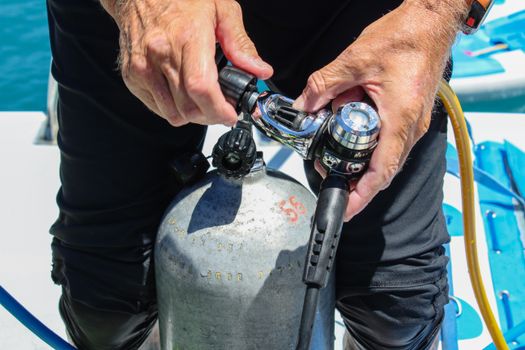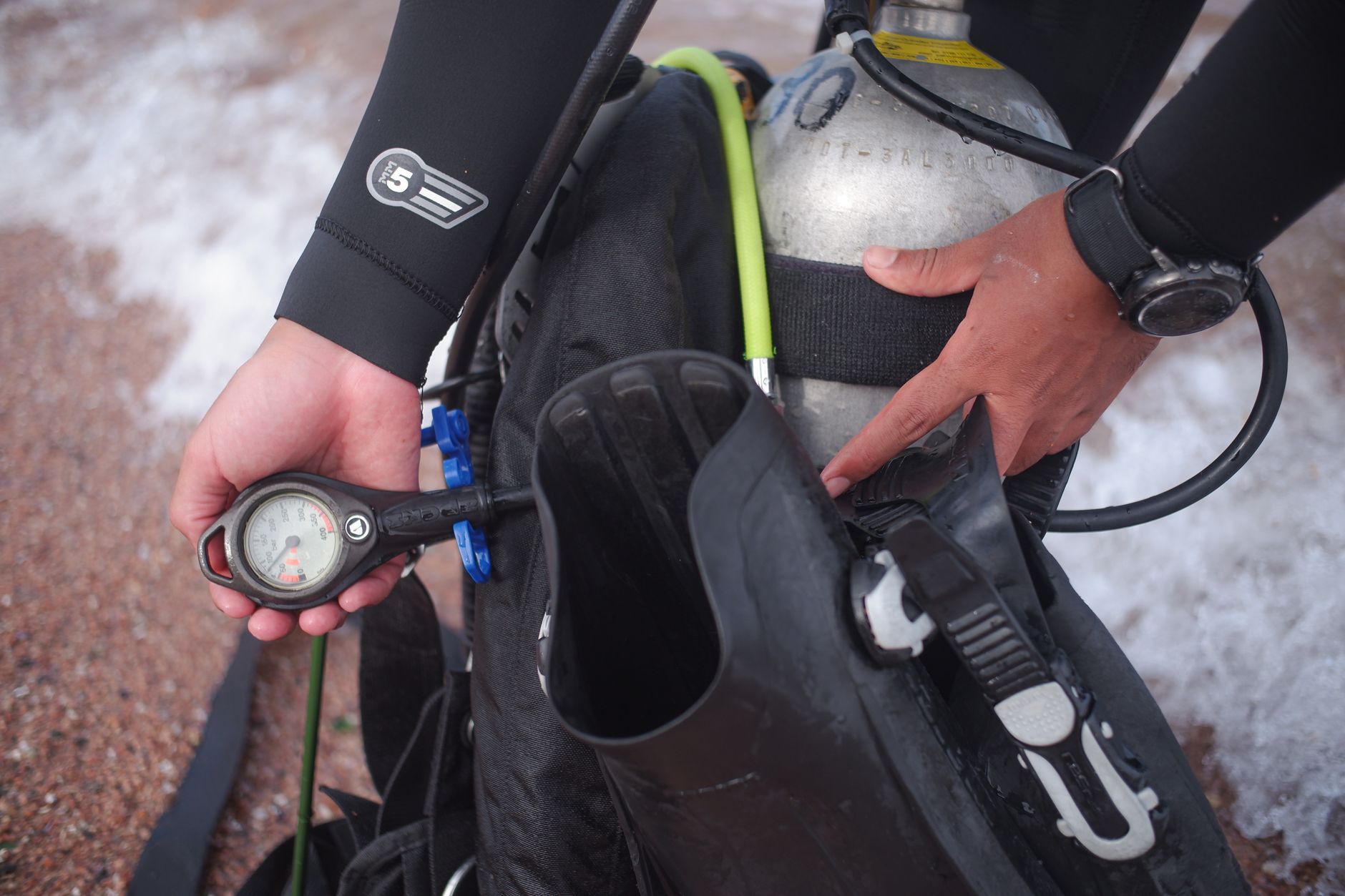
The salt spray kissed my face, a familiar, invigorating welcome. The rhythmic thrum of the boat engine was a lullaby, and the scent of diesel and sun-baked fiberglass filled the air. Below, the impossibly blue canvas of the ocean beckoned. This wasn't just another dive; this was my dive, a testament to the fact that the underwater world is for everyone, especially this spring, with an explosion of incredible, trending scuba diving programs for people with disabilities.
Dive In: The Spring Surge in Adaptive Underwater Adventures
This season, the world of scuba diving is truly opening its arms, or rather, its fins, to inclusivity. Gone are the days of perceived limitations. We're seeing a surge in innovative programs that leverage cutting-edge adaptive gear and highly trained instructors, making the dream of exploring coral gardens and swimming alongside majestic sea turtles a tangible reality for individuals with diverse needs. From serene shallow reefs to more adventurous deep dives, the options are expanding at an exhilarating pace.
The Rise of the Adaptive Diver: What's Trending Now?
What exactly is making waves this spring? It's a multi-faceted approach to accessibility, focusing on empowerment, community, and unparalleled underwater experiences.
- Personalized Dive Buddy Systems: Forget generic pairings. The trend is towards meticulously matched dive buddies who understand specific needs, ensuring comfort, safety, and a truly shared adventure. These aren't just buddies; they're advocates and partners in exploration.
- Advanced Adaptive Gear: We're talking specialized buoyancy control devices (BCDs) that offer enhanced support, modified fins for different mobility levels, and even custom-fitted masks for unique facial structures. The technology is evolving rapidly, providing greater independence and comfort.
- Sensory-Inclusive Dives: Recognizing that sensory experiences differ, many programs are now offering "sensory-friendly" dives. This might involve quieter dive sites, reduced stimuli in briefing areas, and instructors trained in specific communication techniques. The goal is to create a calm, enjoyable, and deeply rewarding experience for divers with sensory sensitivities.
- Focus on Rehabilitation and Wellness: Beyond pure recreation, many programs are integrating scuba diving as a therapeutic tool. The buoyancy of water can significantly reduce pressure on joints and the spine, making it ideal for individuals recovering from injuries or managing chronic conditions. The mental benefits – the focus, the peace, the sheer awe – are profound.
Unveiling the Top Trending Programs & Destinations
So, where are these incredible opportunities blooming this spring? I've been following the currents, and here are a few standouts that are generating serious buzz:
1. Project A.W.A.R.E. (Adaptive Water Adventures for Rehabilitation & Exploration)
This initiative, gaining traction in the Caribbean, is a game-changer. They partner with local dive operators to offer comprehensive programs for individuals with spinal cord injuries and other mobility impairments.
Pro-Tip: Their "Buddy Up" program is legendary. You're paired with a certified adaptive dive instructor and a peer diver who has similar experiences. It fosters an incredible sense of camaraderie and shared achievement.
- What makes it special: They emphasize pre-dive training on land, focusing on adaptive buoyancy techniques and emergency procedures. Post-dive debriefs are just as important, fostering a strong community.
- Insider Language: You'll hear a lot about "zero-gravity buoyancy control" here – it's their term for achieving perfect neutral buoyancy with minimal physical effort, a truly liberating feeling.
2. Ocean Guardians Alliance (OGA) - Sensory Dive Expeditions
Based in the crystal-clear waters of the Philippines, the OGA is pioneering sensory-inclusive diving. They understand that for some, the sheer volume of sound and activity underwater can be overwhelming.
Pro-Tip: Request a "low-stimulus" dive briefing. They use visual aids extensively and keep group sizes very small, often just two divers per instructor.
- What makes it special: They've identified specific dive sites known for their calm currents and abundant, slow-moving marine life. Think gentle seahorses, colorful nudibranchs, and schools of fish that drift rather than dart.
- Insider Language: They talk about the "visual symphony" of the reef, focusing on the intricate patterns and vibrant colors that can be appreciated even at a slower pace.
3. DiveAbility International - Veterans' Underwater Initiative
For our incredible veterans, DiveAbility International, with programs spanning Australia and the Mediterranean, offers specialized training and therapeutic dives. They understand the unique challenges many veterans face, both physical and psychological.
Pro-Tip: Attend one of their "Reintegration Dives." These are group excursions designed to build confidence and foster a supportive environment among fellow veterans.
- What makes it special: Their instructors are often former military personnel themselves, bringing a unique understanding and empathy to the training. They also have partnerships with organizations that can assist with adaptive equipment procurement.
- Insider Language: The term "underwater reset" is common here, referring to the profound sense of calm and detachment from terrestrial worries that diving provides.
4. The Coral Compass Project - Accessible Reef Exploration
This project, with a growing presence in Mexico's Riviera Maya, focuses on making vibrant coral reef systems accessible. They've developed a unique system of underwater guide rails and specialized seating for entry and exit, minimizing the physical exertion required.
Pro-Tip: Visit during the shoulder season (late April to early May) for the best visibility and fewer crowds. The water is already warm and inviting.
- What makes it special: They offer "guided meditation dives" where the focus is on mindful observation of the marine environment, promoting relaxation and stress reduction.
- Insider Language: They refer to the intricate coral formations as "underwater cities," a fitting description for the bustling ecosystems they allow you to explore.
Mastering the Logistics: Your Adaptive Dive Adventure Awaits
Planning an adaptive dive trip requires a bit more foresight, but the rewards are immense. Here's a breakdown to get you started:
Quick Facts: Adaptive Diving Edition
| Feature | Estimated Cost ($USD) | Best Time to Visit (Spring) | How to Get There (General) | Notes |
| :----------------------- | :-------------------- | :-------------------------- | :---------------------------------------------------------------------------------------------------------------------- | :------------------------------------------------------------------------------------------------------------------------------------------------------------------------- |
| Project A.W.A.R.E. | $1,500 - $3,000 | March - May | Fly into major hubs like San Juan (SJU) or St. Thomas (STT), then arrange boat transfers. | Packages often include accommodation, meals, and dive excursions. |
| Ocean Guardians (PH) | $1,200 - $2,500 | March - May | Fly into Manila (MNL) or Cebu (CEB), then domestic flights to regional airports. Boat transfers are common. | Focus on smaller, boutique resorts known for personalized service. |
| DiveAbility (AUS/MED)| $2,000 - $4,000 | April - June (AUS), May - June (MED) | Australia: Fly into Sydney (SYD) or Cairns (CNS). Mediterranean: Fly into major European hubs then regional flights. | Consider dive-specific travel insurance. Many programs offer multi-day packages. |
| Coral Compass (MEX) | $1,000 - $2,000 | April - May | Fly into Cancun (CUN), then shuttle or private transfer to Playa del Carmen or Tulum. | Many resorts in the Riviera Maya are increasingly adaptive-friendly. Book accommodations with accessible features well in advance. |
Important Considerations:
- Medical Clearance: Always consult your physician before booking any dive program, especially if you have pre-existing medical conditions.
- Certification: Most programs require a scuba certification. If you're not certified, many offer adaptive "Discover Scuba Diving" experiences or full certification courses tailored to your needs.
- Travel Insurance: Ensure your travel insurance covers scuba diving activities and any specific medical needs you may have.
- Communication is Key: Be upfront and detailed with program organizers about your specific requirements and any adaptive equipment you might need.
Beyond the Gear: The Soul of Adaptive Diving
What truly sets these trending programs apart is the spirit of community and empowerment they foster. It's not just about the technicalities of diving; it's about reclaiming a sense of freedom, experiencing the profound peace of the underwater world, and connecting with nature in a deeply meaningful way.
I remember my first adaptive dive. The initial apprehension was quickly replaced by a sense of exhilaration as I descended, the weight of the world melting away with each foot of depth. The vibrant hues of the reef, the gentle sway of the anemones, the silent ballet of the fish – it was a sensory overload in the most beautiful way.
The instructors and buddies weren't just guiding me; they were sharing in the wonder. There was a shared breath, a shared discovery, a shared sense of accomplishment. It was a reminder that our perceived limitations are often just doorways to new possibilities.
This spring, the ocean is calling. It’s time to answer. Whether you're seeking rehabilitation, pure adventure, or a profound connection with the natural world, these adaptive scuba diving programs offer an unparalleled opportunity to explore the magic beneath the waves. Dive in, and let the ocean embrace you.