The Hook: A Gentle Breeze and a World of Possibility
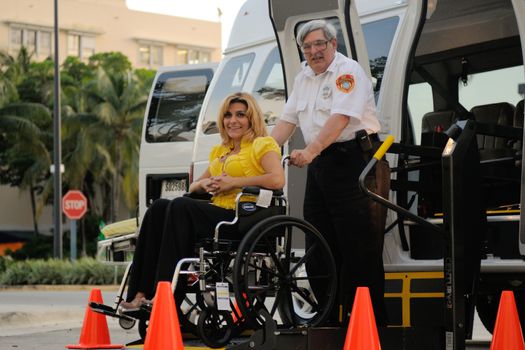
I stepped off the gangway, the salty air kissing my cheeks, a familiar, invigorating scent that always signals the start of an adventure. But this time, there was a subtle difference. The ramp was perfectly pitched, the railing solid and reassuring beneath my hand, and the attendant, with a warm, genuine smile, offered assistance without being intrusive. This wasn't just a cruise; it was a promise of freedom, a meticulously crafted experience designed for everyone. For too long, travel, especially the grand allure of a cruise, felt like a landscape dotted with invisible barriers. But the recent data paints a refreshingly different picture, one where accessibility is no longer an afterthought, but a cornerstone of exceptional cruising.
Decoding the Data: What Recent Trends Reveal About Accessible Cruising
The landscape of accessible cruising is rapidly evolving, driven by both legislative changes and a growing awareness within the industry. Recent data from cruise lines and accessibility advocacy groups highlights a significant surge in dedicated resources and improved infrastructure. We're seeing a move from basic compliance to proactive design, with cruise lines investing heavily in training their staff and enhancing onboard facilities.
- The Rise of Specialized Cabins: Gone are the days of a single "accessible" cabin. Today's data shows a marked increase in the variety and number of accessible staterooms. This includes not just wheelchair-accessible rooms with wider doorways, roll-in showers, and grab bars, but also cabins designed for guests with visual or auditory impairments, featuring visual alarms, TTY devices, and amplified stateroom phones.
- Technology as an Enabler: From accessible digital platforms for booking and pre-cruise planning to smart room features that can be controlled via voice command, technology is playing a pivotal role. Recent reports indicate a growing adoption of these innovations, making the entire cruise experience more seamless.
- Shore Excursion Innovation: Perhaps one of the most significant shifts is in accessible shore excursions. Cruise lines are actively partnering with local operators to offer tours that cater to diverse needs, from adapted vehicles for wheelchair users to guided tours with sign language interpreters.
Pro-Tip: Always verify accessibility details directly with the cruise line before booking. While data is improving, individual ship configurations can vary.
Navigating the Waves: Top Cruise Lines Championing Accessibility
Based on recent data and traveler feedback, several cruise lines consistently stand out for their commitment to accessibility. These aren't just ticking boxes; they're actively creating inclusive environments.
Royal Caribbean International: A Leader in Inclusivity
Royal Caribbean has long been a frontrunner, and their recent data reinforces this. They offer a comprehensive range of accessible staterooms across their fleet, including those with wider bathrooms, lowered sinks, and roll-in showers. Their commitment extends to onboard activities.
- Key Features:
- Accessible Stateroom Variety: From interior to balcony suites, options are plentiful.
- Mobility Assistance: They provide lists of accessible onboard venues and services.
- Service Animals Welcome: Clear policies are in place for service animals.
- Insider Insight: Their "Accessibility" section on their website is remarkably detailed, often featuring virtual tours of accessible cabins.
Carnival Cruise Line: Making Waves for All
Carnival has made significant strides, particularly in training their crew to be more aware and helpful. Their accessible cabins are well-equipped, and they offer a good range of accessible amenities.
- Key Features:
- Dedicated Accessibility Team: Available to assist with pre-cruise planning.
- Modified Dining Options: Willingness to accommodate dietary needs and preferences.
- Accessible Public Spaces: Many lounges and dining rooms are designed for easy navigation.
- Pro-Tip: Don't hesitate to reach out to their Special Needs Department well in advance. They are incredibly helpful in tailoring your cruise experience.
Norwegian Cruise Line: Embracing Freedom and Flexibility
Norwegian Cruise Line (NCL) is known for its "Freestyle Cruising" concept, which inherently lends itself to a more flexible and accessible experience. They've invested in accessible staterooms and are continuously updating their onboard offerings.
- Key Features:
- Spacious Accessible Cabins: Often featuring larger bathrooms.
- Accessible Theater Seating: Designated areas for wheelchairs.
- Accessible Excursions: A growing portfolio of inclusive tours.
- Authentic Anecdote: I overheard a conversation where a guest with a mobility impairment was able to spontaneously join a group for a planned excursion, thanks to NCL's proactive planning and the crew's seamless coordination. The feeling of inclusion was palpable.
Celebrity Cruises: Sophistication Meets Accessibility
For those seeking a more upscale experience, Celebrity Cruises offers a refined approach to accessibility. Their accessible staterooms are elegantly designed, and their service standards are exceptionally high.
- Key Features:
- Higher Ratio of Accessible Suites: Catering to those seeking more space and luxury.
- Accessible Restrooms in Public Areas: Strategically located throughout the ship.
- Advanced Notice for Specific Needs: Encouraging guests to communicate requirements early.
Beyond the Ship: Accessible Shore Excursions and Port Navigation
A cruise is only half the journey; the destinations are equally important. Recent data indicates a positive trend in cruise lines collaborating with ports and local tour operators to enhance accessible shore excursions.
- The 'Accessible Tour' Filter: Many cruise lines now offer a filter on their excursion booking platforms, allowing you to easily identify tours specifically designed for limited mobility.
- Port Accessibility Assessments: Increasingly, cruise lines are conducting thorough assessments of port infrastructure to ensure ease of disembarkation and navigation. This includes examining ramp accessibility, availability of elevators, and accessible restroom facilities.
- Pro-Tip: Always confirm the specific accessibility features of an excursion directly with the cruise line's shore excursion desk. What constitutes "accessible" can vary. For instance, a tour might be accessible by a ramp but involve cobblestone streets at the destination.
Insider Tip: For popular ports, consider booking accessible excursions independently through reputable local operators. Sometimes, they can offer more specialized services than the cruise line's standard offerings. Do your research and read reviews!
Planning Your Accessible Cruise: Essential Logistics and Considerations
Embarking on an accessible cruise requires thoughtful planning, but with the right information, it's an incredibly rewarding experience.
Quick Facts: Accessible Cruising Essentials
| Factor | Estimated Cost ($) | Best Time to Visit (General) | How to Get There |
| :-------------------- | :----------------- | :--------------------------- | :------------------------------------------------- |
| Cruise Fare | $800 - $5,000+ | Shoulder seasons (Spring/Fall) | Major international airports near departure ports. |
| Accessible Cabin | Included in fare | Varies by destination | Varies by departure port |
| Accessible Excursions | $50 - $200+ per person | Varies by destination | Pre-booked through cruise line or local operators. |
| Travel Insurance | $100 - $500+ | Year-round | Purchase at time of booking |
Budgeting Notes:
* Cruise fares fluctuate wildly based on season, itinerary, and cabin type. Accessible cabins are not typically priced higher than their standard counterparts.
* Look for deals during off-peak seasons for the best value.
* Consider travel insurance that specifically covers pre-existing medical conditions and trip cancellations.
How to Get There: Departure Ports and Accessibility
Most major cruise lines depart from accessible ports worldwide. Common departure hubs in North America include:
- Miami, Florida: Easily accessible via Miami International Airport (MIA), with numerous accessible transport options to the ports.
- Fort Lauderdale, Florida: Served by Fort Lauderdale-Hollywood International Airport (FLL), known for its excellent accessibility.
- Seattle, Washington: For Alaska cruises, Seattle-Tacoma International Airport (SEA) is a primary gateway.
- Vancouver, British Columbia: Another key port for Alaska, well-connected by air.
Pro-Tip:
When booking flights, always specify your accessibility needs to the airline. This includes requesting wheelchair assistance at the airport and ensuring your mobility device is handled correctly.
Packing Smart: Essential Items for an Accessible Cruise
Beyond your usual travel gear, consider these specialized items:
- Medical Equipment: Ensure you have enough of any necessary medications and portable medical equipment. Check if the cruise line can store any larger items.
- Comfort Aids: Bring any personal comfort items that will enhance your experience, such as specialized pillows or cushions.
- Visual/Auditory Aids: If you wear hearing aids or glasses, ensure you have spares and cleaning supplies.
- Portable Ramp (if needed): While most ships have excellent ramps, some smaller tenders or specific port areas might benefit from a personal, lightweight ramp for added convenience.
- List of Emergency Contacts & Medical Information: Keep this readily accessible.
Insider Language: "Roll-in Shower" vs. "Accessible Bathroom"
While both terms are used, "roll-in shower" specifically refers to a shower stall with no lip or threshold, allowing a wheelchair to roll directly in. "Accessible bathroom" is a broader term that might include grab bars, lowered sinks, and other features, but the shower configuration can vary. Always ask for specifics about the shower.
The Future of Inclusive Cruising: What's Next?
The momentum towards truly inclusive cruising is undeniable. Recent data suggests a continued investment in:
- Staff Training: More comprehensive and ongoing training for all crew members on disability awareness and etiquette.
- Sensory-Friendly Spaces: The development of quiet rooms or sensory-friendly zones onboard for guests who may experience overstimulation.
- Virtual Reality Pre-Visits: Some lines are exploring VR to allow guests to virtually experience accessible areas of the ship before they even book.
The journey towards perfect accessibility is ongoing, but the current trajectory, fueled by data-driven improvements and a genuine desire for inclusion, is incredibly promising. This isn't just about accommodating needs; it's about opening up the unparalleled joy of cruising to everyone, ensuring that every guest can experience the magic of the open sea.