The Hook: A Breath of Fresh Air in a Barrier-Free World
I stepped off the train in Tokyo, and the usual symphony of travel anxiety – the frantic hunt for an accessible platform, the silent prayer that the elevator isn't out of order – was conspicuously absent. Instead, I was met with a gentle hum of efficiency. Clear, tactile paving guided me effortlessly from the platform to the exit. Announcements, both audible and visual, were crisp and timely. Even the air felt different, lighter, as if the very city had exhaled, welcoming me without reservation. This wasn't just a smooth arrival; it was a profound statement about a nation that had, through deliberate design and expert foresight, woven accessibility into its very fabric. It was a revelation, a tangible promise that travel could, and should, be for everyone.
The Rise of Inclusive Destinations: Why Accessibility is No Longer an Afterthought
For too long, accessible travel was treated as a niche market, an add-on, or worse, an obligation. But the tide has turned. Driven by a growing awareness of human rights, technological advancements, and the sheer economic power of diverse travelers, countries are now actively investing in universal design. This isn't just about ramps and lifts; it's about creating environments that are intuitively usable by people of all ages and abilities. Experts are no longer just recommending destinations; they're championing nations that have made accessibility a cornerstone of their national tourism strategy. These are the places where the infrastructure whispers, "You belong here."
What Experts Look For: The Pillars of True Accessibility
When travel experts tout a destination's accessibility, they're not just ticking boxes. They're evaluating a holistic approach. Here's what they scrutinize:
- Public Transportation: Seamless integration of accessible buses, trains, subways, and ferries. This includes audible and visual announcements, level boarding, designated seating, and well-maintained ramps or lifts.
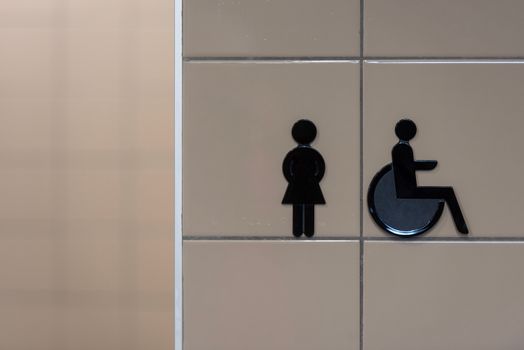
- Built Environment: Widespread availability of ramps, elevators, accessible restrooms, and wide doorways in public buildings, hotels, restaurants, and attractions.
- Information Accessibility: Availability of information in multiple formats (large print, braille, audio descriptions, sign language interpretation) and accessible websites.
- Sensory Considerations: Awareness and provision for travelers with sensory sensitivities, including quiet zones, reduced lighting, and clear signage.
- Attitude & Training: A culture of inclusivity among service providers, with staff trained to assist diverse travelers with respect and competence.
Japan: Precision Engineering for Every Journey
Japan, as I experienced in Tokyo, is a masterclass in accessible urban planning. Their commitment to universal design is evident from the moment you arrive.
H3: Tokyo's Seamless Symphony of Accessibility
Beyond the immaculate public transport, Tokyo offers a wealth of accessible experiences. The Ghibli Museum, while popular, has thoughtful access for wheelchair users, though booking well in advance is crucial. Shibuya Sky, with its breathtaking panoramic views, boasts wide pathways and accessible viewing platforms.
Pro-Tip:
Many major train stations have dedicated accessibility assistance desks. Don't hesitate to approach them for help with navigation or booking accessible taxis. They are incredibly efficient and helpful.
H3: Kyoto's Cultural Embrace
Even in Kyoto, a city steeped in tradition, accessibility is being thoughtfully integrated. While some older temples might present challenges, many key attractions have made significant improvements. The Kinkaku-ji (Golden Pavilion) grounds are largely navigable, and the Fushimi Inari-taisha Shrine has accessible paths for the initial, most iconic sections.
Authenticity:
The subtle click of the tactile paving underfoot, the polite bowing of station staff, the meticulously clean and well-lit restrooms – these aren't just features; they're a testament to a societal value placed on consideration and order.
Quick Facts: Japan
| Feature | Estimated Cost ($USD) | Best Time to Visit | How to Get There |
| :------------------ | :-------------------- | :----------------- | :--------------------------------------------- |
| Flights | $1000 - $2500+ | Spring (Mar-May), Autumn (Sep-Nov) | Major international airports (NRT, HND, KIX) |
| Local Transport | $10 - $30/day | Year-round | Shinkansen (Bullet Train), extensive rail network |
| Accessible Hotels | $150 - $400+/night | Year-round | Book well in advance, check specific hotel amenities |
| Entrance Fees (Att.)| $5 - $20/attraction | Year-round | Varies by attraction |
Germany: Engineering for Everyone, Everywhere
Germany has long been a leader in social welfare and public services, and this translates directly into its robust accessibility infrastructure. Barrier-free travel is not a buzzword here; it's a fundamental right.
H3: Berlin's Accessible Urban Landscape
Berlin is a city that understands evolution. Its public transport system is a marvel, with nearly all U-Bahn (subway) and S-Bahn (urban rail) stations offering step-free access. Buses are equipped with ramps, and trams are generally level-access.
Pro-Tip:
Look for the universally recognized wheelchair symbol on public transport maps and station entrances. This indicates step-free access. Download the BVG (Berlin Transport) app for real-time accessibility information.
H3: Munich's Bavarian Charm, Uninterrupted
Munich offers a blend of historical charm and modern accessibility. The Marienplatz, the city's central square, is flat and easily navigable. Many of its famous beer gardens and restaurants have accessible entrances and seating. The Deutsches Museum, one of the world's largest science and technology museums, is largely accessible.
Authenticity:
The scent of bratwurst and pretzels wafting from street vendors, the cheerful "Prost!" echoing from beer halls, the architectural grandeur of neo-Gothic buildings – all experienced without the usual physical hurdles.
Quick Facts: Germany
| Feature | Estimated Cost ($USD) | Best Time to Visit | How to Get There |
| :------------------ | :-------------------- | :----------------- | :--------------------------------------------- |
| Flights | $800 - $1800+ | Spring (Apr-May), Autumn (Sep-Oct) | Major international airports (FRA, MUC, BER) |
| Local Transport | $8 - $25/day | Year-round | Extensive rail network (DB), city public transport |
| Accessible Hotels | $120 - $300+/night | Year-round | Many hotels offer accessible rooms, verify when booking |
| Entrance Fees (Att.)| $5 - $15/attraction | Year-round | Varies by attraction |
Canada: A Welcoming North for All Travelers
Canada's commitment to inclusive tourism is deeply ingrained in its national identity. From coast to coast, cities are prioritizing accessibility, making it a truly welcoming destination.
H3: Vancouver's Coastal Accessibility
Vancouver boasts stunning natural beauty and a surprisingly accessible urban core. The Seawall, a paved promenade, offers miles of flat, accessible pathways perfect for strolling or rolling. Stanley Park is largely navigable, with accessible viewpoints.
Pro-Tip:
Renting adaptive equipment, such as specialized wheelchairs or handcycles, is often possible through local organizations. Research these options before your trip.
H3: Toronto's Cultural Hub
Toronto is a vibrant, multicultural city with a strong focus on accessibility. The CN Tower offers panoramic views with accessible platforms. The Royal Ontario Museum (ROM) is renowned for its accessibility features. Public transit, including the TTC subway system, is continually improving its accessibility.
Authenticity:
The aroma of diverse cuisines from around the globe, the cacophony of languages in Kensington Market, the crisp, cool air off Lake Ontario – experienced with ease and enjoyment.
Quick Facts: Canada
| Feature | Estimated Cost ($USD) | Best Time to Visit | How to Get There |
| :------------------ | :-------------------- | :----------------- | :--------------------------------------------- |
| Flights | $600 - $1500+ | Summer (Jun-Aug), Autumn (Sep-Oct) | Major international airports (YYZ, YVR, YUL) |
| Local Transport | $8 - $20/day | Year-round | City public transport, VIA Rail for inter-city |
| Accessible Hotels | $140 - $350+/night | Year-round | Many hotels have accessible rooms; confirm details |
| Entrance Fees (Att.)| $5 - $25/attraction | Year-round | Varies by attraction |
Australia: Down Under with Universal Design in Mind
Australia is making significant strides in ensuring its natural wonders and vibrant cities are accessible to all. Their focus on adaptive tourism is attracting a growing number of travelers seeking inclusive adventures.
H3: Sydney's Iconic Accessible Sights
Sydney offers iconic sights with considerable accessibility. The Sydney Opera House has excellent accessible tours and seating. The Royal Botanic Garden boasts paved pathways with stunning harbor views. Ferries to Manly are generally accessible, offering a fantastic way to experience the harbor.
Pro-Tip:
For beach access, look for the "All Terrain Wheelchair" programs offered by some local councils during the summer months. These allow access to sandy areas.
H3: Melbourne's Cultural Accessibility
Melbourne, known for its laneway culture and arts scene, is also embracing accessibility. Many of its famous laneways have accessible routes, and museums like the National Gallery of Victoria (NGV) are well-equipped. The city's tram network is a major asset, with many lines offering level boarding.
Authenticity:
The unique scent of eucalyptus in the air, the distinct aroma of expertly brewed coffee, the vibrant street art adorning laneways – all part of a sensory tapestry woven with thoughtful access.
Quick Facts: Australia
| Feature | Estimated Cost ($USD) | Best Time to Visit | How to Get There |
| :------------------ | :-------------------- | :----------------- | :--------------------------------------------- |
| Flights | $1200 - $3000+ | Spring (Sep-Nov), Autumn (Mar-May) | Major international airports (SYD, MEL, BNE) |
| Local Transport | $10 - $30/day | Year-round | City trams, buses, trains, accessible ferries |
| Accessible Hotels | $160 - $400+/night | Year-round | Book accessible rooms in advance, confirm specifics |
| Entrance Fees (Att.)| $5 - $30/attraction | Year-round | Varies by attraction |
The Future is Accessible: What's Next in Global Travel
The countries leading in accessibility infrastructure are not just offering a better travel experience; they are setting a global standard. They understand that universal design benefits everyone – from parents with strollers to seniors, and those with temporary injuries.
Insider Tip:
Keep an eye on destinations that are actively engaging with disability advocacy groups. Their feedback is invaluable in shaping truly inclusive infrastructure. Websites like AccessibleGO and Sage Traveling are excellent resources for up-to-date accessibility information.
As technology advances and awareness grows, we can expect even more innovation. From AI-powered navigation aids to augmented reality experiences that cater to different sensory needs, the future of travel is undeniably inclusive. These leading countries are not just destinations; they are pioneers, paving the way for a world where every journey is a possibility, not a problem.