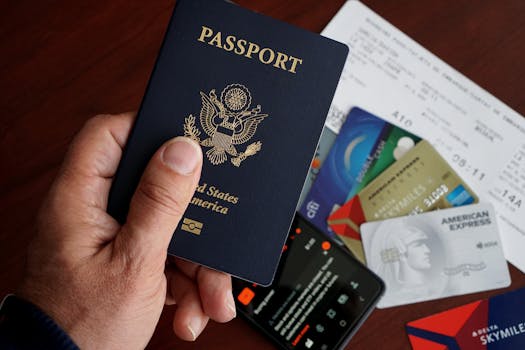
Credit Card Tricks Every Traveler Should Know (That Instagram Influencers Don't Want You To Know)
Remember that feeling? Scrolling through your feed, seeing yet another perfectly curated shot of an influencer sipping a cocktail in a swanky resort in the Maldives, or posing effortlessly in front of the Eiffel Tower, all tagged #sponsored or #ad? You probably thought, "Must be nice to get paid to travel!" And sure, some do. But what if I told you that many of those 'effortless' luxury trips, the upgraded hotel suites, the business class flights, and the seamless travel experiences aren't just about brand deals? What if the real secret weapon, the one they rarely highlight, is hiding right in your wallet?
I learned this the hard way. My first big solo trip was to Rome. I was young, excited, and thought I had everything figured out. Budgeted meticulously, booked my hostels, planned my daily gelato stops. What I didn't account for was the sneaky 3% foreign transaction fee on every single purchase I made with my basic credit card. By the time I got home and saw my statement, those euros I thought I'd saved were eaten up by bank fees. It was a gut punch. That's when I realized: being a smart traveler isn't just about finding cheap flights; it's about mastering the financial tools at your disposal.
Fast forward a few years, and I've flown business class to Tokyo for virtually free, stayed in five-star hotels using points, and navigated countless unexpected travel hiccups, all thanks to understanding the power of my credit cards. This isn't about going into debt; it's about using plastic responsibly to unlock incredible value. Instagram influencers might hint at "travel hacking," but they rarely dive into the nitty-gritty because, let's be honest, "reviewing a credit card's transfer partners" isn't as glamorous as a poolside selfie.
So, ditch the FOMO and get ready to become a travel finance wizard. Here are the credit card tricks every traveler should know, the ones that turn your everyday spending into extraordinary adventures.
1. The Golden Rule: Thou Shalt Not Pay Foreign Transaction Fees (Seriously!)
This is the absolute bedrock of smart international travel with credit cards. If you take away only one thing from this post, let it be this: get a credit card with no foreign transaction fees (NFTF).
My Rome Revelation:
As I mentioned, my first trip to Italy was a rude awakening. Every espresso, every ancient ruin ticket, every delicious pasta dish came with a hidden 3% surcharge. It felt like I was bleeding money. Imagine spending €1,000 in a week – that's €30 gone, just like that. That's a nice dinner, a souvenir, or three more gelatos!
What are they?
Foreign transaction fees are charges levied by your bank or credit card company for purchases made in a foreign currency or processed by a foreign bank. They typically range from 1% to 3% of the transaction amount. They add up faster than you can say "Ciao!"
The Solution:
Many excellent travel credit cards offer 0% foreign transaction fees. Popular options include:
* Chase Sapphire Preferred/Reserve: Both excellent, with the Reserve offering even more premium benefits.
* Capital One Venture X Rewards Credit Card: A fantastic all-rounder for earning miles.
* Various American Express, Citi, and even some no-annual-fee cards from credit unions often waive these fees.
Actionable Tip:
Before your next international trip, check your existing credit cards' terms and conditions. If they charge foreign transaction fees, it's time to consider applying for a new card. It's truly one of the easiest ways to save money abroad.
Imagine those extra euros buying you an Aperol Spritz in Rome instead of feeding bank fees! #NoForexFees #TravelSmart
2. Master the Points Game: Free Flights & Hotels Aren't a Myth
This is where the real magic happens, the kind of magic that makes those influencer trips look less like sponsorships and more like savvy budgeting. I'm talking about using credit card points and miles to fund flights, hotels, and even entire itineraries.
My First "Free" Flight High:
I still remember the thrill of booking my round-trip flight to Tokyo (a destination I thought was years out of reach) for just the cost of taxes – all thanks to points earned from my regular spending. It felt like I'd hacked the system, and in a way, I had.
How it Works:
* Sign-Up Bonuses are King: The fastest way to accumulate a mountain of points is through credit card sign-up bonuses. Many premium travel cards offer 50,000, 60,000, or even 100,000+ points after you spend a certain amount within the first few months (e.g., $4,000 in 3 months). Meeting this minimum spend isn't as hard as it sounds – just put all your regular expenses (groceries, utilities, gas, bills) on the new card. Pay it off immediately, of course!
* Category Bonuses: Some cards give you extra points for specific spending categories. For example, the Chase Sapphire Preferred offers 3x points on dining and 2x on travel. The Amex Gold Card offers 4x points on U.S. supermarkets and restaurants. Aligning your spending with these bonuses accelerates your points accumulation.
* Transfer Partners: The True Value: This is the advanced move. Many flexible points currencies (like Chase Ultimate Rewards, Amex Membership Rewards, Citi ThankYou Points) can be transferred to various airline and hotel loyalty programs. This is often where you get the most bang for your buck. For instance, 60,000 Chase Ultimate Rewards points might be worth $750 if redeemed through Chase's portal, but if you transfer them to a partner like Hyatt, those same points could get you two nights at a luxurious Park Hyatt hotel (like the Park Hyatt Kyoto, typically $1000+/night!) or a round-trip economy flight to Europe on United.
* Specific Example: I once used 25,000 Hyatt points (transferred from Chase) to stay a night at the Grand Hyatt Kauai, a resort where rooms regularly go for $500+. That was a 2-cent-per-point valuation, far better than the standard 1-1.5 cents.
Actionable Tip:
Research cards with generous sign-up bonuses and transfer partners that align with your travel goals. Don't just pick a card because it looks shiny; understand its earning structure and redemption options.
That business class seat to Tokyo? Not sponsored, just smart points strategy! #PointsAndMiles #TravelHacks
3. Beyond Points: Hidden Perks & Protections You're Missing
Credit cards offer far more than just points. Many premium cards come packed with benefits that can save you hundreds, if not thousands, of dollars and provide invaluable peace of mind when things go wrong. These are the unsung heroes of smooth travel.
My Peruvian Predicament:
On a trip to Peru, my luggage got delayed. I was stressed, picturing myself hiking Machu Picchu in the same clothes for days. But my credit card's trip delay insurance kicked in. They covered essential purchases like new clothes, toiletries, and even a new hiking shirt until my bag arrived. Total cost to me: $0. Relief: Priceless.
Key Perks to Look For:
* Travel Insurance: This is a huge one. Many cards offer:
* Trip Delay/Cancellation Insurance: Covers non-refundable expenses if your trip is delayed or canceled due to covered reasons.
* Lost/Delayed Luggage Insurance: Reimburses you for essential items if your bags are delayed, or for the value of your luggage if it's lost.
* Rental Car Insurance (Primary vs. Secondary): Crucial! Some cards offer primary coverage, meaning you don't need to file a claim with your personal car insurance first, saving you from increased premiums. Always check if it's primary or secondary.
* Lounge Access: Say goodbye to uncomfortable airport gate areas. Cards like the Chase Sapphire Reserve or Amex Platinum offer Priority Pass membership, granting you access to hundreds of airport lounges worldwide. Enjoy complimentary food, drinks, Wi-Fi, and a quiet space to relax before your flight. I've saved countless dollars on overpriced airport meals and enjoyed showers during long layovers thanks to lounge access.
* Elite Status Benefits: Some cards automatically grant you hotel elite status (e.g., Hilton Gold, Marriott Bonvoy Gold Elite). This can mean free breakfast, room upgrades, late checkout, and bonus points – perks that make your stays feel much more luxurious.
* Purchase Protection & Extended Warranty: Not just for travel, but incredibly useful. If an item you bought with your card is stolen or damaged within a certain period, the card company might reimburse you. They also often extend the manufacturer's warranty.
Actionable Tip:
Read your credit card's benefits guide! Most people just skim it or toss it. Dig into the details of your card's travel insurance, lounge access, and other protections. You might be sitting on a goldmine of benefits you never knew you had.
While others stress about flight delays, I'm sipping champagne in the lounge. Guess who's winning? #TravelPerks #LoungeLife
4. ATM & Currency Exchange: Don't Get Ripped Off!
Getting local currency abroad can be a minefield of hidden fees and terrible exchange rates. Avoid tourist traps and make sure your cash withdrawals are as cost-effective as possible.
My Vietnam Vignette:
In Hanoi, I once saw an ATM offering "convenient" USD conversion. My gut told me no, and a quick calculation on my phone confirmed it: they were offering an exchange rate significantly worse than the official bank rate. Had I accepted, I would've lost about 10% of my withdrawal to their "convenience."
The Golden Rules of ATM & Currency Exchange:
* Debit Cards with No ATM Fees & Good Exchange Rates: For cash withdrawals, a debit card from a bank like Charles Schwab (Investor Checking Account) or Fidelity Cash Management is a game-changer. They reimburse all ATM fees worldwide and offer excellent exchange rates. This means you can withdraw small amounts as needed without worrying about racking up $5-$10 per transaction.
* Always Decline Dynamic Currency Conversion (DCC): This is CRUCIAL. When paying with your credit card or withdrawing cash, you might be asked, "Would you like to pay in USD or local currency?" ALWAYS choose local currency. If you choose USD, the merchant or ATM operator applies their own terrible exchange rate, which is almost always worse than your bank's rate. This is how they make extra profit off unsuspecting travelers.
* My Mantra: "Charge me in local currency!" Say it loud, say it proud.
* Carry Some Local Cash, But Not Too Much: It's always wise to have a small amount of local currency for small vendors, tips, or emergencies. But relying solely on cash is risky and often less rewarding than using a credit card for points.
Actionable Tip:
Before you leave, get a no-ATM-fee debit card for cash withdrawals. And practice saying "local currency, please" in your head (or even in the local language if you're feeling adventurous!).
Say NO to DCC! Your wallet will thank you, and so will your travel budget. #CurrencyExchange #TravelMoney
5. Security & Safety: Protect Your Plastic & Your Peace of Mind
While credit cards offer immense benefits, they also require responsible handling, especially when traveling. Safeguarding your financial information is paramount.
My Barcelona Scare:
I once had my credit card skimmed in Barcelona. Thankfully, I was monitoring my account, noticed a suspicious charge almost immediately, and called my bank. Because of their robust fraud protection, the fraudulent charges were reversed, and a new card was rushed to me. It was a minor inconvenience rather than a major disaster.
Smart Security Practices:
* Notify Your Bank of Travel Plans: While many banks no longer require this, it's still a good habit. A quick call or online notification can prevent your card from being flagged for suspicious activity and declined when you're trying to pay for dinner in a foreign country.
* Have Backup Cards (and Keep Them Separate!): Never travel with just one card. Keep a primary card in your wallet, a backup in a separate bag (e.g., your backpack), and perhaps another tucked away in your hotel safe. If one is lost, stolen, or compromised, you won't be stranded.
* Monitor Your Statements Regularly: Log in to your online banking every few days while traveling to check for any unauthorized transactions. Catching fraud early minimizes your liability and stress.
* Use a VPN on Public Wi-Fi: When making online purchases or accessing banking information on public Wi-Fi networks (like in airports or cafes), always use a Virtual Private Network (VPN). This encrypts your data, protecting it from potential hackers.
* Know Your Card's Fraud Protection Policies: Most major credit cards offer zero-liability fraud protection, meaning you won't be held responsible for unauthorized charges. Understand how to report fraud and what steps your bank will take.
Actionable Tip:
Before you leave, take photos of the front and back of all your credit cards (and passport) and store them securely in a cloud service or encrypted document. This makes it easier to report lost/stolen cards and access account numbers if needed.
Travel smart, not scared. Your credit card is your shield! #TravelSecurity #FraudProtection
6. The Dark Side of Influencer 'Hacks': What They Don't Tell You
Now, let's address the elephant in the room – those influencers. While they might inspire you with beautiful destinations, the "hacks" they sometimes hint at often come with unspoken caveats or outright dangers.
- Debt is NOT a Hack: This is the most critical point. Credit card rewards are only truly rewarding if you pay your balance in full, every single month. Carrying a balance means paying interest, which quickly negates any points or benefits you earn. An influencer might show off a massive sign-up bonus, but they won't tell you if they went into debt to meet the minimum spend. Real travel hacking is about leveraging your existing spending, not spending more than you can afford.
- Annual Fees vs. Benefits: Premium travel cards often come with hefty annual fees ($95 to $695+). Influencers might gloss over these or focus only on the flashiest perks. You need to do the math: do the benefits (lounge access, travel credits, insurance) genuinely outweigh the annual fee for your travel style and spending habits? If you only travel once a year, a high-fee card might not be worth it.
- Credit Score Impact: Applying for multiple credit cards, especially in a short period, can impact your credit score. Each application results in a "hard inquiry," which temporarily dings your score. While savvy travelers manage this, influencers rarely discuss the mechanics of maintaining a healthy credit profile while chasing bonuses.
- Manufactured Spending (MS): Some influencers might vaguely refer to "creative ways to meet minimum spend." This often hints at manufactured spending – buying and liquidating gift cards or using payment services to generate spending without actually buying goods/services. This is risky, often against card issuer terms and conditions, and can lead to account shutdowns. It's not a sustainable or recommended strategy for the average traveler.
Actionable Tip:
Be skeptical. If a "hack" sounds too good to be true, it probably is. Focus on responsible, sustainable strategies that leverage your natural spending habits and prioritize paying off your balance.
Real travel hacks don't involve going into debt. Period. #ResponsibleTravel #InfluencerSecrets
Your Wallet, Your Passport to Smarter Travel
So, there you have it. The real secrets to traveling smarter, cheaper, and with more peace of mind aren't found in sponsored posts or perfectly filtered selfies. They're found in understanding and leveraging the powerful financial tools you already possess – your credit cards.
From eliminating foreign transaction fees to scoring 'free' flights and hotels, protecting yourself with robust travel insurance, and navigating currency exchange like a pro, these tricks will transform your travel game. You don't need a brand deal to experience luxury; you just need to be a savvy traveler.
Start by auditing your current cards. What benefits are you missing out on? What fees are you unnecessarily paying? Then, research cards that align with your travel aspirations. The world is waiting, and your credit card is ready to help you explore it, one smart swipe at a time.
Now go forth, travel smart, and leave the #ad for someone else. Your adventures are about to get a serious upgrade.
What's your favorite credit card travel hack? Share your tips in the comments below!
---