The Future is Now: My Journey Through Nations Redefining Travel Infrastructure
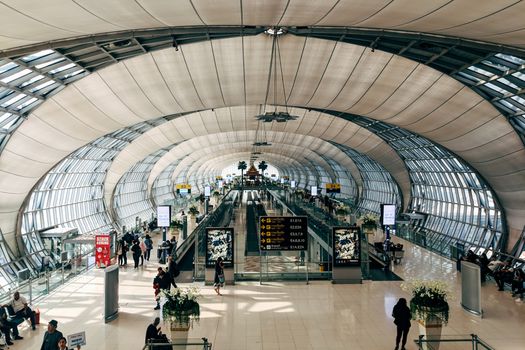
I stepped off the plane, not into the familiar hum of a bustling, slightly chaotic international terminal, but into a serene, almost futuristic atrium. The air was cool, crisp, and carried the faint, pleasant scent of polished wood and… was that a hint of blooming jasmine? Sunlight streamed through vast, intelligent glass panels, illuminating a space that felt more like an art installation than an airport. This wasn't just a transit hub; it was a statement. A promise of what was to come. And it was just the beginning of my deep dive into the countries with the fastest improving infrastructure right now.
For too long, travel guides have focused on the well-trodden paths, the established giants. But the real thrill, the true adventure, lies in witnessing – and experiencing – the seismic shifts happening beneath our feet. These are the nations investing not just in roads and runways, but in creating seamless, sustainable, and utterly exhilarating travel experiences. They’re building the future, and they’re doing it with breathtaking speed.
1. Rwanda: The Singapore of Africa Rises
Forget what you thought you knew about East Africa. Rwanda is a masterclass in ambition and execution. I arrived expecting a nation still rebuilding, but instead, I found a vibrant, immaculately clean Kigali, a city that hums with a quiet efficiency I’ve rarely encountered.
The Transformation:
* Visionary Leadership: President Paul Kagame’s commitment to development is palpable. They’re not just talking about progress; they’re building it.
* Airport of the Future: The new Bugesera International Airport (BRD) is a game-changer. Designed to be a regional hub, its scale and modernity are astounding. Think solar-powered terminals and advanced logistics.
* Connectivity Boom: Mobile network coverage is extensive, and internet speeds are improving dramatically, making it easier than ever to stay connected and explore.
* Urban Renewal: Kigali’s streets are spotless, its public transport system is being modernized, and there's a palpable sense of order and forward momentum.
Pro-Tip:
Visit Kigali during the Umuganda (Community Clean-up Day) on the last Saturday of the month. While most businesses are closed until 11 AM, experiencing the collective spirit and seeing the city’s pristine condition firsthand is incredibly insightful.
Quick Facts - Rwanda:
* Estimated Costs ($): Budget traveler: $40-60/day. Mid-range: $80-120/day. Luxury: $200+/day.
* Best Time to Visit: Dry seasons (June-September and December-February).
* How to Get There: Major international flights into Kigali International Airport (KGL). Bugesera (BRD) is slated for partial opening soon.
2. Vietnam: High-Speed Dreams on the Horizon
Vietnam has always been a sensory explosion – the fragrant pho broth, the cacophony of motorbikes, the emerald rice paddies. But now, it’s also a nation rapidly upgrading its arteries, promising a future of effortless exploration.
The Transformation:
* North-South High-Speed Rail: This is the big one. Vietnam is heavily investing in a high-speed rail network that will eventually connect Hanoi to Ho Chi Minh City. While still under construction, sections are opening, and the ambition is immense. Imagine zipping between cities in a fraction of the time.
* Modernizing Airports: Major hubs like Noi Bai (Hanoi) and Tan Son Nhat (Ho Chi Minh City) are undergoing significant expansions and upgrades. Phu Quoc’s international airport is a testament to the island's burgeoning tourism.
* Smart City Initiatives: Cities like Da Nang are leading the charge in smart city development, integrating technology into urban planning for better traffic management, public services, and citizen engagement.
* Digital Backbone: Internet penetration is high, and 5G is rolling out, making it a connected nation ready for the digital traveler.
Pro-Tip:
For an authentic glimpse of infrastructure in motion, take a local bus or a train (even the non-high-speed ones!) between smaller towns. You’ll see the ongoing work and experience local life. Book train tickets in advance, especially for overnight journeys.
Quick Facts - Vietnam:
* Estimated Costs ($): Budget traveler: $25-45/day. Mid-range: $50-80/day. Luxury: $150+/day.
* Best Time to Visit: Varies by region. North: March-May, September-November. Central: January-August. South: December-April.
* How to Get There: International airports in Hanoi (HAN), Da Nang (DAD), and Ho Chi Minh City (SGN).
3. Morocco: Bridging Tradition and Tomorrow
Morocco has always captivated with its ancient medinas and vibrant souks. But look beyond the labyrinthine alleys, and you’ll find a nation embracing modernity with gusto, particularly in its transportation and urban development.
The Transformation:
* Al Boraq High-Speed Rail: This is the jewel in Morocco’s crown. The Al Boraq line, connecting Tangier to Casablanca, is Africa’s first high-speed train. It’s a sleek, efficient marvel that makes travel between these key cities an absolute breeze. The journey itself is an experience.
* Airport Upgrades: Marrakech’s Menara Airport and Casablanca’s Mohammed V International Airport have seen significant modernizations, enhancing passenger experience and capacity. New airports are also being planned.
* Road Network Expansion: The country boasts an excellent network of highways connecting major cities, making road trips comfortable and efficient.
* Renewable Energy Push: Morocco is a leader in renewable energy, with massive solar power projects like Noor Ouarzazate. This commitment to sustainable infrastructure is crucial for its future.
Pro-Tip:
Take the Al Boraq train. Book your tickets online or at the station a day or two in advance. The journey from Tangier to Casablanca is incredibly smooth and offers beautiful views of the countryside.
Quick Facts - Morocco:
* Estimated Costs ($): Budget traveler: $30-50/day. Mid-range: $60-100/day. Luxury: $180+/day.
* Best Time to Visit: Spring (March-May) and Autumn (September-November) for pleasant temperatures.
* How to Get There: Major international airports in Casablanca (CMN), Marrakech (RAK), Tangier (TNG), and Rabat (RBA).
4. Colombia: Reconnecting a Nation
Colombia has undergone a remarkable transformation, moving beyond its past challenges to emerge as a vibrant, connected, and increasingly accessible destination. The focus on infrastructure has been key to this resurgence.
The Transformation:
* Bogotá’s Metro: After decades of planning, Bogotá’s first metro line is finally under construction, a monumental project that promises to revolutionize urban mobility in the capital.
* Airport Modernization: Medellín’s José María Córdova International Airport (MDE) and El Dorado International Airport (BOG) in Bogotá have seen significant upgrades, improving connectivity and passenger experience.
* Road and Highway Networks: Investments in highways have made travel between major cities like Medellín, Bogotá, and the Coffee Region much safer and more efficient.
* Digital Infrastructure: Internet access and mobile connectivity are expanding rapidly, especially in urban centers, making it easier for travelers to navigate and stay in touch.
Pro-Tip:
Explore Medellín’s public transport, including the Metrocable. It’s a fantastic example of how infrastructure can connect communities and offer breathtaking city views. Ride it during off-peak hours for a more relaxed experience.
Quick Facts - Colombia:
* Estimated Costs ($): Budget traveler: $35-55/day. Mid-range: $70-110/day. Luxury: $180+/day.
* Best Time to Visit: December-March and July-August (dry seasons).
* How to Get There: Major international airports in Bogotá (BOG), Medellín (MDE), and Cartagena (CTG).
5. Saudi Arabia: The Giga-Project Revolution
Saudi Arabia is undergoing perhaps the most dramatic and visible infrastructure overhaul on the planet, driven by its ambitious Vision 2030. This isn't just improvement; it's a complete reimagining.
The Transformation:
* NEOM and the Line: The most talked-about project is NEOM, a futuristic smart city and region. "The Line," a 170km-long linear city, promises zero cars, zero streets, and zero carbon emissions. While still in its early stages, its sheer scale and innovation are mind-boggling.
* New Airports and Rail: King Abdulaziz International Airport (Jeddah) has a stunning new terminal, and Riyadh’s King Khalid International Airport is also undergoing major expansion. The Haramain high-speed railway connecting Mecca and Medina is already a world-class marvel.
* Red Sea Project & AMAALA: These luxury tourism destinations are being built from the ground up with cutting-edge sustainable infrastructure, from desalination plants to waste management systems.
* Digital Integration: Smart city technologies are being integrated across new developments, aiming for seamless connectivity and citizen services.
Pro-Tip:
While NEOM is future-facing, experience the present-day infrastructure by taking the Haramain high-speed train between Mecca and Medina. It’s a testament to modern engineering and spiritual accessibility. Book tickets well in advance, especially during peak religious seasons.
Quick Facts - Saudi Arabia:
* Estimated Costs ($): Budget traveler: $60-90/day (difficult but possible). Mid-range: $120-200/day. Luxury: $300+/day.
* Best Time to Visit: October-April for cooler temperatures.
* How to Get There: Major international airports in Riyadh (RUH), Jeddah (JED), and Dammam (DMM).
---
Why This Matters for You, the Traveler
These aren't just abstract development projects. They translate directly into your travel experience. Imagine:
- Faster Journeys: Spend less time in transit and more time exploring.
- Smoother Connections: Seamless transfers between airports, trains, and cities.
- Enhanced Comfort: Modern facilities, reliable connectivity, and improved safety.
- Unique Experiences: Witnessing cutting-edge urban planning and sustainable living firsthand.
- Being an Early Adopter: Discovering destinations before they become overrun, experiencing them in their most authentic, evolving phase.
The world is changing, and these nations are at the forefront, building the pathways for our future adventures. They’re not just laying down concrete; they’re laying the groundwork for incredible new ways to see and experience our planet. So, pack your bags, keep an open mind, and get ready to be amazed. The future of travel is being built, and you can be one of the first to experience it.
---