The Hook: A Kyoto Evening Without the Sting of the Bill
I stepped off the Shinkansen at Kyoto Station, the sharp scent of damp cedar and roasted green tea immediately filling the air. Rain was slicking the cobblestones of the Gion district as my private car pulled up to a discreet, centuries-old ryokan. Inside, my personal attendant, clad in a silk kimono that rustled softly with every step, served a multi-course kaiseki dinner of A5 Wagyu beef and hand-grated wasabi directly to my room. The service was immaculate, anticipatory, and flawless.
In New York or London, a night of this caliber—complete with private butler service and Michelin-level dining—would culminate in a frantic mental math session, tacking on a 20% to 25% tip that instantly adds hundreds of dollars to the final invoice.
But when I settled my bill in Kyoto, the total was exactly what was printed on the menu. Not a single yen more. When I tried to hand a gratuity to my host, she politely but firmly declined with a deep bow, sliding the envelope back across the tatami mat.
This is the hidden magic of the luxury travel arbitrage. In many of the world’s most spectacular destinations, the local tipping culture—or complete lack thereof—acts as a natural price ceiling. It keeps high-end dining, private guiding, and five-star hospitality incredibly cost-effective. If you want to experience the absolute pinnacle of travel without the financial hangover of Western tipping expectations, these are the countries where tipping culture keeps luxury affordable worth considering.
---
1. The Psychology of the "No-Tip" Luxury Arbitrage
To understand why these destinations offer such incredible value, we have to look at the economics of the hospitality industry. In countries like the United States, luxury is often priced as an "a la carte" financial experience. The room rate or menu price is merely the baseline; you must mentally add local taxes, resort fees, and the ubiquitous 20% gratuity for staff.
In contrast, countries with non-existent or highly regulated tipping structures operate on a model of transparent pricing.
- All-Inclusive Wages: Staff are paid living wages directly by the establishment, meaning the price you see covers the true cost of elite service.
- No "Guilt Tax": You never have to worry about whether you tipped enough to guarantee good service on your next visit.
- Predictable Budgeting: Your luxury budget goes 100% toward the actual experience, rather than subsidizing payroll.
By choosing destinations that reject the Western tipping model, or those where a modest, structured tip is viewed as an extraordinary gesture, you instantly reclaim up to 30% of your travel purchasing power.
---
2. Japan: The Gold Standard of Zero-Tipping Opulence
In Japan, tipping is not just unnecessary; it is actively discouraged and can occasionally be perceived as an insult. The Japanese concept of Omotenashi—wholehearted hospitality—means that exceptional service is considered the baseline standard, not an extra to be purchased with a cash bribe.
The Luxury Experience
Imagine booking a private, open-air hot spring (onsen) bath overlooking the misty valleys of Hakone. You enjoy a twelve-course dinner featuring sea urchin, fatty tuna, and local matsutake mushrooms.
At a high-end sushi den in Tokyo’s Ginza district, where the chef prepares each piece of nigiri with surgical precision, the price of admission is steep, but it is absolute. There are no surprise service charges added to your credit card at the end of the night.
```
Pro-Tip: If you are staying at a traditional ryokan and a master craftsman or head housekeeper goes wildly out of their way for you, you can present a small gift (like high-end sweets from your home country) wrapped beautifully, or cash placed strictly inside a clean, unsealed envelope (shugi-bukuro), handed over with both hands and a polite bow. Never hand loose cash directly from your pocket.
```
---
3. Vietnam: Five-Star Indulgence for Three-Star Prices
Vietnam offers some of the most dramatic luxury-to-cost ratios on the planet. While tipping is becoming more common in casual tourist hubs, the country’s ultra-luxury sector—think private pool villas in Nha Trang or colonial-era estates in Da Lat—operates on a highly structured, low-cost system.
The Luxury Experience
At the InterContinental Danang Sun Peninsula Resort, designed by architectural mastermind Bill Bensley, you can stay in a cliffside suite with a private infinity pool overlooking a private bay. A personal butler is assigned to your villa for the duration of your stay.
In Vietnam, a standard service charge of 5% is typically added to high-end hotel and restaurant bills. Because of this, additional tipping is entirely optional and highly appreciated but kept to nominal amounts. A tip of 100,000 VND (about $4 USD) to your private driver or spa therapist is considered generous and ensures VIP treatment.
- Average Private Yacht Charter (Halong Bay): $1,200/day (compared to $5,000+ in the French Riviera).
- The Tipping Reality: A flat $20 USD tip split among the entire boat crew at the end of the day will make you a legend.
---
4. Morocco: The Art of the Strategic Baksheesh
Morocco presents a different angle on the tipping equation. Here, tipping—locally referred to as baksheesh—is deeply woven into the social fabric. However, because the cost of living is relatively low, even generous tipping remains incredibly inexpensive for foreign travelers.
The Luxury Experience
In Marrakech, luxury looks like renting a private riad (a traditional courtyard mansion) in the heart of the ancient Medina, complete with a private chef, plunge pool, and rooftop terrace scented with orange blossom water.
In Morocco, strategic tipping allows you to curate an elite-tier experience for pennies on the dollar. A tip of 50 MAD (roughly $5 USD) to a local museum docent can unlock private, closed-off chambers of historic palaces. A 100 MAD ($10 USD) tip to your riad's house manager on day one ensures that fresh mint tea and warm pastries appear on your terrace at any hour of the day or night.
```
Insider Secret: When visiting the sensory-overload souks of Fes, hire an official, licensed guide through your hotel. Tip them 200 MAD ($20 USD) at the start of the day. They will navigate you away from high-pressure sales stalls and directly into the private workshops of master brass-smiths and weavers, saving you hundreds of dollars in marked-up souvenirs.
```
---
5. South Korea: High-Tech Pampering and Hanok Luxury
Much like Japan, South Korea maintains a strict no-tipping policy across all sectors of society. From taxi drivers to therapists at elite K-beauty clinics in Seoul’s Gangnam district, attempting to leave a tip will result in confusion and polite refusal.
The Luxury Experience
South Korea has perfected the art of high-tech luxury. Think of the Signiel Seoul, located on the upper floors of the Lotte World Tower, where you can soak in a marble tub overlooking the Han River from 100 stories up.
Furthermore, Korea’s luxury wellness industry is legendary. You can book a customized, 90-minute facial using fermented red ginseng at the exclusive Sulwhasoo Spa for around $150 USD. In Los Angeles or New York, a comparable treatment at a high-end hotel spa would easily run $400 USD before tax and a mandatory 22% service charge.
- No Hidden Fees: The price listed on the spa menu or hotel booking engine includes the 10% VAT (Value Added Tax).
- What You Pay: Exactly what is written on the price tag.
---
6. Thailand: Wellness Sanctuaries and Yacht Charters
Thailand is globally famous for its warm hospitality, often referred to as the "Land of Smiles." In high-end wellness resorts in Koh Samui or Phuket, a 10% service charge and 7% government tax (VAT) are automatically added to your bill. Because of this, tipping is not culturally expected, though small gestures go a long way.
The Luxury Experience
At world-renowned wellness retreats like Chiva-Som in Hua Hin, your stay includes personalized nutrition, daily spa treatments, and private yoga instruction.
Because the baseline service charge is already factored into the pricing, you do not need to calculate tips for your massage therapists, fitness instructors, or private chefs. If you wish to show extra appreciation for truly exceptional service, leaving a flat 500 THB ($14 USD) in the resort's communal tip box at checkout is the perfect, stress-free solution.
---
The Ultimate Luxury Budget & Logistics Blueprint
To help you plan your next high-end escape, here is a direct comparison of what you can expect to spend and how to navigate the local logistics.
| Destination | Tipping Culture | Average 5-Star Nightly Rate ($ USD) | Best Time to Visit | Transit & Arrival Hack |
| :--- | :--- | :--- | :--- | :--- |
| Japan | Strictly Forbidden. Exceptional service is standard. | $450 - $800 | October - November (Autumn Foliage) | Take the Tokyo Monorail from Haneda; it connects directly to the Yamanote line and is faster than a taxi. |
| Vietnam | Minimal. 5% service charge usually included. | $200 - $400 | February - April (Spring) | Use the Grab app for airport transfers to avoid taxi scams; link your credit card beforehand. |
| Morocco | Strategic. Small, frequent tips unlock doors. | $250 - $500 | March - May (Spring) | Book a VIP fast-track arrival service at Marrakech Menara Airport to bypass the grueling customs queue. |
| South Korea | No Tipping. Completely transparent pricing. | $300 - $600 | September - November (Cool & Dry) | Rent a portable Wi-Fi egg at Incheon Airport; Google Maps doesn't work well; use Naver Map instead. |
| Thailand | Standardized. 10% service charge is baked in. | $250 - $500 | November - February (Cool Season) | Book airport transfers directly through your five-star hotel to receive VIP fast-track immigration passes. |
---
How to Pack Your "Tipping Kit" for Global Travel
If you are traveling to countries where strategic tipping is the norm (like Morocco or Vietnam), preparation is key to maintaining your sophisticated, stress-free travel aesthetic.
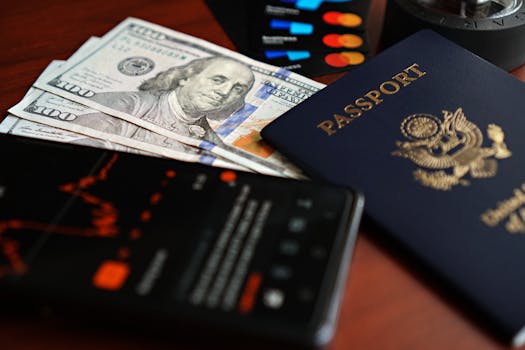
- The Crisp Bill Rule: In Southeast Asia and North Africa, local banks and money changers are incredibly picky about foreign currency. If you carry USD or Euros to exchange, ensure the bills are brand new, crisp, and completely free of tears, folds, or ink marks.
- The Envelope Method: Keep a pack of small, elegant, unsealed paper envelopes in your carry-on. In Asian cultures, handing over naked cash is considered crude. Presenting your tip or payment inside an envelope elevates the gesture into an act of respect.
- Local Currency Breakdown: Upon arrival at your destination, immediately break a large bill at an airport convenience store to secure a pocketful of small-denomination local notes. There is nothing more awkward than wanting to tip a helpful porter but only having the equivalent of a $50 bill in your wallet.
---
The Verdict: Redefining Luxury on Your Own Terms
Luxury shouldn't be defined by how much stress you experience when the check arrives. By choosing destinations that prioritize transparent pricing, fair wages, or highly structured, low-cost tipping systems, you unlock a superior class of travel.
You can enjoy the private plunge pools, the Michelin-starred tasting menus, and the dedicated butler service without the constant, low-grade anxiety of Western tipping calculations. It is time to travel smarter, leverage local culture, and experience true luxury for exactly what it's worth.
---