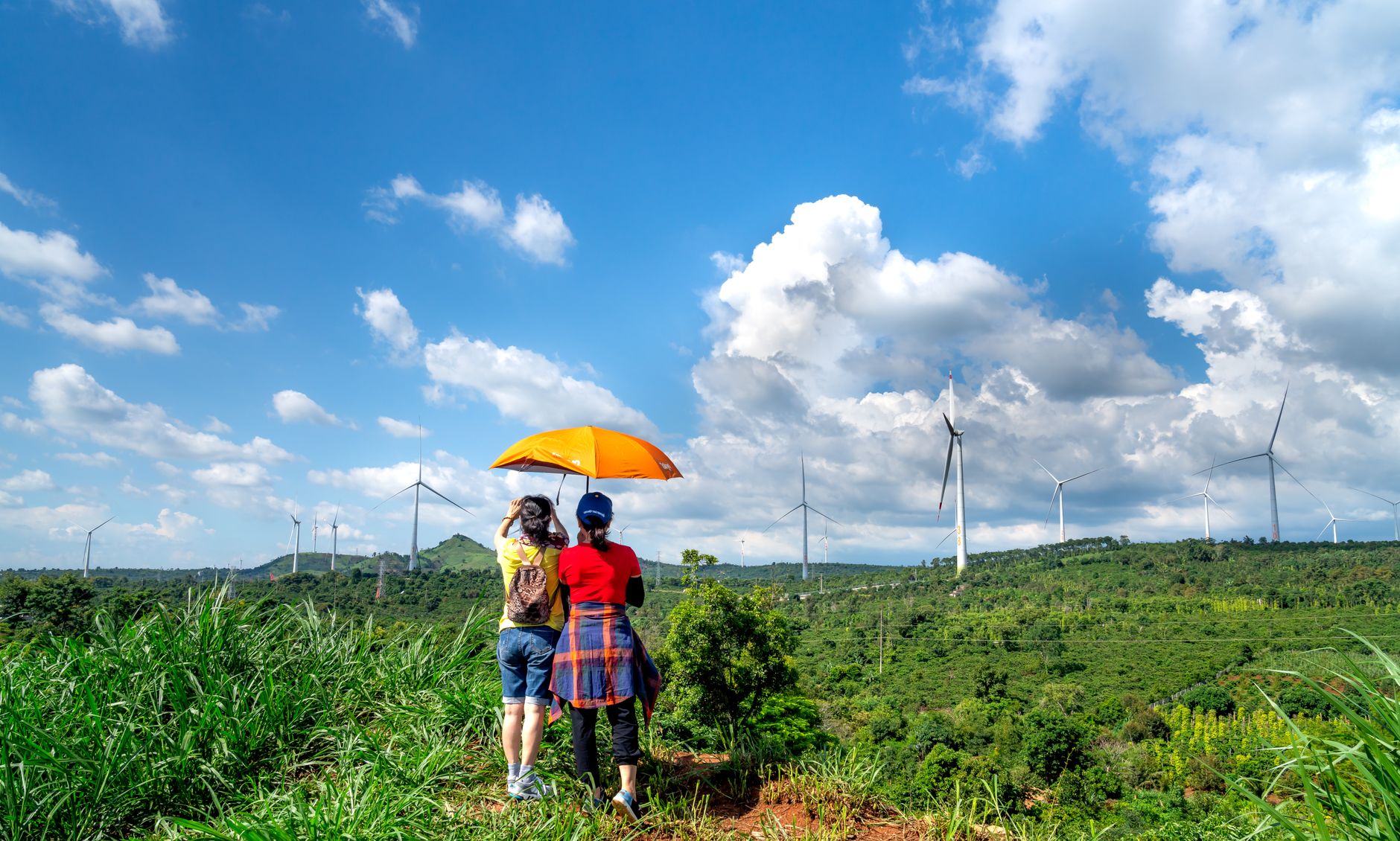
Remember that time you finally made it to that iconic landmark, only to find yourself jostling for a photo amidst a sea of selfie sticks, the magic diluted by the sheer volume of visitors? I do. It was a moment that sparked a realization: while those bucket-list spots are undeniably beautiful, the true essence of travel – connection, discovery, and genuine immersion – often lies beyond the well-trodden path.
For years, my wanderlust has been tempered by a growing awareness of our impact on the planet. I started asking, "How can I explore the world without inadvertently loving it to death?" This question led me down a fascinating rabbit hole, revealing a quiet revolution happening in corners of our globe. Countries, often smaller and fiercely protective of their natural and cultural heritage, are actively pioneering sustainable tourism models, not as a trend, but as a fundamental way of life.
These aren't just places with a few eco-lodges; these are nations embedding sustainability into their very tourism policies, protecting biodiversity, empowering local communities, and ensuring that every visitor leaves a positive footprint. The best part? Many of them are still flying under the radar, offering a chance to experience their unique magic before the crowds descend.
At Tripsora, we believe in mindful exploration. So, pack your ethically sourced bags, because we’re about to unveil the unsung heroes of sustainable travel – the countries leading the charge before they become mainstream.
Slovenia: Europe’s Emerald Jewel, Pioneering Slow Travel
My first encounter with Slovenia felt like stepping into a fairytale. The moment I arrived in Ljubljana, its capital, I was struck by its car-free city center, vibrant green spaces, and the gentle flow of the Ljubljanica River. It wasn't just pretty; it felt right. Slovenia, a country roughly the size of New Jersey, has consistently ranked as one of the world's greenest destinations, even earning the title of European Green Capital in 2016.
Why it's leading:
Slovenia’s commitment to sustainability isn't just talk; it's ingrained in its national strategy. They’ve developed the ‘Green Scheme of Slovenian Tourism’, a certification system that evaluates and promotes sustainable practices across the entire tourism sector. From bee-friendly initiatives (Slovenia is a nation of beekeepers!) to extensive public transport networks and a focus on farm-to-table cuisine, their approach is holistic. They champion 'slow travel' – encouraging visitors to linger, connect with nature, and engage with local culture.
My personal take:
I spent a week hiking through the Julian Alps, staying in a family-run guesthouse near Lake Bohinj. Each morning, I’d wake to the scent of fresh pine and local pastries, setting off on trails that felt untouched. One afternoon, while foraging for wild berries with my host's grandmother, she shared stories of their family's deep connection to the land. It wasn't just a hike; it was an education in respecting the environment and appreciating the simple, profound beauty of nature. The lack of crowds, even at popular spots like Lake Bled (which I visited early morning), made the experience infinitely more serene.
Specifics & Tips:
* Ljubljana: Explore the pedestrianized city center, cycle along the river, and visit the Central Market for local produce. Many restaurants prioritize local ingredients.
* Julian Alps & Triglav National Park: Opt for hiking with certified local guides who emphasize Leave No Trace principles. Stay in eco-certified hotels or farm stays (agriturismo) like those found in the Soča Valley. Prices for a cozy guesthouse can range from €60-€100 per night.
* Velika Planina: Experience traditional shepherd life; some huts even offer overnight stays.
* Actionable Advice: Utilize Slovenia's excellent public transport (buses, trains) to reduce your carbon footprint. Choose accommodations that proudly display their 'Green Scheme' certification. Engage in culinary experiences focused on local, seasonal ingredients – don't leave without trying their traditional pogača bread.
Palau: The Ocean’s Sentinel, Where Conservation is Law
Imagine a nation so dedicated to protecting its marine environment that it requires every visitor to sign an environmental pledge upon arrival. That’s Palau, a tiny island nation in Micronesia, and a true pioneer in ocean conservation. Before even clearing customs, you’re asked to sign the "Palau Pledge" in your passport, promising to "tread lightly, act kindly, and explore mindfully." This isn't just a gesture; it's a legally binding commitment.
Why it's leading:
Palau is a global leader in marine conservation. In 2015, it created one of the world's largest marine sanctuaries, protecting 80% of its waters from fishing and mining. Their high-value, low-impact tourism model prioritizes preserving their pristine coral reefs, unique marine lakes, and rich biodiversity. The Palau Pledge ensures every visitor understands and commits to these values from the outset.
My personal take:
Signing that pledge felt incredibly powerful. It set the tone for my entire trip. Snorkeling in the Rock Islands Southern Lagoon, a UNESCO World Heritage site, was an otherworldly experience. The sheer abundance of marine life – vibrant corals, schools of iridescent fish, gentle reef sharks – was unlike anything I'd witnessed. My local guide, a passionate marine biologist, made sure we maintained a respectful distance, never touching the coral, and using only reef-safe sunscreen. He spoke of the ocean as a living entity, and his reverence was contagious.
Specifics & Tips:
* Rock Islands Southern Lagoon: Explore these mushroom-shaped limestone islands and their surrounding reefs. Guided tours (around $100-$150/day including permits) are essential and typically adhere to strict environmental guidelines.
* Jellyfish Lake (check current status): This unique lake, home to millions of non-stinging jellyfish, has strict rules for visitors to ensure the health of its delicate ecosystem. Access is often restricted or closed for conservation. Always check current regulations.
* Actionable Advice: Sign the Palau Pledge with sincerity. Bring reef-safe sunscreen (non-nano zinc oxide or titanium dioxide). Choose tour operators who are certified and demonstrate genuine commitment to conservation. Avoid single-use plastics and dispose of waste responsibly. Respect all marine life – look, but don't touch.
Bhutan: The Kingdom of Gross National Happiness, Redefining Value
Bhutan has long been an enigma, a Himalayan kingdom that intentionally limits tourism to preserve its unique culture and pristine environment. Their philosophy of "Gross National Happiness" (GNH) prioritizes well-being over economic growth, and this ethos permeates every aspect of their tourism model. While not a "cheap" destination due to its mandatory daily tariff, this very structure ensures high-value, low-impact tourism.
Why it's leading:
Bhutan is famously carbon-negative, absorbing more CO2 than it emits. The daily minimum expenditure fee (around $200-$250 USD per person per day, which covers accommodation, food, guide, transport, and a sustainable development fee) ensures that tourism benefits the entire nation, funding free education, healthcare, and infrastructure, while deterring mass tourism. This policy makes it a pioneer in truly sustainable, culturally respectful travel.
My personal take:
The moment my Drukair flight descended into Paro Valley, I felt a sense of calm. The air was crisp, the mountains majestic, and the traditional architecture breathtaking. My guide, Tashi, was more than just an escort; he was a storyteller, a cultural ambassador. Trekking to Paro Taktsang (Tiger's Nest Monastery) was physically demanding but spiritually uplifting, the air filled with the scent of juniper and the sound of prayer flags fluttering. Staying in a small, family-run guesthouse, sharing meals of red rice and fiery ema datshi (chilli and cheese stew), felt like being welcomed into a private world. Every interaction reinforced the idea that I was a guest in a sacred land, and my presence contributed directly to its preservation.
Specifics & Tips:
* Paro Taktsang (Tiger's Nest): The iconic monastery is a must-see. The trek is challenging but rewarding.
* Punakha Dzong: A stunning fortress-monastery at the confluence of two rivers.
* Thimphu: Explore the capital, visit the Buddha Dordenma statue, and the National Memorial Chorten.
* Actionable Advice: Embrace the high-value, low-impact model – your daily tariff directly supports the country’s sustainable development. Engage deeply with your local guide; they are a wealth of knowledge. Respect local customs and traditions, dress modestly, especially when visiting religious sites. Consider a homestay or smaller guesthouse for a more authentic experience.
Rwanda: From Recovery to Responsible Wilderness, A Conservation Success Story
Rwanda, a nation that has risen from a tragic past with remarkable resilience, is now a global leader in conservation-led tourism. Its commitment to protecting its incredible biodiversity, particularly the critically endangered mountain gorillas, while ensuring tourism benefits local communities, is truly inspiring.
Why it's leading:
Rwanda has adopted a high-value, low-volume approach to gorilla trekking, with permits costing $1,500 USD per person. This significant investment directly funds conservation efforts, anti-poaching initiatives, and community development projects, ensuring that local populations see direct benefits from protecting these magnificent creatures. Beyond gorillas, Rwanda is diversifying its offerings with ecotourism in its other national parks, always with a strong focus on sustainability and community empowerment.
My personal take:
The morning I set out for gorilla trekking in Volcanoes National Park was filled with anticipation and a touch of trepidation. After a thorough briefing, our small group hiked through dense bamboo forests, the air thick with mist. When we finally encountered a family of gorillas – a silverback, mothers, and playful juveniles – it was utterly breathtaking. We spent an hour observing them, their gentle power and human-like expressions leaving an indelible mark. Later, visiting a local community project supported by tourism funds, I saw firsthand how my permit fee contributed to schools and healthcare. It transformed the experience from a wildlife encounter into a profound lesson in responsible travel and the power of conservation.
Specifics & Tips:
* Volcanoes National Park: The primary destination for mountain gorilla trekking. Permits are essential and should be booked well in advance.
* Nyungwe Forest National Park: Home to chimpanzees and 13 other primate species, offering canopy walks and birdwatching.
* Akagera National Park: Rwanda's only savannah park, offering traditional safari experiences.
* Actionable Advice: Book gorilla permits far in advance. Use certified tour operators who prioritize ethical wildlife encounters and community engagement. Support local artisans and craft cooperatives. Learn about Rwanda’s history and its journey of reconciliation; visiting memorial sites is a poignant and important experience.
Guyana: South America’s Untamed Eco-Frontier, Indigenous-Led Adventures
Nestled between Venezuela, Suriname, and Brazil, Guyana is often overlooked, a vast expanse of pristine rainforest, mighty rivers, and sweeping savannas. It’s a land where indigenous communities are at the forefront of conservation and tourism, offering truly authentic, off-the-beaten-path experiences.
Why it's leading:
Guyana boasts one of the highest percentages of forest cover on Earth, with 87% of its land covered by pristine rainforest. Its sustainable tourism model is largely driven by indigenous communities who manage eco-lodges and guide visitors through their ancestral lands, ensuring that tourism directly supports their livelihoods and traditions, and incentivizes the protection of their natural resources. It's truly community-based ecotourism at its best.
My personal take:
My journey to Kaieteur Falls, one of the world's most powerful single-drop waterfalls, involved a small plane flight over an endless emerald canopy, followed by a short trek guided by a local Patamona elder. The sheer scale and raw power of the falls, plunging into the untouched gorge below, was awe-inspiring. But it was my time in the Rupununi Savannah, staying in an indigenous-run lodge, that truly resonated. Nights spent listening to the sounds of the jungle, days spent spotting giant anteaters and capybara, and evenings sharing stories around a fire with my hosts, provided a level of immersion rarely found elsewhere. It felt like a privilege to witness their way of life and contribute directly to its continuation.
Specifics & Tips:
* Kaieteur Falls: Accessible primarily by chartered flight from Georgetown (approx. $200-$300 USD for a day trip, often combined with a flight over the falls).
* Iwokrama Rainforest & Rupununi Savannah: Stay in community-owned eco-lodges like Iwokrama River Lodge or Rewa Eco-Lodge. Expect rustic comfort, delicious local food, and incredible wildlife viewing. Prices vary, but a multi-day package can range from $150-$300 per person per day, covering accommodation, food, and guided activities.
* Actionable Advice: Embrace the rustic nature of travel here; this isn't luxury tourism, it's authentic adventure. Hire indigenous guides; their knowledge of the land is unparalleled. Support community-owned lodges and craft initiatives. Be prepared for travel by small plane, 4x4, and riverboat – it's part of the adventure!
Belize: Caribbean’s Conscious Coastal Gem, Protecting the Reef
When you think of the Caribbean, mass tourism often comes to mind. But Belize, a small nation on the eastern coast of Central America, stands out as a beacon of sustainable coastal and marine tourism. With the second-largest barrier reef in the world, Belize has made reef protection and responsible tourism a national priority.
Why it's leading:
Belize has implemented robust conservation efforts for its Mesoamerican Barrier Reef, a UNESCO World Heritage site, including marine protected areas and strict fishing regulations. Its tourism sector is heavily focused on eco-lodges, responsible diving/snorkeling operations, and community-based initiatives that empower locals to protect their natural resources while benefiting from tourism. They've learned from the mistakes of other Caribbean nations, prioritizing environmental integrity over unchecked development.
My personal take:
My first dive into the Hol Chan Marine Reserve near Ambergris Caye was a revelation. The coral was vibrant, the fish abundant, and the sheer biodiversity astounding. Our dive master, a local from San Pedro, explained the reserve's rules with such passion, emphasizing why we never touch anything and always maintain buoyancy. He shared stories of how his community actively participates in reef monitoring and cleanup efforts. Later, staying in an eco-lodge on Caye Caulker, powered by solar and rainwater harvesting, reinforced the commitment to sustainability. Even the local restaurants prioritized fresh, sustainably sourced seafood. It felt like a harmonious balance between enjoying paradise and actively preserving it.
Specifics & Tips:
* Hol Chan Marine Reserve & Shark Ray Alley: World-class snorkeling and diving spots. Always use certified, eco-friendly tour operators (many are Green Globe certified). Expect tour prices around $75-$100 per person.
* Caye Caulker & Placencia: Charming, laid-back islands/towns with numerous eco-lodges and sustainable tour options.
* Lamanai & Xunantunich: Explore ancient Mayan ruins, often accessible via river tours that highlight local ecology.
* Actionable Advice: Choose dive/snorkeling operators who are certified in sustainable practices and prioritize reef health. Avoid single-use plastics wherever possible. Support local businesses that demonstrate environmental responsibility. Opt for eco-lodges that minimize their footprint. Learn a few phrases in Kriol; it goes a long way with locals!
Be a Pioneer: Your Role in Sustainable Travel
These countries are not just destinations; they are living laboratories for a better way to travel. By choosing to visit them now, before they become mainstream, you're not just having an incredible experience; you're actively supporting their efforts, contributing to local economies, and becoming an advocate for responsible tourism.
Here are some overarching tips to ensure your journey is as impactful as possible:
- Do Your Research: Look for certifications (like Green Globe, GSTC, local green schemes) when booking accommodations and tours.
- Support Local: Prioritize local guides, eat at local restaurants, and buy locally made crafts. This keeps money within the community.
- Minimize Your Footprint: Reduce waste (reusable water bottles, bags), conserve energy and water, and use public transport or walk whenever possible.
- Respect Culture & Environment: Learn about local customs, dress appropriately, ask before taking photos, and always follow environmental guidelines (e.g., no touching wildlife, staying on marked trails).
- Offset Your Carbon: Consider offsetting the carbon emissions from your flights through reputable organizations.
- Travel Slow: The longer you stay, the deeper you connect, and the more you can contribute to the local economy. It also reduces the carbon intensity of your trip per day.
The Future of Travel is Sustainable, and You're Leading It
The world is changing, and so is the way we travel. The desire for authentic, meaningful, and responsible experiences is growing, and these pioneering nations are answering that call with open arms and innovative solutions. They offer a blueprint for how tourism can be a force for good, preserving our planet's most precious places and empowering the communities who call them home.
So, are you ready to be a part of this movement? Are you ready to explore the world's hidden gems, to connect with cultures and nature on a deeper level, and to leave a positive legacy wherever you go? These incredible destinations are waiting, inviting you to discover their magic before the secret gets out.
Which of these sustainable havens will you explore first? Share your thoughts and your own eco-travel tips in the comments below! Let's inspire each other to travel better, not just more.
---