The Allure of the Intimate: Why Limited Capacity is the New Luxury
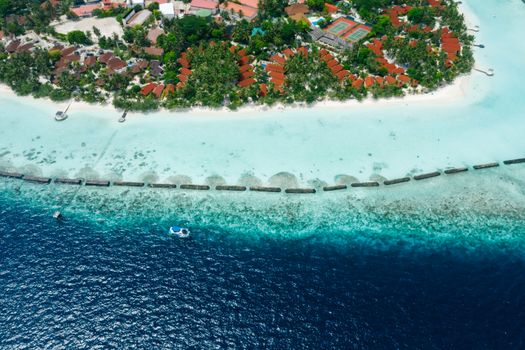
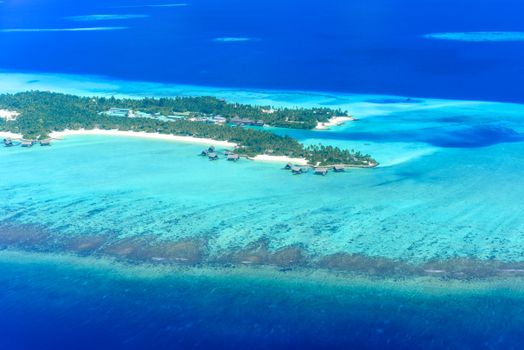
I stepped off the tiny seaplane and onto the powdery white sand of an island so secluded, the only footprints besides my own belonged to the scurrying ghost crabs. The air, thick with the scent of frangipani and the gentle salt spray, felt like a warm embrace. No bustling crowds, no selfie sticks, just the hypnotic rhythm of waves lapping against the shore and the distant call of a seabird. This wasn't just a vacation; it was an experience, one that felt tailor-made, a secret whispered just for me. In a world saturated with mass tourism, the true luxury lies in scarcity, in destinations that are intentionally, beautifully limited. These aren't just places to visit; they are sanctuaries to inhabit, moments to savor, and memories to etch into your soul.
1. The Galapagos Islands: Darwin's Living Laboratory, Uninterrupted
H2: Where Evolution Unfolds Before Your Eyes
My first encounter with the Galapagos was aboard a small expedition vessel, a far cry from the mega-cruises that ply more accessible waters. The magic here isn't just the fearless wildlife – the marine iguanas basking on volcanic rock, the playful sea lions darting through the turquoise depths, the blue-footed boobies performing their comical courtship dance. It's the proximity, the profound sense of being a guest in their ancient kingdom. The Ecuadorian government's strict regulations and the reliance on licensed naturalist guides ensure that visitor impact is minimized, preserving this UNESCO World Heritage site for generations to come.
H3: The "Why" of Limitation:
The Galapagos National Park limits the number of visitors to specific islands and sites, and restricts boat sizes. This isn't about keeping people out; it's about safeguarding an unparalleled biodiversity hotspot.
Pro-Tip:
Opt for an expedition cruise with a maximum of 16-20 passengers. This ensures intimate wildlife encounters and access to less-visited landing sites. Book at least a year in advance, especially for peak season.
Quick Facts: Galapagos Islands
| Category | Details |
| :--------------- | :------------------------------------------------------------------- |
| Estimated Cost ($) | $$$$ (Expedition cruises range from $5,000 - $15,000+ per person for 7-10 days) |
| Best Time to Visit | Year-round, but December-May (warm season) offers calmer seas and better snorkeling. June-November (cool season) is ideal for marine life viewing. |
| How to Get There | Fly from mainland Ecuador (Quito or Guayaquil) to Baltra (GPS) or San Cristobal (SCY) airports. |
2. Bhutan: The Kingdom of the Thunder Dragon, Measured and Mindful
H2: A Commitment to High Value, Low Impact Tourism
The air in Paro, scented with pine and incense, felt impossibly pure as I approached the iconic Tiger's Nest monastery, clinging precariously to a cliff face. Bhutan isn't just a destination; it's a philosophy. Their Gross National Happiness index isn't just a catchy slogan; it's deeply ingrained in their approach to tourism. The daily Sustainable Development Fee (SDF) ensures that visitor numbers remain manageable, and the revenue directly supports education, healthcare, and infrastructure for Bhutanese citizens. This isn't about exclusivity for exclusivity's sake; it's about preserving a unique culture and pristine environment.
H3: The "Why" of Limitation:
The mandatory daily fee and the requirement to book through a registered Bhutanese tour operator are designed to control tourist numbers and ensure a high-quality, culturally respectful experience.
Pro-Tip:
Engage with your local guide. They are the keepers of Bhutanese wisdom and can unlock deeper cultural understanding, from explaining the intricate symbolism in a dzong to sharing stories over a cup of suja (butter tea).
Quick Facts: Bhutan
| Category | Details |
| :--------------- | :------------------------------------------------------------------- |
| Estimated Cost ($) | $$$ (Daily SDF of $100-$200 USD per person, plus tour operator costs) |
| Best Time to Visit | March-May (spring) and September-November (autumn) for pleasant weather and vibrant festivals. |
| How to Get There | Fly into Paro International Airport (PBH) via Drukair or Bhutan Airlines from select cities in India, Nepal, Thailand, or Singapore. |
3. Reserved Ruins: Petra, Jordan - A Timed Entry Masterpiece
H2: Stepping Back in Time, Without the Stampede
Emerging from the narrow, winding Siq, the rose-red facade of the Treasury (Al-Khazneh) unfurled before me, bathed in the soft morning light. It’s a moment that stills the breath. While Petra isn't technically capacity-limited in the same way as a private island, the sheer scale of the site and the intelligent management of visitor flow, particularly with timed entry for certain areas and the encouragement of early or late visits, creates pockets of profound solitude. The feeling of discovery, of having this ancient wonder almost to yourself, is powerful.
H3: The "Why" of Limitation:
While not a strict cap, the vastness of Petra and the site's management strategies (encouraging staggered visits) help preserve the experience. Certain archaeological zones may have controlled access for preservation.
Pro-Tip:
Purchase your Jordan Pass online in advance, which includes your Petra visa fee and entry. Arrive at the Visitor Centre before 7 AM to walk through the Siq in relative quiet. Consider a guided night tour for a truly magical, candlelit perspective.
Quick Facts: Petra, Jordan
| Category | Details |
| :--------------- | :------------------------------------------------------------------- |
| Estimated Cost ($) | $$ (Jordan Pass: $70-$90 USD for 1-3 days) |
| Best Time to Visit | March-May (spring) and September-November (autumn) for mild temperatures. |
| How to Get There | Fly into Queen Alia International Airport (AMM) in Amman, then take a bus or private transfer (approx. 3 hours). |
4. The Maldives: Private Island Escapes Where Seclusion Reigns Supreme
H2: Your Own Slice of Paradise, Uninterrupted by Crowds
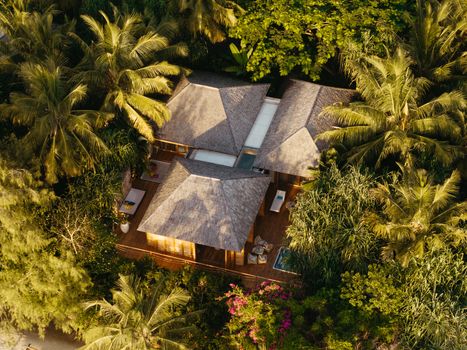
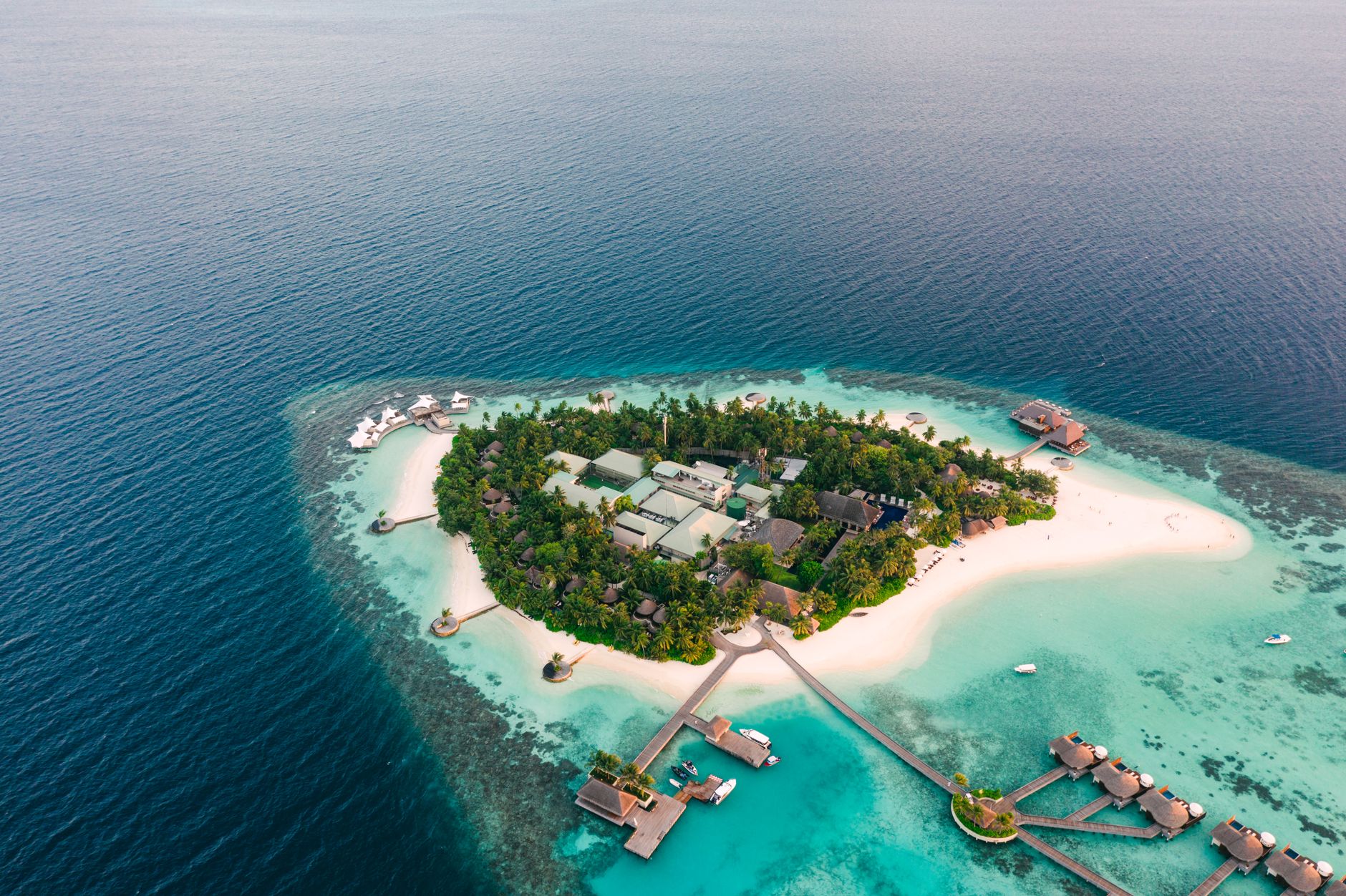
The overwater villa shimmered, a jewel box perched above an endless expanse of sapphire. Stepping onto my private deck, the only sound was the gentle sigh of the ocean. The Maldives is synonymous with luxury, and while many resorts exist, the truly exclusive ones offer an unparalleled sense of privacy. These are islands designed for those who seek tranquility, where your fellow guests are a distant, pleasant rumour. The high cost of entry naturally limits numbers, creating an environment of serene indulgence.
H3: The "Why" of Limitation:
The inherent cost of a private island resort and the geographical dispersal of these islands mean that visitor numbers are inherently limited, offering an exclusive experience.
Pro-Tip:
Look for resorts that offer private plunge pools, dedicated butlers, and secluded beach villas. Consider visiting during the shoulder seasons (April-May or September-October) for potentially better rates without sacrificing serenity.
Quick Facts: The Maldives
| Category | Details |
| :--------------- | :------------------------------------------------------------------- |
| Estimated Cost ($) | $$$$ (Luxury resorts start from $800+ per night, private island buyouts are significantly higher) |
| Best Time to Visit | December-April (dry season) for the best weather, though it's also peak season. |
| How to Get There | Fly into Velana International Airport (MLE) in Malé, then take a seaplane or speedboat transfer to your resort. |
5. Remote Wilderness Lodges: Alaska's Untamed Beauty, Intimately Experienced
H2: Encountering Nature's Grandeur, Up Close and Personal
The scent of ancient spruce and damp earth filled my lungs as I watched a grizzly bear amble across the tundra, a mere speck against the colossal Alaskan wilderness. Remote wilderness lodges, often accessible only by floatplane, offer an exclusive gateway to some of the planet's most awe-inspiring landscapes. These aren't resorts; they are intimate bases for exploration, with limited guest numbers ensuring a personalized and profound connection with nature. Think fewer than 20 guests sharing hundreds of square miles of pristine wilderness.
H3: The "Why" of Limitation:
The logistical challenges of reaching these remote locations and the small-scale nature of the lodges naturally restrict visitor numbers, prioritizing an immersive wilderness experience.
Pro-Tip:
Choose a lodge that emphasizes guided activities like bear viewing, fishing, or glacier hiking. The expertise of their guides is paramount to a safe and enriching encounter with the wild. Pack layers – Alaskan weather is famously unpredictable.
Quick Facts: Remote Alaskan Lodges
| Category | Details |
| :--------------- | :------------------------------------------------------------------- |
| Estimated Cost ($) | $$$$ (All-inclusive packages can range from $1,000 - $3,000+ per person per night) |
| Best Time to Visit | June-August for the warmest weather and most accessible wildlife viewing. |
| How to Get There | Fly into a major Alaskan city (e.g., Anchorage, Juneau) and then take a chartered floatplane to your lodge. |
The Future of Travel: Embracing Intentionality
These destinations are more than just beautiful; they are a testament to a growing movement in travel. A movement that values depth over breadth, quality over quantity, and preservation over exploitation. By choosing destinations that intentionally limit capacity, we not only grant ourselves an unparalleled travel experience but also contribute to the long-term sustainability of these precious places. It’s about experiencing the world not as a spectator in a throng, but as a privileged guest, a mindful explorer. So, the next time you dream of escape, consider the power of scarcity. It might just lead you to the most profound adventure of your life.