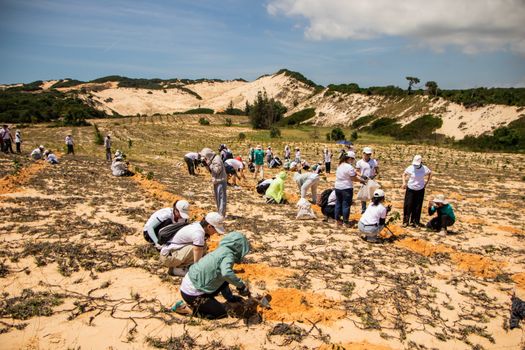
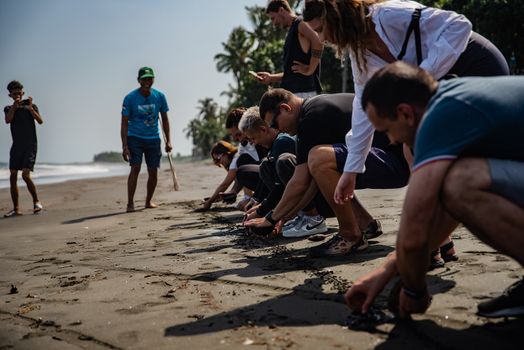
The humid air hung heavy, thick with the scent of damp earth and exotic blossoms. I was deep in the Amazonian rainforest, far from any paved road, sharing a meal of plantains and freshly caught piranha with a family whose ancestors had lived on this land for generations. My hands, still grimy from a morning spent clearing invasive species, felt more connected to the soil than ever before. This wasn't a curated "eco-tour." This was life, raw and real, and I was part of it, working side-by-side with the very people fighting to protect their ancestral home.
It was a far cry from my first "voluntourism" trip years ago – a glossy, expensive package where I felt more like a spectator than a participant. That experience, while well-intentioned, left me feeling hollow, a nagging suspicion that my impact was minimal, my presence perhaps even a burden. I craved something more authentic, something truly transformative.
And that’s when I started digging. I learned that the most impactful, most authentic conservation efforts often aren't the ones advertised on major volunteer platforms. They're the grassroots initiatives, the community-led projects, the ones powered by passion and local knowledge, not marketing budgets. These are the places where locals don't necessarily want tourists to know – not because they're unwelcoming, but because they value genuine, respectful collaboration over transient photo opportunities. They seek dedicated hands and open hearts, not just wallets.
And trust me, finding these gems is like unlocking a secret level of travel. It's challenging, deeply rewarding, and promises an experience that will redefine your understanding of impact and connection. If you're ready to roll up your sleeves, learn from the land, and truly integrate, then read on. I’m pulling back the curtain on some of the most incredible, under-the-radar conservation projects you can volunteer with, the ones that will change you just as much as you help change the world.
Beyond the Brochure: Why These Hidden Projects Matter More
Before we dive into specific examples, let's talk about why these less-publicized projects hold such unique value. When a conservation project is truly community-driven, it means the solutions are born from local needs, local wisdom, and local ownership. This isn't external aid dictating terms; it's collaboration.
- Genuine Impact: Your efforts directly contribute to initiatives designed by and for the local population and their environment. There's less bureaucracy, more direct action.
- Authentic Cultural Immersion: You're not just observing; you're living, working, and learning alongside locals. You'll share meals, stories, and daily life, gaining an unparalleled understanding of their culture, challenges, and triumphs.
- Skill Exchange, Not Just Labor: Often, these projects aren't just looking for brute strength. They value skill-sharing – whether it's photography, social media, basic carpentry, or English lessons for local children. You bring your unique talents, and they teach you theirs.
- Avoiding Voluntourism Pitfalls: Many large-scale "voluntourism" operations have faced criticism for creating dependency, displacing local workers, or offering superficial experiences. By seeking out smaller, community-led initiatives, you actively bypass these issues.
- Sustainable Relationships: These experiences foster long-term relationships, not just transactional encounters. You become part of a global family, and the impact extends far beyond your departure date.
It's about respect, reciprocity, and a deep appreciation for the knowledge held by those who live closest to the land.
1. The Coral Gardeners of Pulo Kecil: Marine Conservation in Southeast Asia
Imagine waking up to the gentle lapping of waves, a symphony of exotic birds, and the smell of salt in the air. This was my daily reality for three weeks on Pulo Kecil, a tiny, unassuming island off the coast of Sumatra, Indonesia. The local fishermen here, faced with dwindling catches due to destructive fishing practices and climate change, decided to take matters into their own hands. They established the "Pulo Kecil Coral Restoration Initiative," a project so grassroots it operates out of a small hut on the beach.
The Project:
Their goal is simple yet profound: revive their dying coral reefs. Volunteers work directly with local divers, learning traditional and modern methods of coral propagation. My days involved diving to collect broken coral fragments, attaching them to artificial reef structures (often made from repurposed materials), and monitoring existing coral nurseries. We also helped with beach cleanups, data collection on fish populations, and even taught basic English to the children, explaining the importance of the ocean.
The Experience:
Accommodation was a homestay with a local family. My room was basic – a mat on the floor, a mosquito net – but the hospitality was boundless. Meals were shared, usually fresh fish, rice, and vegetables, cooked over an open fire. Evenings were spent under a blanket of stars, listening to stories of the sea, learning a few words of Bahasa Indonesia, and feeling an incredible sense of belonging. The cost was around $150 USD per week, covering food and lodging, a direct contribution to the host family and project supplies. There was no formal "program fee" – just a requested contribution.
How I Found It:
I stumbled upon Pulo Kecil through a friend of a friend who had traveled extensively in Indonesia and heard about it via word-of-mouth from a local guide. It wasn't on any website. I contacted a local guesthouse owner (whose number I got from my friend), who then connected me to the project leader, Pak Adi. It took a few weeks of WhatsApp messages and a leap of faith, but it was worth every effort.
Instagram-Worthy Moment:
Diving into a vibrant, newly restored coral garden, surrounded by iridescent fish, knowing my hands helped create that beauty. #CoralGardener #PuloKecil #MarineConservation #Indonesia
2. Guardians of the Green Heart: Amazonian Wildlife Rescue in Peru
My next adventure took me deep into the Peruvian Amazon, to a small community called San Carlos, where the "Amazonian Wildlife Haven" operates. This isn't a zoo; it's a sanctuary for animals rescued from the illegal pet trade or injured by deforestation. It's run by a Quechua family, led by Mama Elena, whose profound understanding of the jungle is nothing short of magical.
The Project:
Volunteers here assist in the daily care of rescued animals – monkeys, sloths, macaws, and even small wild cats. Tasks include preparing food, cleaning enclosures, assisting with rehabilitation exercises, and helping with reforestation efforts around the sanctuary. We also spent time learning about traditional plant medicine and sustainable farming techniques from Mama Elena and her family.
The Experience:
Living conditions were rustic: open-air cabins with hammocks and mosquito nets, no electricity except for a few solar-powered lights, and a shared composting toilet. Showers were bucket showers. It was an exercise in embracing simplicity. Meals were vegetarian, focused on local produce like yuca, plantains, and jungle fruits. The family spoke Quechua and a little Spanish, so a basic grasp of Spanish was incredibly helpful for communication and learning. The suggested contribution was about $200 USD for two weeks, directly supporting the animals' care and the family's efforts.
How I Found It:
This one was tricky. I was traveling through Iquitos and heard whispers from a local guide about a family doing incredible work with rescued animals, but they preferred to keep a low profile to avoid attracting poachers or overwhelming their small operation. After several inquiries and demonstrating my genuine interest (and promising to respect their privacy), the guide eventually connected me with Mama Elena's son, Mateo, via a satellite phone number. A letter of intent and a short video introduction sealed the deal.
Instagram-Worthy Moment:
Holding a baby howler monkey, orphaned by poachers, as it clung to my shirt, knowing it was safe because of Mama Elena and the community's tireless work. #AmazonianWildlife #PeruConservation #WildlifeRescue #JungleLife
3. The Seed Keepers of the Rift Valley: Sustainable Agriculture in Kenya
High in the Great Rift Valley of Kenya, I found myself knee-deep in rich, red earth, learning about permaculture from local farmers in the village of Ololaimutiek. The "Maasai Seed Keepers Project" is a testament to resilience, aiming to restore traditional farming methods, introduce drought-resistant crops, and empower women through sustainable agriculture.
The Project:
My time here involved everything from planting indigenous trees to building simple irrigation systems, preparing organic compost, and helping with the upkeep of community gardens. A significant part of the work was also documenting traditional knowledge about seed saving and local plant species, helping the community create a digital archive for future generations. I also assisted with basic inventory and record-keeping for their small cooperative, which sells surplus produce.
The Experience:
I lived in a traditional Maasai boma (homestead) with a family, sharing their daily rhythm. It was an eye-opening immersion into Maasai culture. I learned to fetch water, milk goats, and prepare ugali over an open fire. Communication was primarily through a local project coordinator who translated between English and Maa, but I picked up a few phrases, which always brought smiles. The cost was approximately $180 USD per week, covering food, lodging, and a contribution to the project's seed bank and tools. This was arranged directly with the village elder, who oversaw the project.
How I Found It:
I was attending a small, local NGO conference in Nairobi, focused on community-led development. During a networking session, I struck up a conversation with a Maasai elder who spoke passionately about his community's efforts to revive sustainable farming. He invited me to visit. There was no website, no formal application; just a genuine invitation based on shared values. I later followed up with a detailed email outlining my skills and intentions.
Instagram-Worthy Moment:
Standing in a vibrant field of newly planted saplings, surrounded by Maasai women singing traditional songs, their colorful shukas a stark contrast against the green. #MaasaiCulture #KenyaConservation #SustainableFarming #RiftValley
How to Unearth Your Own Hidden Gem: Practical Tips for Finding These Projects
Finding these deeply authentic, community-led projects requires a different approach than simply Googling "volunteer abroad." It's about diligent research, building connections, and demonstrating genuine intent.
- Go Local First: Start by researching small, local NGOs or community groups in your desired region/country. Look for organizations that are not heavily advertised internationally. Websites might be basic, or even non-existent.
- Leverage Local Networks: This is key. Once you've identified a region, reach out to local guesthouse owners, eco-lodge managers, university departments focusing on environmental studies, or even local tour guides. Ask if they know of any community-led initiatives that could use an extra hand. Often, the best connections come from those on the ground.
- Use Social Media (Carefully): While avoiding large platforms, you might find small, independent projects on Instagram or Facebook groups dedicated to specific regions or niche conservation topics. Look for posts by locals, not just big organizations.
- Attend Local Conferences/Workshops: As I did with the Maasai project, attending smaller, regional conferences related to conservation, sustainable development, or indigenous rights can open doors to direct connections.
- Be Specific with Your Skills: Instead of just saying "I want to help," offer specific skills: "I have experience in social media management," "I'm a certified diver," "I can help with basic construction," or "I'm good with data entry." This makes you more valuable and signals serious intent.
- Direct Contact is Best: Once you find a potential lead, try to communicate directly with the project leader or a community representative. Be patient; responses might be slow due to limited internet access.
- Emphasize Learning and Respect: When you reach out, clearly state your desire to learn from the community, respect their culture, and work alongside them. Frame it as a mutual exchange, not just you "helping" them.
- Prepare for a Contribution, Not a Fee: Understand that these projects often run on shoestring budgets. While there might not be a formal "program fee," you'll be expected to cover your own food and lodging, and often make a direct contribution to project supplies or local families. This is a direct investment in the community, not a profit for an intermediary.
- Be Flexible and Adaptable: These aren't structured programs with rigid schedules. Be prepared for last-minute changes, unexpected tasks, and a fluid daily routine. That's part of the authenticity!
Preparing for Your Journey: What to Expect & How to Thrive
Embarking on such an adventure requires more than just a passport and a backpack. It demands an open mind, a resilient spirit, and a deep well of cultural sensitivity.
- Cultural Sensitivity is Paramount: Research local customs, dress codes, and etiquette. Learn a few basic phrases in the local language. Always ask before taking photos, especially of people. Remember, you are a guest in their home and community.
- Manage Expectations: Life will be different. Infrastructure might be basic, food choices limited, and privacy minimal. Embrace the discomforts as part of the authentic experience.
- Pack Smart, Pack Light: Think practical. Durable work clothes, sturdy shoes, a good hat, reusable water bottle, basic first-aid kit, and essential toiletries are a must. Leave the fancy gadgets at home – they're often a liability.
- Health and Safety: Consult your doctor about necessary vaccinations and preventative medications. Bring insect repellent, sunscreen, and any personal medications. Research local emergency procedures. While these projects are generally safe, basic precautions are always wise.
- Communication Challenges: Be prepared for limited or no internet access. Inform your family and friends of your travel plans and expected periods of no contact. Learn to enjoy the digital detox!
- Embrace the Unexpected: The beauty of these experiences lies in their unpredictability. Be ready to adapt, learn on the fly, and find joy in the unplanned moments.
The Unwritten Rewards: Why This Journey Will Change You Forever
My time with the coral gardeners, the wildlife guardians, and the seed keepers wasn't just about contributing to a cause; it was about being utterly transformed. I learned to appreciate the rhythm of nature, the resilience of the human spirit, and the profound wisdom held by those living in harmony with their environment.
I learned that true impact isn't always measured in grand gestures, but in shared laughter, calloused hands, and the quiet satisfaction of a job well done alongside new friends. These projects, often overlooked by the masses, offer a rare glimpse into the heart of genuine conservation, where every effort, no matter how small, weaves into a larger tapestry of hope and sustainability.
So, if you’re tired of the superficial, if you crave a travel experience that roots you deeply in a place and its people, then start your search. Dig a little deeper. Ask around. Be persistent. The locals might not be shouting about these projects from the rooftops, but they are there, waiting for dedicated individuals like you to join their vital work.
Are you ready to truly connect, truly contribute, and truly be changed? Share your thoughts in the comments below, or better yet, share this post with someone who's looking for their next authentic adventure! Let's inspire a new wave of responsible, impactful travel.
---