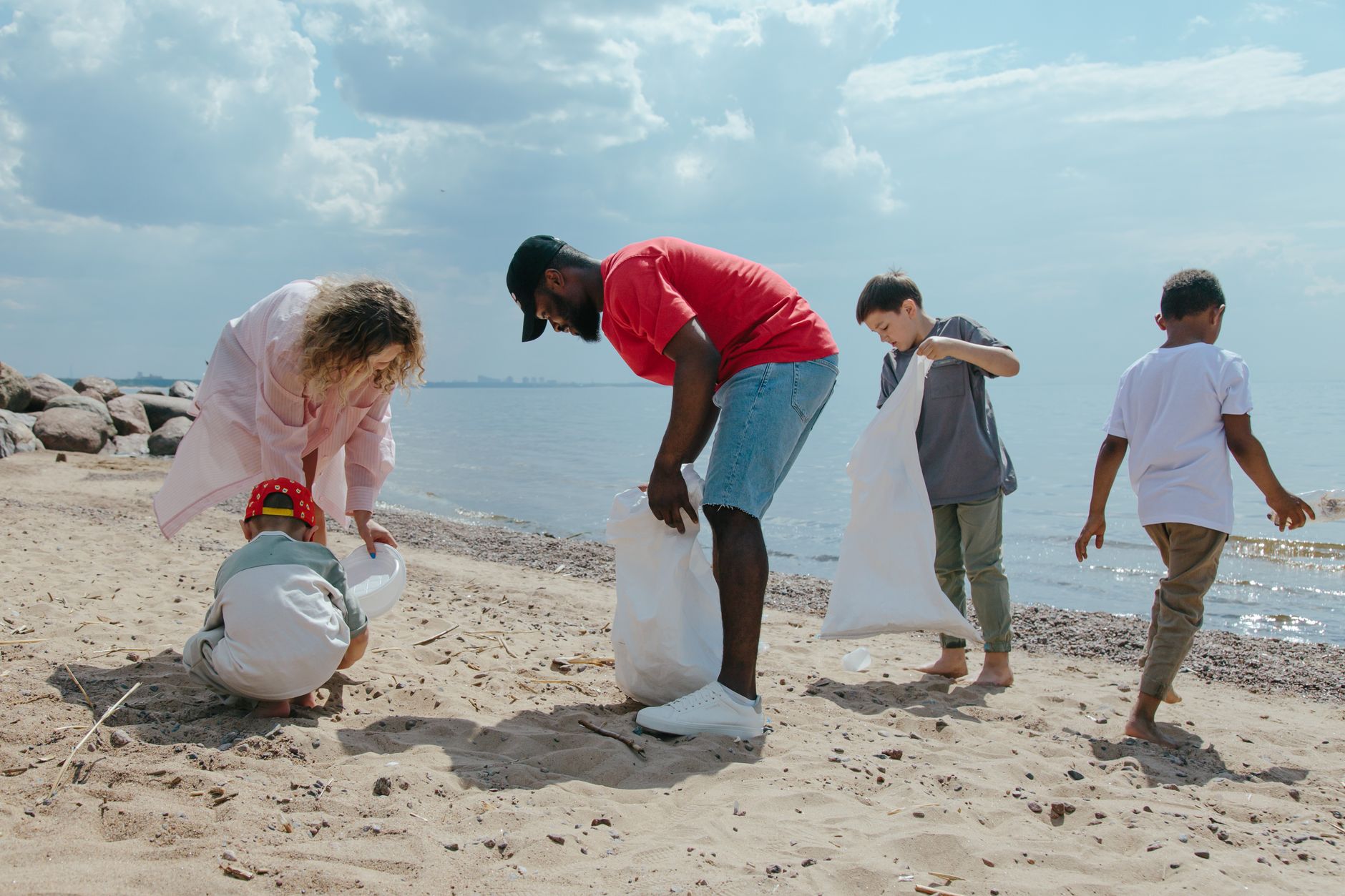
Transformative Travel: Community Projects That Changed My Life Forever
I used to chase postcard views. You know the drill: tick off the famous landmarks, snap the iconic photo, move on to the next bucket list item. My travelogue was a collection of beautiful but often fleeting moments, lacking a deeper connection. Then, something shifted. A chance encounter in a bustling market, a conversation with a local artisan, and a growing unease with the often-unseen impacts of mass tourism began to prick at my conscience. I realized I wasn't just observing the world; I was interacting with it, and I wanted those interactions to be meaningful, reciprocal, and truly transformative.
That's when I stumbled upon community tourism – a powerful, often overlooked, way to travel that puts local people, their culture, and their environment at the heart of the experience. It's not just about giving back; it's about genuine exchange, learning, and supporting initiatives that are designed and run by the communities themselves. These aren't just "feel-good" trips; they are deeply immersive, often challenging, and profoundly rewarding adventures that have, quite literally, changed my life forever.
If you’re ready to move beyond the tourist trap and embrace a form of travel that leaves you richer in spirit and the communities you visit stronger, then buckle up. Here are some of the most impactful community tourism projects I’ve had the privilege to experience, and why they’re worth supporting.
1. Weaving Dreams in the Sacred Valley, Peru: A Tapestry of Culture and Empowerment
My journey into the heart of community tourism truly began high in the Peruvian Andes, a place where ancient traditions still thrive amidst breathtaking landscapes. The Sacred Valley, often just a gateway to Machu Picchu for many, holds a secret treasure: indigenous Quechua communities dedicated to preserving their ancestral craft of weaving.
I found myself in Patacancha, a small, remote village accessible by a winding, dusty road from Ollantaytambo. My initial contact was through Awamaki, a non-profit organization that partners directly with indigenous women's cooperatives, helping them connect with global markets and ensuring fair wages. I wasn't there as a volunteer, but as a paying guest, staying in a simple homestay with a family, participating in their daily life, and learning directly from the master weavers.
The crisp mountain air invigorated me each morning as I watched the sunrise paint the peaks in hues of orange and pink. My days were spent learning about natural dyeing techniques – from cochineal insects for vibrant reds to local plants for earthy greens and blues. The women, with their nimble fingers and infectious laughter, patiently taught me the intricate backstrap loom weaving, a skill passed down through generations. I quickly realized the immense artistry and cultural significance embedded in every thread, every pattern telling a story of their heritage, their land, and their beliefs.
The Impact I Saw:
The direct economic benefit to these women was palpable. The income from selling their textiles and hosting travelers meant their children could attend school, families could afford better healthcare, and their unique cultural heritage was celebrated and sustained, rather than fading away. The pride in their eyes as they explained their craft was truly inspiring.
Practical Tips:
* How to Connect: Look for organizations like Awamaki (awamaki.org) or directly contact community-run weaving cooperatives in the Sacred Valley. Many local tour operators also offer ethical cultural immersion experiences.
* Cost: A typical 2-3 day homestay and weaving workshop might range from $150-$300 USD, covering accommodation, meals, and instruction. This money goes directly to the families and artisans.
* What to Pack: Warm layers (it gets cold at altitude!), sturdy shoes, a respectful attitude, and an open heart ready to learn. Basic Spanish or Quechua phrases are a bonus!
* Instagram Moment: A close-up shot of vibrant, naturally dyed alpaca wool threads against the backdrop of the majestic Andes.
2. Sinking into Serenity & Sustainability in the Backwaters, Kerala, India
After the high altitudes of Peru, my next profound experience took me to the serene, emerald backwaters of Kerala, India. This labyrinthine network of canals, lakes, and lagoons is famed for its houseboats, but I was seeking something deeper than a luxury cruise. I wanted to experience the true rhythm of life in a backwater village, supported by a community-led eco-tourism initiative.
I booked a stay with a local family in a small homestay near Alleppey (Alappuzha), part of a collective of families offering authentic experiences. Instead of a large, polluting houseboat, I embarked on a traditional Kettuvallam (canoe) paddled by a local guide, gliding silently through narrow canals shaded by coconut palms. We passed villagers going about their daily lives – women washing clothes, children splashing in the water, fishermen casting their nets.
My days were a symphony of simple pleasures: learning to cook traditional Keralan dishes like fish curry and appam with my host mother, trying my hand at coir making (from coconut husks), and helping with sustainable farming practices in their small paddy field. Evenings were spent on the verandah, listening to stories of village life, the gentle lapping of water, and the distant calls of exotic birds.
The Impact I Saw:
This project provided direct income to families, empowering them to maintain their traditional way of life without resorting to environmentally damaging practices. It fostered an appreciation for the delicate ecosystem of the backwaters and encouraged sustainable practices among visitors and locals alike. The genuine warmth and hospitality I received were unforgettable.
Practical Tips:
* How to Connect: Look for homestays and community-based tourism initiatives listed on platforms like Responsible Tourism Kerala (responsibletourismindia.com) or through local, ethical tour operators in Alleppey or Kumarakom.
* Cost: A 2-day, 1-night homestay with meals and activities can range from $70-$150 USD, offering incredible value and direct support to the community.
* What to Pack: Light, breathable clothing, insect repellent, a wide-brimmed hat, and an eagerness to embrace a slower pace of life.
* Instagram Moment: A serene photo of a traditional canoe gliding through a narrow canal, framed by lush green palms, with a reflection of the sky on the water.
3. Gentle Giants & Genuine Smiles: An Ethical Elephant Experience in Northern Thailand
Thailand's elephant tourism has a complex history, often fraught with ethical concerns. It was crucial for me to find an experience that genuinely prioritized the welfare of these magnificent animals and the communities that care for them. I discovered a small, community-run ethical elephant sanctuary and cultural village experience nestled in the hills outside Chiang Mai. This wasn't a place for riding elephants or watching them perform tricks; it was a sanctuary where rescued elephants could live freely, and visitors could learn about their natural behavior and the culture of the Karen hill tribe people who historically coexist with them.
My day started with a pick-up from Chiang Mai, followed by a scenic drive into the mountains. Upon arrival, I was greeted by mahouts (elephant caretakers) and members of the Karen community. We learned about the individual elephants' stories of rescue and rehabilitation. The highlight was preparing food for the elephants – chopping sugarcane and bananas – and then walking with them through the jungle, observing them graze, socialize, and bathe in the river. It was an incredibly humbling experience to be in the presence of these gentle giants, watching their natural behaviors unfold.
Lunch was a delicious, home-cooked meal prepared by the village women, followed by an opportunity to learn about Karen traditions, basket weaving, and the importance of sustainable living in their village. The interaction felt authentic, respectful, and deeply educational.
The Impact I Saw:
This project provided a safe haven for elephants, allowing them to live out their lives in dignity. Crucially, it also offered sustainable livelihoods for the Karen community, enabling them to protect their cultural heritage and their ancestral lands, all while educating visitors on responsible wildlife tourism.
Practical Tips:
* How to Connect: Research thoroughly! Look for sanctuaries that explicitly state no riding, no chains, and no forced performances. Check reviews and look for direct community involvement. Ethical Elephant Project, Elephant Nature Park, and similar smaller community-run initiatives near Chiang Mai are good places to start.
* Cost: A full-day experience typically ranges from $80-$150 USD, including transportation, meals, and interaction.
* What to Pack: Clothes you don't mind getting muddy, sturdy walking shoes, insect repellent, a hat, and a reusable water bottle.
* Instagram Moment: A candid shot of an elephant gently reaching for food from your hand, or a wide shot of elephants roaming freely in a lush, green jungle setting.
4. Empowering Waves: The Seaweed Sisters of Zanzibar, Tanzania
Zanzibar, with its white-sand beaches and turquoise waters, often conjures images of luxury resorts. But beyond the tourist façade, I found a powerful story of community empowerment in the village of Paje, on the island's east coast. Here, women have traditionally been the backbone of the seaweed farming industry, a vital source of income for many coastal communities. However, they often faced exploitation and poor market access.
I connected with a local initiative that supports women seaweed farmers, helping them to process and market their seaweed products (from soaps to food supplements) directly, thereby increasing their earnings and improving their economic independence. My visit involved spending a morning with the "seaweed sisters" at low tide, wading into the warm Indian Ocean to learn about their farming techniques. It was hard work, but their camaraderie and resilience were inspiring.
Later, I visited their small processing center, where they transformed the raw seaweed into beautiful, fragrant soaps and body products. I even got to try my hand at mixing ingredients and molding soap bars. The women proudly shared their stories, their challenges, and their dreams, explaining how the direct sales and fair trade practices were changing their lives and their families' futures.
The Impact I Saw:
This project directly addressed gender inequality and economic disempowerment. It provided women with fair wages, business training, and a sense of collective strength, allowing them to invest in their homes, children's education, and community infrastructure. It was a tangible example of how tourism could be a catalyst for social change.
Practical Tips:
* How to Connect: Look for local women's cooperatives in coastal villages like Paje or Jambiani. Ask at ethical guesthouses or community centers. The Zanzibar Seaweed Center (zanzibarseaweedcenter.com) is a great example.
* Cost: A half-day tour and workshop might cost around $30-$60 USD, with options to purchase their products directly, ensuring your money directly supports the women.
* What to Pack: Swimsuit, reef shoes (for walking in the ocean), sunscreen, a wide-brimmed hat, and cash for purchases.
* Instagram Moment: A vibrant shot of women in colorful kangas (traditional wraps) working in the shallow turquoise waters, with bundles of seaweed.
5. Beyond Angkor: Building Futures in Rural Villages, Cambodia
My visit to Cambodia was initially centered around the awe-inspiring temples of Angkor Wat. While magnificent, I felt a longing for connection beyond the ancient stones. I sought out a community project in a rural village outside Siem Reap, focusing on education and sustainable development.
I found a homestay program that partnered with a local NGO supporting education and clean water initiatives. My days were a stark contrast to the tourist bustle of Siem Reap. I stayed in a traditional stilt house, shared meals with my host family, and experienced the rhythms of rural Cambodian life. Part of the experience involved visiting a local school supported by the NGO, where I had the chance to interact with the children (not as a teacher, but as a respectful visitor) and learn about the challenges and triumphs of rural education.
We also participated in a bicycle tour through the surrounding rice fields, learning about traditional farming methods and visiting other local craftspeople. The most impactful part was seeing how the small contributions from visitors directly funded school supplies, teacher salaries, and crucial clean water filters for the village.
The Impact I Saw:
This project provided vital resources for education and basic infrastructure in an underserved rural area. It created sustainable income for host families and artisans, slowing the rural-to-urban migration and helping preserve local traditions. It showed me how even small-scale, responsible tourism could have a profound, lasting positive effect.
Practical Tips:
* How to Connect: Research NGOs and social enterprises working in rural development around Siem Reap. Organizations like PEPY Tours (pepytours.org) or local homestay networks connected to community development are excellent starting points.
* Cost: A 2-3 day homestay with activities can range from $100-$250 USD, with a significant portion going directly to the community and the development projects.
* What to Pack: Light, modest clothing, sturdy shoes for cycling, insect repellent, and a willingness to embrace simple living.
* Instagram Moment: A heartwarming photo of children smiling and waving outside a rural school, or a peaceful sunset over golden rice fields.
The True Cost of Travel: Making Your Adventures Count
These experiences, and many others like them, have fundamentally reshaped my understanding of travel. They weren't just trips; they were immersions, lessons, and connections that left an indelible mark on my soul. They taught me that the "cost" of travel isn't just the price of a flight or a hotel; it's also the impact we leave behind, both good and bad.
So, how can you find and support these incredible projects?
- Research, Research, Research: Don't just book the first tour you see. Look for organizations that are transparent about where your money goes, that are locally owned and operated, and that have clear community benefits. Keywords like "community-based tourism," "eco-tourism," "responsible tourism," and "social enterprise travel" are your friends.
- Ask Questions: Before booking, ask direct questions: Who benefits financially from this project? Are local people employed in fair conditions? How are cultural traditions respected and preserved? What is the environmental impact?
- Go Local: Choose local guides, local accommodations (homestays, community-run guesthouses), and eat at local restaurants. This ensures your money stays within the community.
- Be a Learner, Not a Savior: Approach these experiences with humility and a genuine desire to learn. You are a guest in their home, their culture. Listen more than you speak.
- Respect Culture and Environment: Dress modestly when appropriate, ask permission before taking photos, and be mindful of your waste and water consumption.
- Seek Out Certifications: Look for certifications like Fair Trade Tourism, Green Globe, or local responsible tourism awards, which indicate a commitment to ethical practices.
- Spread the Word: Share your experiences! Your stories can inspire others to travel more responsibly and support these vital initiatives.
A Call to Transformative Action
My passport is now filled with stamps, but my heart is filled with stories, friendships, and a profound sense of purpose that goes far beyond any single destination. Community tourism isn't just a trend; it's a movement towards a more equitable, sustainable, and meaningful way to explore our world. It's about recognizing that our travels have power – the power to uplift, to preserve, and to connect us on a deeply human level.
These projects changed my life forever by showing me the incredible resilience of communities, the beauty of diverse cultures, and the immense potential for good that lies within each of us when we choose to travel consciously.
Are you ready to embark on a journey that changes lives – including your own? Start planning your next adventure with purpose. The world is waiting, and its communities are ready to welcome you.
---