The Whispers of a Hidden World: Why Locals Don't Want You to Know (And Why You Should Find Out Anyway)
I still remember the sting of disappointment. It was my first trip to Venice, and I, like millions before me, was swept up in the romantic ideal. But as I navigated the shoulder-to-shoulder crowds, queued for hours for a gondola that felt more like a theme park ride, and ate an overpriced, mediocre pizza, I felt a growing unease. This wasn't the Venice I'd dreamed of; it was a postcard, peeled and faded by mass tourism. The magic felt… manufactured.
Later that trip, on a whim, I took a local bus to a small, lesser-known island in the lagoon, far from the main tourist drag. There, I stumbled upon a tiny, family-run lace-making workshop that also offered simple, home-cooked meals. There was no flashy sign, no aggressive touting. Just a warm invitation. I spent an afternoon learning about the intricate craft, sharing stories (and broken Italian) over a plate of the freshest seafood pasta I’d ever tasted, and felt a connection that the grand canals of Venice couldn’t offer. The family spoke with pride about their heritage, their worries about their craft dying out, and their quiet joy in sharing it with someone genuinely interested. They weren't seeking fame or fortune; they were simply living, working, and welcoming.
That experience was a revelation, a tiny crack in the façade of mainstream tourism that opened up a whole new philosophy of travel for me. It was my first taste of what I now passionately advocate for: community tourism. And trust me, it’s the kind of travel locals often want to keep to themselves – not because they don’t want visitors, but because they want to preserve the very authenticity that makes these experiences so special. They want to avoid the fate of that overcrowded Venice, to ensure their culture isn't commodified, and that the benefits of your visit directly uplift their lives, not some faceless corporation.
Here at Tripsora, we believe travel should be transformative, for both the traveler and the host community. So, let’s pull back the curtain on these incredible, often overlooked, community tourism projects. These aren't just "off-the-beaten-path"; they're deeply rooted, culturally rich, and profoundly impactful.
The 'Secret' Sauce: What Makes Community Tourism So Special?
Community tourism, at its heart, is about empowering local people to manage and benefit directly from tourism in their area. It's a grassroots movement, often born out of a desire to preserve culture, protect the environment, or simply create sustainable livelihoods. Unlike traditional tourism where profits often leak out to international operators, community tourism ensures your money stays where it matters most – with the families, artisans, and conservationists who are the true custodians of a place.
Why locals might want to keep it "secret":
1. Preservation of Authenticity: Overtourism can dilute culture, turning genuine traditions into performances. By keeping projects small and selectively promoted, communities can maintain their integrity.
2. Environmental Protection: Many projects are in fragile ecosystems. Limited numbers help prevent environmental degradation.
3. Direct Benefit: Large-scale tourism often means middlemen. These projects ensure revenue directly supports families, schools, and conservation efforts.
4. Quality Over Quantity: They prioritize meaningful interaction over mass appeal, ensuring a higher quality experience for both hosts and guests.
For you, the traveler, this means unparalleled authenticity. You're not just observing; you're participating. You're not just passing through; you're connecting. You're not just spending money; you're investing in a better future.
Unveiling the Hidden Gems: Projects Worth Supporting
Let me share some examples of the types of incredible community-led initiatives I've encountered on my travels, complete with the kind of details that will make you want to pack your bags right now.
1. Indigenous Homestays & Cultural Exchanges: Peru's Sacred Valley (Beyond Machu Picchu)
Everyone goes to Cusco for Machu Picchu, and rightly so – it’s magnificent. But just a few hours away, tucked into the lesser-known valleys and highlands of the Andean mountains, are indigenous Quechua communities who have opened their homes and hearts to respectful travelers.
I once spent three days in a small village near the Lares Trek route, staying with a family in a simple, traditional stone home. There was no Wi-Fi, no hot showers, just the warmth of a crackling fire and the genuine smiles of my hosts. During the day, I helped tend to their alpaca herd, learned to spin wool, and tried my hand at weaving vibrant textiles – an ancient skill passed down through generations. My host, Mama Rosa, taught me to prepare pachamanca, a traditional Andean meal cooked in the earth, and shared stories of her ancestors under a sky so thick with stars it felt like I could reach out and touch them.
Specifics:
* Location: Remote villages in the Sacred Valley region, Peru (e.g., communities near Lares, Patacancha, or Chinchero).
* How to find: Look for responsible tour operators specializing in cultural immersion or directly contact community-led associations (like "Awamaki" or "Planeterra" partners). Local guides in Cusco are often the best resource for direct connections.
* What to expect: Basic accommodation, shared meals (often vegetarian-friendly with local produce), hands-on cultural activities (weaving, farming, cooking), breathtaking scenery.
* Price: Expect to pay around $50-$100 USD per person per night, which typically includes accommodation, all meals, and guided activities. This money goes directly to the family and community fund.
* Instagram Moment: Learning to weave intricate patterns with Mama Rosa, surrounded by vibrant textiles and the Andean peaks.
2. Rural Agri-Tourism & Farm Stays: Italy's Puglia (The Real Southern Charm)
Forget the crowded Amalfi Coast. Head south to Puglia, the heel of Italy's boot, where the pace slows, and the olive groves stretch as far as the eye can see. Here, many masserie (fortified farmhouses) have been lovingly restored not into boutique hotels, but into working farms that welcome guests eager to connect with the land.
My stay at Masseria Le Stanzie was unforgettable. It’s a centuries-old farm that still produces its own olive oil, wine, and vegetables. I spent mornings harvesting olives, learning the secrets of traditional cheese-making, and afternoons exploring the ancient trulli houses nearby. Evenings were spent around a communal table, sharing multi-course meals prepared from ingredients grown just steps away, paired with the farm's own wine. It felt less like a vacation and more like being adopted into a large, boisterous Italian family.
Specifics:
* Location: Throughout Puglia, Italy, particularly in the Valle d'Itria or Salento regions.
* How to find: Search for "agriturismo Puglia" or "masseria stay Puglia." Look for smaller, family-run operations that emphasize farm activities and direct sales.
* What to expect: Rustic-chic accommodation, farm-to-table meals, hands-on experiences (cooking classes, olive oil tasting, harvesting), a slower pace of life.
* Price: From €80-€200 per night, often including breakfast and sometimes dinner or activities.
* Instagram Moment: A sun-drenched table laden with fresh Puglian produce, surrounded by olive trees, ready for a farm-fresh feast.
3. Artisan Workshops & Craft Villages: Vietnam's Mai Chau (Beyond Halong Bay)
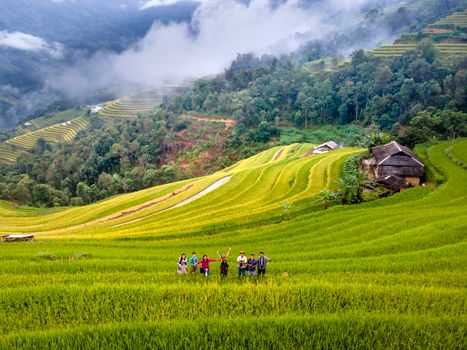
While Halong Bay draws the crowds, the serene valleys of Mai Chau, home to the White Thai ethnic minority, offer a completely different, deeply rewarding experience. Here, communities have developed sustainable tourism models centered around their traditional crafts and way of life.
I spent a peaceful week in a stilt house in Mai Chau, organized through a local cooperative. My days were filled with cycling through lush rice paddies, hiking to hidden waterfalls, and, most memorably, learning the delicate art of bamboo weaving from an elderly woman whose hands moved with practiced grace. We communicated through smiles and gestures, and the shared experience of creation transcended any language barrier. The small amount I paid for the workshop and the intricately woven basket I took home went directly to her and her family, preserving not just a craft but a livelihood.
Specifics:
* Location: Mai Chau Valley, Hoa Binh Province, Vietnam.
* How to find: Many local guesthouses and homestays are part of community cooperatives. Book directly or through ethical local tour companies.
* What to expect: Stilt house accommodation, home-cooked meals, cycling, trekking, traditional dance performances, and craft workshops (weaving, embroidery).
* Price: Homestays can be as low as $20-$40 USD per night including meals. Workshops are typically an additional $10-$30 USD.
* Instagram Moment: A close-up of hands expertly weaving bamboo, with the backdrop of a traditional stilt house and vibrant green rice fields.
4. Conservation-Focused Projects: Thailand's Ethical Elephant Sanctuaries (The Right Way to See Giants)
The ethical treatment of elephants in tourism has been a huge topic, and for good reason. Many "elephant camps" are anything but ethical. However, community-run sanctuaries, often established by locals who genuinely care for these magnificent creatures, offer a truly responsible way to interact with them.
On a trip to Northern Thailand, I visited a sanctuary that rescued elephants from logging camps and unethical tourist rides. This wasn't a circus; it was a retirement home for giants. The program was small, limited to a handful of visitors each day. We spent our time preparing food, feeding the elephants, walking with them through the forest (at their pace), and observing them bathe in the river. There was no riding, no forced performances. The mahouts (elephant caretakers) were local villagers, passionately committed to the elephants' welfare, and eager to share their knowledge. The fees paid went directly to the elephants' care, the mahouts' wages, and community development projects.
Specifics:
* Location: Various provinces in Northern Thailand (e.g., Chiang Mai, Phuket, Krabi). Be extremely diligent in your research.
* How to find: Search for "ethical elephant sanctuary Thailand" and cross-reference reviews, particularly looking for places that explicitly state "no riding" and focus on rescue and rehabilitation. Look for smaller, locally-owned initiatives.
* What to expect: Hands-on experience preparing food, feeding, and observing elephants in a naturalistic setting. Education on elephant welfare.
* Price: Day visits typically range from $80-$150 USD, including transport, meals, and activities.
* Instagram Moment: A respectful, wide-angle shot of an elephant happily bathing in a river, with lush jungle in the background, emphasizing their freedom and natural habitat.
5. Urban Community Tours & Projects: Colombia's Medellín (Beyond the Narrative)
Medellín, once infamous, has undergone an incredible transformation. While the Comuna 13 graffiti tour is now popular, there are other, more intimate community-led tours that delve deeper into the city's vibrant neighborhoods and their resilience.
I joined a tour led by a young local from Barrio Santo Domingo, high in the hills above the city. This wasn't just about showing us murals; it was about the community's journey, their urban gardens, the local art collectives, and the small businesses they were building. We visited a community kitchen where women pooled their talents to prepare traditional Colombian meals, and I shared a delicious bandeja paisa with the cooks, hearing their stories of hope and collective action. It was a powerful reminder that every city has countless untold stories, and community tourism allows you to hear them directly from those who lived them.
Specifics:
* Location: Various barrios (neighborhoods) in Medellín, Colombia, beyond just Comuna 13.
* How to find: Ask local hostels or guesthouses for recommendations, or seek out local NGOs and community groups who offer tours. Look for tours explicitly stating profits go back to the community.
* What to expect: Walking tours led by local residents, visits to community centers, urban gardens, art spaces, and local eateries.
* Price: Tours typically range from $25-$50 USD, often including a meal or snack.
* Instagram Moment: A colorful street art mural in a vibrant Medellín neighborhood, with a local guide passionately explaining its significance, and a small group of engaged travelers listening.
How to Find These Elusive Experiences (Without Giving Away All the Secrets!)
Part of the magic of these experiences is their discovery. They aren't always listed on major booking sites, and that's precisely why they retain their authenticity.
- Go Local, Literally: Once you arrive in a destination, ask your guesthouse owner, local shopkeepers, or even taxi drivers. They often know of initiatives in their area.
- Seek Out NGOs & Non-Profits: Many ethical tourism projects are supported or run by local NGOs focused on community development or conservation. Research these organizations before you travel.
- Specialized Tour Operators: A growing number of niche, ethical travel companies specialize in connecting travelers with community-based projects. Look for certifications like "Responsible Travel" or "Fair Trade in Tourism."
- Word of Mouth: Talk to other conscious travelers. The best recommendations often come from those who have experienced it firsthand.
- Be Patient & Flexible: These aren't always slick operations. Be prepared for less structured itineraries and embrace the spontaneity.
- Avoid "Greenwashing": Be wary of projects that sound good but lack transparency. Ask specific questions about where your money goes. If they can't give clear answers, move on.
The Art of Ethical Engagement: Being a Responsible Guest
Finding these projects is only half the battle; engaging with them respectfully is crucial. Remember, you are a guest in someone's home and community.
- Ask Permission: Before taking photos of people, always ask. A simple gesture or a few words in the local language goes a long way.
- Learn Basic Phrases: Even "hello," "thank you," and "please" in the local language shows respect and builds rapport.
- Dress Appropriately: Research local customs regarding attire and dress modestly, especially in rural or religious areas.
- Bargain Respectfully (if appropriate): In some cultures, bargaining is expected, but do so with a smile and respect for the artisan's labor. Don't push for rock-bottom prices that undermine their livelihood.
- Leave No Trace: Be mindful of your environmental impact. Pack out what you pack in, minimize plastic use, and respect natural environments.
- Be Open & Curious: The greatest gift you can offer is genuine interest and an open heart. Listen to stories, try new foods, and embrace cultural differences.
- Support Local Businesses: Beyond your chosen project, spend your money at local markets, small restaurants, and artisan shops.
My Personal Journey into the Unseen: The Magic of Connection
My most cherished travel memories aren't of famous landmarks, but of the quiet moments of connection forged in these community projects. It was the feeling of warmth from a Peruvian family's hearth, the shared laughter over a rustic Italian meal, the silent understanding with a Vietnamese weaver, the awe of walking alongside a gentle giant in Thailand, and the profound respect for a community rebuilding its narrative in Colombia.
These experiences changed me. They taught me patience, humility, and the incredible richness that lies beyond the glossy brochures. They showed me that true luxury in travel isn't about thread counts or Michelin stars, but about authentic connection, meaningful impact, and the privilege of witnessing a way of life that remains untouched by the relentless march of mass tourism.
And yes, sometimes, when I share these stories with friends, there's a part of me that wants to keep them just for myself, to protect that quiet magic. But the greater good, the potential for these communities to thrive and for more travelers to discover this profound way of seeing the world, compels me to share.
Your Call to Action: Be a Part of the Solution
The world is full of incredible places, and even more incredible people. By choosing to support community tourism projects, you're not just taking a trip; you're making a difference. You're helping preserve cultures, protect environments, and empower local economies.
So, next time you plan a trip, challenge yourself. Go beyond the guidebooks. Ask questions. Seek out the whispers. Find those hidden gems that locals might want to keep secret, and become the kind of traveler who earns their welcome, leaving behind not just footprints, but a positive impact.
Share this post with a friend who is ready to transform their travels! What community projects have you discovered that you believe others should support? Let us know in the comments below!
---