The Ultimate Guide to Cities with Best Public Transport Ratings: Travel Advisor Secrets Revealed!
I stepped off the train in Tokyo, the scent of freshly steamed buns mingling with the crisp, clean air. The sheer efficiency of the Shinjuku Station was mind-blowing. Not a moment of confusion, just a symphony of polite announcements, clear signage in multiple languages, and a seamless flow of people moving with purpose. It was my first inkling that mastering a city’s public transport isn't just about getting from A to B; it’s about unlocking the very soul of a place.
As a travel journalist and an SEO strategist for Tripsora, I’ve spent years navigating the globe, and one constant truth has emerged: the cities with the best public transport are often the most rewarding to explore. They’re accessible, affordable, and allow you to immerse yourself in local life without the constant worry of parking or expensive ride-shares. But what makes public transport truly "great"? It's more than just trains and buses; it’s about reliability, affordability, accessibility, and integration into the fabric of daily life.
I've consulted with my network of esteemed travel advisors, those wizards who’ve seen it all, to uncover their top picks for cities where public transport reigns supreme. Forget the tourist traps; these are the destinations that empower you to explore like an insider.
H2: Why Public Transport is Your Ultimate Travel Hack
Think about it. When you’re relying on taxis or ride-shares, you’re often confined to the same routes, seeing the same sights. Public transport, on the other hand, forces you to slow down, observe, and discover those hidden gems tucked away on side streets or in unassuming neighborhoods.
- Cost-Effective: Let’s be real, travel budgets are a thing. Public transport consistently offers a more affordable way to get around, freeing up funds for experiences, incredible meals, or that perfect souvenir.
- Environmental Impact: Traveling sustainably is no longer a niche trend; it’s a necessity. Opting for public transit significantly reduces your carbon footprint.
- Local Immersion: You’re sharing the ride with locals, hearing snippets of conversations, and observing daily routines. It’s an authentic cultural exchange you simply can’t replicate from a private car.
- Reduced Stress: Navigating unfamiliar streets, deciphering parking signs, and dealing with traffic jams can be incredibly stressful. A well-oiled public transport system eliminates much of that anxiety.
H2: The Global Elite: Cities That Mastered the Art of Transit
After countless conversations with seasoned travel advisors, a consensus emerged. These cities don't just have public transport; they excel at it, offering an experience that enhances rather than hinders your journey.
H3: Tokyo, Japan: The Pinnacle of Punctuality and Precision
The Hook:
Stepping into the Shinjuku Station, I was immediately struck by the quiet hum of efficiency. The air was clean, the platforms spotless, and the departure boards were a marvel of real-time accuracy. Even during peak hours, the crowds moved with an almost balletic grace, guided by clear signage and the ever-present politeness of Japanese culture.
Tokyo’s public transport system is legendary, and for good reason. The JR East network and the Tokyo Metro are interconnected, extensive, and impeccably maintained. It's a testament to Japanese engineering and a deep-seated respect for order.
Insider Tip:
For seamless travel, invest in a Suica or Pasmo card. These rechargeable smart cards work across almost all trains, subways, and buses in Tokyo and many other major Japanese cities. You can even use them at convenience stores and vending machines!
Authenticity:
The sheer scale of the system can be daunting, but don't let it intimidate you. The signage is remarkably good, often including English translations. Look for the "Tokyo Tourist Information Center" at major stations; they’re invaluable for route planning. And the bento boxes sold at station kiosks? They’re a culinary adventure in themselves.
Quick Facts: Tokyo
| Category | Details |
| :------------- | :-------------------------------------------- |
| Estimated Cost | ¥2,000-¥3,000 per day (approx. $14-$21 USD) |
| Best Time to Visit | Spring (March-May) for cherry blossoms, Autumn (September-November) for pleasant weather. |
| How to Get There | Narita International Airport (NRT) or Haneda Airport (HND). Both are well-connected to the city center by train. |
H3: Zurich, Switzerland: Seamless Integration and Stunning Views
The Hook:
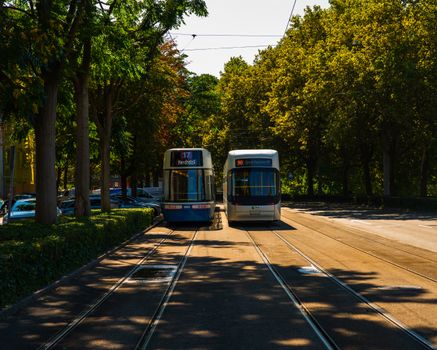
I remember sitting on a tram in Zurich, the gentle rumble beneath me as we glided past picturesque chocolate-box houses. Sunlight dappled through the trees lining the immaculate streets, and the efficiency of the service was almost invisible – it just worked. The views of Lake Zurich and the distant Alps from the tram windows were simply breathtaking.
Zurich’s public transport, operated by ZVV (Zürich Transport Association), is a masterclass in integration. Trams, buses, trains, and even boats are coordinated to provide a smooth, efficient network. The system is incredibly punctual, clean, and surprisingly quiet.
Pro-Tip:
Purchase a ZVV day pass. It offers unlimited travel within your chosen zones and is significantly cheaper than buying individual tickets, especially if you plan on hopping between different modes of transport.
Authenticity:
Don't just stick to the trams. Explore the S-Bahn (suburban rail network) to reach charming surrounding villages. The Lake Zurich ferry service is also a fantastic way to see the city from a different perspective, and it’s often included in day passes! Grab a Swiss chocolate bar from a kiosk and enjoy the ride.
Quick Facts: Zurich
| Category | Details |
| :------------- | :-------------------------------------------- |
| Estimated Cost | CHF 10-15 per day (approx. $11-$17 USD) |
| Best Time to Visit | Summer (June-August) for warm weather and outdoor activities, Winter (December-February) for Christmas markets. |
| How to Get There | Zurich Airport (ZRH) is directly connected to the city center by train in under 15 minutes. |
H3: Singapore: The Smart City's Public Transit Prowess
The Hook:
The MRT in Singapore is an experience in itself. I recall the cool, air-conditioned embrace of the station, the melodic chimes announcing arrivals, and the sheer ease of navigating the city with just a tap of my card. The cleanliness is astounding, and the way the system seamlessly connects vibrant ethnic enclaves to modern business districts is a marvel of urban planning.
Singapore’s Mass Rapid Transit (MRT) system is world-renowned for its efficiency, cleanliness, and affordability. It’s a critical artery of this bustling city-state, connecting every major attraction and neighborhood.
Insider Tip:
Get an EZ-Link card or use your contactless credit/debit card for tap-and-go payments. This is the most convenient way to pay for your MRT and bus rides.
Authenticity:
Beyond the MRT, explore Singapore’s extensive bus network. Buses often take you to areas that the MRT might not reach directly, offering a more local perspective. Look for the distinctive red and white buses! And don’t miss the chance to try hawker center food; many are located conveniently near MRT stations.
Quick Facts: Singapore
| Category | Details |
| :------------- | :-------------------------------------------- |
| Estimated Cost | SGD 6-10 per day (approx. $4-$7 USD) |
| Best Time to Visit | Year-round, but February-April is generally less humid. |
| How to Get There | Singapore Changi Airport (SIN) is one of the world’s best and is directly connected to the MRT network. |
H3: Berlin, Germany: A Historical Journey on Modern Rails
The Hook:
Riding the U-Bahn through Berlin felt like a journey through time. The distinct architectural styles of the stations, from the art deco elegance of the older lines to the sleek modernity of newer additions, tell a story of the city’s past and present. The sheer reach of the U-Bahn (subway) and S-Bahn (urban rail) networks means you’re never far from an adventure.
Berlin’s public transport is a robust and extensive network operated by the BVG (Berliner Verkehrsbetriebe). It’s incredibly affordable, especially considering the vastness of the city. The integration between the U-Bahn, S-Bahn, trams, and buses is excellent.
Pro-Tip:
Consider a Berlin WelcomeCard. It includes unlimited travel on public transport and discounts for many attractions, offering great value for money.
Authenticity:
Explore beyond the tourist hotspots by using the tram network, which serves many eastern parts of the city. The S-Bahn Ringbahn (circle line) is a fantastic way to get a panoramic view of the city’s diverse neighborhoods. Grab a Currywurst from a street vendor near a station for a true Berlin experience.
Quick Facts: Berlin
| Category | Details |
| :------------- | :-------------------------------------------- |
| Estimated Cost | €8-12 per day (approx. $9-$13 USD) |
| Best Time to Visit | Spring (April-May) and Autumn (September-October) for pleasant weather and fewer crowds. |
| How to Get There | Berlin Brandenburg Airport (BER) is well-connected to the city center by train. |
H3: Seoul, South Korea: High-Tech Transit for a Dynamic City
The Hook:
The Seoul subway system is a marvel of technology and convenience. I was impressed by the heated seats in winter, the incredibly clear digital displays, and the sheer speed at which these trains whisk you across the sprawling metropolis. The Wi-Fi on board is a lifesaver for planning your next move!
Seoul’s public transport, primarily the Seoul Metropolitan Subway, is considered one of the most efficient and technologically advanced in the world. It's clean, safe, and incredibly affordable, making it easy to explore every corner of this vibrant city.
Insider Tip:
Get a T-money card. This is a rechargeable smart card that works on the subway, buses, and even in some taxis and convenience stores. It's essential for seamless travel.
Authenticity:
Don't underestimate the Seoul bus system. Buses often reach areas not covered by the subway and offer a more intimate glimpse into local life. Look for the distinctive blue and green buses. And when hunger strikes, hop off near a station and find a local Kimbap restaurant for delicious, affordable eats.
Quick Facts: Seoul
| Category | Details |
| :------------- | :-------------------------------------------- |
| Estimated Cost | ₩4,000-7,000 per day (approx. $3-$5 USD) |
| Best Time to Visit | Spring (April-May) for cherry blossoms, Autumn (September-November) for crisp air and fall foliage. |
| How to Get There | Incheon International Airport (ICN) is connected by the AREX Express train directly to Seoul Station. |
H2: Travel Advisor Pro-Tips for Mastering Urban Transit
Beyond the specific cities, my travel advisor network shared some universal wisdom for navigating public transport like a seasoned pro:
- Download Offline Maps: Google Maps and Citymapper are your best friends. Download offline maps of the city you’re visiting before you leave your hotel.
- Embrace the Rush Hour (with caution): While it can be crowded, rush hour is often when the system is most active and frequent. Just be prepared for packed carriages!
- Learn Basic Phrases: A simple "Hello" and "Thank you" in the local language goes a long way.
- Be Aware of Your Surroundings: Like any major city, stay vigilant and keep your belongings secure.
- Don't Be Afraid to Ask: Most transit staff are happy to help, even with a language barrier. Pointing at your map or destination usually does the trick.
- Look for Tourist Passes: Many cities offer day passes or multi-day passes that can be incredibly cost-effective. Do your research!
- Check for Accessibility: If you have mobility issues, research the accessibility of the public transport system beforehand. Many modern systems are very well-equipped.
H2: The Future is Public: Sustainable and Smart Travel
As travelers, we have a responsibility to explore the world in a way that respects its resources and communities. Choosing cities with excellent public transport is a powerful step towards more sustainable and enriching travel. These destinations aren’t just convenient; they’re actively contributing to a greener, more connected future.
So, next time you’re planning an adventure, let the public transport be your guide. It’s not just a way to get around; it’s an invitation to experience a city’s rhythm, its energy, and its authentic heart. Happy travels!
---