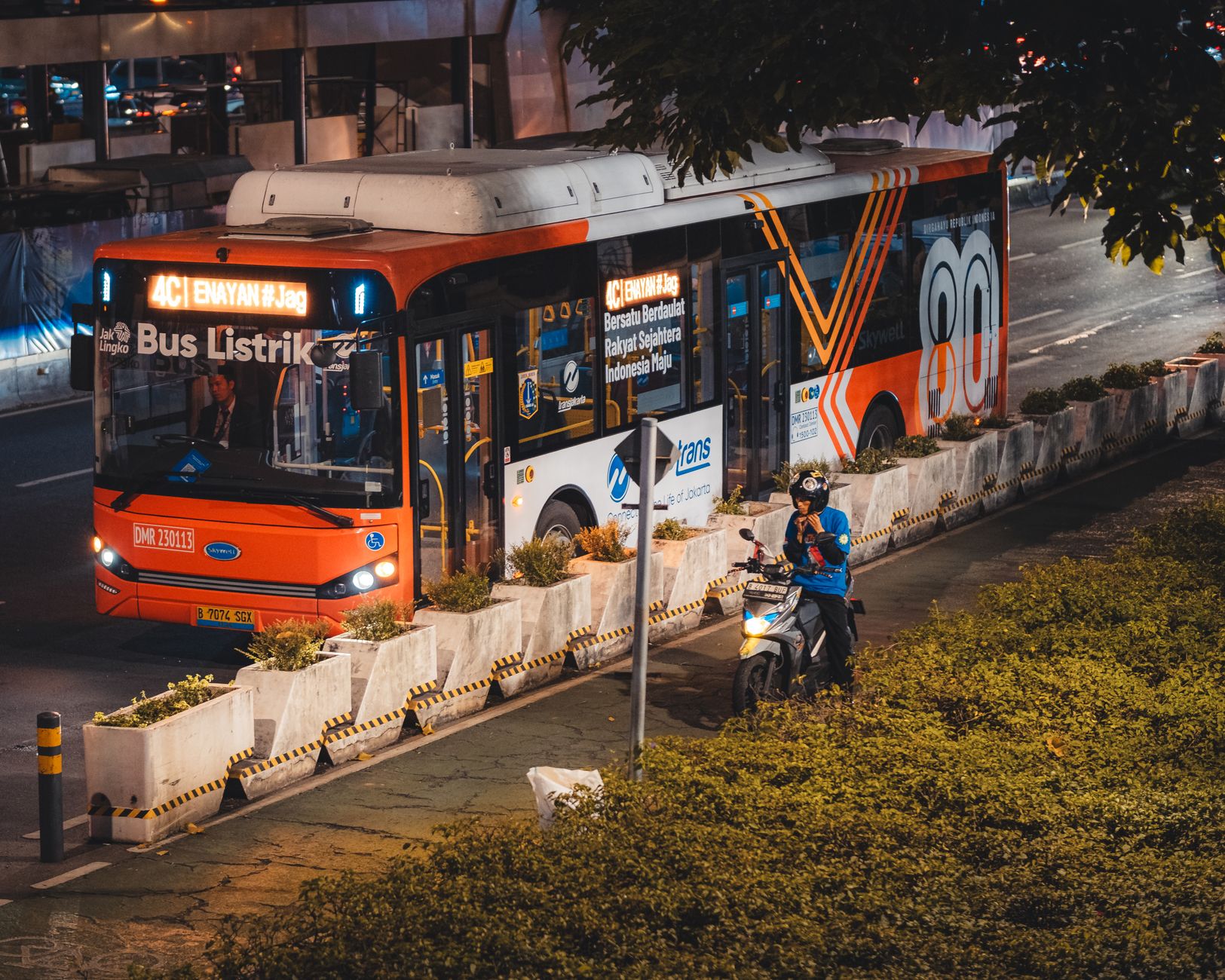
Free public transport sounds like a traveller's dream: hop on a train or bus, see the sights and pay nothing. The reality is a little more nuanced. Some places offer fare-free transit to everyone, some only to residents, and many provide free zones, free days or free passes for visitors. Policies also change as governments review budgets and priorities.
This guide explains how free public transport usually works, where it has been offered, and how to use it smartly. Because rules change, treat every example as something to verify with the local transport authority before your trip.
What "Free" Often Really Means
The phrase covers several different arrangements. Understanding which one applies saves confusion.
- Free for everyone. Anyone can ride without paying, including visitors. This is the most traveller-friendly kind.
- Free for residents only. Locals show a card or register, while visitors still pay.
- Free in a specific zone. A city centre, a central business district or a loop line is free, while the wider network charges fares.
- Free for certain groups. Children, students, seniors or people with disabilities may ride free, often with proof of age or status.
- Free with a visitor card. Hotel stays, tourist cards or city passes may include transport.
- Free on certain days or times. Weekends, special events or air-quality alerts sometimes bring free rides.
Always check which of these applies before you board. Being caught without a valid ticket can lead to a fine, even in places that seem relaxed.
Why Cities Make Transport Free
Governments try this for a mix of reasons. They may want to reduce traffic and emissions, make travel fairer for people on lower incomes, boost city-centre shops, or simplify systems where ticket sales cover a small part of costs. Results and debates vary: supporters point to better access and less congestion, while critics worry about funding, crowding and whether a free service competes with walking and cycling. For travellers, the practical point is simple: policies are political, and they can start, change or stop.
Luxembourg: The Best-Known Example
Luxembourg is the country most often associated with free public transport. Since 2020, travel on its trains, trams and buses has been free for everyone within the country's borders, residents and visitors alike. There are notable limits to remember:
- First-class train travel has historically required a paid ticket.
- Cross-border trips into neighbouring France, Belgium or Germany typically need a ticket for the section outside Luxembourg.
- Some special services, such as certain night services or tourist services, may have different rules.
Luxembourg is small, so you can reach castles, valleys, forests and the capital's old town without driving. The Luxembourg City tram connects the centre with other key areas. Before you go, confirm current rules on the official national public transport website.
Other Places With Free or Partly Free Transit
Policies change, so use this list as a starting point for research instead of a promise.
Estonia
Tallinn has offered free public transport to registered residents, with visitors expected to buy tickets. Estonia also has a history of free regional bus travel in various counties, although arrangements have been adjusted over the years. If you plan to travel around Estonia, check the current situation with the national transport authority and the Tallinn public transport site.
Malta
Malta introduced free fares on its public bus network for residents using a personal travel card, with tourists generally paying. Tourist travel cards and multi-day passes are available. Check the official Malta Public Transport information for current details.
France
France has several cities that made their public transport free for at least some riders. Dunkirk became well known for fare-free buses, and Montpellier has offered free transport for residents with a ticket for visitors. The situation varies by city, so check the local network.
Germany and Other European Systems
Many German cities have introduced discounted or flat-rate tickets rather than free transit. National or regional passes can reduce costs for travellers, although they are not free. Rules differ and prices change, so check the operator.
Australia and New Zealand
Some Australian cities include free zones. Melbourne's central city tram zone has long been free to ride, and Perth has operated free central area bus services. New Zealand cities have varied their approaches, with some offering free or discounted rides at certain times. Check each city's transport authority.
United States and Canada
Some American cities and counties have trialled or operated fare-free buses, often funded locally or through grants. These programs frequently come and go, so look up the specific transit agency. Some places offer free downtown circulator buses or shuttles to tourists.
Asia and Elsewhere
Free city-centre shuttles, free tourist loops and free boat services exist in various cities. They are usually limited to specific routes, so check local tourism websites.
How Visitors Can Benefit From Free Transit
Even when a whole network is not free, you can often find savings.
- Search for free zones. City centre loops, airport shuttles or historic district trams are common.
- Ask about tourist cards. Many cities sell passes that include unlimited transport and entry to museums. Compare costs with what you really plan to do.
- Check hotel perks. In some destinations, hotels and hostels provide guest cards giving free or discounted transit during your stay.
- Look at children's and youth rules. Many networks let children travel free, and some extend this to teenagers or students.
- Use free walking and cycling options. Cities that offer free transit usually also have good walking routes.
- Watch for event days. Major festivals, marathons and sports events sometimes include public transport in the ticket.
Planning a Trip Around Free or Cheap Transport
A few steps help you make the most of it.
- Verify the rules for visitors. Look for official sources, not blogs that might be out of date.
- Download the local transit app. Many include maps, timetables and real-time updates, and some let you buy tickets.
- Keep ID and proof of status. If a reduction applies to age or residency, carry what the rules require.
- Have a backup plan. Free services can be crowded or limited at night and on Sundays. Know the alternatives.
- Consider validation rules. Some systems that look free still require you to register a ride or tap a card, so check signage.
Travelling Without a Car
Fare-free or low-cost transit supports a car-free trip, which can be both cheaper and calmer. Pair it with:
- Walking tours and self-guided walks.
- Bike rental or bike-share schemes.
- Regional trains to nearby villages.
- Luggage storage, if you are changing accommodation.
Check accessibility needs ahead of time. Many networks offer step-free access, but not all stations or vehicles are equipped.
A Sample Visit: Using Free Transit in Luxembourg
To see how this works in practice, imagine a three-day visit to Luxembourg built around free public transport. On the first day, you could ride from the main railway station into the old town, then use the city's lifts, funicular or tram to move between the upper town and the valley below. On the second day, you might take a regional train north to a castle town such as Vianden or Clervaux, checking connections in advance because some rural routes include a bus leg and run less often in the evenings. On the third day, you might explore the wine region along the Moselle or a forest trail reachable by bus.
The savings are real, but the planning still matters. Timetables can thin out on Sundays and public holidays, so confirm the last departure back to your base. Keep screenshots of the schedule in case your signal fails in the countryside.
Using Free Transit Without Missing the Rest
Free transport can tempt travellers to cram too much into each day. A free ticket does not make distances shorter. Consider these habits:
- Pick one or two areas per day instead of crossing the whole network.
- Leave time for waiting, transfers and the occasional missed connection.
- Walk some stretches, because the places between stops are often the best part.
- Use quiet midday hours for longer rides, avoiding commuter peaks when trains and buses are packed.
- Remember that your luggage may be harder to carry on crowded vehicles, so pack light.
It is also worth asking local people about their favourite routes. Bus lines that run through hills, along coasts or past old towns are sometimes better than paid tours.
Safety and Etiquette on Public Transport
Wherever you ride, free or paid, a few habits help.
- Keep valuables in a front pocket or zipped bag, and watch belongings at busy stations.
- Offer your seat to those who need it.
- Keep voices and music low.
- Stand on the correct side of escalators.
- Do not block doors with luggage.
- Learn how to signal your stop.
If you are unsure, watch what locals do and follow the signs.
Common Misunderstandings
- "Free means I do not need a ticket anywhere." Not always. Some cities still require a ticket in particular zones.
- "Free transport applies to the whole country." Luxembourg is unusual; most places are local.
- "The rule must be the same as last year." Policies change as budgets and politics shift.
- "Tourists qualify automatically." In many cities, free fares are for residents with a card.
Frequently Asked Questions
Which country has free public transport for visitors?
Luxembourg is the best-known example, with free travel on trains, trams and buses within the country for all passengers. Verify current rules, including first-class and cross-border exceptions.
Can tourists use free public transport in Tallinn or Malta?
Generally, free fares there are tied to resident registration or a personal card. Visitors typically buy tickets or visitor passes. Check the official operators for up-to-date details.
Is free public transport always safe and reliable?
Free does not mean unreliable, but service levels vary. Check schedules, last departures and any safety guidance for the area.
How do I find out if a city has free transit?
Search the city's official transport authority website and the national tourism board. Look for sections on fares, visitors and tourist passes.
Summary
Free public transport exists, but it is rarely as simple as free rides for everyone everywhere. Luxembourg stands out for offering nationwide free travel to visitors, while many other places offer free zones, resident-only schemes, tourist passes or discounts for certain groups. Check the official transport authority before you travel, read the details about who qualifies, carry any required proof, and plan for backups. Used well, free and low-cost transit lets you see more of a place, spend less on getting around and enjoy a gentler, car-free trip.