The Great Infrastructure Pivot: Why "Nice Wi-Fi" No Longer Cuts It
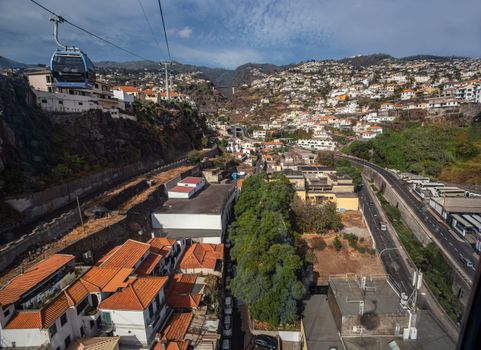
I stepped off the turboprop onto the tarmac at Funchal, and the air didn't just smell like salt and eucalyptus—it smelled like bandwidth. It was February 2021, and while the rest of the world was shuttered, I was heading to a tiny village called Ponta do Sol. There, the local government hadn't just put up a "Welcome" sign; they had repurposed a cultural center into a free coworking hub, installed community-wide high-speed mesh Wi-Fi, and hired a community manager to ensure I wasn't just a tourist, but a temporary citizen.
The "Digital Nomad" trend has matured. We are no longer satisfied with a wobbly table at a Starbucks. We need stable electricity, legal pathways, and community architecture. Governments have noticed. They aren't just tolerating us anymore; they are building for us.
Here are the cities building infrastructure specifically for nomads right now.
---
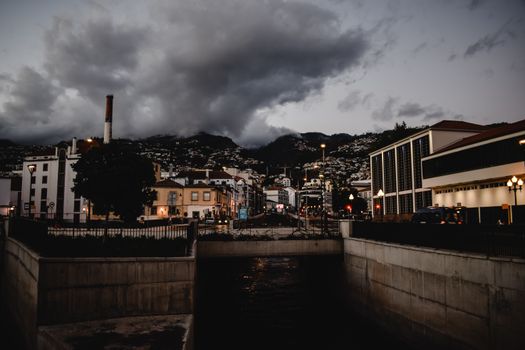
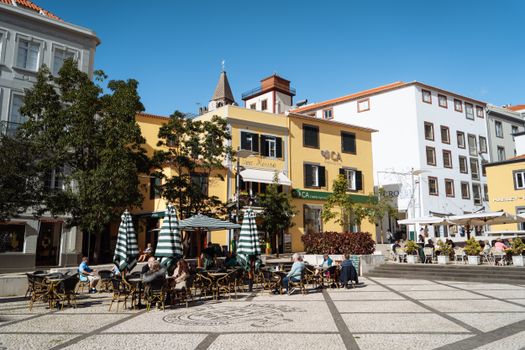
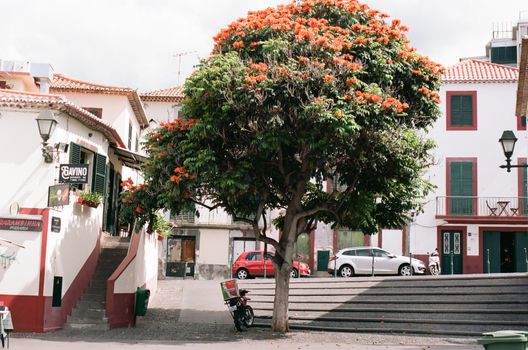
1. Madeira, Portugal: The Blueprint for the "Nomad Village"
Madeira didn't just stumble into the nomad scene; they engineered it. The Digital Nomads Madeira project is a masterclass in public-private partnership.
The Physical Build
In Ponta do Sol, the government transformed the Centro Cultural John Dos Passos into a dedicated workspace. They didn't just stop at desks; they installed fiber-optic lines in a village that previously relied on legacy copper. They’ve built a "Digital Nomad Village" ecosystem that includes local housing partnerships that bypass the predatory pricing of Airbnb.
The Social Layer
The infrastructure here is social. Every Friday, there’s a community-led "Sunset Poncha" at the pier. The government funds a dedicated Slack channel that acts as a digital town square for everything from car rentals to emergency medical help.
Pro-Tip:
Don't stay in Funchal if you want the "village" vibe. Head to Ponta do Sol or Machico. The hidden entrance to the best sunset spot in Ponta do Sol is a small stone staircase behind the yellow church—follow it up for a view without the crowds.
---
2. Bansko, Bulgaria: From Ski Resort to Nomad Fortress
Bansko is the ultimate example of an economy pivoting its entire infrastructure. Traditionally a winter-only ski town, it suffered from "ghost town" syndrome in the summer.
The Growth of "Coliving Squares"
The infrastructure here is centered around Coworking Bansko, which has expanded into multiple locations across the town. The town has seen a surge in "Coliving" buildings—renovated apartments designed with shared industrial kitchens and soundproofed Zoom cabins.
The Cost-Efficiency Infrastructure
Bulgaria offers a flat 10% income tax, but the real infrastructure is the Bansko Nomad Fest. The town council now coordinates with organizers to provide public spaces for thousands of remote workers, effectively turning the entire village into a giant campus every June.
Pro-Tip:
Visit the Sunday Market at 8 AM. It’s not just for veggies; it’s where you buy the local "Green Cheese" (Cherni Vit), a delicacy you won't find in any supermarket. It’s the fuel of choice for local developers.
---
3. Da Nang, Vietnam: The Fiber-Optic Coast
While Ho Chi Minh City is chaotic and Hanoi is historic, Da Nang is being built as Vietnam’s "Smart City."
High-Speed Hardwiring
Da Nang is currently laying extensive undersea fiber cables and 5G towers specifically in the An Thượng district. This area is being redesigned with "pedestrian-first" streets, specifically to cater to the walking-distance lifestyle nomads crave between their apartments and coworking spaces like Enouvo Space.
The "Work-Life" Balance Build
The city has invested heavily in the "My Khe" beach promenade, ensuring that the entire 30km stretch has public seating with (surprisingly) decent public Wi-Fi.
Pro-Tip:
The best "secret" office is the second floor of 43 Factory Coffee Roaster. It looks like a glass box in a pond. Arrive by 7:30 AM to snag the corner seat with the best natural light for your morning stand-up.
---
4. Kuala Lumpur, Malaysia: The DE Rantau Revolution
Malaysia isn't just offering a visa; they’ve launched the DE Rantau program, a nationwide initiative to build "Nomad Hubs."
Certified Nomad Hubs
The Malaysian government (MDEC) officially certifies hotels, hostels, and apartments as "DE Rantau Hubs." To get certified, these buildings must meet strict criteria: fiber-optic internet (minimum 100Mbps), 24/7 access, and dedicated workspaces.
The Digital Gateway
The infrastructure includes a seamless mobile app that handles your visa, your "Nomad Pass" for discounts, and a directory of certified hubs. It’s the most organized government-led nomad infrastructure in Asia.
Pro-Tip:
Use the GOKL City Bus. It’s free, has Wi-Fi, and the "Green Line" takes you directly from the nomad hubs in Bukit Bintang to the Petronas Towers.
---
5. Buenos Aires, Argentina: The "Nomad BA" Ecosystem
Buenos Aires is currently fighting inflation with innovation. The city government launched Nomad BA, a dedicated portal and perks program.
The Benefit Card
The city provides a "Nomad BA" kit upon arrival, which includes a SUBE card (for transit), a SIM card, and a discount card for over 50 coworking spaces and 100 cafes. They are physically marking "Nomad Friendly" zones with signage and improved street lighting to encourage a 24/7 work culture.
The Visa Backbone
They recently introduced a 12-month Digital Nomad Visa that specifically targets the "Blue Dollar" arbitrage, making it legally easy for nomads to stay and spend.
Pro-Tip:
Forget the famous cafes in San Telmo for work. Head to Palermo Soho and look for "La Maquinita." It’s an old warehouse converted into a coworking beast. The "hidden" roof terrace is the best place to network after 6 PM.
---
6. Tallinn, Estonia: The World’s First Digital State
Estonia didn't just build a city for nomads; they built a digital country.
E-Residency and Beyond
Tallinn’s infrastructure is almost entirely invisible because it’s digital. Through e-Residency, you can start a company, sign documents, and pay taxes in the EU without ever stepping foot there. However, the physical city has followed suit.
Telliskivi Creative City
The Telliskivi district is a former industrial complex that the city transformed into a "Creative City." It is the densest concentration of coworking spaces, organic eateries, and art studios in the Baltics. The "infrastructure" here is the seamless integration of public transport and 99% of government services being online.
Pro-Tip:
If you need a break, the Pääsküla bog trail is just 20 minutes from the center. It has a wooden boardwalk and—I kid you not—cell service strong enough to take a Zoom call from the middle of a swamp.
---
7. Cape Town, South Africa: Solar-Powered Productivity
Cape Town has long been a favorite, but "load-shedding" (planned power outages) was a major infrastructure hurdle. Now, the city is building its way out of it specifically to keep the tech-savvy crowd.
The Power Grid Pivot
The city is incentivizing businesses and coworking spaces to go "Off-Grid." Major hubs like Workplace71 and Ideas Cartel have installed massive Tesla Powerwall arrays and solar panels. The city is also rolling out a dedicated Digital Nomad Visa to capitalize on the "work-from-anywhere" crowd looking for a favorable time zone for Europe.
The "Nomad Corridor"
There is a massive push to upgrade the fiber infrastructure along the Atlantic Seaboard (Sea Point to Camps Bay), creating a high-speed corridor where the ocean meets the office.
Pro-Tip:
During load-shedding, head to The Old Biscuit Mill in Salt River. They have some of the most robust backup power systems in the city and the best artisanal coffee in the Southern Hemisphere.
---
Quick Facts: Logistics & Budget
| City | Est. Monthly Cost ($) | Best Time to Visit | Key Infrastructure Perk |
| :--- | :--- | :--- | :--- |
| Madeira | $2,200 - $2,800 | Year-round | Dedicated Nomad Village & Slack |
| Bansko | $1,200 - $1,600 | June (Fest) / Jan (Ski) | 10% Flat Tax & Coliving Hubs |
| Da Nang | $900 - $1,400 | Feb - May | Fiber-optic "Smart City" zones |
| Kuala Lumpur | $1,500 - $2,100 | May - July | DE Rantau Certified Hubs |
| Buenos Aires | $1,000 - $1,800 | Oct - Dec | Nomad BA Perk Card & Visa |
| Tallinn | $2,500 - $3,200 | June - August | E-Residency & Digital Governance |
| Cape Town | $1,800 - $2,500 | Nov - March | Solar-backed Coworking |
---
The Verdict: Where Should You Go?
If you want a community-first experience where the government knows your name, go to Madeira.
If you want raw affordability mixed with a "work hard, play hard" mountain vibe, Bansko is unbeatable.
If you want to be at the bleeding edge of a digital state, Tallinn is your home.
The world is no longer just a collection of sights to see; it’s a network of nodes to connect to. These cities aren't just letting you in; they’re building the house you’re going to live in.
Pack your bags—and your backup battery—but in these cities, you probably won't need it.
---