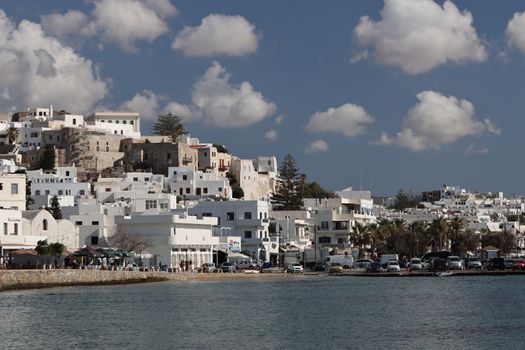
The scent of roasting coffee beans, impossibly fresh, mingled with the salty kiss of the Mediterranean. I stepped off the train in Valencia, the morning sun already warming the cobblestone streets, and immediately felt it – a buzz, an energy that was less about frantic tourism and more about purposeful living. This wasn't just another pretty European city; this was a place that felt built for people like me, people who carry their office in their backpack and their home in their heart. And it wasn't just a feeling. The data is undeniable: cities worldwide are waking up to the immense potential of the digital nomad, actively investing in infrastructure to lure and retain this mobile workforce. Forget the haphazard scramble for decent Wi-Fi and a quiet corner; the future of work is here, and some cities are already ahead of the curve.
The Nomad Revolution: More Than Just a Trend
For years, digital nomads were the pioneers, the ones who’d find a way, anywhere. We’d hunt for reliable internet, haggle for short-term rentals, and build communities organically. But the landscape is shifting dramatically. Recent reports from organizations like Nomad List and the World Economic Forum highlight a significant trend: cities are no longer passively waiting for nomads to arrive; they're actively designing their urban fabric to cater to our needs. This isn't about gentrification; it's about smart urban planning that recognizes the economic and cultural injection remote workers bring. We're talking about dedicated co-working hubs, integrated co-living solutions, streamlined visa processes, and even urban design that prioritizes pedestrian-friendly work-life balance.
Why Cities Are Investing: The Economic & Cultural Imperative
It’s simple economics. Digital nomads bring disposable income, inject cash into local businesses, and often stay longer than traditional tourists. They contribute to the local tax base and can even fill skill gaps in emerging industries. Beyond the financial, they bring diverse perspectives, foster innovation, and contribute to a vibrant, international atmosphere. Cities that understand this are not just building for today; they're future-proofing their economies.
Top Cities Actively Building Nomad Infrastructure (According to Recent Data)
Based on my own experiences and the latest intel, here are the cities that are truly leading the charge, not just with words, but with tangible infrastructure.
1. Valencia, Spain: The Mediterranean Maestro
Valencia has become a benchmark for nomad-friendly urban development. It’s not just about the stunning beaches and the iconic City of Arts and Sciences; it's the deliberate integration of resources for remote workers.
The Nomad Ecosystem:
- Co-working & Co-living Hubs: Valencia boasts a growing number of dedicated co-working spaces, many with integrated co-living options. Think spaces like Wayco or La10 Coworking, which offer not just desks and meeting rooms, but also networking events and community-building initiatives. Several co-living projects have sprung up, offering flexible leases and shared amenities designed for collaboration and social connection.
- Digital Nomad Visa Support: Spain’s digital nomad visa is a game-changer, and Valencia is actively promoting it, with local authorities offering guidance and support for applicants.
- Urban Design: The city's extensive network of bike lanes and pedestrian zones makes getting around a breeze, promoting a healthy, active lifestyle conducive to work. The Turia Gardens, a repurposed riverbed, provides an incredible green lung for outdoor work sessions or post-work relaxation.
- Affordability: Compared to other major European cities, Valencia offers a surprisingly affordable cost of living, especially for accommodation and daily expenses.
Pro-Tip:
Check out the Ruzafa neighborhood for its bohemian vibe, independent cafes perfect for a quick email check, and lively nightlife. For a truly authentic experience, try horchata and fartons from a local horchatería.
Quick Facts: Valencia
| Category | Details