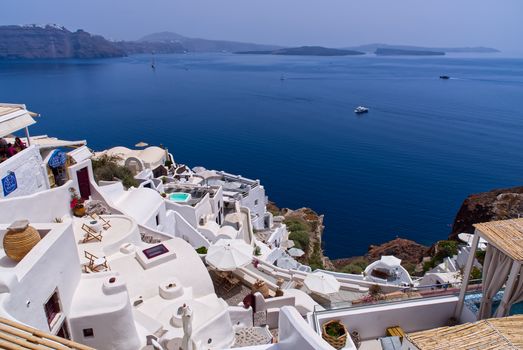
Santorini is known for its caldera views, whitewashed villages, and dramatic sunsets, and those features draw large numbers of visitors, particularly in the warmest months. Crowds can make popular viewpoints and towns feel crowded, and accommodation and restaurant prices can rise sharply in peak season. Many travelers who like the Cyclades look for islands with similar scenery, Aegean light, and island culture but fewer visitors. Several options offer a different pace while remaining well connected by ferry and, in some cases, by air.
Milos: volcanic coastlines and small harbors
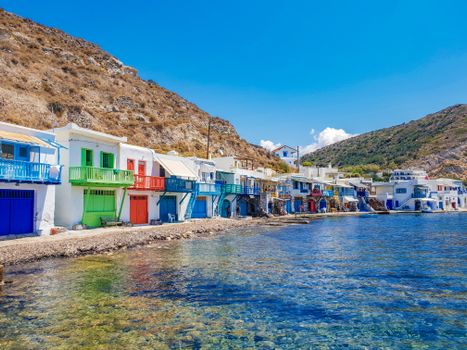
Milos is known for its volcanic geology, which has produced sea caves, white rock formations, and a varied coastline. Sarakiniko, an area of smooth pale rock near the coast, is one of the island's best known landscapes, and the beaches on the south and west coasts vary from sandy to pebbly. Fishing villages such as Klima, with its colorful boathouses, give a sense of traditional island life. Milos is a good choice for travelers who enjoy swimming, boat trips, and exploring by car or bus. Its size gives visitors room to move between coasts without feeling confined.
Folegandros: a small island with a hilltop village
Folegandros is smaller and quieter than many of its neighbors. Its main settlement, Chora, sits on a hill above the sea and is known for whitewashed architecture and sunset views. Visitors often spend several days walking between villages, relaxing at beaches reached by footpaths or boat, and enjoying local food. Transport options are more limited than on larger islands, so plan ahead for ferry times and be prepared for slower daily rhythms. Folegandros suits travelers who want calm, simple surroundings.
Amorgos: dramatic cliffs and a clifftop monastery
Amorgos is long and narrow, with steep landscapes and a strong connection to hiking. The island is known for the Hozoviotissa Monastery, built into a cliff face above the sea, which can be visited with appropriate dress and respect for religious customs. Trails link villages and coastal paths, and the island suits walkers who want scenery without large resort development. Ferry connections are important, and the island may be less convenient for short stays than larger islands.
Naxos, Sifnos and Syros: other options
Naxos is the largest island in the Cyclades and offers mountain villages, long beaches, and the Portara, a marble doorway that remains from an unfinished temple in the harbor area of Chora. It has a wider range of hotels and transport links than the smaller islands. Sifnos is known for pottery traditions and local cooking, with villages that suit slow exploration. Syros has the port town of Ermoupoli, which has neoclassical architecture and a strong civic history. Each of these islands offers a distinct balance of activity, calm, and infrastructure.
Planning ferries and timing
Ferry schedules in the Cyclades vary greatly by season. Many routes run more frequently in summer, while winter timetables can be reduced, and some smaller islands have fewer connections outside the main travel period. Check schedules with official operators or reputable ticketing sites, and build in buffer time for connections, since weather can affect sailings. Booking ahead is wise for peak periods, particularly for vehicle transport. Shoulder seasons in late spring and early autumn often offer milder weather and calmer harbors, though some services and businesses may operate on reduced hours.
Consider also how you will reach the islands. Some travelers fly into larger airports and connect by ferry, while others start from Athens and travel by sea. Plan a route that minimizes long transfers, and allow extra time if you have heavy luggage or plan to rent a car.
Practical tips
- Check ferry timetables for your exact dates, since schedules change by season and sailings can be cancelled in rough weather.
- Book accommodation early for peak months, and confirm whether breakfast, transfers or parking are included.
- Visit religious sites with modest clothing and follow posted rules.
- Carry cash for smaller tavernas and shops, and confirm card acceptance in advance.
- Consider late spring or early autumn for pleasant temperatures and fewer visitors.
- Stay two or three nights per island rather than rushing between many ports.
Common mistakes to avoid
A frequent mistake is assuming that a quieter island will be quiet all year. Travelers may also compare islands mainly through photographs, which can hide differences in beaches, road access and walking distances. Some plan a sunset at a famous village without considering how busy it can become, or how long it takes to get back afterwards. Another common error is underestimating luggage. Steps, narrow lanes and small harbours can make heavy cases difficult to manage. Finally, travelers sometimes assume that every island will have medical facilities or pharmacies nearby, which may not be true for the smallest places.
How to decide which island fits
Start with three questions. Do you want mostly beaches, mostly walking, or a mix of culture and food? How much time can you spend in transit each day? How much infrastructure do you need, such as a car, a range of restaurants or late-night options? Islands with larger towns and more connections often suit first-time visitors, while smaller ones suit people who enjoy slower routines and fewer choices. Writing down your top two priorities and your maximum acceptable transfer time can make the decision much simpler. If an island seems to demand complicated connections, it may be better saved for a future trip.
Frequently asked questions
Is Santorini always the busiest island?
It is among the most visited, but busy periods can occur elsewhere too, especially around local festivals.
Can I visit without a car?
Often yes, on islands with buses or walkable villages, although rural areas may be harder to reach.
Are day trips between islands practical?
Sometimes, but sailings can be limited, so an overnight stay may be less stressful.
Quieter Greek islands can offer much of what draws travelers to Santorini, including sea views, traditional villages, and excellent local food, with a slower pace and fewer crowds in many periods. Choosing among them depends on what you want from a trip: volcanic coastlines, car-free walking, cultural sites, or a balance of activity and rest. With realistic planning around ferries and seasons, an island route beyond the most famous name can be a rewarding and memorable way to explore the Cyclades.