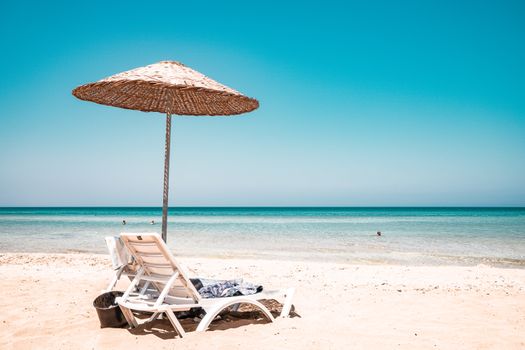
Off-Season Beach Bliss: My Life-Changing Journey to Tranquil Shores
I used to be a peak-season purist. My idea of a perfect beach vacation involved scorching sun, bustling boardwalks, and the vibrant chaos of summer crowds. I'd meticulously plan my trips for July or August, battling inflated prices, endless queues for ice cream, and the constant elbow-to-elbow struggle for a patch of sand. I’d return home, usually a little sunburnt, a lot poorer, and strangely... not entirely refreshed. The "vacation" often felt more like an endurance test.
Then came the turning point. It was a particularly grueling summer, and by September, I was utterly burnt out. I craved escape, but my budget was screaming "staycation." Browsing flights on a whim, I stumbled upon an unbelievably cheap ticket to Italy for late October. Italy? In autumn? For a beach town? My peak-season brain scoffed, but my exhausted soul whispered, "Why not?" It was a leap of faith that didn't just change my travel habits; it fundamentally reshaped my understanding of peace, authenticity, and what a true escape could be. That trip, and the many off-season adventures that followed, quite literally changed my life forever.
If you're tired of the summer scramble, if you crave genuine connection over tourist traps, and if the thought of a quiet, reflective coastal escape sounds like heaven, then keep reading. I’m about to share the magic of off-season beach towns – and how you can experience your own life-changing journey.
The Myth of the "Best" Season: Why Off-Season Reigns Supreme
We've been fed a lie: that beaches are only for summer. While there's undeniable charm in golden sand and sizzling sun, the off-season (shoulder months like April-May, September-October, or even deep winter) offers a profoundly different, often superior, experience. It’s not just about avoiding crowds; it’s about embracing a different rhythm, a deeper connection, and a more authentic slice of life.
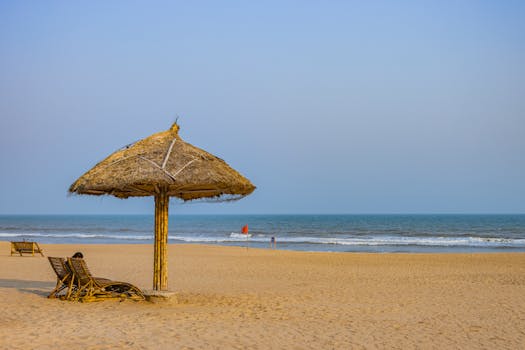
Imagine strolling along a pristine beach, the only footprints in the sand being your own. Picture yourself dining at a local trattoria where the owner has time to chat, sharing stories and recommendations, instead of rushing you out the door. Envision waking to the sound of crashing waves, not distant traffic, and spending your days exploring quaint streets without a single selfie stick photobombing your view. This isn't a fantasy; it's the reality of off-season beach travel.
The benefits are undeniable:
- Fewer Crowds: This is the most obvious, but also the most impactful. Tourist hotspots become peaceful havens.
- Lower Prices: Flights, accommodation, and sometimes even local activities can be significantly cheaper. I've seen hotel rooms go for half or even a third of their peak-season rates.
- Authentic Local Interaction: With fewer tourists, locals are more relaxed, friendly, and open to genuine connection. You see the town as it truly is, not just its tourist-facing facade.
- Milder Weather: While you might not be sunbathing, the weather is often perfect for exploring – crisp air, dramatic skies, and comfortable temperatures for hiking or strolling.
- Flexibility: Easier to book last-minute, less need for reservations, more spontaneous adventures.
My first revelation came in a place I thought I knew well... or at least, knew from countless Instagram posts.
My First Off-Season Revelation: Cinque Terre, Italy in Autumn
My impromptu autumn trip took me to the Cinque Terre, a string of five vibrant fishing villages perched on the rugged Italian Riviera. My previous mental image of Monterosso al Mare, Vernazza, and the others was a postcard-perfect scene, but one invariably filled with a human tide. In late October, that tide had receded.
Stepping off the train in Monterosso, I was greeted not by a chaotic throng, but by the gentle murmur of the sea and the scent of lemons and damp earth. The famous hiking trails, which in summer are often a single-file procession, were blissfully quiet. I hiked the path from Monterosso to Vernazza, my only companions being the rustling leaves and the occasional local out for a morning walk. The air was crisp, the autumn sun cast a soft, golden glow, and the vineyards clinging to the cliffs were ablaze with reds and oranges. The views of the colorful villages nestled against the dramatic coastline were breathtaking, made even more poignant by the solitude.
I stayed at a charming little B&B, La Casa di Zuecca, in Monterosso for just €70 a night – a price that would be unthinkable in July. The owner, a sweet elderly woman named Maria, would bring me fresh focaccia and coffee each morning, chatting about local life and recommending her favorite hidden spots. One evening, she even taught me a few basic Italian phrases over a glass of local Sciacchetrà wine.
The beaches, usually packed, were gloriously empty. I didn't swim (the water was too chilly for me), but I spent hours simply sitting on the sand, watching the waves, collecting sea glass, and reading. One afternoon, a gentle storm rolled in, and watching the dramatic clouds gather over the sea from the warmth of a local cafe was far more captivating than any sunny beach day I'd ever experienced. The restaurants, too, were a joy. I dined on fresh anchovies and pesto pasta at Ristorante Belvedere, perched right on the water, without needing a reservation. The staff were attentive, and the atmosphere was one of genuine warmth, not hurried service.
This trip wasn't just a vacation; it was a reset. It showed me that true beauty often lies in quiet contemplation, in the unhurried pace, and in the genuine connections made when the tourist frenzy subsides. It taught me the profound joy of slow travel and experiencing a place on its own terms.
Embracing the Chill: Outer Banks, USA in Winter
Inspired by Cinque Terre, I decided to push the boundaries further. Could a US beach town, known for its summer crowds, offer a similar magic in the dead of winter? The answer, I discovered on a trip to the Outer Banks, North Carolina in February, was a resounding yes.
My partner and I rented a cozy, dog-friendly beach house in Nags Head for a long weekend. The cost? A mere $600 for three nights – a fraction of the $3000+ it would command in July. We arrived to wild, windswept beaches, dramatic dunes, and a sense of raw, untamed beauty. The air was bracing, but bundled up in warm coats, hats, and scarves, we found exhilaration in the elements.
Our days were spent walking for miles along deserted stretches of sand, the only sounds being the roar of the Atlantic and the cry of gulls. We saw wild horses roaming freely on the northern beaches near Corolla, their manes blowing in the wind – a sight often obscured by crowds in warmer months. We climbed the iconic Bodie Island Lighthouse without a single queue, enjoying panoramic views that felt entirely our own.
Evenings were pure coziness. We built bonfires on the beach (check local regulations!), watching the flames dance against the dark, star-studded sky. We cooked fresh seafood purchased from local markets like O'Neal's Sea Harvest in Wanchese, which remained open year-round, serving the true local catch. We discovered hidden-gem breweries like Weeping Radish Farm Brewery and enjoyed hearty meals at local spots like Sam & Omie's that cater to year-round residents.
This trip wasn't about swimming or tanning; it was about connecting with nature in its wildest form. It was about finding peace in the solitude, a sense of awe in the vastness of the ocean, and a deep appreciation for the cozy comforts of a warm home on a cold night. It changed my perspective on what a "beach vacation" could be, proving that the magic isn't in the temperature, but in the experience.
The Shoulder Season Sweet Spot: Algarve, Portugal in Spring
After experiencing the extremes, I sought a middle ground: the shoulder season. My journey took me to the Algarve region of Portugal, specifically Lagos, in late April. This time, the goal was to find a balance – pleasant weather for exploration, but still with the off-season benefits. It delivered spectacularly.
Lagos in April was vibrant but not overwhelmed. The weather was perfect – warm enough for light jackets in the mornings, T-shirts by midday, and even a quick dip in the ocean for the brave. The landscape was bursting with wildflowers, and the air was filled with the scent of orange blossoms.
The famous golden cliffs and sea caves of Ponta da Piedade, which can be a circus in summer, felt intimate. I booked a small kayak tour to explore the Benagil Cave and other grottoes. Our group was just six people, and our guide, a local fisherman named João, shared fascinating stories about the coastline. We paddled into the caves, the sunlight filtering through the openings, illuminating the turquoise water – an almost spiritual experience, devoid of the usual boat traffic.
I stayed at a charming boutique hotel, Casa Mãe, for around €120 a night, including a delicious breakfast. It was a splurge compared to my B&B in Cinque Terre, but still far more affordable than peak season. Mornings were spent sipping coffee on my balcony overlooking the town, followed by leisurely walks along the cliff paths to Praia do Camilo and Praia Dona Ana. The beaches, while not empty, were pleasantly uncrowded, allowing for peaceful sunbathing and even some beach reading.
Evenings were a delight of fresh seafood and local wine. I particularly loved A Forja, a traditional restaurant where the fish was grilled to perfection and the atmosphere was lively with local chatter, not just tourist babble. There were no long waits for tables, and the service was genuinely warm.
The Algarve in spring was the perfect blend: gorgeous weather, stunning natural beauty, just enough buzz to feel lively, but without the suffocating crowds and inflated prices. It reaffirmed my belief that the shoulder season is often the best season.
Beyond the Beach: Unlocking Local Life & Deeper Connections
The beauty of off-season beach travel extends far beyond the sand and sea. It’s about peeling back the layers of a destination to reveal its true essence.
- Genuine Local Interaction: Without the pressure of peak season, locals are often more relaxed and willing to engage. Shopkeepers will chat, restaurant owners will share family recipes, and you might even be invited to a local festival or event that tourists rarely discover. I've had conversations with fishermen, artists, and cafe owners that have given me insights into a place far deeper than any guidebook ever could.
- Authenticity: You experience the town as residents do. The markets are filled with locals buying their groceries, not just souvenirs. The cafes are where friends gather for coffee, not just quick tourist stops. This authenticity creates a richer, more meaningful travel experience.
- Unexpected Discoveries: When you’re not fighting crowds or sticking to a rigid itinerary, you’re open to serendipity. You might stumble upon a hidden art gallery, a quiet walking path, or a local baker with the best pastries you’ve ever tasted. These unplanned moments are often the most memorable.
- Cost Savings & Value: Beyond the obvious savings on flights and accommodation, off-season travel often means better value. You might get a larger room for the same price, a more attentive tour guide, or a more leisurely dining experience. This allows you to stretch your budget further or invest in higher-quality experiences.
- A Different Kind of Beauty: Off-season often brings dramatic skies, wilder seas, and unique natural phenomena. Think misty mornings, powerful waves, or the vibrant colors of autumn foliage against a coastal backdrop. It’s a beauty that demands appreciation, not just a quick photo op.
These intangible benefits are what truly changed my life. They taught me to seek depth over superficiality, connection over consumption, and peace over frantic activity.
Your Off-Season Beach Town Playbook: Actionable Tips for Your Next Escape
Ready to experience your own transformative off-season beach adventure? Here’s my playbook:
- Research Wisely, But Be Flexible:
- Weather: Check average temperatures, rainfall, and wind for your chosen month. "Off-season" doesn't mean "bad weather," but it might mean "different weather." Pack accordingly!
- What's Open: Verify that essential services (restaurants, attractions, transport) will be operating. Some very small towns might shut down almost completely in deep winter.
- Local Events: Look for local festivals, harvest celebrations, or cultural events that might only happen off-peak.
- Pack for the Elements:
- Layers are Key: Mornings might be chilly, afternoons mild, evenings cool. A good waterproof and windproof outer layer is essential.
- Sturdy Footwear: You'll be doing more walking and exploring, so comfortable, waterproof shoes are a must.
- Swimsuit (Maybe): Even if you don't swim, some places might have heated pools or spas, or you might be brave enough for a quick dip!
- Embrace the Pace:
- Slow Down: This isn't a race. Savor your coffee, linger over meals, take long walks.
- Connect with Locals: Learn a few phrases, ask for recommendations, show genuine interest. These interactions are gold.
- Be Spontaneous: With fewer crowds, you have more freedom to change plans on a whim.
- Go Local for Food:
- Seek out restaurants that cater to residents, not just tourists. They often offer better value and more authentic cuisine.
- Visit local markets for fresh produce, cheeses, and baked goods.
- Consider a Car Rental (Outside Major Cities):
- Public transport might be less frequent off-season, especially in more remote coastal areas. A car gives you the freedom to explore nearby towns and hidden spots.
- Book Accommodation Directly:
- While booking sites are great, sometimes contacting hotels or B&Bs directly during the off-season can yield better deals or added perks.
- Adjust Your Mindset:
- This isn't about getting a tan; it's about experiencing the soul of a place. Embrace the quiet, the drama of nature, and the unexpected discoveries.
Your Life-Changing Escape Awaits
My journey from peak-season warrior to off-season evangelist was a profound one. It taught me that the most beautiful, authentic, and truly rejuvenating travel experiences often lie just outside the conventional. Off-season beach towns aren't just cheaper or less crowded; they offer a chance to connect with a place, its people, and yourself on a deeper level. They offer solitude, reflection, and a sense of wonder that the summer rush often drowns out.
So, ditch the summer stress. Challenge your assumptions. And discover for yourself the transformative power of a quiet, off-season escape. I promise you, it might just change your life forever.
What off-season beach town will you explore next? Share your dreams in the comments below, and let's inspire each other to find our own tranquil shores!
---