The Moment Gravity Lost Its Grip
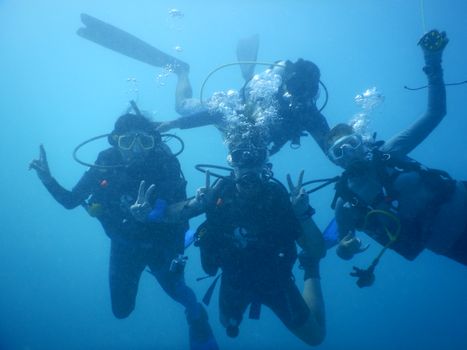
I remember the exact second the world changed. I was sitting on the edge of a dive boat in Key Largo, the humid Florida air smelling of salt spray and high-octane sunscreen. Beside me was Mark, a former paratrooper who hadn't felt his legs in a decade. As we rolled backward into the turquoise swell of the Atlantic, the heavy, clunky reality of the surface vanished.
The hiss of the regulator became the only sound—a rhythmic, reassuring pulse. Below the surface, the wheelchair was a distant memory. Mark wasn't a "person with a disability" anymore; he was a diver, neutrally buoyant, hovering over a forest of purple sea fans. That’s the magic of the silent world: the ocean doesn't care about your gait or your muscle tone. It only cares about your breath.
This year, that magic is becoming more accessible than ever. We’re seeing a surge in scuba diving programs for people with disabilities emerging this year that move beyond mere "accommodation" into true innovation.
1. The Power Players: Agencies Leading the Charge
If you’re looking to get certified or find a structured program, you don't just go to any dive shop. You need the specialists.
The Handicapped Scuba Association (HSA)
HSA remains the gold standard. Their instructor training is grueling because it has to be. They don't just teach you how to dive; they teach your "dive buddies" how to facilitate your independence. This year, HSA is expanding its reach into Southeast Asia, with new hubs opening in Thailand and Indonesia specifically designed for mobility-challenged travelers.
PADI’s Adaptive Techniques
PADI (the world’s largest diving organization) has finally leaned hard into its Adaptive Support Diver course. What’s new this year? They’ve integrated a digital-first approach, allowing students to complete all classroom work via a highly accessible app before ever touching the water. This is a game-changer for those who find traditional classroom settings physically taxing.
Diveheart: The Therapeutic Pioneers
Based in the US but operating globally, Diveheart is focusing on "Deep Sea Therapy" in 2024. They are currently working with medical researchers to document how hydrostatic pressure helps mitigate chronic pain and PTSD symptoms. Their "Scuba Therapy" treks to Cozumel are filling up faster than a tank of Nitrox.
2. Tech That Levels the Playing Field
We aren't just talking about extra straps. The gear emerging this year looks like something out of a Bond film.
- Webbed Gloves & Specialized Fins: For those with limited leg mobility, new high-torque webbed gloves allow for incredible propulsion using only upper-body strength.
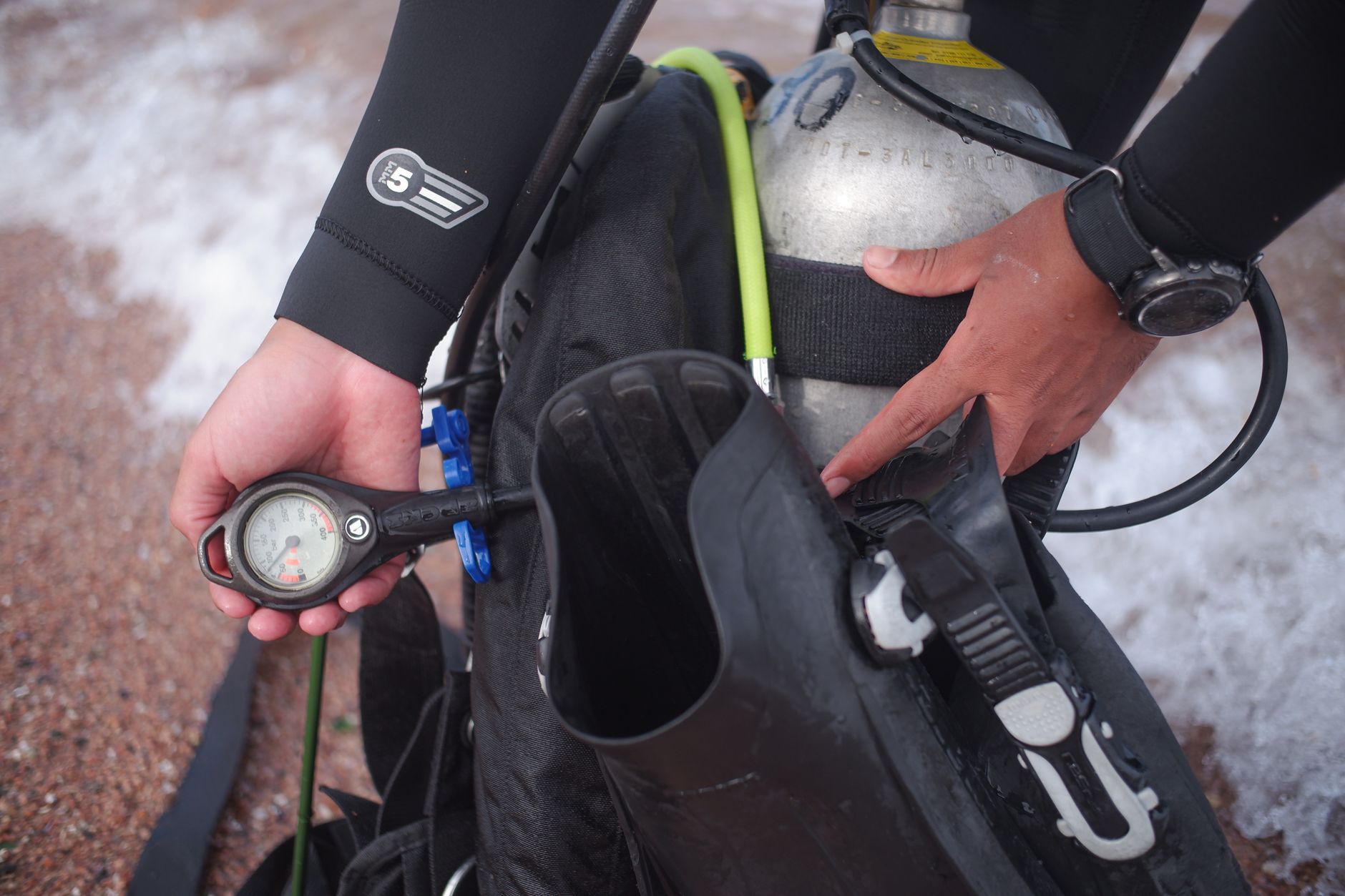
- Electronic DPVs (Diver Propulsion Vehicles): Imagine a handheld underwater scooter. The 2024 models are smaller, lighter, and have "cruise control" settings, allowing divers with limited grip strength to navigate high-current areas with ease.
- Full-Face Masks (FFM): For divers who have difficulty holding a traditional regulator mouthpiece, the new generation of FFMs provides a wide field of vision and allows for natural nose-breathing.
Pro-Tip:
If you’re trying a Full-Face Mask for the first time, look for the Ocean Reef Integrated Diving Mask. It has a built-in communication system so you can actually talk to your instructor underwater.
3. Top Destinations Shattering Barriers
Not every reef is accessible, but these three spots are leading the world in "Blue Accessibility."
Bonaire: The Shore Diving Capital
Bonaire is famous for shore diving, which can be tricky for those with mobility issues. However, Divi Flamingo Beach Resort has revolutionized their pier. They feature a specialized "transfer bench" and a lift system that lowers you directly into the water, bypassing the treacherous surf entry.
* Insider Secret: Head to the "Salt Pier" dive site. It’s shallow, has massive pillars covered in sponges, and the entry point has been recently graded for easier access.
Hurghada, Egypt: The Red Sea Revolution
The Red Sea offers some of the clearest water on Earth. This year, several "Liveaboard" boats (cruises you live and dive on) have been refitted with elevators and wide-aisle cabins. Look for boats operated by Blue O Two—they have specific weeks dedicated to adaptive diving with extra staff on hand.
Key Largo, Florida: The Gold Standard
Home to the Island Dolphin Care and numerous adaptive-friendly charters. The water here is shallow and warm, perfect for beginners.
* Pro-Tip: Book your charter with Quiescence Diving Services. They use smaller boats (6-pack style), which means less chaos and more personalized attention for gear setup.
4. The Logistics: Costs and Planning
Let’s talk numbers. Adaptive diving is, admittedly, more expensive than standard diving due to the increased staff-to-diver ratio.
| Feature | Estimated Cost ($) | Best Time to Visit | Accessibility Level |
| :--- | :--- | :--- | :--- |
| HSA Certification | $500 - $800 | Year-round | High |
| Bonaire Dive Trip | $1,800 - $2,500 | May - October | Exceptional |
| Red Sea Liveaboard| $2,000 - $3,500 | Sept - November | Moderate/High |
| Florida Keys Day Dive| $150 - $250 | April - June | High |
How to get there:
When flying with gear, remember that most airlines do not charge for "medical equipment." If your dive computer or specialized BCD (Buoyancy Control Device) is essential for your disability, label it clearly.
5. The "Insider" Protocol: What Nobody Tells You
When you’re looking at scuba diving programs for people with disabilities emerging this year, you need to ask the "uncomfortable" questions before you book.
- Ask about the "Head": Is the bathroom on the boat actually accessible? Many claim to be, but have a 4-inch "lip" at the door that a wheelchair can't cross.
- The "Transfer" Method: Don't just ask if they can help you into the water. Ask how. Do they use a lift, a slide, or a manual carry? You need to know what your body is comfortable with.
- The 7 AM Rule: If you are diving from a popular dock, get there at 7 AM. The crowds are thinner, the sun isn't punishing yet, and the crew has more patience to help you dial in your gear without feeling rushed by a line of 50 other divers.
6. Beyond the Physical: The Mental Shift
The most profound part of these emerging programs isn't the gear; it's the community. I’ve sat on docks from Cozumel to Cairns, and the vibe in the adaptive community is electric. There is a shared understanding that we are all reclaiming something the world tried to take away.
In the water, the "disability" disappears. You aren't "the guy in the chair"; you're the guy who just saw a Hawksbill turtle. You aren't "the veteran with the prosthetic"; you're the diver who nailed his safety stop.
7. How to Start Today
Don't wait for "someday."
1. Contact Diveheart or HSA: Find a local chapter. Even if you live in a landlocked state, many programs start in heated pool environments.
2. Get a Medical Clearance: You’ll need a specific "Fitness to Dive" form signed by a doctor. Do this before you get excited and book a flight.
3. Join the Community: Follow hashtags like #AdaptiveDiving and #InclusionUnderwater on Instagram. The advice you’ll get from divers who have "been there, done that" is worth more than any brochure.
The ocean is calling, and for the first time in history, it’s speaking to everyone. The weightlessness is waiting for you. Are you ready to jump in?
---