The Unforeseen Symphony: Stepping into a Reborn Landscape
I stepped off the train in Mostar, Bosnia and Herzegovina, and the air itself felt different. Gone was the tension I'd read about, replaced by the gentle murmur of the Neretva River, the clatter of hooves from a distant horse-drawn cart, and the intoxicating aroma of ćevapi grilling on open coals. Sunlight, warm and forgiving, glinted off the impossibly blue water and the iconic Stari Most bridge, a phoenix risen from the ashes. This wasn't just a picturesque scene; it was a testament to human resilience, a whisper of a past acknowledged but not defined by it. It was here, amidst the echoes of conflict, that I realized the profound and often overlooked beauty of visiting regions that have navigated the crucible of war and emerged, not unscathed, but undeniably, vibrantly alive.
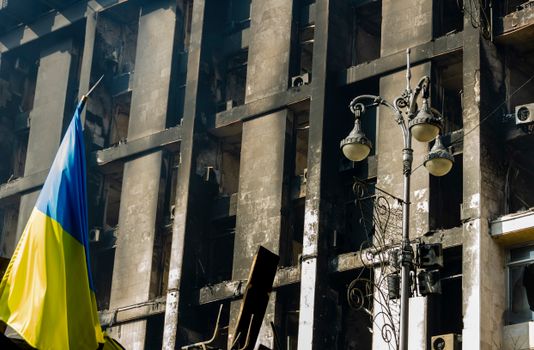
For too long, "war-torn" has been a scarlet letter, a permanent stain on a destination's identity. But the world is a vast and dynamic place, and many regions are not just recovering; they are thriving, their stories of rebuilding, resilience, and renewed hope offering some of the most profound travel experiences imaginable. This isn't about morbid curiosity; it's about celebrating the human spirit, supporting local economies, and discovering places that offer a depth of connection rarely found in your average tourist hotspot.
Beyond the Headlines: Why These Destinations Matter Now
The media often freezes a region in time, forever defined by its darkest chapter. But travel is fluid. It’s about witnessing evolution, not just history. These destinations offer a unique window into how communities heal, adapt, and rebuild. They are living museums of resilience, where every rebuilt stone, every bustling market stall, tells a story of perseverance.
Visiting these places isn't just about seeing new sights; it’s about understanding the world on a deeper level. It’s about engaging with people who have faced unimaginable hardship and emerged with an unshakeable spirit. It’s about contributing directly to their ongoing recovery and showing the world that their future is not defined by their past.
The Power of Your Footprint: Supporting Local Economies
When you choose to travel to these regions, you're doing more than just taking photos. You're injecting vital capital into local economies that are actively rebuilding. Your dollars support small businesses, artisans, hotels, and restaurants – the very fabric of a community working towards a brighter future. This is responsible tourism at its finest, a tangible way to contribute to peace and prosperity.
Destinations Worth Rediscovering: A Curated Journey
The world is full of incredible places, but some, after periods of conflict, offer a particularly potent blend of history, culture, and a palpable sense of hope. These are not places to be approached lightly, but with respect, open minds, and a genuine desire to connect.
1. Bosnia and Herzegovina: The Bridge Between Worlds
Mostar, as I experienced, is just the beginning. This nation is a tapestry woven with Ottoman, Austro-Hungarian, and Slavic influences. The scars of the 1990s war are visible, particularly in Sarajevo, but they are juxtaposed with an incredible resurgence of culture, art, and a vibrant café scene.
- Sarajevo: Wander through Baščaršija, the old bazaar, where the scent of strong Bosnian coffee mingles with the aroma of traditional pastries. Visit the Tunnel of Hope, a poignant reminder of the city's siege. The War Childhood Museum offers an incredibly moving, personal perspective.
- Mostar: Beyond the Stari Most, explore the cobbled streets, visit the Koski Mehmed Pasha Mosque for panoramic views, and take a day trip to the Kravice Waterfalls – a stunning natural escape.
- Pro-Tip: Look for the "Sarajevo Roses" – red resin poured into bomb craters, a beautiful and somber memorial.
Quick Facts: Bosnia and Herzegovina
* Estimated Costs: $50-80 per day (budget to mid-range)
* Best Time to Visit: Spring (April-May) and Autumn (September-October) for pleasant weather.
* How to Get There: Fly into Sarajevo International Airport (SJJ) or Mostar Airport (OMO). Well-connected by bus and train from neighboring countries.
2. Cambodia: The Kingdom of Wonder Reawakens
Cambodia, still healing from the Khmer Rouge regime, is a land of ancient grandeur and profound human spirit. While the shadows of the past linger, the present is defined by the warmth of its people and the breathtaking beauty of its landscapes.
- Angkor Wat: The undisputed crown jewel. Arrive before dawn to witness the sunrise over the iconic temple complex – a truly spiritual experience. Explore the intricate carvings and the jungle-entwined temples of Ta Prohm.
- Phnom Penh: Visit the Tuol Sleng Genocide Museum (S-21) and the Killing Fields of Choeung Ek for a necessary, albeit somber, understanding of the country's recent history. Balance this with a visit to the Royal Palace and the vibrant Central Market.
- Siem Reap: The gateway to Angkor, this town offers a fantastic mix of boutique hotels, delicious Khmer cuisine, and lively night markets.
- Insider Lingo: Don't just say "delicious" for the food; describe the balance of sweet, sour, salty, and spicy in a Fish Amok or the fragrant lemongrass in a Khmer Curry.
Quick Facts: Cambodia
* Estimated Costs: $40-70 per day (budget to mid-range)
* Best Time to Visit: Dry season (November to April) offers the most comfortable temperatures.
* How to Get There: Fly into Phnom Penh International Airport (PNH) or Siem Reap International Airport (REP).
3. Colombia: From Cocaine Cartels to Coffee Plantations
Colombia's transformation is one of the most inspiring in recent memory. Once synonymous with drug cartels and conflict, it has emerged as a vibrant, diverse, and remarkably safe destination.
- Medellín: Once known as the "most dangerous city in the world," Medellín is now a hub of innovation and culture. Ride the Metrocable for stunning city views and explore the vibrant street art scene in Comuna 13.
- Cartagena: A colonial gem on the Caribbean coast. Wander through the colorful walled city, enjoy fresh seafood, and soak in the vibrant atmosphere.
- The Coffee Region (Eje Cafetero): Stay in a traditional finca (coffee farm), learn about the coffee-making process, and hike through the surreal landscapes of the Cocora Valley with its towering wax palms.
- Pro-Tip: Engage with local guides in Medellín who can offer firsthand accounts of the city's incredible turnaround.
Quick Facts: Colombia
* Estimated Costs: $60-90 per day (budget to mid-range)
* Best Time to Visit: Year-round, but the dry seasons (December-March and July-August) are generally preferred.
* How to Get There: Major international airports include El Dorado International Airport (BOG) in Bogotá, José María Córdova International Airport (MDE) in Medellín, and Rafael Núñez International Airport (CTG) in Cartagena.
4. Lebanon: Ancient Roots, Unyielding Spirit
Lebanon has endured periods of intense conflict, but its rich history, diverse culture, and incredibly welcoming people make it a compelling destination for the intrepid traveler.
- Beirut: A city of contrasts. Explore the bustling Hamra Street, visit the National Museum of Beirut for a deep dive into Phoenician, Roman, and Byzantine history, and enjoy the vibrant nightlife. The downtown area, rebuilt after the civil war, is a testament to its resilience.
- Byblos (Jbeil): One of the oldest continuously inhabited cities in the world. Explore its ancient Phoenician ruins, crusader castle, and charming old souk.
- Baalbek: Home to some of the most impressive Roman ruins in the world, including the colossal Temple of Jupiter.
- Insider Lingo: When describing Lebanese food, don't just say "tasty." Mention the bright, fresh flavors of mezze like hummus and tabouleh, the smoky char of grilled meats, and the delicate sweetness of baklava.
Quick Facts: Lebanon
* Estimated Costs: $70-100 per day (mid-range)
* Best Time to Visit: Spring (April-May) and Autumn (September-November) for pleasant temperatures.
* How to Get There: Fly into Beirut–Rafic Hariri International Airport (BEY).
5. Northern Ireland: From Troubles to Tranquility
While the term "war-torn" might feel strong for recent history, Northern Ireland’s "Troubles" left deep scars. Today, it’s a land of breathtaking natural beauty, rich history, and a thriving cultural scene that has moved decisively towards peace and reconciliation.
- Belfast: Explore the Titanic Belfast museum, delve into the city's complex past at the Ulster Museum, and take a Black Cab Tour to understand the murals and the peace walls that once divided communities. The city's transformation is palpable.
- Giant's Causeway: A UNESCO World Heritage site, this natural wonder of interlocking basalt columns is a must-see.
- The Causeway Coastal Route: Drive this scenic route, stopping at Carrick-a-Rede Rope Bridge, Dunluce Castle, and charming seaside towns.
- Pro-Tip: Seek out local storytellers or cultural events that actively engage with the peace process and celebrate shared heritage.
Quick Facts: Northern Ireland
* Estimated Costs: $80-120 per day (mid-range)
* Best Time to Visit: Summer (June-August) for the best weather, but shoulder seasons (April-May, September-October) offer fewer crowds.
* How to Get There: Fly into Belfast International Airport (BFS) or George Best Belfast City Airport (BHD). Accessible by ferry and train from Great Britain.
Navigating with Respect: Essential Travel Tips
Visiting regions that have experienced conflict requires a heightened sense of awareness and respect. This is not about being fearful, but about being informed and mindful.
- Do Your Research: Understand the current political climate, local customs, and any ongoing sensitivities. Check government travel advisories, but also look for independent travel blogs and forums from those who have recently visited.
- Be a Conscious Consumer: Prioritize locally owned businesses, eat at local restaurants, and buy souvenirs directly from artisans. Your spending makes a real difference.
- Engage with Locals: Be open to conversations, listen to their stories, and ask respectful questions. Many people are eager to share their experiences and their vision for the future.
- Photography Etiquette: Always ask permission before photographing people, especially in more traditional or sensitive areas. Be mindful of where you point your camera; avoid capturing lingering signs of conflict unless it’s done with clear respect and purpose.
- Patience and Flexibility: Things may not always run on schedule. Embrace the unexpected and be prepared to adapt your plans.
- Learn a Few Local Phrases: A simple "hello" or "thank you" in the local language goes a long way in building rapport.
The Transformative Power of Post-Conflict Travel
Travel has the extraordinary ability to change perspectives, both for the traveler and the visited. When we venture into regions that have overcome adversity, we witness the enduring strength of the human spirit. We return with a deeper appreciation for peace, a more nuanced understanding of global affairs, and stories that resonate far beyond the typical vacation anecdote.
These destinations are not just places on a map; they are living testaments to hope, resilience, and the unwavering desire for a better future. They offer an unparalleled opportunity for transformative travel, where you don't just see the world – you connect with it on a profound, human level. So, pack your bags, open your mind, and prepare to be moved. The world's most inspiring stories are waiting.