Volcano Tours That Changed My Life Forever (And Won't Kill You!)
I used to be a skeptic. A full-blown volcano cynic, actually. My mental image of a volcano tour involved dodging molten rock, gas masks, and a very real possibility of becoming a permanent part of the landscape. For years, the idea of getting anywhere near an active volcano filled me with a primal fear, overshadowing any curiosity. "Why risk it?" I'd scoff, scrolling past incredible photos of fiery peaks.
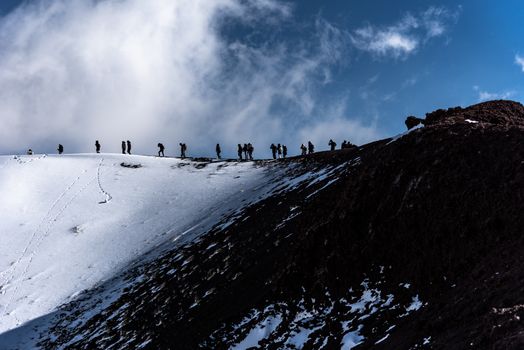
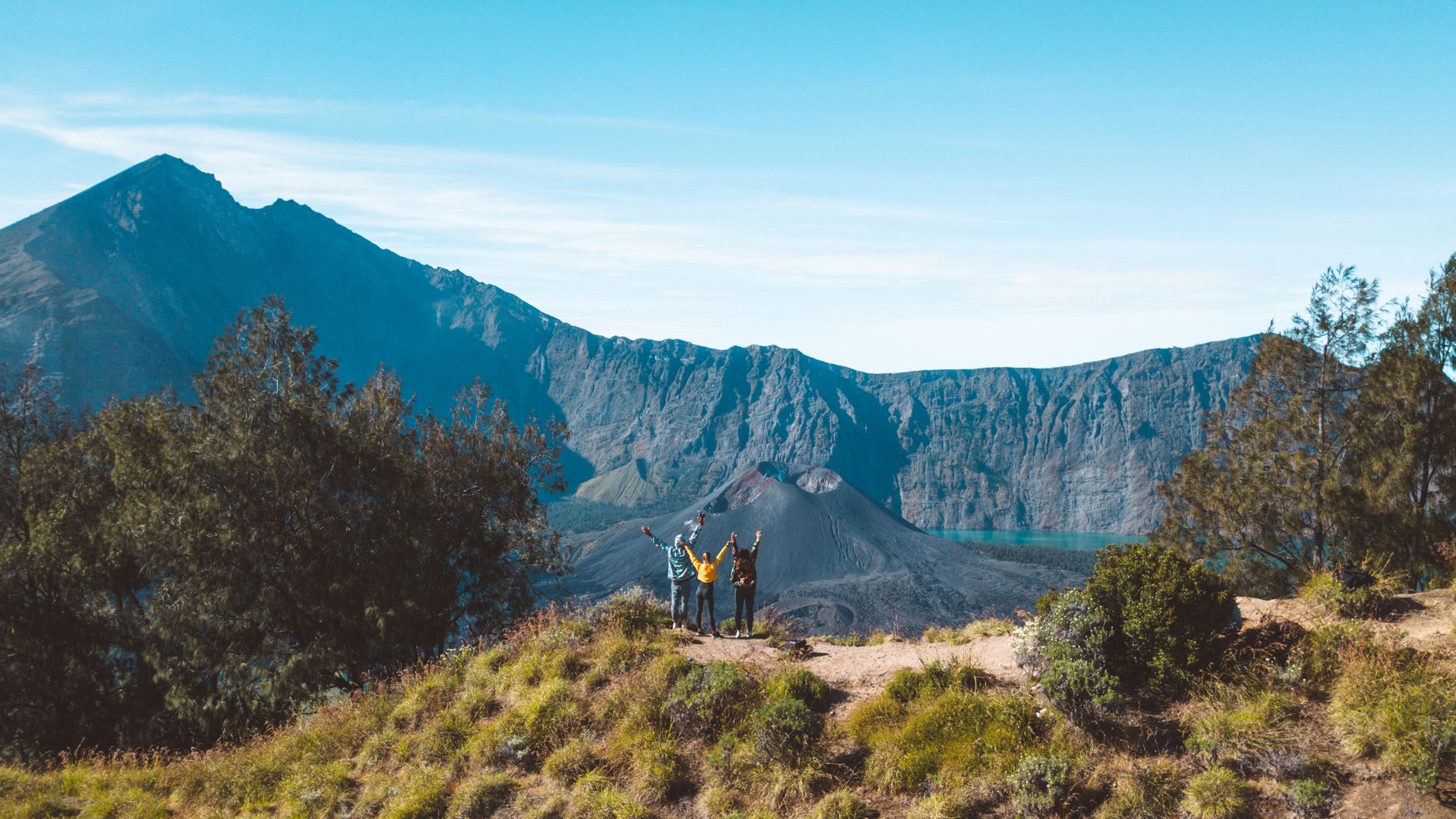
Then, something shifted. It started with a friend's Instagram post – a breathtaking sunrise over a volcanic caldera, the sky painted in hues I'd only seen in dreams. There were people, small figures, standing safely at the rim, looking utterly awe-struck. The caption read: "Best decision of my life."
That sparked a tiny, persistent flame of curiosity in me. Could there be safe ways to experience these geological wonders? Could a volcano tour actually be… life-changing? Spoiler alert: the answer is a resounding YES. Over the past few years, I’ve chased eruptions, hiked dormant giants, and stood in awe of landscapes that felt truly alien – all without once feeling like I was dicing with death. These aren't just tours; they're profound encounters with the raw power and incredible beauty of our planet, and they absolutely changed my life forever.
If you’re ready to ignite your wanderlust and conquer your fears, buckle up. Here are the volcano tours that proved me wrong, transformed my travel philosophy, and are guaranteed to leave you breathless – in the best possible way.
1. Mount Bromo, Indonesia: The Mystical Sunrise Spectacle
My first foray into volcano adventuring was Mount Bromo, part of the Tengger massif in East Java, Indonesia. I was still nervous, but the allure of that iconic sunrise was too strong to resist. We started our journey in the pre-dawn darkness, a convoy of 4x4 jeeps snaking up the dusty slopes towards a viewpoint. The air was crisp, carrying the faint scent of sulfur and anticipation.
As the first sliver of light kissed the horizon, the world slowly revealed itself. Below us, a vast, ancient caldera stretched out, a sea of volcanic sand. From its center emerged three peaks: the dormant Mount Batok, the smoking Mount Semeru (Indonesia's highest volcano), and the star of the show, Mount Bromo, perpetually exhaling a gentle plume of white smoke. The sky exploded in oranges, pinks, and purples, painting the entire landscape in an otherworldly glow. It was a moment of pure, unadulterated awe. I remember tears welling up – not from fear, but from the sheer, overwhelming beauty of it all.
After sunrise, we descended into the "Sea of Sand" and made our way to the base of Bromo. The final ascent involved a short, sandy walk and then climbing 250 concrete steps to the crater rim. Standing there, peering into the active crater, listening to the deep rumble, and smelling the strong sulfur, was an experience I'll never forget. It felt like looking into the very heart of the Earth, a humbling reminder of its immense power.
Why it's safe:
Mount Bromo is a well-established tourist destination with designated viewpoints and a clear, maintained path to the crater rim. Local authorities constantly monitor its activity, and access is restricted if there's any heightened risk. You're always with experienced local guides who know the terrain and conditions.
Life-changing moment:
That sunrise, watching the world awaken over such an epic landscape, shifted my perspective. It taught me that nature's power isn't just destructive; it's also incredibly beautiful and capable of evoking profound peace.
Practical Details:
* Best Time to Visit: Dry season (April to October) for clear skies.
* Cost: Tour packages from nearby cities like Surabaya or Malang typically range from $50-$150 USD, including transport, guide, and park entrance fees.
* What to Bring: Warm layers (it’s freezing before dawn!), sturdy shoes, a mask for sulfur fumes, water, and your camera.
* Instagram-worthy: The iconic sunrise shot from Penanjakan viewpoint, and walking across the Sea of Sand towards Bromo.
2. Arenal Volcano, Costa Rica: Rainforest Rhythms and Fiery Peaks
Next, I ventured to the lush, vibrant rainforests of Costa Rica, drawn by the promise of Arenal Volcano. Unlike Bromo, Arenal is a classic cone-shaped stratovolcano, and while it was famously active for decades, it's currently in a resting phase. This means you won't see dramatic lava flows, but you will experience it as the majestic backdrop to an incredible ecosystem.
My experience here was less about direct interaction with the crater and more about appreciating the volcano's immense presence within a thriving natural paradise. I spent days hiking through the Arenal Volcano National Park, exploring old lava fields now reclaimed by dense jungle. The trails were well-marked, winding through towering trees, past hidden waterfalls, and offering intermittent, spectacular views of Arenal's perfectly symmetrical peak.
One evening, after a day of zip-lining and exploring hanging bridges, I soaked in one of the many natural hot springs fed by the volcano’s geothermal activity. As the warm, mineral-rich water soothed my muscles, I looked up at Arenal, silhouetted against the twilight sky. It was a profound moment of peace and connection – the perfect balance of adventure and relaxation, all thanks to the volcano.
Why it's safe:
Arenal is closely monitored, and all viewing areas and trails are kept at a very safe distance from the active vents. The hot springs and adventure parks are designed for maximum enjoyment with minimal risk.
Life-changing moment:
Realizing that a volcano isn't just about eruptions; it's about the life it sustains and the unique environments it creates. The sheer biodiversity around Arenal, thriving in its shadow, was a powerful testament to nature's resilience.
Practical Details:
* Best Time to Visit: Dry season (December to April) for less rain and clearer views.
* Cost: National Park entrance is around $15 USD. Hot spring resorts vary from $40-$70 USD for a day pass. Guided hikes are extra.
* What to Bring: Hiking shoes, swimwear, insect repellent, rain gear (just in case), and binoculars for wildlife spotting.
* Instagram-worthy: The classic cone shape of Arenal from various viewpoints, lush rainforest shots, and relaxing in the hot springs with the volcano in the background.
3. Haleakalā, Maui, USA: Dawn Above the Clouds
My journey to Haleakalā on Maui, Hawaii, was a different kind of volcano experience entirely. This wasn't about an active, smoking peak, but about a colossal, dormant shield volcano whose summit rises over 10,000 feet above sea level. The highlight? Watching the sunrise from above a sea of clouds.
Getting there required a 2 AM wake-up call and a winding drive up the mountain in pitch blackness. The air grew colder with every switchback, and by the time we reached the summit, it was truly freezing, despite being in Hawaii! Bundled in every layer I owned, I joined a quiet crowd of fellow adventurers, huddled against the biting wind, waiting.
As the sun began its slow ascent, it painted the sky in an unimaginable palette of colors – deep indigo, fiery orange, soft pinks. Below us, the clouds stretched out like an endless, fluffy blanket, shifting and swirling as if alive. And beyond the cloud sea, stretching into the distance, was the vast, reddish-brown crater of Haleakalā itself, dotted with smaller cinder cones. It felt like being on another planet, or perhaps at the very edge of the world. It was a moment of profound silence and immense beauty, a reminder of the Earth's incredible artistry.
Why it's safe:
Haleakalā is dormant, and the summit infrastructure is well-maintained and designed for visitor safety. The main "danger" is altitude sickness, so it's important to acclimate slowly and stay hydrated.
Life-changing moment:
The sheer scale and isolation of being above the clouds, watching the world awaken from such a unique vantage point. It truly put things into perspective and made me feel connected to something ancient and vast.
Practical Details:
* Best Time to Visit: Any time, but sunrise requires advance reservations for vehicle entry. Sunset is also spectacular and doesn't require reservations.
* Cost: Park entrance fee is $30 per vehicle. Sunrise reservations are free but essential.
* What to Bring: Extremely warm clothing (hat, gloves, heavy jacket), water, and snacks.
* Instagram-worthy: Silhouettes against the sunrise/sunset, the cloud sea, and the alien-like crater landscape.
4. Stromboli, Italy: Europe's Lighthouse of the Mediterranean
For a taste of genuine, albeit safely observed, volcanic activity, my trip to Stromboli in the Aeolian Islands of Italy was an absolute highlight. Stromboli is one of the most active volcanoes in the world, often called the "Lighthouse of the Mediterranean" because of its near-constant, small eruptions visible at night.
The adventure begins with a boat trip to the island. After settling in, the real magic starts in the late afternoon: a guided hike up the flanks of the volcano. This isn't a casual stroll; it's a challenging, multi-hour trek through volcanic sand and rugged trails. But every step is worth it. As darkness falls, you reach a designated viewing area, a safe distance from the active craters.
And then, the show begins. Periodically, with a deep rumble, the volcano would erupt, spewing incandescent lava bombs and ash into the night sky. The collective gasp from our group, followed by hushed whispers of awe, was palpable. It felt like watching a living, breathing entity, a raw display of nature's power. Seeing actual lava glow against the dark sky was electrifying – a primal, unforgettable experience that felt both ancient and incredibly immediate.
Why it's safe:
Hikes are strictly regulated and must be done with licensed guides. Guides lead groups to safe, pre-determined viewing points that are well away from any immediate danger. The volcano's activity is monitored, and tours are canceled if conditions are deemed unsafe.
Life-changing moment:
Witnessing actual eruptions up close (but safely far away!). It brought home the dynamic, ever-changing nature of our planet in a way no documentary ever could. It was a thrilling, humbling, and utterly unique experience.
Practical Details:
* Best Time to Visit: Spring (May-June) or Fall (September-October) for pleasant hiking weather and fewer crowds.
* Cost: Guided hikes typically cost around €25-€35 per person, plus ferry costs to the island.
* What to Bring: Sturdy hiking boots, layers of clothing (it gets cold at the summit), headlamp, plenty of water, and snacks.
* Instagram-worthy: Long-exposure shots of the fiery eruptions against the night sky, dramatic island views from the ascent.
5. Pacaya, Guatemala: Marshmallows and Molten Rock
My final, truly transformative volcano experience took me to Pacaya in Guatemala. This is an active volcano renowned for its relatively accessible and rewarding hikes, often featuring visible lava flows (depending on current activity, of course!).
The hike up Pacaya is moderately challenging but incredibly rewarding. As you ascend, the landscape transforms from lush vegetation to rugged, rocky terrain. The air grows warmer, and a distinct sulfurous smell becomes noticeable. What makes Pacaya so unique is the chance to get incredibly close (safely!) to recent lava flows.
On my tour, we walked across fields of cooled, black lava, still radiating heat. Our guide, a local who knew the volcano like the back of his hand, led us to a spot where a slow-moving river of molten rock was visible in the distance. And then came the ultimate interactive experience: roasting marshmallows over the heat vents from the cooling lava! There's something ridiculously joyful and utterly surreal about toasting a sweet treat using the raw power of the Earth. It was a moment of childlike wonder combined with profound respect for the geological forces at play.
Why it's safe:
Pacaya tours are always guided by experienced locals who know the safe paths and current conditions. They'll ensure you stay at a safe distance from active vents and flowing lava. The volcano is constantly monitored for increased activity.
Life-changing moment:
Roasting marshmallows over volcanic heat. It was such a playful, tangible interaction with an active volcano, breaking down the barrier of fear and replacing it with pure, giddy wonder. It showed me that adventure can be both thrilling and incredibly fun.
Practical Details:
* Best Time to Visit: Dry season (November to May) for clearer paths.
* Cost: Tour packages from Antigua typically range from $25-$50 USD, including transport and guide. Park entrance fee is extra (around $7 USD).
* What to Bring: Good hiking shoes, water, snacks, layers (it can be cool at the top), and marshmallows!
* Instagram-worthy: Roasting marshmallows on volcanic rock, walking on cooled lava fields, and panoramic views of the surrounding volcanoes.
Essential Tips for Your Own Life-Changing Volcano Adventure
Ready to book your own fiery escape? Here are my top tips to ensure your volcano tour is safe, unforgettable, and truly life-changing:
- Always Go with a Licensed Guide: This is non-negotiable, especially for active volcanoes. Local guides know the terrain, the current conditions, and how to keep you safe. Don't try to go it alone.
- Check Local Conditions: Volcanoes are dynamic. Always check the current activity levels and any warnings from local authorities or your tour operator before you go.
- Dress in Layers: Temperatures can vary wildly from the base to the summit, and from pre-dawn to midday. Layers are your best friend.
- Wear Sturdy Hiking Shoes: You'll be walking on uneven terrain, loose ash, and potentially sharp rocks. Good ankle support and grip are crucial.
- Hydrate, Hydrate, Hydrate: Hiking can be strenuous, and altitude can dehydrate you quickly. Carry more water than you think you'll need.
- Protect Yourself from the Elements: Sunscreen, a hat, and sunglasses are essential. For active volcanoes, a bandana or mask can help with sulfur fumes or ash.
- Respect the Environment: Stick to marked trails, don't litter, and never take volcanic rocks or artifacts. Leave no trace.
- Travel Insurance: For any adventure travel, comprehensive travel insurance is a must. Ensure it covers adventure activities.
- Capture the Moment, But Be Present: Take your photos and videos, but don't let your camera prevent you from fully experiencing the awe and wonder of these incredible places.
Igniting Your Inner Fire: My Concluding Thoughts
My journey from volcano skeptic to enthusiastic adventurer has been one of the most rewarding chapters of my life. These experiences shattered my preconceptions, pushed me out of my comfort zone, and showed me the world in a way I never thought possible. Each volcano, with its unique character and story, offered a profound lesson in humility, resilience, and the sheer, breathtaking beauty of our planet.
If you’ve ever hesitated, believing volcano tours are too dangerous or not for you, I urge you to reconsider. There's a safe, incredible volcano adventure waiting for everyone. It's not about conquering a mountain; it's about connecting with the raw power of nature, challenging your own limits, and discovering a part of yourself you never knew existed.
So, which fiery peak will you ascend first? What life-changing vista will you witness? The world's volcanoes are calling, promising not just epic views, but epic stories that will stay with you forever.
Share your volcano dreams in the comments below! Have you been on a safe volcano tour that changed your life? I'd love to hear your stories!
---