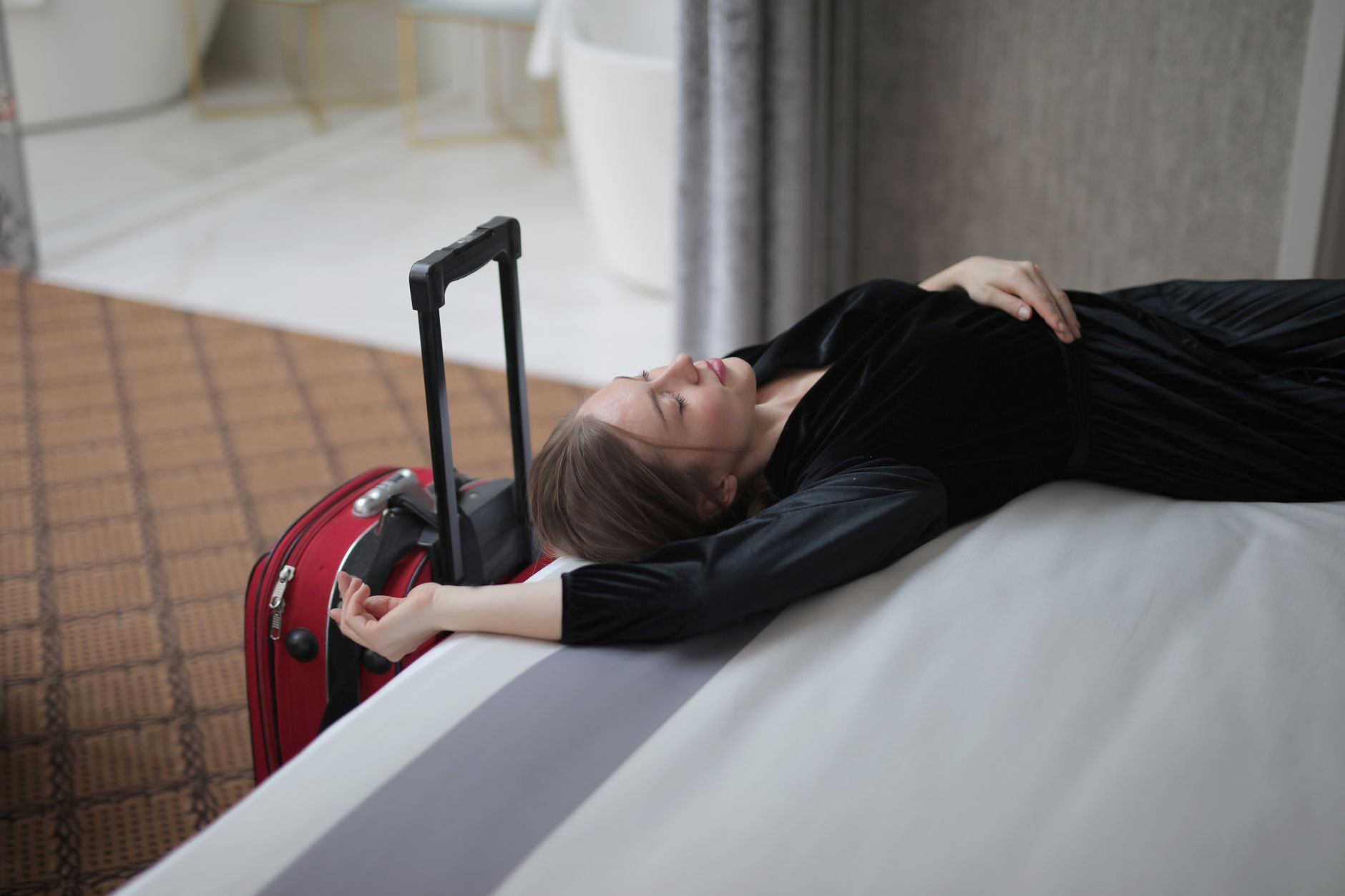
The brutal reality of jet lag. I remember it vividly: landing in Bangkok after a 17-hour journey from New York, my body convinced it was 3 AM when the bustling streets outside were screaming 10 AM. My first 48 hours in Thailand, a country I’d dreamed of for years, were a blurry mess of forced smiles, confused naps in hotel lobbies, and the persistent feeling that my brain was trying to escape my skull. I missed out on vibrant street food tours, temple visits, and early morning markets, all because my internal clock was stuck in another hemisphere.
That experience, and many others like it – waking up at 2 AM in Paris convinced I needed to answer emails, or trying to stay awake during a crucial business meeting in London feeling like a zombie – pushed me to my breaking point. I loved exploring the world, but I hated the toll it took on my body and mind. The standard advice of "stay hydrated" and "adjust to local time" felt like a band-aid on a gaping wound. I needed something more, something revolutionary.
So, I dove deep. I scoured obscure scientific journals, interviewed biohackers, followed cutting-edge wellness gurus, and experimented relentlessly on my own cross-continental journeys. What I discovered were a series of powerful, often counter-intuitive techniques that drastically reduced my jet lag – not in days, but in hours. These aren't your grandmother's tips; these are the underground protocols, the 'before-they-go-mainstream' secrets that will change how you travel forever. Get ready to reclaim your travel days, starting with the first 24 hours.
The Circadian Code: Hacking Your Internal Clock with Strategic Fasting
This is, hands down, the most powerful and least understood jet lag weapon in my arsenal. Forget eating light on the plane; we're talking about strategically not eating to reset your body's master clock. This technique, often referred to as the "Argonne Diet" or "Jet Lag Diet," leverages the fact that your gut clock plays a massive role in your overall circadian rhythm.
My Aha! Moment:
My first true test was a flight from Los Angeles to Sydney – a brutal 19-hour time difference. Instead of grazing, I abstained from food for 16 hours, starting roughly 12-16 hours before landing. I only drank water, black coffee, or herbal tea. The moment I landed, I ate a protein-rich, healthy breakfast at the local time. The result? I felt alert. Not 100%, but instead of the usual 3-day zombie crawl, I was exploring Circular Quay within hours, feeling surprisingly functional.
The Strategy:
- Identify Your Target Meal: This is your first meal in your new time zone. It should be a significant meal (breakfast, lunch, or dinner) that you can eat at a normal local time.
- The Fast Begins (12-16 Hours Before Target Meal): Calculate 12-16 hours backward from your target meal. This is when your fast should begin. For example, if you land at 8 AM in Tokyo and plan to eat a local breakfast at 9 AM, your fast should start between 5 PM and 9 PM (Tokyo time) the previous day. This usually means fasting through the latter half of your flight and upon arrival.
- Hydrate, Hydrate, Hydrate: Drink plenty of water. Electrolyte packets (I love LMNT or Re-Lyte) can be a game-changer here, especially when you're not eating. Avoid sugary drinks or excessive caffeine.
- Break the Fast (Strategically): As soon as you hit your new time zone and it's time for your target meal, eat. Make it a healthy, protein-rich meal. This sends a powerful signal to your body: "New time zone, new eating schedule, let's go!"
Why it Works:
Your suprachiasmatic nucleus (SCN), your brain's master clock, is responsible for your sleep-wake cycle. But your peripheral clocks, especially in your gut, are heavily influenced by feeding times. By fasting, you essentially "starve" your peripheral clocks of information, making them more receptive to resetting when you finally introduce food at the new local time. It's like pressing a hard reset button on your digestion and, subsequently, your entire circadian system.
- Tripsora Tip: Pack some high-quality electrolyte packets. A small insulated bottle for water is also a good idea. Consider a healthy protein bar or nuts for your first meal if you can't get immediate access to fresh food upon landing.
The Biohacker's Toolkit: Smart Supplements for Seamless Transitions
While fasting tackles the internal clock, targeted supplements can support your body's physiological adjustment, reducing inflammation, promoting relaxation, and boosting energy levels. These aren't just your standard melatonin pills; these are strategic allies.
My Go-To Stack:
I once landed in Medellín, Colombia, feeling the usual post-flight sluggishness. But this time, I had my biohacker's arsenal ready. Within hours of following this protocol, I was out exploring El Poblado, enjoying the vibrant atmosphere, instead of crashing in my hotel room. My secret? A carefully curated stack.
The Strategy:
- Magnesium Threonate (Pre-Flight & Night 1): Unlike other forms of magnesium, Magnesium L-Threonate is specifically designed to cross the blood-brain barrier, making it excellent for brain health and relaxation. Take 30-60 minutes before you want to sleep on the plane, and again the first night in your new destination. It helps calm the nervous system without making you groggy the next day. (I typically use Thorne Research Magtein, around $30-40 for a month's supply).
- L-Theanine (Pre-Flight & Day 1): Found in green tea, L-Theanine promotes a state of calm, focused alertness. Take it on the plane if you need to relax without getting sleepy, or during the day in your new time zone if you're feeling anxious or overstimulated. It smooths out the edges of travel stress. (NOW Foods L-Theanine, ~$15-20).
- Rhodiola Rosea (Day 1 & 2): This adaptogenic herb helps your body adapt to stress and can improve focus and stamina. Take it in the morning of your arrival day to combat fatigue and improve mental clarity. It's like a gentle, natural energy booster without the jitters. (Gaia Herbs Rhodiola Rosea, ~$25-30).
- Electrolytes (Throughout): As mentioned with fasting, electrolytes are crucial. Dehydration exacerbates jet lag. Sip on water with electrolytes (sodium, potassium, magnesium) frequently, especially on the plane and during your first day.
- Melatonin (Strategic Use Only): If you absolutely must sleep at a specific time, a very low dose (0.5mg-1mg) of melatonin taken 30-60 minutes before your desired sleep time in the new time zone can be helpful for the first 1-2 nights. Avoid high doses, as they can actually disrupt your body's natural production.
Why it Works:
These supplements don't just mask symptoms; they support your body's natural processes. Magnesium calms the nervous system, L-Theanine promotes alpha brain waves for relaxed focus, Rhodiola helps mitigate stress response, and electrolytes ensure optimal cellular function. They create a supportive biochemical environment for your body to adjust.
- Tripsora Tip: Always consult your doctor before starting any new supplement regimen, especially if you have underlying health conditions or are on medication. Pre-pack your supplements in a daily pill organizer for easy access and dosage tracking.
Ground Yourself: Reconnecting with the Earth's Rhythms
This might sound a bit "woo-woo," but bear with me. The concept of "grounding" or "earthing" involves direct physical contact with the Earth's surface (soil, sand, grass, water). The Earth carries a subtle negative electrical charge, and when you connect with it, your body absorbs free electrons, which are powerful antioxidants.
My Beach Reset:
After a brutal red-eye from London to Miami, I felt completely out of sync. Instead of hitting the hotel gym, I walked straight to South Beach, kicked off my shoes, and walked barefoot along the shoreline for 30 minutes, letting the waves wash over my feet. I felt an almost immediate sense of calm and mental clarity. The fuzzy brain fog began to lift. It was like plugging myself back into a universal charger.
The Strategy:
- Barefoot Bliss: As soon as possible after landing, find a patch of grass, sand, or even concrete (if it's not asphalt or painted) and take off your shoes and socks. Spend at least 20-30 minutes with your bare skin directly touching the Earth. Walk, stand, meditate – whatever feels natural.
- Water Immersion: If you're near a lake, river, or ocean, immerse yourself in the water. The conductivity of water makes it an excellent grounding medium.
- Grounding Mats/Sheets (for the dedicated): For those who travel frequently or want to maximize the effect, portable grounding mats or sheets are available (e.g., Earthing.com, around $50-100 for a mat). These connect to the ground port of an electrical outlet (they don't use electricity, just connect to the earth wire) and allow you to ground indoors while sleeping or working.
Why it Works:
Proponents of grounding believe that direct contact with the Earth helps normalize the body's electrical rhythms, reduce inflammation, improve sleep, and reduce stress hormones. When you're flying at high altitudes, surrounded by electronics, you accumulate a positive charge. Grounding helps discharge this, bringing your body back into balance. It’s a literal reset for your energetic system.
- Tripsora Tip: Many airports now have outdoor green spaces. If you can't get outside immediately, consider a grounding mat for your hotel room, especially for the first night. Even a short walk on grass can make a huge difference.
The Cold Plunge & Contrast Shower Secret: Shocking Your System Awake
This isn't just for Wim Hof enthusiasts anymore. Strategic cold exposure is a powerful biohack for energy, focus, and cellular health. When it comes to jet lag, it acts as a shock to the system, signaling to your body that it's time to be alert and awake.
My Tokyo Wake-Up Call:
After an overnight flight from San Francisco to Tokyo, I was battling that heavy, leaden feeling. I knew I couldn't afford to waste a moment in such an incredible city. So, I walked into my hotel bathroom, cranked the shower to cold for 30 seconds, then hot for 30 seconds, repeating this 3-4 times. The initial shock was intense, but afterwards, I felt invigorated, my mind sharp, and my body buzzing with a clean energy. I was ready to navigate the Shibuya crossing like a local.
The Strategy:
- The Contrast Shower: As soon as you can (ideally within an hour or two of arrival, or first thing in the morning in your new time zone), take a contrast shower. Start with comfortably warm water for 2-3 minutes, then switch to cold for 30-60 seconds. Alternate 3-5 times, always ending on cold.
- Cold Immersion (If Available): If you're truly adventurous and have access to a cold plunge, ice bath, or even a brisk dip in a cold ocean/lake, a 2-5 minute immersion can be incredibly powerful.
- Face Plunge: If full immersion isn't an option, simply plunging your face into a basin of ice water for 10-30 seconds can activate the vagus nerve, promoting alertness and reducing stress.
Why it Works:
Cold exposure triggers a cascade of beneficial physiological responses. It boosts circulation, releases norepinephrine (a neurotransmitter that improves focus and mood), reduces inflammation, and activates brown fat, which increases metabolism and energy. The sudden shift in temperature also sends a strong "wake up" signal to your body, overriding the sluggishness of jet lag.
- Tripsora Tip: Start slowly with contrast showers if you're new to cold therapy. Even just 15-20 seconds of cold at the end of your shower can be effective. Breathe deeply through the cold; it helps your body adapt.
Light & Sound Alchemy: Beyond Blue Light Filters
You know blue light is bad for sleep, but strategic light and sound exposure can be a proactive tool to reset your circadian rhythm, not just protect it.
My Sunrise Simulation:
I landed in Helsinki, Finland, in the dead of winter. The sun barely peeked above the horizon. My body was screaming "sleep!" but the local time was midday. I immediately sought out the brightest available light, stepping outside for 20 minutes despite the chill, then strategically used a full-spectrum SAD lamp in my hotel room for another 30 minutes. Later, I used binaural beats to help me unwind. That night, I slept soundly, something I rarely achieve on the first night in a new time zone.
The Strategy:
- Morning Light Bomb (New Time Zone): As soon as you wake up in your new time zone, expose yourself to bright natural light. Go outside for 20-30 minutes, even if it's cloudy. If natural light is scarce (e.g., winter travel, early morning arrival), use a full-spectrum light therapy lamp (10,000 lux) for 20-30 minutes. This signals to your brain that it's daytime and time to be awake.
- Strategic Darkness (New Time Zone Evening): As evening approaches, minimize exposure to artificial light, especially blue light from screens. Use blue-light-blocking glasses (I swear by Felix Gray or TrueDark) for 2-3 hours before bed. Dim the lights in your room.
- Binaural Beats & Soundscapes: For sleep, instead of just white noise, experiment with binaural beats (e.g., 2-8 Hz for delta waves, promoting deep sleep) or specific sleep soundscapes. Apps like Calm, Headspace, or dedicated binaural beat apps offer these. They can help guide your brainwaves into a restful state, even when your body feels out of whack.
- Red Light Therapy (Optional Evening): Some travelers swear by red light therapy panels (e.g., Joovv, MitoRed) in the evening. Red light (unlike blue) doesn't suppress melatonin and can promote cellular repair and relaxation. A 10-20 minute session can be a luxurious way to wind down.
Why it Works:
Light is the most powerful zeitgeber (time-giver) for your circadian rhythm. By strategically exposing yourself to bright light in the morning and dimming it in the evening, you're directly signaling to your SCN to reset to the local time. Binaural beats work by presenting slightly different frequencies to each ear, causing your brain to perceive a third "beat" frequency that can entrain brainwaves to desired states (e.g., relaxation, deep sleep).
- Tripsora Tip: Download a good sleep sound app before you travel. Pack a small, portable light therapy lamp if you're heading to a dark destination, or even a pair of quality blue-light-blocking glasses.
Mind Over Miles: Pre-emptive Mental Reprogramming
Jet lag isn't just physical; it's mental. The anticipation of it can be almost as draining as the reality. By mentally preparing and setting intentions, you can significantly reduce its impact. This is about taking control of your perception.
My Pre-Flight Ritual:
Before my recent trip to Kyoto, Japan, I didn't just pack my bags; I packed my mind. Weeks before, I started visualizing myself landing, feeling energized, adapting quickly, and enjoying every moment. On the flight, instead of dreading arrival, I meditated, focusing on my breath and picturing myself seamlessly transitioning to Japanese time. When I arrived, the mental clarity I felt was remarkable. I wasn't fighting my body; I was working with it.
The Strategy:
- Pre-Flight Visualization: A week or two before your trip, spend 5-10 minutes daily visualizing your arrival. See yourself landing, feeling refreshed, energetic, and fully present in your new destination. Imagine yourself enjoying local meals, exploring, and sleeping soundly at the correct local times.
- Set Your Watch Early: As soon as you board the plane, or even the day before, set your watch to your destination's time. Start mentally operating on that time. If it's 3 AM at your destination, tell yourself it's 3 AM, even if your body feels otherwise.
- Mindful Movement on the Plane: Don't just sit there. Get up, stretch, walk the aisles. Do some simple neck rolls and shoulder stretches. This keeps your blood flowing and your body from feeling completely stagnant, which can worsen mental fatigue.
- Meditation & Breathwork: Utilize meditation apps (Calm, Headspace) or simple breathwork exercises (e.g., box breathing) on the plane and upon arrival. This helps calm your nervous system, reduce anxiety, and bring you into the present moment, rather than dwelling on how tired you feel.
Why it Works:
Your mind is incredibly powerful. By mentally preparing and setting a positive intention, you prime your brain to adapt more easily. Visualization and positive affirmations can influence your body's physiological responses. Mindfulness and breathwork help regulate your autonomic nervous system, moving you from a stressed "fight or flight" state to a more relaxed "rest and digest" state, which is crucial for recovery.
- Tripsora Tip: Create a specific "travel mindset" playlist with calming music or guided meditations. Use an eye mask and noise-canceling headphones to create a personal sanctuary on the plane, allowing for deeper relaxation and mental preparation.
Conclusion: Your Jet Lag-Free Future Starts Now
Jet lag doesn't have to be an inevitable evil of international travel. It’s a challenge that can be conquered, not with mainstream platitudes, but with strategic, cutting-edge biohacks that truly work. I’ve personally put these methods to the test across countless time zones, from the bustling markets of Marrakech to the serene temples of Bali, and they have consistently transformed my travel experience.
Imagine landing in your dream destination, not with a fuzzy head and leaden limbs, but with clarity, energy, and an eagerness to explore. Imagine reclaiming those precious first 24-48 hours, diving straight into the local culture, instead of battling a persistent internal clock that’s stuck thousands of miles away.
These aren't just tips; they're an investment in richer, more fulfilling travel experiences. So, the next time you book that long-haul flight, don't just pack your suitcase – pack your biohacker's mindset. Get ready to experience travel like never before, beating jet lag before it even knows what hit it.
Ready to ditch the jet lag zombie for good? Share your favorite 'underground' jet lag hack in the comments below! And don't forget to tag #TripsoraJetLagHack on Instagram with your success stories!
---