The Morning I Traded a 3-Hour Heatwave Line for an Iced Affogato
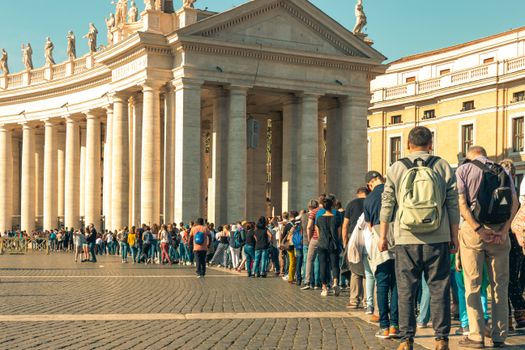
I stepped off the cobblestones of Rome’s Via dei Fori Imperiali, and the heat hit me like a furnace blast. It was 10:15 AM, the mercury was already pushing 97°F, and the air smelled of roasted espresso beans, diesel exhaust, and radiating ancient limestone. Three summers ago, this exact moment would have heralded a soul-crushing rite of passage: shuffling along a sun-baked barrier for two hours, watching sweating tourists fight over lukewarm plastic water bottles just to pass security at the Colosseum.
Instead, I strolled into a shaded corner trattoria, ordered an icy affogato, and pulled up my smartphone. At exactly 10:28 AM, a sleek green QR code flashed across my screen accompanied by a subtle haptic vibration. My slot was ready. I walked straight past a crowd of bewildered travelers clutching expired paper pamphlets, scanned my phone at an automated turnstile, and stood on the arena floor within four minutes.
No sunstroke. No shoulder-to-shoulder shuffling. No wasted hours.
This is the quiet revolution sweeping global tourism this summer. Virtual queues, timed-entry algorithms, and geofenced reservation systems are systematically obliterating the physical line. From the national parks of the American West to the historic monuments of Europe and Asia’s premier theme parks, destination management has gone digital. If you know how to play the system, you will never wait in a traditional queue again.
---
The Death of the Stand-in-Line Vacation
The physical line is an obsolete artifact of 20th-century travel. Driven by record-breaking post-pandemic tourism volumes, extreme summer heatwaves across the Northern Hemisphere, and strict municipal crowd-control mandates, major destinations are ditching traditional queues.
Why now? Because physical crowds are a safety hazard, an environmental strain, and a revenue killer. When tourists stand in a static queue for three hours, they aren't spending money at nearby cafes, buying local artisan goods, or enjoying the destination.
Enter the Virtual Queueing Ecosystem (VQE). By leveraging native mobile apps, low-latency cloud infrastructure, and GPS geofencing, attractions now control human flow dynamically. The physical line is replaced by a digital holding tank, freeing you to explore adjacent neighborhoods, sip regional drinks, or rest in air-conditioned comfort until your exact entry window opens.
---
Theme Park Tech: Lightning Lanes, Virtual Drops, and Tokyo DisneySea’s New Frontier
Theme parks have long been the testing ground for line-skipping innovation, but this summer, the tech has taken a massive leap forward.
```
+---------------------------+------------------------+------------------------------------+
| Attraction / System | Entry Mechanism | Critical Drop Window |
+---------------------------+------------------------+------------------------------------+
| Disney Lightning Lane | Pre-booked & Day-Of | 7:00:00 AM (App Refresh) |
| Tokyo DisneySea (Fantasy) | Standby Pass / DPA | 8:45:00 AM (In-park Geofenced) |
| Universal Virtual Line | In-App Boarding Pass | Park Opening & 12:00 PM |
+---------------------------+------------------------+------------------------------------+
```
The New Disney Multi-Pass Strategy
Disney has overhauled its legacy Genie+ system into the streamlined Lightning Lane Multi-Pass and Single Pass. The biggest change this summer? Advance planning returns. Visitors can now book up to three pass reservations up to 7 days in advance of their hotel stay (or 3 days for general ticket holders).
- The 7:00 AM Drop Rule: For same-day inventory releases, you must sync your phone's clock to atomic time. Open the My Disney Experience app at 06:59:58 AM. Tap refresh precisely as the second hand hits 00.
- The "Modify" Secret: Never cancel an undesirable time slot. Use the "Modify" button in the app to cycle through refreshed inventory without losing your original reservation hold.
Tokyo DisneySea: Mastering Fantasy Springs
With the grand opening of Fantasy Springs at Tokyo DisneySea, physical lines for flagship attractions like Peter Pan’s Never Land Adventure or Anna and Elsa’s Frozen Journey don't even exist. You must secure either a free Standby Pass or a paid Disney Premier Access (DPA) via the Tokyo Disney Resort app the moment your park ticket scans at the turnstile.
- Pro-Tip: Arrive at the gates by 6:45 AM, even if the park officially opens at 9:00 AM. Gates frequently open early (around 8:15 AM). The microsecond your ticket is scanned at the turnstile, disconnect from public Wi-Fi, switch to high-speed 5G, and secure your first Standby Pass before you even step over the aqueduct bridge.
---
The European Cultural Shift: Timed-Entry Infrastructure
Europe’s historical sites were never built to handle 40,000 visitors a day. To protect fragile architecture and curb neighborhood congestion, Europe’s top capitals have rendered physical ticket windows virtually extinct.
The Louvre & The Eiffel Tower (Paris, France)
Walk-up entry at the Louvre is now essentially a myth during peak summer months. The museum operates on a strict 30-minute timed-entry system that caps daily entries at 30,000.
- The Insider Hack: Skip the Pyramid entrance altogether—even with a virtual ticket, the security check there backs up. Use the lesser-known Carrousel du Louvre underground entrance via the 99 Rue de Rivoli mall. The security check moves three times faster, and your digital ticket scans instantly.
The Colosseum & Pantheon (Rome, Italy)
The Italian Ministry of Culture mandated digitized, named-entry tickets for the Colosseum to kill scalping bots. Tickets drop exactly 30 days in advance at midnight Central European Time (CET).
- The Slot Fallback: If you miss the 30-day primary drop, set an alarm for 7 days prior and 1 day prior at 3:00 PM CET. Unused tour-operator blocks are automatically returned to the public ticketing queue at these exact intervals.
---
Wilderness by Reservation: US National Parks Adopt Digital Queueing
The era of driving up to a National Park gate at noon in July and driving straight in is over. To prevent traffic gridlock and protect fragile habitats, the US National Park Service relies heavily on the Recreation.gov digital queue network.
Yosemite National Park: "Peak Hours Plus"
Yosemite requires a timed-entry reservation to drive into or through the park between 5:00 AM and 4:00 PM on select summer dates.
- Drop Timings: 50% of permits drop 5 months in advance. The remaining 50% drop daily at 8:00 AM Pacific Time exactly 7 days prior to your arrival date.
- The Execution: Log into your Recreation.gov account at 7:55 AM. Ensure your payment information is pre-saved. Select your date, and hit "Reserve" the exact second your computer clock ticks to 08:00:00 AM. These slots evaporate in less than 45 seconds.
Zion National Park: Angels Landing Digital Lottery
To climb the infamous, narrow chain-section of Angels Landing without waiting in a bottlenecked, dangerous human line, you must win the Seasonal or Day Before Lottery.
- Day-Before Lottery: Apply between 12:01 AM and 3:00 PM Mountain Time the day before your planned hike. Notifications are emailed at 4:00 PM MT.
- Pro-Tip: Pick the "Before 9:00 AM" window. Not only do you beat the heat, but the shuttle buses out of Springdale are less crowded, and cellular service for downloading your confirmation PDF is strongest early in the morning.
---
Master the Apps: 5 Tech Hacks to Win Every Virtual Queue
Navigating virtual queue algorithms requires strategy. Treat it like buying high-demand concert tickets with these five battle-tested rules:
1. Atomic Clock Synchronization
Destination servers release virtual inventory based on precise atomic time, not your wrist watch. Go to `time.is` on your mobile browser before a drop. Check if your phone's system clock is running fast or slow. Adjust your manual refresh to match the server clock down to the exact millisecond.
2. Disconnect from Public Wi-Fi
Theme parks, national park visitor centers, and crowded city squares suffer from bandwidth throttling. When hundreds of people on the same Wi-Fi network attempt to access an app at 7:00 AM, latency spikes. Switch to a reliable 5G cellular network or use a premium travel eSIM with low-latency routing.
3. Pre-Fill Payment and Profile Metadata
Never waste precious seconds typing your credit card details, billing zip code, or pass-holder names during a high-speed drop. Save payment credentials into Apple Pay, Google Pay, or direct app wallets ahead of time. Verify that all group members are linked under your primary account at least 24 hours prior.
4. The Dual-Device "Party Refresh" Technique
When attempting to grab boarding groups for major rides or museum drops for a group, use two devices logged into different accounts associated with the same travel party. Device A refreshes at 06:59:59; Device B refreshes at 07:00:01. This brackets the server cache refresh cycle and doubles your chances of hitting the opening tick.
5. Master the Grace Period Window
Almost every virtual queue system includes a hidden grace period for entry.
* Disney Lightning Lane: Typically allows a 5-minute early entry and a 15-minute late entry window.
* European Museums: Louvre and Uffizi tickets generally honor a 15-minute grace period post-reservation time.
Don't panic if you are running slightly behind due to transit delays—head straight to the digital check-in line and politely present your pass.
---
Fast-Facts Travel Logistics Playbook
```
+------------------------------------+---------------+---------------------------+-----------------------------------------------+
| Destination / Attraction | Est. Cost ($) | Best Time to Lock Slot | Transit / Access Hack |
+------------------------------------+---------------+---------------------------+-----------------------------------------------+
| Colosseum (Rome, Italy) | ~$19 - $26 | 30 Days Prior (Midnight) | Metro B to Colosseo; Use automated turnstiles |
| Yosemite NP Permits (USA) | ~$2 | 7 Days Prior (8:00 AM PT) | YARTS Bus bypasses vehicle permit rules |
| Tokyo DisneySea (Japan) | ~$13 - $16 | 8:15 AM In-Park Drop | JR Keiyo Line to Maihama; Resort Line monorail|
| Louvre Museum (Paris, France) | ~$24 | 2-3 Weeks Prior | Direct underground access via Metro Palais |
| Sagrada Família (Barcelona, Spain) | ~$28 - $40 | 14 Days Prior | Metro L2/L5 directly to Sagrada Família stop |
+------------------------------------+---------------+---------------------------+-----------------------------------------------+
```
---
The Insider's Perspective: Why Travel Has Never Been Better
There is a cohort of traditionalists who bemoan the loss of spontaneous travel, complaining that "you now need an app to go outside."
They are wrong.
The old way of traveling involved spending 30% of your precious vacation standing on scalding asphalt, smelling bus exhaust, and nursing blisters while staring at the back of someone else's head. The virtual queue gives you your most valuable asset back: time.
Last summer, while thousands of travelers waited in a serpentine physical line under the Barcelona sun outside Park Güell, my virtual entry pass was quietly sitting on my lock screen. I spent those two hours tucked away in a tiny, fan-cooled bodega in Gràcia, eating pan con tomate, sipping chilled vermouth, and reading a book. When my app chimed, I walked straight through the gate, snapped my photos of Gaudí's mosaic salamander, and moved on with my day.
Travel isn't about standing in line. It’s about experiencing the world on your terms. Learn the tech, sync your clocks, and let the algorithms do the waiting for you.
---