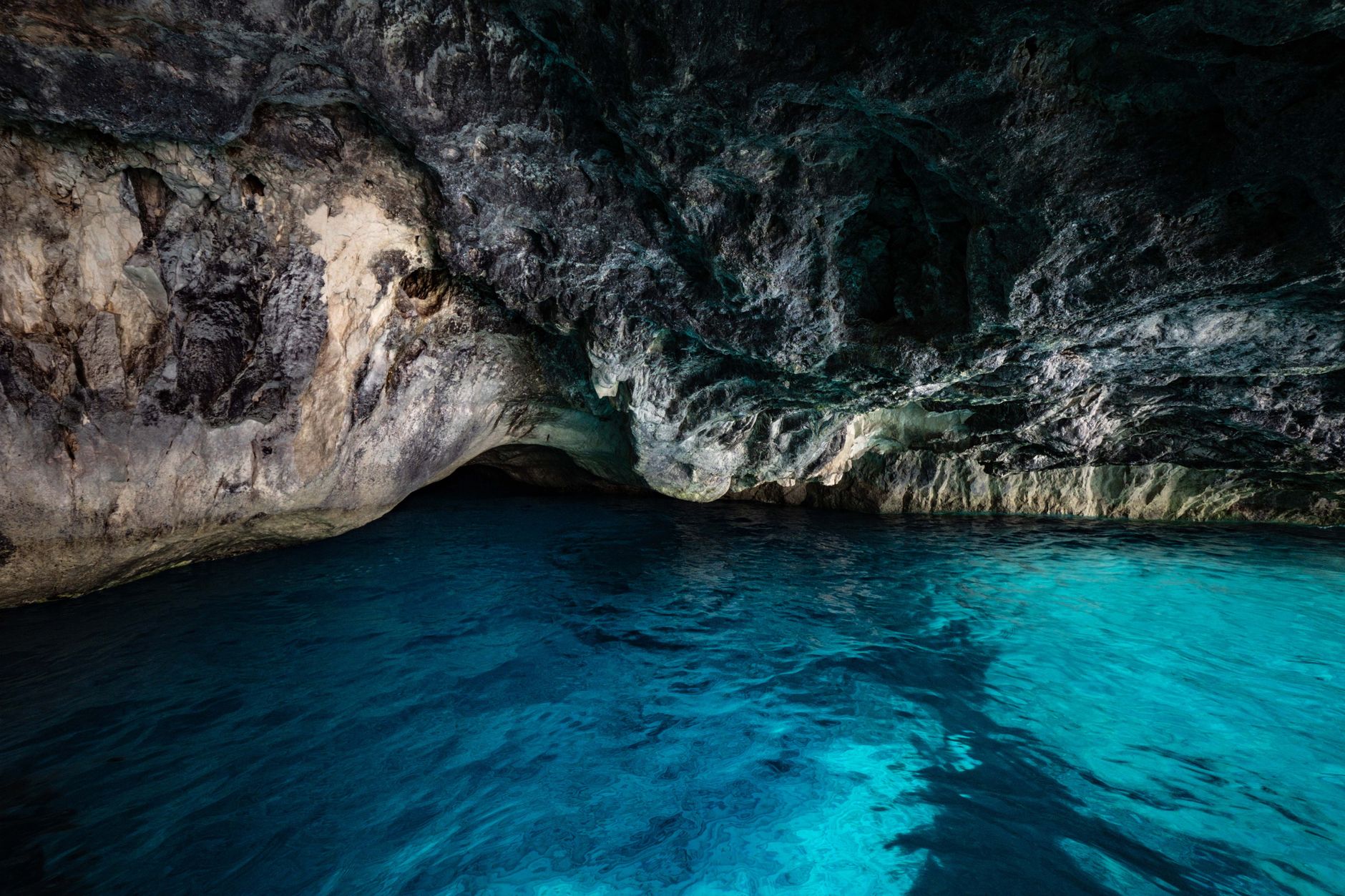
Underground cities, catacombs, mines and cellars have fascinated visitors for centuries. Some were built as shelters, places of worship or burial grounds, while others developed around industries such as mining or water supply. Many are now open to the public, and they offer a different perspective on how people lived and worked beneath the surface. Access, safety rules and levels of physical effort vary greatly between sites. This guide introduces several notable examples, explains what visits typically involve and offers practical tips for planning a safe and enjoyable trip below ground.
Carved settlements in Cappadocia
The Cappadocia region of central Turkey is known for its volcanic landscape, and parts of it contain underground settlements carved into soft rock. Derinkuyu is one of the best-known examples, a multi-level complex that is believed to have been used for shelter, storage and living space over many centuries. Visitors typically descend through narrow passages and steps, passing ventilation shafts, rooms and tunnels. Some levels are reached by staircases that can be steep and uneven, so the visit is physically demanding. Check current opening times and safety notices before you go.
Opal mining towns in Australia
Coober Pedy, in South Australia, is a town where many residents and businesses live and operate underground to escape the summer heat. The area is known for opal mining, and visitors can join guided tours of underground dwellings, churches and mining sites. Conditions can be hot and dusty, and the tours often involve walking through tunnels with limited headroom. Tour operators typically provide safety briefings, and you should follow their instructions at all times.
Catacombs and ossuaries in Europe
Catacombs and ossuaries exist in several European cities, and they offer a sobering look at burial practices. The catacombs of Paris contain the remains of millions of people and are accessed through a relatively narrow stair. Rome's catacombs, including early Christian burial sites, are typically visited on guided tours, and some are open to the public with tours in several languages. Naples has an extensive underground network that includes tunnels and historic cisterns. Respect for the remains and for the dignity of the place is important, and photography may be restricted in certain areas.
Mines, cisterns and urban underground
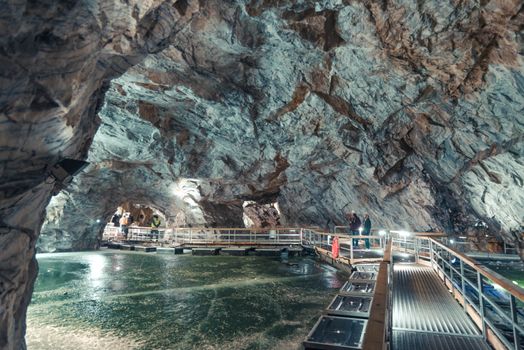
Former mines and underground water systems can be fascinating to visit. Some salt and copper mines have been converted into tourist attractions with guided routes and underground exhibitions. Historic cisterns, such as those beneath Istanbul, show how cities managed water in the past. Edinburgh has vaults beneath older parts of the city that can be visited on guided tours, which describe their use over centuries. These sites often include stairs, cool temperatures and damp conditions, so wear suitable footwear and bring a light layer.
Planning and safety
Underground visits require particular care. Check whether a site requires a guided tour, and book in advance where possible. Tours may limit group sizes, have minimum age requirements or require a degree of fitness. Ask about the route, including the number of steps, the headroom and whether there are narrow passages. Bring water, a torch if the site is dim, and a phone with a charged battery. If you have claustrophobia, breathing problems or mobility limitations, consider whether the site suits you, and contact the operator for details.
Respect and conservation
Many underground sites are fragile. Stay on designated paths, avoid touching walls or carvings, and do not remove objects or fragments. Follow instructions about flash photography, which can damage old paintings and stone. Some sites have guidelines on noise and behavior, particularly in religious or burial spaces. Keeping to the rules protects the site and makes the visit more pleasant for everyone.
Practical tips
- Check whether a guided tour is required, and book ahead where possible.
- Wear sturdy footwear and bring a light layer, since underground spaces can be cool and damp.
- Consider your fitness, headroom and comfort with narrow or dark passages.
- Bring water and a fully charged phone, and follow guide instructions at all times.
- Respect burial areas, avoid touching carvings, and check photography rules.
Common mistakes to avoid
A common mistake is underestimating the temperature and humidity below ground, even on warm days. Visitors often wear clothing that is too thin or shoes with poor grip, which can make wet stone slippery. Some travelers also forget that underground spaces can have uneven floors and low ceilings, so they move too quickly and bump their heads. Another error is trying to see everything in one visit, when many sites are best appreciated at a steady pace. People sometimes ignore instructions to stay with the group, which can matter for safety in narrow passages. Visitors may also book the first available time without checking whether the tour is offered in their language. Finally, some guests underestimate how long they will spend in queues at the entrance, particularly at popular sites in the middle of the day. Planning for these details helps the visit run smoothly.
Who this suits and who it doesn't
Underground sites suit visitors who enjoy history, engineering and unusual landscapes, and who are comfortable with guided routes. Those interested in archaeology or the ways communities have adapted to difficult environments often find them rewarding. They may be less suitable for people with significant mobility limitations, or for those who find long staircases and low passages tiring. Travelers with heart or breathing conditions should seek medical advice before visiting deep or poorly ventilated sites. Children can enjoy many tours, but they may need closer supervision, and age limits should be checked. Visitors who find damp, cool air uncomfortable might prefer a surface museum or a guided walk above ground instead. Thinking honestly about your comfort is the best way to decide.
Frequently asked questions
Are underground sites suitable for photography?
Often, but rules vary. Flash may be restricted, and tripods may not be allowed, so check before you go.
Is it cold underground?
Often cooler than the surface, though some sites are warm or humid. Dressing in layers is a sensible choice.
Can you visit with children?
Many sites welcome families, but age limits, route difficulty and group sizes differ. Confirm them in advance.
Underground cities and subterranean sites offer a distinctive way to understand past and present life. Choosing a site that suits your fitness and comfort, booking a suitable tour and respecting the conservation rules will help you enjoy a memorable visit safely.