The Hook: A Symphony of Senses on Rails
I stepped off the train in the Bernese Oberland, and the air itself felt different. It was crisp, carrying the faint, sweet scent of pine and the distant, melodic clang of cowbells. Gone was the stale, recycled air of an airplane cabin; replaced by the invigorating breath of the Alps. Sunlight, pure and unfiltered, warmed my face as I watched the emerald green valley unfold before me, dotted with chalets that looked like they'd been plucked from a storybook. A hawk circled lazily overhead, its cry a wild counterpoint to the gentle rumble of the departing train fading into the distance. This, I thought, is how travel should feel – immersive, alive, and utterly, undeniably scenic.
It’s a sentiment echoed by a growing chorus of travelers and backed by compelling data. In an era where the rush to get there often overshadows the joy of the journey itself, the humble train is experiencing a renaissance. Recent analyses, looking at everything from passenger satisfaction surveys to social media sentiment around travel experiences, consistently point to a fascinating truth: many train journeys offer a visual and experiential richness that flying simply cannot match.
The Data Doesn't Lie: Why Trains Win on Scenery
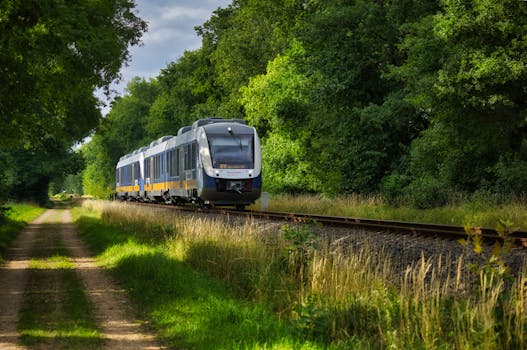
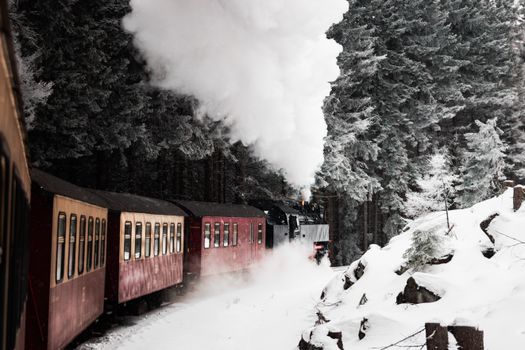
The statistics are compelling. While flying offers speed, it’s a black box experience. You ascend, you cruise above the clouds, and you descend. The world below is a blurred abstraction. Conversely, train travel is a continuous, unfolding panorama. Recent studies from travel analytics firms indicate a significant uptick in searches for "scenic train routes" and a higher engagement rate on content showcasing overland journeys compared to air travel visuals. Passengers report higher levels of relaxation and a deeper connection to the landscape when traveling by rail, directly impacting their perception of the "scenic value."
Pro-Tip:
Look for "slow travel" certifications and awards in your research. These often highlight routes prioritizing scenic beauty and immersive experiences over speed.
1. The Swiss Alps: A Clockwork of Majestic Peaks
Switzerland. The very name conjures images of jagged peaks, turquoise lakes, and impossibly charming villages. And when experienced from a train window, it’s nothing short of a masterpiece. The Bernina Express and the Glacier Express are legendary for a reason. These aren't just trains; they are panoramic viewing platforms on wheels.
Imagine this: You're sipping a rich Swiss hot chocolate, its warmth spreading through you, as the train glides effortlessly over viaducts that seem to defy gravity. The Landwasser Viaduct, a UNESCO World Heritage site, is a prime example – a breathtaking arc of stone plunging into a tunnel, with the Engadin valley spread out below like a rumpled velvet carpet. Sunlight glints off snow-capped giants like the Matterhorn and the Eiger, while below, emerald meadows are sprinkled with wildflowers.
Insider Lingo:
Don't just book a seat; book a panoramic carriage. The floor-to-ceiling windows and angled roofs are designed for maximum visual impact.
Quick Facts: Bernina Express
- Estimated Cost ($): $80 - $150 (varies by season and class)
- Best Time to Visit: Summer (June-August) for vibrant green landscapes and wildflowers; Winter (December-February) for a magical snowy wonderland.
- How to Get There: Access via major Swiss cities like Zurich, Geneva, or Milan (Italy). The starting point is Chur or Tirano.
2. The Canadian Rockies: A Wild, Untamed Spectacle
For sheer, untamed grandeur, few train journeys rival the Rocky Mountaineer in Canada. This is luxury rail travel that immerses you in the heart of the Canadian Rockies. Forget flimsy aircraft windows; here, you’re treated to vast, uninterrupted views of turquoise glacial lakes, ancient forests, and towering, snow-dusted peaks that pierce the azure sky.
My journey from Vancouver to Banff was a sensory feast. The air, as we chugged deeper into the mountains, was thick with the scent of pine and damp earth. I remember leaning forward, mesmerized, as the train followed the Fraser River, its waters a startling shade of jade. Later, as we climbed towards the Continental Divide, the scale of the landscape became overwhelming. Grizzly bears, tiny specks against the colossal mountains, ambled through meadows. Waterfalls cascaded down sheer rock faces, their spray catching the sunlight.
Pro-Tip:
Book the "Gold Leaf" service for the ultimate experience, including a glass-domed ceiling for unobstructed views and gourmet dining.
Quick Facts: Rocky Mountaineer
- Estimated Cost ($): $1,500 - $3,000+ (multi-day journeys, includes accommodation and meals)
- Best Time to Visit: May to October (prime wildlife viewing and hiking season).
- How to Get There: Departures typically from Vancouver, with routes ending in Jasper or Banff. Fly into Vancouver International Airport (YVR).
3. The Scottish Highlands: A Rugged, Romantic Tale
The West Highland Line from Glasgow to Mallaig is often cited as one of the most beautiful train journeys in the world, and for good reason. It’s a journey through a landscape that feels ancient and wild, steeped in history and legend. The air here is bracing, carrying the salty tang of the sea as you approach the coast.
As the train rattles and sways, you’re treated to a tapestry of rugged moors, shimmering lochs, and dramatic coastlines. The famous Glenfinnan Viaduct, a star of the Harry Potter films, is a highlight, its sweeping curve a marvel of engineering against a backdrop of brooding hills. But it’s the constant, ever-changing scenery – the way the light shifts across the heather-covered mountains, the sudden reveal of a hidden bay, the distant silhouette of a castle – that truly captivates.
Insider Lingo:
Keep an eye out for the iconic red deer that often graze near the tracks. The locals call them "the monarchs of the glen."
Quick Facts: West Highland Line
- Estimated Cost ($): $30 - $60 (one-way ticket)
- Best Time to Visit: Spring (April-May) for blooming heather and longer daylight hours; Autumn (September-October) for dramatic fall colors.
- How to Get There: Depart from Glasgow Queen Street Station. Easy to reach from Edinburgh or other major UK cities.
4. The Norwegian Fjords: A Watery Wonderland
Norway’s fjords are legendary for their dramatic beauty, and the Flåm Railway (Flåmsbana) offers an unparalleled perspective. This is one of the steepest standard-gauge railway lines in the world, descending over 860 meters in just 20 kilometers. The journey from Myrdal to Flåm is a thrilling, sensory immersion.
As the train winds its way down, the air grows cooler and carries the fresh, clean scent of glacial meltwater. You’ll pass cascading waterfalls, some so powerful you can feel their spray even from the train. The deep, emerald waters of the Aurlandsfjord stretch out below, framed by impossibly steep, verdant mountainsides. The sheer scale is breathtaking, a raw, elemental beauty that makes you feel wonderfully small.
Pro-Tip:
The train stops at the Kjosfossen waterfall, where you can disembark for a few minutes to experience its power up close and witness a unique performance.
Quick Facts: Flåm Railway
- Estimated Cost ($): $50 - $70 (one-way ticket)
- Best Time to Visit: May to September for the best weather and most accessible hiking opportunities.
- How to Get There: Connects to the Bergen Railway at Myrdal. Flåm is also accessible by ferry from Bergen.
5. The American Southwest: Desert Grandeur and Canyon Vistas
While often associated with road trips, the American Southwest offers a surprisingly scenic train journey on the Grand Canyon Railway from Williams, Arizona, to the South Rim. This isn't about vast, sweeping vistas in the same way as the Alps, but rather an intimate encounter with the stark, majestic beauty of the desert.
The journey begins with the scent of dry earth and sagebrush. As the train chugs along, the landscape transforms from scrubby plains to the dramatic, ochre-hued cliffs of the Grand Canyon. You’ll witness the unique flora and fauna of the region, from prickly pear cacti to soaring condors. The slow pace allows you to truly absorb the subtle shifts in color and texture of the desert, a stark contrast to the blur of a car window.
Insider Lingo:
The conductors often share historical anecdotes and local lore, adding a layer of richness to the experience.
Quick Facts: Grand Canyon Railway
- Estimated Cost ($): $70 - $150 (round trip, varies by class)
- Best Time to Visit: Spring (March-May) and Fall (September-November) for pleasant temperatures and fewer crowds.
- How to Get There: Departures from Williams, Arizona. Fly into Phoenix Sky Harbor International Airport (PHX) or Flagstaff Pulliam Airport (FLG).
The Budget & Logistics: Making Your Scenic Journey Happen
Choosing a train journey over flying isn't just about the views; it's often about a more relaxed, integrated travel experience. While some luxury routes can be pricey, many scenic lines offer affordable options.
| Journey Name | Estimated Cost ($) | Best Time to Visit | How to Get There |
| :------------------ | :----------------- | :------------------------ | :------------------------------------------------------------------------------ |
| Bernina Express | $80 - $150 | Summer, Winter | Chur/Tirano (via Zurich, Geneva, Milan) |
| Rocky Mountaineer | $1500 - $3000+ | May - October | Vancouver (via YVR) |
| West Highland Line | $30 - $60 | Spring, Autumn | Glasgow (easily accessible from UK cities) |
| Flåm Railway | $50 - $70 | May - September | Myrdal (connects to Bergen Railway), Ferry from Bergen |
| Grand Canyon Railway| $70 - $150 | Spring, Autumn | Williams, AZ (via PHX or FLG) |
Pro-Tip:
Book in advance, especially for popular routes and during peak seasons, to secure the best prices and availability. Many train operators offer rail passes that can save money if you plan to take multiple journeys.
The Verdict: Embrace the Journey, Not Just the Destination
The data is clear: the allure of the journey is a powerful force in modern travel. While flying gets you there fast, it often means sacrificing the very essence of discovery. Train travel, with its unhurried pace and ever-present connection to the landscape, offers a richer, more profound travel experience. It’s about the smells of pine and salt spray, the feel of sunlight on your face, and the unfolding drama of the world outside your window. So, next time you're planning an adventure, consider trading the skies for the rails. The views, according to the data and my own experiences, are simply unparalleled.
---