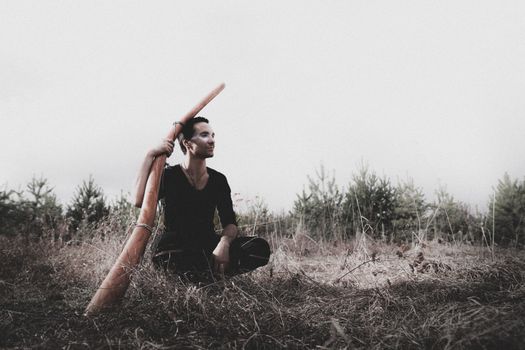
The Unsung Melody: How Traditional Music Masters Rewrote My Travel Story
There was a time when my travel blog, much like my life, felt a little… predictable. I’d chase sunsets, snap iconic landmarks, and tick off bucket list items with the efficiency of a seasoned traveler. Yet, beneath the veneer of adventure, I often felt a subtle yearning for something deeper, something that truly connected me to the soul of a place. I wanted to move beyond being a mere observer and become a participant.
It was during a particularly uninspired backpacking trip through Southeast Asia that the first spark ignited. I watched a group of local musicians in a dusty Cambodian village, their ancient instruments weaving a tapestry of sound that seemed to tell stories older than time itself. The raw emotion, the intricate rhythms, the sheer dedication in their eyes – it was hypnotic. In that moment, a quiet thought bloomed: What if I didn't just listen to the music, but learned to play it?
This simple question set me off on an unexpected odyssey, one that led me to remote villages, bustling city studios, and the humble homes of true musical masters. I didn’t know it then, but these encounters would not only teach me notes and melodies; they would teach me patience, resilience, cultural empathy, and ultimately, a new way to see the world and myself. These traditional music lessons from masters didn't just change my travel experiences; they changed my life forever.
The Call of the Flamenco Fire: My First Dive in Seville
My first intentional foray into traditional music lessons took me to the sun-drenched, passionate heart of Andalusia: Seville, Spain. I’d always been captivated by the raw power and intricate beauty of Flamenco. The soulful wail of the cante, the percussive stomp of the baile, and the dizzying strum of the toque (guitar) felt like a direct conduit to human emotion. I wanted a piece of that fire.
Finding a teacher wasn't as straightforward as searching on Google. I asked around in local tapas bars, visited small peñas (Flamenco clubs), and eventually, through a friendly bartender who knew "everyone," I was introduced to Maestro Ricardo. Ricardo was a man etched by time and passion, his fingers gnarled but agile, his eyes holding the wisdom of a thousand duende-filled nights. He didn't have a fancy studio; his lessons took place in a small, slightly cramped room above his family's shoe repair shop, smelling faintly of leather and aged wood.
My first lesson was daunting. I'd played a little acoustic guitar before, but Flamenco was a beast of a different color. Ricardo started me with the absolute basics: the correct posture, the intricate rasgueado (strumming patterns), and the demanding golpe (percussive tap on the guitar body). He spoke very little English, and my Spanish was rudimentary, but music proved to be a universal language. He communicated through gestures, humming, and the sheer force of his presence. When I fumbled, he wouldn't scold, but gently guide, his own fingers demonstrating with effortless grace. "Siente la música," he'd often say, tapping his chest. "Feel the music."
Learning from Ricardo wasn't just about chords and scales; it was about understanding the very soul of Flamenco. He'd tell me stories of his family, of struggles and triumphs, explaining how each palo (Flamenco style) carried its own history and emotion. I learned that the seguiriyas expressed profound sorrow, while the alegrías burst with joy. I spent hours practicing, my fingertips aching, my mind wrestling with the complex rhythms, but every small breakthrough felt like a monumental victory. One evening, after weeks of lessons, Ricardo took me to a local peña where he played. Watching him perform, knowing I was learning from him, seeing the respect he commanded, was an experience I'll never forget. It wasn't a tourist show; it was pure, unadulterated Flamenco, a direct transmission of culture and emotion.
Practical Tip for Finding Your Flamenco Master:
Don't rely solely on online searches. Go to local Flamenco shows (especially the smaller, more authentic peñas), talk to bartenders, waiters, and shopkeepers. Ask for recommendations. Often, the best teachers are found through word-of-mouth. Expect to pay around €30-€50 per hour for private lessons, sometimes less for group classes. Be prepared for a language barrier; it’s part of the authentic experience!
The Earth's Breath: Finding My Voice with the Didgeridoo in the Australian Outback
From the fiery passion of Spain, my musical journey took a radical turn to the ancient, spiritual landscapes of the Australian Outback. I felt drawn to the Didgeridoo, an instrument synonymous with Aboriginal culture, often described as the voice of the land itself. This was a completely different beast – no strings, no frets, just a hollowed-out eucalyptus branch and the power of breath.
My quest led me to the Northern Territory, near Kakadu National Park. I knew that learning the Didgeridoo was more than just mastering a technique; it was about understanding a profound cultural heritage. I sought out an elder from a local Aboriginal community, Uncle Jimmy, who was known for sharing his knowledge respectfully with outsiders. This was crucial; it's vital to approach indigenous cultures with deep respect and sensitivity, ensuring you learn from legitimate, authorized teachers.
Uncle Jimmy’s lessons were unlike anything I’d experienced. We didn't sit in a studio; we sat under the vast, open sky, the red earth beneath our feet, the sounds of the bush all around us. He taught me about the importance of the Didgeridoo in ceremonies, storytelling, and connecting with the Dreamtime. The biggest challenge was circular breathing – a technique that allows you to play continuously without pausing for breath. It felt impossible at first, like trying to pat your head and rub your stomach while whistling a tune. My cheeks ached, my head swam, and I often felt lightheaded.
Uncle Jimmy was incredibly patient. He'd demonstrate, making the instrument hum and drone with an almost otherworldly resonance, then watch my clumsy attempts with a gentle smile. "Feel the air, feel the land," he'd say, his voice a low rumble. "It is the breath of all things." He didn't just teach me how to play; he taught me why to play. He shared stories of his ancestors, of the animals and spirits of the land, explaining how the sounds of the Didgeridoo mimicked these natural elements. Learning the Didgeridoo became a meditative practice, a way to connect with the ancient rhythms of the earth. The moment I finally achieved a sustained, clear drone using circular breathing was exhilarating – a deep, resonant hum that vibrated through my entire body. It felt like I was breathing with the very landscape around me.
Practical Tip for Learning Didgeridoo:
Always seek out reputable Aboriginal cultural centers or authorized elders. Never buy a Didgeridoo from an unverified source, as some are made disrespectfully or not by Aboriginal artisans. A full-day workshop, often including cultural stories, bush tucker, and basic Didgeridoo instruction, can range from AUD$150 to AUD$300. Be prepared for a profoundly spiritual and physically challenging experience.
Beyond the Notes: The Deeper Life Lessons I Uncovered
These musical pilgrimages, and others that followed (a brief but fascinating stint with the Balinese Gamelan, and an attempt at Irish Bodhrán drumming), taught me far more than just how to coax sound from an instrument. They offered profound life lessons that reshaped my perspective:
- Patience and Discipline: Learning a traditional instrument is rarely easy. It demands dedication, repetition, and the willingness to fail countless times before achieving a breakthrough. This discipline bled into other areas of my life, fostering a greater capacity for perseverance.
- Cultural Immersion Beyond Sightseeing: Music is the heartbeat of a culture. By learning an instrument, you’re not just observing; you're actively participating in its living heritage. You gain an intimate understanding of its history, values, and emotional landscape that no museum or tour guide can provide. You meet locals on a completely different level, often forming genuine, lasting connections.
- The Power of Connection: My teachers weren't just instructors; they were mentors, storytellers, and cultural ambassadors. They opened their homes, shared their lives, and treated me not just as a student, but as someone genuinely interested in their world. These bonds are some of the most cherished souvenirs I’ve ever brought home.
- Self-Discovery and Mindfulness: The intense focus required to learn an instrument, especially one with complex rhythms or breathing techniques, forces you to be entirely present. It's a form of active meditation that quiets the mental chatter and allows for deep introspection. I discovered a new capacity for concentration and a profound sense of calm.
- Embracing Imperfection: I'm certainly not a master of any of these instruments. I still stumble, I make mistakes, and my circular breathing isn't always seamless. But these experiences taught me the beauty in the journey, the joy in the effort, and the importance of progress over perfection. It’s about the experience, not just the performance.
Planning Your Own Musical Odyssey: A Practical Guide
Inspired to find your own musical mentor? Here’s how you can embark on your own life-changing traditional music journey:
- Do Your Research (Beyond Google):
- Start Local: Before you even leave, research the traditional music of your destination. Listen to different styles, watch performances online, and get a feel for what resonates with you.
- Ask Locals: Once you arrive, the best advice comes from the ground. Talk to people at cultural centers, small music venues, local cafes, and even your guesthouse owner. They often know the hidden gems and true masters.
- Online Forums & Expat Groups: These can be great resources for recommendations and reviews from others who’ve sought similar experiences.
- Specialized Tours/Workshops: Some regions have cultural tour operators that specifically offer immersive music workshops. While often more expensive, they can provide a structured, respectful entry point.
- Budgeting & Logistics:
- Lesson Costs: Prices vary wildly by country, instrument, and teacher. Expect anywhere from $20 to $100+ per hour for private lessons. Group classes are usually cheaper.
- Instrument Rental/Purchase: Some teachers may have spare instruments, or you might need to rent or buy one. Factor this into your budget. For instruments like the Didgeridoo, buying locally from an authentic source supports the community.
- Time Commitment: Don't expect to become a virtuoso in a week. Plan for at least 5-10 lessons, or ideally, a few weeks of consistent practice, to truly grasp the basics and feel the progress.
- Preparation & Mindset:
- Open Mind & Patience: Go in with an open heart, ready to learn, and understand that mastering anything takes time. Embrace the struggle!
- Cultural Sensitivity: Research the cultural etiquette associated with the instrument and its traditions. Dress appropriately, be respectful of customs, and always show gratitude.
- Language Barrier: Don't let it deter you. Music transcends language. A few basic phrases in the local tongue will go a long way, but your passion will speak volumes.
- Journal Your Journey: Document your lessons, your breakthroughs, your frustrations. These memories will be priceless.
- Safety & Ethics:
- Verify Authenticity: Especially when dealing with indigenous cultures, ensure your teacher is an authorized elder or community member. This ensures respectful cultural exchange and that your money supports the right people.
- Meet in Public: For initial meetings, suggest a public place. Trust your gut.
- Be Clear About Expectations: Discuss lesson frequency, duration, and cost upfront to avoid misunderstandings.
The Resonance Within: Carrying the Music Forward
The instruments I learned to play, even if imperfectly, have become more than just objects; they are tangible links to incredible memories and profound personal growth. My Flamenco guitar sits proudly in my living room, a constant reminder of Seville's fiery spirit. And while I don't own an authentic Aboriginal Didgeridoo (due to the complexities of proper acquisition and respect for cultural protocols, I decided to leave that experience within its sacred context), the memory of Uncle Jimmy's lessons and the feeling of the earth's breath will forever resonate within me.
These experiences fundamentally shifted how I travel. I no longer just see a destination; I listen to its rhythm, seek out its melodies, and strive to connect with its people through the universal language of music. My blog posts now carry a deeper resonance, infused with the stories of the masters and the transformative power of their art.
If you’re seeking a travel experience that goes beyond the surface, one that truly immerses you in a culture and leaves an indelible mark on your soul, I implore you: find your music. Seek out a master. Let their wisdom and their art guide you. It might just be the most life-changing journey you ever take.
What instrument calls to you? What traditional music have you always dreamed of learning? Share your thoughts and aspirations in the comments below! Let's inspire each other to make music a part of our next great adventure!
---