Beyond the Postcard: Your Guide to Participating in Traditional Ceremonies in October 2025
I still remember the goosebumps. It was my first time in Varanasi, India, and the city was ablaze with a million tiny lights. Not just the usual streetlights, but thousands of flickering diyas – small clay lamps – lining every step of the ghats, floating on the sacred Ganga, and illuminating homes with a warm, golden glow. The air hummed with anticipation, the scent of incense mingled with firecrackers, and the smiles on people's faces were pure, unadulterated joy. This wasn't just a spectacle; it was Diwali, and for the first time, I wasn't just an observer. A local family had invited me to light a diya with them, to share sweets, and to feel the pulse of their ancient festival. It was a moment that transcended language barriers and cultural differences, cementing a connection I’ll never forget.
That experience changed how I travel forever. While seeing iconic landmarks is great, true immersion comes from participating, from respectfully engaging with the heart and soul of a culture. And if you're like me, yearning for those deeper connections, then October 2025 is setting up to be an extraordinary month for you. Across the globe, ancient traditions come alive, offering travelers unique opportunities to not just witness, but truly participate in ceremonies that celebrate life, honor ancestors, and connect communities.
Forget passive tourism. This year, let's explore how you can respectfully join some of the world's most vibrant and meaningful traditional ceremonies, making your October 2025 adventure unforgettable.
1. Diwali: India's Festival of Lights – A Radiant Celebration (October 20-24, 2025)
What it is:
Diwali, the "Festival of Lights," is arguably India's most significant and widely celebrated festival. Spanning five days, it symbolizes the triumph of light over darkness, good over evil, and knowledge over ignorance. While its specific legends vary by region, the core message of renewal and celebration remains constant. Homes are cleaned, decorated with intricate rangoli (colorful patterns), illuminated with diyas and electric lights, and families gather for elaborate feasts, exchange gifts, and perform pujas (prayers).
My Experience & How You Can Participate:
My first Diwali in Jaipur was a whirlwind of sensory delights. The entire Pink City shimmered, reflecting the thousands of lights. I was lucky enough to be invited into a local home, where I helped light diyas, learned the basics of creating a simple rangoli design (my attempt was… enthusiastic!), and shared plate after plate of delicious homemade sweets. The sense of community and generosity was overwhelming.
For travelers, Diwali offers numerous avenues for participation:
- Light a Diya: Many hotels and guesthouses in tourist-friendly cities will offer guests the chance to light diyas or candles. Even better, seek out local community events or, if you've made local friends, accept an invitation to join their family celebrations.
- Attend a Puja: Temples across India will hold special Diwali pujas. You can respectfully observe or, in some cases, join in the prayers. Ask your guesthouse or a trusted local guide for recommendations.
- Witness Firework Displays: Major cities will have incredible firework shows. Find a rooftop restaurant or a local gathering spot for the best views.
- Explore Local Markets: The markets before Diwali are a spectacle in themselves – bustling with shoppers buying sweets, gifts, and decorations. It's a fantastic place to soak in the festive atmosphere and maybe pick up a traditional outfit.
- Rangoli Workshops: In some tourist hubs, cultural centers or boutique hotels might offer workshops on rangoli making.
Where to Experience It:
* Jaipur, Rajasthan, India: The Pink City truly lives up to its name during Diwali, with every building glowing.
* Varanasi, Uttar Pradesh, India: Experience Diwali on the sacred Ganges, with countless diyas floating on the river and spectacular aarti ceremonies.
* Singapore/Malaysia: For a different flavor of Diwali, these countries also celebrate with vibrant decorations, special markets, and cultural events, particularly in their Little India districts.
Practical Tips & Details:
* Dates: October 20-24, 2025 (main celebrations typically on the 3rd and 4th day).
* Cost: Participation itself is often free or very low cost (e.g., a few rupees for diyas). Your main costs will be travel and accommodation.
* Etiquette: Dress modestly, especially in temples. Always ask before taking photos of people. Be prepared for crowds and noise (firecrackers are common).
* Booking: Book flights and accommodation well in advance, as it's a peak travel period.
2. Día de los Muertos: Mexico's Vibrant Remembrance (Late October - November 2, 2025)
What it is:
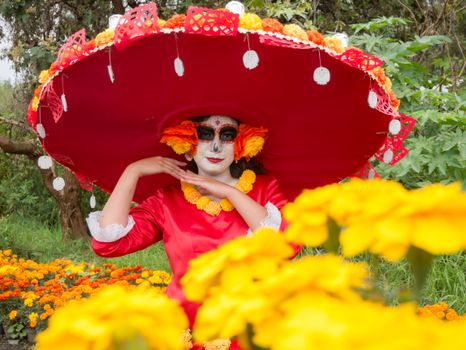
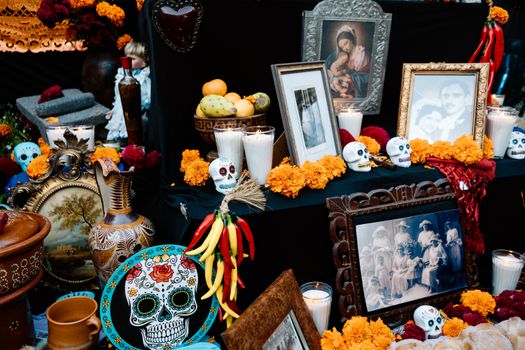
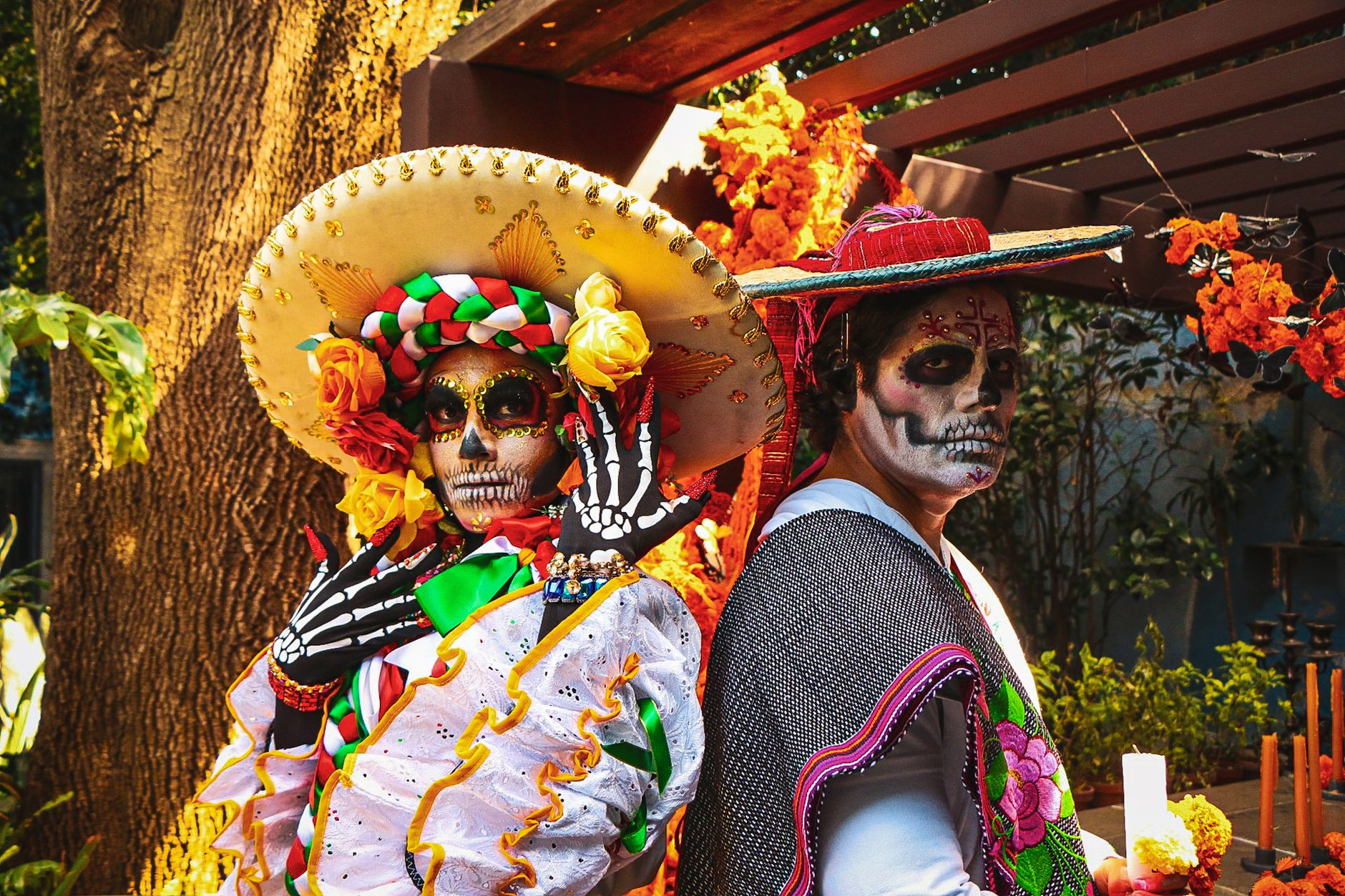
Far from a somber affair, Mexico's Día de los Muertos (Day of the Dead) is a joyful, vibrant celebration of life and a loving remembrance of deceased loved ones. It's believed that on these days, the veil between the living and the dead thins, allowing spirits to visit their families. Families build elaborate ofrendas (altars) adorned with marigolds, candles, favorite foods and drinks of the departed, and photos. Parades, music, dancing, and storytelling fill the streets and cemeteries.
My Experience & How You Can Participate:
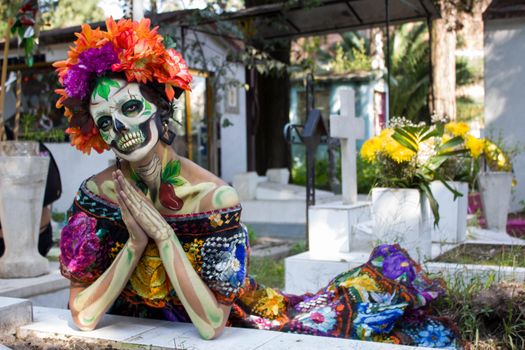
My first Día de los Muertos in Oaxaca was an explosion of color and emotion. Walking through the streets, I saw families meticulously decorating ofrendas outside their homes, each one a unique, heartfelt tribute. I even got my face painted as a Catrina (the iconic skeletal figure) by a local artist – a surprisingly transformative experience. Later, observing families gather in cemeteries, sharing meals and stories by candlelight, was profoundly moving. It wasn't sad; it was a beautiful, collective act of love.
You can dive into the heart of this incredible tradition:
- Face Painting: Get your face painted as a calavera (skull) or Catrina. Many street artists offer this service, especially in popular squares. It's a fun way to participate in the visual aspect of the festival.
- Visit Ofrendas: Many public ofrendas are set up in town squares, museums, and hotels. Some communities open their homes, or you can join a guided tour that includes a visit to a local family's altar. Always be respectful and ask permission before photographing.
- Attend Parades & Festivities: Major cities and towns host vibrant parades (comparsas) with music, dancing, and elaborate costumes. Join the crowds, enjoy the music, and soak in the festive atmosphere.
- Cemetery Visits: This is a deeply personal aspect of the celebration. Many families spend the night in cemeteries, cleaning and decorating graves. You can visit cemeteries during the day to see the beautiful decorations, but if you wish to visit at night, consider going with a local guide or as part of an organized tour to ensure respect and safety.
- Pan de Muerto: Try the delicious pan de muerto (bread of the dead) and other traditional sweets.
- Workshops: Look for workshops on ofrenda making, papel picado (perforated paper banners), or sugar skull decoration.
Where to Experience It:
* Oaxaca City, Oaxaca, Mexico: Widely considered one of the best places to experience Día de los Muertos, known for its authentic celebrations, elaborate ofrendas, and vibrant parades.
* Mexico City: Offers large-scale parades and numerous public ofrendas in Zócalo and other squares.
* Pátzcuaro, Michoacán: A more traditional and spiritual experience, particularly known for its celebrations around Lake Pátzcuaro and Janitzio Island.
Practical Tips & Details:
* Dates: Officially November 1-2, 2025, but celebrations, preparations, and parades often begin in the last week of October.
* Cost: Face painting (approx. $10-30 USD), workshops (vary), food. Main costs are travel and accommodation.
* Etiquette: Día de los Muertos is a respectful commemoration, not a party. Ask permission before photographing altars or people. Dress colorfully but respectfully.
* Booking: Book everything months in advance, especially for Oaxaca, as it's incredibly popular.
3. Pushkar Camel Fair: Rajasthan's Desert Spectacle & Sacred Rituals (October 31 - November 8, 2025)
What it is:
The Pushkar Camel Fair is one of India's most iconic and unique events. While primarily a massive livestock fair where thousands of camels, horses, and cattle are traded, it's also a significant religious pilgrimage and cultural festival. Set against the stunning backdrop of the Thar Desert, the fair transforms the sleepy town of Pushkar into a vibrant hub of activity, with camel races, cultural performances, magic shows, and a sacred dip in Pushkar Lake.
My Experience & How You Can Participate:
Stepping into the Pushkar Fair was like entering another dimension. The sheer scale of it – thousands of camels, their owners in colorful turbans, the constant hum of bartering, the scent of dust and spices – was overwhelming in the best way. I spent hours simply observing the camel trading, mesmerized by the ancient rituals of negotiation. I even took a short camel safari into the desert at sunset, which felt incredibly authentic. While direct "participation" in the camel trading might be limited for tourists, the fair offers immense opportunities for cultural immersion and observation of sacred practices.
Here's how you can engage with this incredible event:
- Observe the Livestock Trading: Wander through the sprawling fairgrounds, watching the fascinating spectacle of camel and livestock trading. It's a photographer's paradise.
- Camel Safaris & Rides: Take a camel ride or a short safari into the surrounding desert. This is a popular and enjoyable way to experience the landscape.
- Attend Cultural Performances: Each evening, the fair hosts a variety of cultural performances, including folk music, dancing, magic shows, and acrobatic displays. Many are free or have a nominal entry fee.
- Take a Holy Dip in Pushkar Lake: Pushkar is one of the holiest Hindu sites, and a dip in the sacred Pushkar Lake is believed to cleanse sins. While you can participate, it's essential to do so respectfully. Hire a local guide to ensure you understand the rituals and avoid any scams.
- Visit the Brahma Temple: Pushkar is home to one of the few Brahma temples in the world. It’s a significant pilgrimage site and worth a respectful visit.
- Hot Air Balloon Ride: For a truly unforgettable perspective, consider a hot air balloon ride over the fairgrounds at sunrise. It offers breathtaking views of the thousands of camels and the desert landscape.
Where to Experience It:
* Pushkar, Rajasthan, India: The entire fair takes place in and around the town of Pushkar.
Practical Tips & Details:
* Dates: October 31 - November 8, 2025 (The animal trading peaks in the first few days, while the religious and cultural aspects continue throughout).
* Cost: Entry to the fair is free. Camel rides (approx. $10-20 USD), cultural events (some free, some paid, usually under $10 USD), hot air balloon rides (can be $200-300+ USD). Accommodation prices skyrocket.
* Etiquette: Dress modestly, especially when visiting the lake or temple. Be prepared for crowds, dust, and a lack of amenities compared to larger cities. Always ask permission before photographing people, especially the Sadhus (holy men).
* Booking: Book accommodation and transport to Pushkar months in advance. Options range from basic tents to glamping and guesthouses.
4. Samhain & Celtic Autumn Rituals: Echoes of Ancient Ireland (Late October 2025)
What it is:
While Halloween has become a global, commercialized phenomenon, its roots lie in the ancient Celtic festival of Samhain (pronounced "Sow-in"). Marking the end of summer and harvest, and the beginning of the "darker half" of the year, Samhain was believed to be a time when the boundary between the living and the dead blurred, allowing spirits to cross over. It involved bonfires, feasts, storytelling, and rituals to honor ancestors and ward off malevolent spirits.
My Experience & How You Can Participate:
One chilly October evening in a small village in County Meath, Ireland, I found myself by a crackling bonfire, listening to a local storyteller weave tales of ancient kings, mischievous fairies, and the spirits that roamed on Samhain eve. It wasn't a formal ceremony, but the shared experience, the communal warmth, and the connection to age-old traditions felt incredibly powerful. It was a tangible link to the past, reminding me that magic still lingers in these ancient lands.
While you won't find large-scale public "ceremonies" in the same vein as Diwali or Día de los Muertos, you can absolutely participate in the spirit of Samhain:
- Storytelling & Folklore Evenings: Many pubs, cultural centers, and heritage sites in rural Ireland and Scotland host special storytelling events around Samhain, delving into local myths and legends.
- Bonfires & Harvest Feasts: Look for local community events that include bonfires, traditional music sessions, and shared meals celebrating the harvest. These are often more informal but deeply authentic.
- Visit Ancient Sites: Explore ancient Celtic sites like Newgrange (County Meath) or the Hill of Tara, which hold deep significance for Samhain. Some sites might have special guided tours or events.
- Traditional Music Sessions (Seisiúns): Immerse yourself in the vibrant traditional music scene in pubs across Ireland and Scotland. While not a ceremony, it's a profound cultural ritual.
- Local Halloween Festivals: Many towns host their own unique Halloween festivals that blend modern fun with ancient Celtic traditions.
Where to Experience It:
* County Meath, Ireland: Home to many ancient Celtic sites, often hosts Samhain-themed events.
* West Cork, Ireland: Known for its strong cultural heritage and community events.
* Isle of Skye, Scotland: Or other rural areas of Scotland, where Celtic traditions are still strong.
Practical Tips & Details:
* Dates: Celebrations typically occur around October 31st.
* Cost: Generally low-moderate, mainly for event tickets, pub food, or guided tours.
* Etiquette: Be respectful of local customs and traditions. Engage with locals, ask questions, and be open to learning.
* Booking: Accommodation can be busy in popular tourist areas, but less so than major festivals. Book B&Bs or guesthouses for a more local experience.
5. Preparing for Your Sacred Journey: A Practical Guide
Participating in traditional ceremonies is a privilege, and preparation is key to ensuring both your enjoyment and your respectful engagement.
- Research, Research, Research: Before you go, delve into the history, meaning, and etiquette of the ceremony you plan to attend. Understanding the cultural nuances will enrich your experience tenfold.
- Book Ahead: For popular festivals like Diwali, Día de los Muertos, and the Pushkar Fair, flights, trains, and accommodation sell out months in advance and prices soar. Don't wait!
- Travel Insurance: Always, always have comprehensive travel insurance.
- Health & Safety: Check vaccination requirements, consult your doctor, and be aware of local safety guidelines. Staying hydrated and being mindful of crowds are crucial for large festivals.
- Packing Essentials:
- Modest Clothing: Essential for most religious or traditional ceremonies. Pack lightweight, breathable fabrics that cover shoulders and knees. A scarf is always handy for women to cover their heads if required.
- Comfortable Walking Shoes: You'll be on your feet a lot!
- Reusable Water Bottle: Stay hydrated and reduce plastic waste.
- Small Backpack/Crossbody Bag: Keep essentials secure and close.
- Portable Charger: For your phone and camera, as power outlets might be scarce.
- Basic First-Aid Kit: Blister plasters, pain relievers, antiseptic wipes.
6. The Art of Respectful Participation: Be a Guest, Not Just a Tourist
This is the most crucial aspect of engaging with traditional ceremonies. You are a guest in someone else's sacred space and culture.
- Ask for Permission (Always!): Before taking photos of people, especially children, or of private altars/rituals, always ask. A simple "Photo, por favor?" or "Tasveer?" (Hindi for photo) with a polite gesture goes a long way. Be prepared to accept "no" gracefully.
- Dress Appropriately: As mentioned, modesty is key. Observe what locals are wearing and try to blend in.
- Open Mind, Open Heart: Approach the experience with curiosity, humility, and a willingness to learn. Let go of preconceived notions.
- Engage with Locals: A simple smile, a few words in the local language (e.g., "Namaste" in India, "Hola" in Mexico, "Go raibh maith agat" for thank you in Irish), or a respectful question can open doors to incredible interactions.
- Support Local Communities: Buy souvenirs from local artisans, eat at local eateries, and consider hiring local guides. Your presence can have a positive impact.
- Leave No Trace: Be mindful of your environmental impact, especially in crowded festival settings.
Embrace the Magic of October 2025
October 2025 isn't just another month on the calendar; it's a gateway to profound cultural experiences. These aren't just events to witness from a distance; they are invitations to connect, to learn, and to grow. From the dazzling glow of Diwali to the heartfelt remembrance of Día de los Muertos, the bustling energy of the Pushkar Fair, and the ancient echoes of Samhain, each ceremony offers a unique window into the human spirit.
Don't just observe; participate. These are the moments that truly define a journey, transforming a trip into a pilgrimage of the heart. So, what are you waiting for? Start planning your transformative journey today!
Which of these incredible ceremonies calls to you the most? Share your dream October 2025 cultural adventure in the comments below, or tag us #TripsoraCeremonies when you're there!
---