Most theme parks are fun, but only a handful are fun enough to build an entire holiday around. If you are thinking about getting on a plane for a park, you want to know what sets a destination apart: the design, the rides, the storytelling, the food, the atmosphere. This guide looks at the parks that many visitors consider worth the journey, and shows you how to decide whether one is right for your trip.
Ticket prices, ride lineups and opening hours change often. This article avoids exact figures and recommends checking each park's official website before planning.
What makes a park worth a flight
Distance, jet lag and cost all raise the bar. A park that justifies a long trip usually offers several of these:
- Immersive theming. Whole districts feel like another world, with details in architecture, music and landscaping.
- A strong ride lineup. A mix of thrill rides and gentler attractions for different ages.
- Distinct character. Something you cannot find at home, such as a unique land, a local tradition or a particular style of design.
- Good surroundings. Hotels, dining and other attractions nearby so you can build a multi-day stay.
- Smooth logistics. Reasonable transport links, clear booking systems and well-managed queues.
A park that ticks only one of these may be great, but better suited to a day trip than a long-haul flight.
Tokyo Disney Resort, Japan
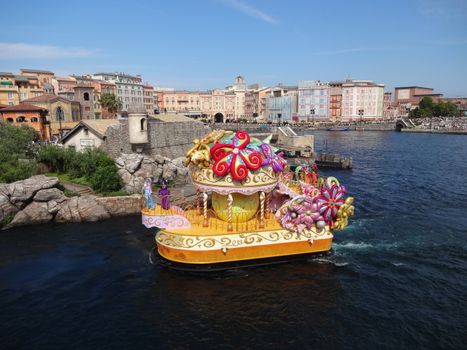
Tokyo has two parks: Tokyo Disneyland, which resembles the classic style, and Tokyo DisneySea, which is widely admired for its detailed, adult-friendly design built around a nautical theme. DisneySea, with its harbor, volcano and themed ports, is often described as one of the most beautifully designed parks in the world.
Why people go:
- Exceptional attention to detail and cleanliness.
- Distinctive attractions and shows not found elsewhere.
- Food that is part of the fun, including themed snacks.
- Strong crowd management, although popular days are busy.
Planning tips: the resort operates a ticket and entry system that has changed over the years, so check how reservations and extra-paid ride access work. Spending two days, one in each park, gives a good sense of the resort.
Walt Disney World, Florida
The world's largest resort-style destination includes four theme parks, water parks, golf courses, shopping and dozens of hotels. It is huge, which is both a strength and a challenge.
Why people go: the sheer scale, the variety of experiences and the chance to stay on property and move between parks by bus, monorail or boat.
Planning tips:
- Allow at least four or five days to see the main parks without rushing.
- Learn how the paid skip-the-line systems work, since they change from time to time.
- Book dining and special experiences well ahead if you want them.
- Consider off-peak weeks for shorter lines and gentler weather.
Orlando also has other major parks, including Universal's resort with its popular immersive areas. Many visitors combine several parks in one trip.
Disneyland Paris, France
For visitors from Europe, Disneyland Paris is an accessible option, linked by rail to Paris and with its own station. It combines a theme park with a second park focusing on film and animation.
What stands out: European castle-inspired architecture, a mix of classic and newer attractions and a convenient location for combining a theme park visit with time in Paris.
Planning notes: it can be cold and wet in winter, though the winter holiday decorations are a draw. Check train options for the transfer from the city.
Universal Studios Japan, Osaka
Universal Studios Japan stands out for its immersive lands, including areas based on popular games and film franchises. The Super Nintendo World area attracted global attention for its interactive design, and the park is a good fit for visitors who love films, games and high-energy rides.
Tips:
- Osaka itself is worth time, with food markets, castle and nightlife, so you can combine a park visit with a city stay.
- Some of the most popular areas use timed entry or reservation systems on busy days; check the official site.
- Kyoto and Nara are within easy reach by train.
Europa-Park, Germany
Europa-Park, near the French border in the Black Forest region, is often named among the best parks in Europe. Instead of one theme, it is organized into areas representing different European countries, with rides and dining to match.
Why it earns attention:
- A wide choice of coasters and family rides.
- Lovely landscaping and themed areas.
- On-site hotels that are themed in their own right.
- Seasonal events, including a winter season.
It is a good option for travelers exploring southern Germany, Alsace and the Swiss border region, and it works for families and thrill-seekers alike.
Efteling, Netherlands
Efteling is a fairy-tale park in the Netherlands, founded long ago and still loved for its storybook design. It leans toward whimsy and atmosphere rather than extreme thrills, though it also has major attractions.
What makes it special: forests, fantasy-themed lands, traditional tales and a gentle, enchanting mood. If you value artistry and charm, it can be a highlight. It can also be combined with a trip to the Netherlands and Belgium.
Other parks worth considering
Depending on your interests, you might look at:
- Phantasialand, Germany, known for intensely themed areas and impressive rides.
- PortAventura, Spain, with a coastal setting and water park options.
- Tivoli Gardens, Denmark, a historic garden-style amusement park in the heart of Copenhagen, great for atmosphere.
- Liseberg, Sweden, popular for both its rides and seasonal events.
- Ferrari World, Abu Dhabi, for speed-focused attractions.
- Hong Kong Disneyland and Shanghai Disney Resort, for travelers in Asia.
None of these is a universal pick, so look at your own preferences.
Matching the park to the traveler
Think about who is going:
- Families with young children. Look for plenty of gentle rides, shows, character experiences and hotels nearby. Efteling, Disney parks and similar resorts are popular.
- Teenagers and thrill-seekers. Look for parks known for major coasters and intense attractions, such as Europa-Park, Phantasialand or some Universal parks.
- Adults without children. Atmosphere, food, design and evening entertainment can matter more. DisneySea and Tivoli are often appreciated for this.
- Fans of a particular franchise. Choose the park with the lands you care about.
- Mixed ages. Parks with a broad range of rides and good dining give everyone something.
Timing your visit
Choose carefully, as dates matter.
- School holidays and weekends are busiest.
- Midweek visits in shoulder seasons are generally calmer.
- Weather matters: summer heat, winter cold and rainy periods change the experience.
- Special events, such as seasonal decorations, can be wonderful but draw crowds.
- Some rides close for maintenance at particular times of year, so check the park's calendar.
Budget wisely
Costs add up quickly. Think about:
- Park tickets, with multi-day discounts in some cases.
- Flights and transfers.
- Accommodation, on property or off.
- Food, which can be expensive inside the park.
- Optional extras, such as skip-the-line passes and souvenirs.
Ways to manage costs include bringing a refillable water bottle where permitted, eating a big breakfast, staying off-site if transport is easy, and choosing a few must-do attractions rather than trying to buy every extra.
Planning your days in a park
A few habits improve any visit:
- Arrive before opening to enjoy popular rides with shorter waits.
- Use the official app for wait times, show schedules and mobile ordering.
- Build in a midday break, especially in hot weather.
- Prioritize your top three attractions and treat everything else as a bonus.
- Wear comfortable shoes and use sun protection.
- Keep valuables secure and know the meeting spot if your group is separated.
Accessibility and special needs
Most major parks offer accessibility services, such as priority access for guests with disabilities, wheelchair-friendly routes and information about ride restrictions. Policies differ and have changed over time, so contact the park before your visit and ask what to arrange in advance.
Building a trip around a park
If you decide to go, the surrounding itinerary matters as much as the park itself. A few examples of pairings:
- Tokyo Disney Resort with Tokyo. The parks sit close to the city by train, so you can spend a few days in the park and the rest exploring neighborhoods, temples and food streets.
- Universal Studios Japan with Osaka, Kyoto and Nara. A base in Osaka makes day trips to historic cities easy.
- Disneyland Paris with Paris. A direct rail link means you can split your stay or take a day trip.
- Europa-Park with the Black Forest, Strasbourg and Basel. The park sits in a region full of small towns and scenery.
- Efteling with Dutch and Belgian cities. A tour that includes Amsterdam, Utrecht or Antwerp can fill out a week.
- Walt Disney World with other Florida parks and the coast. Many visitors add a beach stay at the end to rest.
Such combinations make the flight feel justified, because you get a full holiday rather than a single-purpose trip. They also give you a fallback if the weather turns bad on park day.
Common mistakes to avoid
- Cramming too much in. Most people enjoy a park more with a lighter plan.
- Skipping meals or water. Long queues and heat catch people out.
- Ignoring height and health restrictions. Check ride requirements in advance to avoid disappointment.
- Overbuying extras. Think carefully before paying for add-ons you may not use.
- Forgetting jet lag. Give yourself a day to adjust before a big park day, especially with children.
Is it really worth the flight?
To decide honestly, ask:
- Would we enjoy this park even if the weather is poor?
- Is there enough else nearby that the trip feels like a holiday, not only a park visit?
- Do the dates we can travel line up with manageable crowds?
- Does the cost fit our budget without stress?
- Are we excited by the park itself, not only the idea of going?
If the answers lean yes, the trip is probably worth planning.
Frequently asked questions
How many days do I need?
It depends on the resort. A single park can be done in a day, but large resorts reward two to five days. Consider what else you want to see in the area.
Is it better to stay on property?
On-site hotels can be convenient and sometimes provide perks, but they often cost more. Compare with nearby alternatives and the quality of transport links.
Should I buy extra skip-the-line passes?
Only if your budget allows and you will be visiting on a busy day. Study how the system works first, because it changes often.
Are theme parks suitable for adults traveling without children?
Yes. Many parks have elegant dining, thrilling rides, shows and atmospheric design that appeal to adults.
Summary
The theme parks that justify a flight tend to combine detailed theming, a strong mix of attractions, a distinct character and good surroundings. Tokyo Disney Resort, Walt Disney World, Disneyland Paris, Universal Studios Japan, Europa-Park and Efteling are among the best known, with many others worth exploring depending on your tastes. Match the park to your group, choose your dates carefully, budget realistically and verify prices and rules with official sources. If you do that, a long journey to a great park can be a highlight of your travel year.