Deciding between Sydney vs Melbourne for your Australian adventure is a common dilemma, as both offer distinct experiences. Sydney, with its world-famous harbour and beaches, leans into an active, outdoor lifestyle, while Melbourne counters with a renowned arts scene, hidden laneway culture, and a passionate foodie identity. Each city promises a memorable trip, but they cater to different preferences, making your choice dependent on what kind of experience you're seeking.
Sydney vs Melbourne: At a Glance
Here's a quick comparison to help you understand the core differences between Australia's two largest cities.
| Category | Sydney | Melbourne |
|---|---|---|
| Cost Level (approx. £) | Mid-range to High (Accommodation: £100-£250/night; Meal: £15-£40) | Mid-range to High (Accommodation: £90-£220/night; Meal: £15-£35) |
| Best For | Iconic landmarks, beaches, outdoor activities, scenic beauty, vibrant harbour life | Culture, arts, food & wine, sports, hidden laneways, European atmosphere |
| Typical Weather | Warm summers (Dec-Feb), mild winters (Jun-Aug), higher humidity, more sunshine | Warm to hot summers, cool winters, "four seasons in one day," less humidity |
| Getting Around | Extensive train, bus, and ferry network (Opal card); walking in city centre | World-famous tram network (Myki card), trains, buses; walking in city centre |
| Crowds | Can be very busy around major landmarks, especially during peak season (Dec-Feb, Easter) | Busy city centre, especially during major sporting events or festivals; laneways can feel intimate |
| Food Scene | Seafood focus, waterfront dining, diverse international cuisine, fine dining | Café culture, laneway dining, multicultural eateries, fine dining, experimental cuisine |
| Nightlife | Harbour-side bars, rooftop venues, clubbing, live music, casino | Hidden bars, cocktail lounges, live music venues (rock, jazz), late-night dining |
| Popular Day Trips | Blue Mountains, Hunter Valley, Palm Beach | Great Ocean Road, Yarra Valley, Phillip Island |
| Recommended Trip Length | 4-6 days to experience major sights and a day trip | 4-6 days to explore cultural offerings and a day trip |
Note on prices: All prices are approximate ranges in GBP (£) and can vary significantly based on season, booking in advance, and personal choices. Always check current prices and exchange rates before travel.
Cost Level: Budgeting for Your Australian Adventure
Both Sydney and Melbourne are considered relatively expensive cities by global standards, particularly when it comes to accommodation and dining. However, there are subtle differences that might influence your budget.
Sydney's iconic status often comes with a premium. Hotels in prime locations like Circular Quay, The Rocks, or near Bondi Beach can command higher prices. A mid-range hotel room typically costs approx. £100-£250 per night. Dining at a reputable restaurant might range from approx. £20-£40 for a main course, while a casual café lunch could be around £15-£25.
Melbourne tends to offer slightly more value, especially for accommodation outside the immediate CBD, or if you opt for its extensive array of excellent yet affordable eateries. A mid-range hotel might be approx. £90-£220 per night. Its vibrant café culture means you can find excellent coffee and brunch for approx. £10-£20, and a quality dinner in a laneway restaurant might be approx. £15-£35 for a main.
Transport costs are comparable, with both cities using smart card systems (Opal in Sydney, Myki in Melbourne) that offer capped daily fares, making multi-journey travel relatively economical.
Pro tip: To save on dining in both cities, explore ethnic neighbourhoods like Sydney's Cabramatta or Melbourne's Richmond for authentic and affordable meals. Look for happy hour deals in bars for cheaper drinks.
Best For: What Each City Excels At
Sydney: Iconic Landmarks and Outdoor Lifestyle
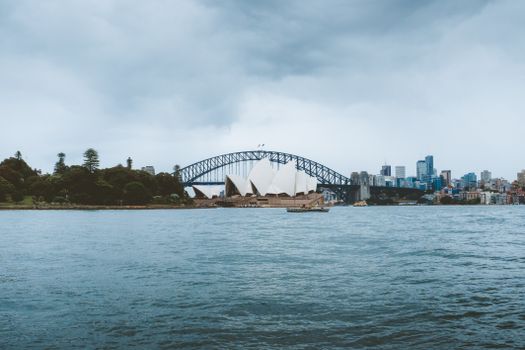
Sydney is undeniably the city for those who crave instantly recognisable landmarks and an outdoor-centric experience. The Sydney Opera House and Sydney Harbour Bridge are not just structures; they are the backdrop to much of the city's life. You can climb the Bridge, tour the Opera House, or simply enjoy the views from Circular Quay or Mrs Macquarie's Chair.
The city's beautiful beaches, particularly Bondi Beach and Manly Beach, offer opportunities for surfing, swimming, or simply soaking up the sun. Coastal walks, like the famous Bondi to Coogee walk, showcase stunning ocean vistas. Sydney's harbour is a playground for ferries, cruises, and watersports, making it ideal for visitors who enjoy being near or on the water.
It's also a city that embraces major events and celebrations, often with the harbour as its centrepiece, such as the New Year's Eve fireworks or Vivid Sydney light festival.
Melbourne: Culture, Food, and European Charm
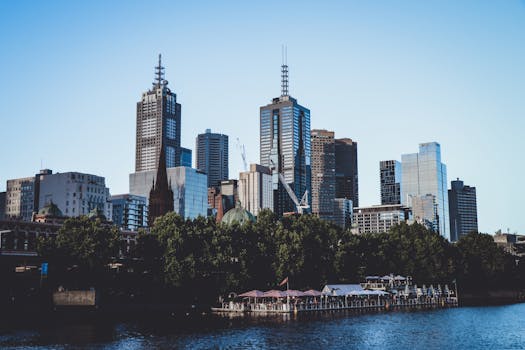
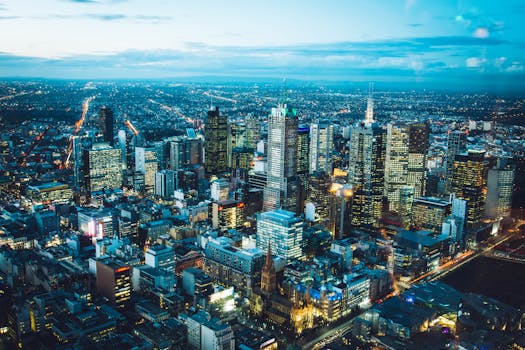
Melbourne is often lauded as Australia's cultural capital. Its laneways, filled with street art, hidden bars, and independent boutiques, give it a distinctive European feel. The city boasts world-class museums and galleries, including the National Gallery of Victoria and the Australian Centre for the Moving Image (ACMI) at Federation Square.
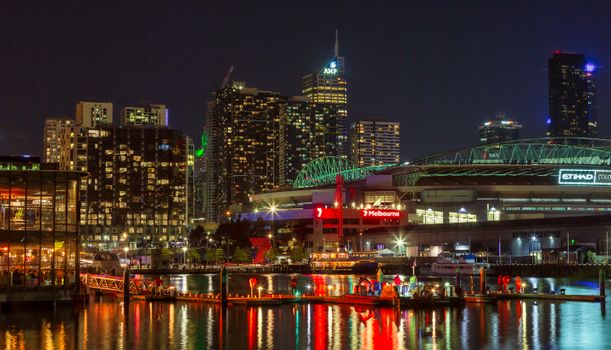
The food and coffee scene in Melbourne is legendary. From sophisticated fine dining to diverse ethnic eateries and an unparalleled café culture, it's a city where culinary exploration is a primary activity. Melbourne also has a deep passion for sports, hosting major events like the Australian Open (tennis) and the Formula 1 Australian Grand Prix, as well as being the spiritual home of Australian Rules Football.
If you appreciate a city with a strong sense of identity, a thriving arts scene, and a focus on quality food and drink, Melbourne will likely resonate more deeply.
Weather & Crowds: Planning Your Visit
Australia's seasons are opposite to the Northern Hemisphere. Summer is December to February, autumn is March to May, winter is June to August, and spring is September to November.
Sydney's Weather and Crowds
Sydney typically experiences warm, humid summers with average temperatures around 26°C (79°F), and mild winters with averages around 16°C (61°F). It generally receives more sunshine hours than Melbourne. Rainfall can occur year-round, but summer often sees short, heavy downpours. The shoulder seasons (spring and autumn) are often considered ideal, with pleasant temperatures and fewer crowds.
Crowds are largest during the peak summer months (December-February), especially around Christmas, New Year's Eve, and major events like Australia Day. Expect popular beaches and attractions to be very busy. Winter is quieter, but still pleasant for sightseeing.
Melbourne's Weather and Crowds
Melbourne is known for its "four seasons in one day" weather, meaning conditions can change rapidly. Summers are warm to hot (average 26°C / 79°F), but less humid than Sydney. Winters are cooler and often grey, with averages around 13°C (55°F). Melbourne experiences more rainfall days than Sydney, though total rainfall is often less.
Crowds in Melbourne can peak during major sporting events (e.g., Australian Open in January, Grand Prix in March) and festivals. The laneways and popular dining precincts are consistently busy, but the city rarely feels as overwhelmingly crowded as Sydney's iconic harbour areas during peak times. Spring and autumn offer comfortable weather for exploring the city on foot.
Getting Around: Navigating Each City
Sydney's Transport Network
Sydney's public transport network is extensive and well-integrated. The Opal card is your key to trains, buses, light rail, and importantly, the iconic ferries. Ferries are not just transport; they offer some of the best views of the harbour and its landmarks, connecting Circular Quay to places like Manly, Taronga Zoo, and Parramatta. Trains are efficient for longer distances, while buses cover local routes. Walking is highly recommended in areas like The Rocks and Darling Harbour.
From Sydney Airport (SYD), the Airport Link train offers a quick and direct connection to the city centre (approx. 13 minutes to Central Station).
Melbourne's Transport Network
Melbourne is famous for its extensive tram network, which is the largest urban tram network in the world. Within the city's Free Tram Zone, you can travel for free, making sightseeing in the CBD and Docklands very convenient. Beyond the free zone, you'll need a Myki card for trams, trains, and buses. The train network is excellent for reaching outer suburbs and regional areas.
Melbourne Airport (MEL) is served by the SkyBus, which provides express service to Southern Cross Station in the city centre (approx. 20-30 minutes).
Pro tip: In Sydney, consider purchasing a weekly Opal card or taking advantage of the Sunday travel cap for exploring multiple areas by ferry. In Melbourne, familiarise yourself with the Free Tram Zone map to maximise free travel within the city centre.
Food & Nightlife: Culinary and Evening Experiences
Sydney: Seafood, Views, and Rooftop Bars
Sydney's food scene often revolves around its stunning harbour and fresh seafood. You'll find world-class fine dining restaurants with incredible views, particularly around Circular Quay and Darling Harbour. Neighbourhoods like Surry Hills and Newtown offer a diverse range of international cuisines and trendy eateries. Fresh seafood markets, like the Sydney Fish Market, are a must-visit for food enthusiasts.
Nightlife in Sydney is vibrant, with a mix of sophisticated cocktail bars, lively pubs, and clubs. Rooftop bars offering panoramic city or harbour views are particularly popular. Areas like The Rocks, Darling Harbour, and Oxford Street (Darlinghurst) are known for their evening entertainment.
Melbourne: Café Culture, Laneway Dining, and Live Music
Melbourne is a true foodie city, renowned for its exceptional coffee and innovative dining. The city's laneways are packed with hidden gems, from hole-in-the-wall cafés to award-winning restaurants. Explore areas like Flinders Lane, Hardware Lane, and Degraves Street for a quintessential Melbourne culinary experience. The city's multicultural fabric is reflected in its diverse dining options, from authentic Italian in Carlton to Vietnamese in Richmond.
Melbourne's nightlife is equally diverse and often more understated than Sydney's. It's famous for its hidden speakeasy bars, sophisticated cocktail lounges, and a thriving live music scene spanning jazz, rock, and indie genres. Fitzroy and Collingwood offer a more bohemian vibe with independent bars and pubs, while the CBD has plenty of chic options.
Day Trips & Trip Length: Exploring Beyond the City
Sydney: Nature and Wine
From Sydney, some of Australia's most stunning natural and culinary experiences are within reach. The Blue Mountains, a UNESCO World Heritage site, are a popular day trip, offering dramatic landscapes, eucalyptus forests, and the iconic Three Sisters rock formation (approx. 1.5-2 hours by train or car). The Hunter Valley, one of Australia's oldest wine regions, is perfect for wine tasting tours (approx. 2 hours by car). For a taste of coastal glamour, a ferry to Palm Beach (known as 'Summer Bay' from Home and Away) is a relaxing option.
A recommended trip length for Sydney is 4-6 days. This allows sufficient time to explore the major city sights, enjoy a beach day, and take one significant day trip.
Melbourne: Coastal Drives and Wildlife
Melbourne offers equally compelling day trip opportunities. The Great Ocean Road is a world-famous scenic drive, featuring the Twelve Apostles rock formations, charming coastal towns, and lush rainforests (a full day trip, or even better, an overnight stay). The Yarra Valley is a renowned cool-climate wine region, ideal for cellar door visits and gourmet food experiences (approx. 1 hour by car). For wildlife enthusiasts, a trip to Phillip Island to see the Penguin Parade at sunset is unforgettable (approx. 2 hours by car).
Similarly, 4-6 days is a good duration for a Melbourne trip, providing time to immerse yourself in the city's culture and venture out for a memorable day trip.
Common Mistakes to Avoid
- Underestimating distances: Australia is vast. While Sydney and Melbourne are relatively close by Australian standards (approx. 1 hour 20 min flight), travel between them requires planning.
- Not booking popular attractions in advance: Especially for the Sydney Opera House tours, Sydney Harbour Bridge Climb, or popular restaurants in both cities, booking ahead is essential, particularly during peak season.
- Ignoring public transport: Both cities have excellent public transport. Relying solely on taxis or ride-sharing can become expensive.
- Forgetting sun protection: The Australian sun is strong year-round. Always wear sunscreen, a hat, and sunglasses, even on cloudy days.
- Not carrying a light jacket in Melbourne: Due to its changeable weather, always have an extra layer, even in summer.
Plan your trip
Whether you're drawn to Sydney's iconic harbour or Melbourne's cultural laneways, both cities offer unique and unforgettable experiences. Use Tripsora to build a personalised itinerary that perfectly matches your interests and budget.
Frequently asked questions
Is Sydney or Melbourne better for a first-time visitor to Australia?
For a first-time visitor seeking iconic landmarks, beaches, and a generally sunnier climate that aligns with many perceptions of Australia, Sydney often has a slight edge. However, if your interests lean more towards culture, food, and a vibrant urban atmosphere, Melbourne could be equally captivating.
Which city is more expensive, Sydney or Melbourne?
Both Sydney and Melbourne are among the more expensive cities globally. Sydney is generally considered slightly more expensive, particularly for accommodation in prime locations and some dining experiences, though costs in both cities are comparable.
How many days should I spend in Sydney and Melbourne?
For a comprehensive visit to each city, including major sights and one significant day trip, we recommend spending 4-6 days in Sydney and a similar 4-6 days in Melbourne. This allows for a good balance of exploration and relaxation.
Is it easy to travel between Sydney and Melbourne?
Yes, travelling between Sydney and Melbourne is very easy. The quickest option is a short flight, which takes approximately 1 hour and 20 minutes. There are also train and bus services available, offering a more scenic but longer journey.
Which city has better food, Sydney or Melbourne?
This is a highly debated topic, as both cities boast world-class food scenes. Melbourne is often praised for its deep-rooted café culture, diverse laneway dining, and innovative culinary experiences, while Sydney excels with its fresh seafood, waterfront dining, and international cuisine. Your preference will depend on your specific tastes.