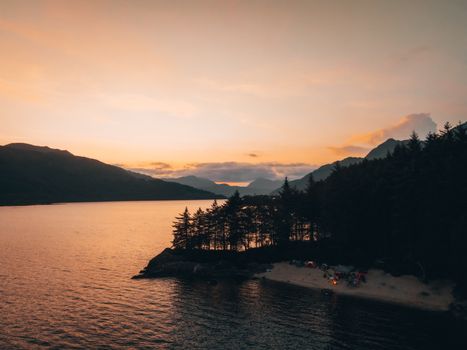
The midnight sun painted the sky in shades of tangerine and lavender, a surreal canvas stretching endlessly above the Norwegian fjord. A small group of us, bundled in sweaters despite the late hour, sat around a crackling bonfire, sharing stories and mugs of steaming cloudberry tea. The air hummed with a quiet reverence, a profound appreciation for the longest day, for life, for the sheer, unadulterated beauty of it all. There wasn’t a selfie stick in sight, no carefully staged flat lays, just raw, breathtaking moments.
This wasn't some influencer-curated 'experience' designed for maximum engagement. This was real. This was a secret, a moment I stumbled upon far from the polished feeds and sponsored posts that dominate our travel aspirations these days. And it got me thinking: what other incredible, soul-stirring summer solstice celebrations are out there, hidden from the glossy pages of travel magazines and the endless scroll of Instagram?
Let's be honest, the travel landscape has changed. What was once about discovery is now often about replication. We chase the same iconic shots, visit the same 'must-see' spots, all because someone with a million followers made it look good. But what if I told you there’s a whole world of magic happening every summer solstice that the influencers don’t want you to know about? Not because they're gatekeeping, but because these moments defy easy captioning, because their beauty lies in their authenticity, their local flavor, their untamed spirit.
I'm talking about places where ancient traditions still thrive, where communities gather not for likes, but for connection. Places where the longest day of the year is celebrated with fire, water, dance, and song, deeply rooted in history and local culture. If you’re ready to ditch the filters and embrace the truly unforgettable, then buckle up. Your next authentic adventure starts now.
1. The Arctic's Unsung Midnight Sun Feasts: Norway's Sommarøy
Everyone talks about the Northern Lights, but what about its equally mesmerizing counterpart? The Midnight Sun is a phenomenon that transforms life above the Arctic Circle, and during the summer solstice, it's at its most glorious. While Tromsø gets its fair share of visitors, the real magic, the truly local experience, lies in smaller, quieter communities.
My journey took me to Sommarøy, a picturesque island village outside Tromsø, aptly nicknamed "Summer Island." Here, life revolves around the sea and the endless daylight. Imagine: it's 2 AM, and the sun is still high in the sky, casting a golden glow over fishing boats bobbing gently in the harbor and quaint red houses clinging to the shore.
The Experience:
Locals here truly live by the midnight sun. During the solstice, it's not about a single event but a way of life. I joined a family for a traditional grilling (barbecue) on the beach, well past what would normally be bedtime. Kids played soccer, adults chatted, and the air was filled with the smell of grilled fish and the laughter of friends. We took a "midnight" boat ride, fishing under a fully lit sky, feeling completely disoriented yet utterly alive. There are no huge festivals, no designated viewing platforms – just pure, unadulterated enjoyment of nature's spectacle.
Why Influencers Miss It:
It's too quiet, too subtle, too… normal for their highly curated feeds. There's no dramatic 'event' to film, just the slow rhythm of life bathed in eternal light. It’s about being present, not performing.
Practical Tips for Your Arctic Solstice:
* Getting There: Fly to Tromsø (TOS), then rent a car or take a local bus (route 420) to Sommarøy. The drive itself is stunning.
* Accommodation: Sommarøy Arctic Hotel is a good option, but also look for local guesthouses or Airbnb rentals for a more authentic stay. Prices range from €100-€250 per night.
* What to Do: Go fishing, kayaking, hiking around the island. Visit the local shop for fresh seafood. Embrace the timelessness – sleep when you're tired, eat when you're hungry, regardless of the clock.
* Cost: Mid-range. Flights to Norway can be pricey, but daily expenses in smaller towns are manageable if you self-cater some meals. Expect €30-€50 for a good meal out.
* Local Secret: Ask around for local boat trips. Many fishermen are happy to take you out for a small fee, offering insights you won't find in guidebooks.
2. Kupala Night's Mystical Fires: A Village in the Polish Mazury Lakes
Moving southeast, we plunge into the heart of Slavic folklore with Kupala Night (Noc Kupały in Polish, Ivan Kupala Day in Ukrainian). While often celebrated around June 23rd/24th, its roots are deeply tied to the summer solstice, a pagan festival of fertility, water, and fire. Forget the big city celebrations; the true magic lies in the rural villages, particularly in the Mazury Lake District of Poland, or in the more remote parts of Ukraine.
I found myself in a small village near Mikołajki in Poland, drawn by whispers of ancient rituals. The air was thick with anticipation as dusk finally began to settle, a rarity for the long summer days. Girls in traditional dresses wove intricate flower wreaths, their laughter echoing through the fields.
The Experience:
As darkness fell (or as close to it as possible), massive bonfires were lit, their flames leaping against the twilight sky. The highlight was watching young couples, hand-in-hand, attempt to jump over the fires – a test of love and a cleansing ritual for good fortune. Girls floated their flower wreaths, often with candles, down the nearby river, hoping their future husbands would find them. The night was filled with ancient songs, dancing, and a palpable sense of community and magic. It felt like stepping into a fairytale, a world untouched by modern cynicism.
Why Influencers Miss It:
It's deeply traditional, often requiring knowledge of local customs and language. It's not about looking glamorous; it's about participating in a centuries-old ritual. The 'aesthetic' is rustic, earthy, and truly authentic, which doesn't always translate into a perfectly curated grid.
Practical Tips for Your Kupala Adventure:
* Getting There: Fly to Warsaw (WAW) or Gdańsk (GDN), then take a train or bus to a town like Mikołajki or Giżycko in Mazury. Renting a car offers more flexibility to explore smaller villages.
* Accommodation: Look for agrotourism (farm stays) or small guesthouses in the Mazury region. Expect to pay €40-€80 per night.
* What to Do: Ask locals about specific Kupala Night celebrations in smaller villages. Many communities organize events, but they're rarely advertised to tourists. Be respectful, observe, and if invited, participate. During the day, enjoy the beautiful lakes and forests.
* Cost: Budget-friendly. Poland is generally affordable. A hearty traditional meal can cost €10-€20.
* Local Secret: Learn a few basic Polish phrases ("Dzień dobry" - good morning, "Dziękuję" - thank you, "Czy jest tu jakaś Noc Kupały?" - Is there a Kupala Night celebration here?). This will open doors to genuine interactions.
3. The Andes' Quiet Reverence: Inti Raymi in an Ecuadorian Kichwa Community
Everyone knows about Inti Raymi in Cusco, Peru – a magnificent spectacle, but also a massive tourist magnet. For a truly authentic and less commercialized experience, head to the lesser-known Kichwa communities in the Ecuadorian Andes. Here, the celebration of the sun god, Inti, for the summer solstice (often called Pawkar Raymi or Inti Raymi depending on the community and specific focus) is a deeply personal and spiritual affair.
My personal journey led me to a small community near Otavalo, Ecuador, nestled high in the mountains. The air was thin and crisp, carrying the scent of eucalyptus and damp earth. This wasn't a performance; it was life.
The Experience:
The solstice here is a time of thanksgiving for the harvest and a renewal of energy. I witnessed a Pamba Mesa, a communal meal where food is laid directly on a large cloth on the ground, shared by everyone. People brought their own dishes – potatoes, corn, fava beans, quinoa – creating a vibrant tapestry of flavors. Later, I joined a procession to a sacred waterfall, where participants underwent a cleansing ritual, immersing themselves in the icy water to purify their spirits and connect with Pachamama (Mother Earth). The music, played on traditional panpipes and drums, was hypnotic, a rhythm that seemed to echo through the very mountains themselves.
Why Influencers Miss It:
It’s not about grand costumes or easily digestible 'cultural shows.' It’s about humble reverence, community participation, and a deep connection to the land. The beauty is in the shared humanity and the quiet power of tradition, not in flashy visuals.
Practical Tips for Your Andean Solstice:
* Getting There: Fly to Quito (UIO), then take a bus to Otavalo (about 2 hours). From Otavalo, local buses or colectivos can take you to surrounding Kichwa communities.
* Accommodation: Stay in a local hacienda or guesthouse outside Otavalo. Many offer cultural immersion experiences. Expect €30-€70 per night.
* What to Do: The key here is respectful engagement. Connect with local tour operators who work directly with communities (e.g., Runa Tupari in Otavalo) to ensure your visit is beneficial and respectful. Ask about specific solstice celebrations. Participate in communal meals and rituals if invited.
* Cost: Budget-friendly to mid-range. Ecuador is very affordable once you're there. Meals can be as little as €5-€15.
* Local Secret: Bring a small offering for Pachamama – a few coca leaves, flowers, or even just a genuine intention of respect. It shows you understand and appreciate their traditions.
4. Sardinia's Ancient Bonfires of San Giovanni: Alghero's Coastal Charm
When you think of Italy, you might picture Rome, Florence, or the Amalfi Coast. But for a truly unique summer solstice experience, turn your gaze to Sardinia, an island steeped in ancient traditions and wild beauty. While officially a Catholic celebration, the Feast of San Giovanni (St. John the Baptist) on June 24th has strong pagan roots, aligning perfectly with the summer solstice.
My journey took me to Alghero, a charming Catalan-influenced city on Sardinia's northwest coast. But it wasn't the city itself that held the secret; it was the nearby beaches and rural areas where local communities truly came alive.
The Experience:
As the sun dipped below the horizon, painting the Mediterranean in fiery hues, families and friends gathered on the beaches and in open fields. Huge bonfires were lit, crackling and spitting sparks into the darkening sky. Unlike a rowdy party, this felt like a communal ritual. People cooked on the embers, shared wine and food, and children played around the glowing fires. There's a tradition of jumping over the dying embers for good luck, a symbolic purification. The air was filled with the smell of woodsmoke, grilled seafood, and the salty sea breeze. It felt like a timeless gathering, a celebration of community and the earth's bounty.
Why Influencers Miss It:
It's too rustic, too local, too un-glamorous. There are no trendy beach clubs or designer outfits. It's about genuine connection, simple pleasures, and deep-rooted traditions that aren't easily packaged for a reel.
Practical Tips for Your Sardinian Solstice:
* Getting There: Fly to Alghero (AHO) or Cagliari (CAG) and rent a car to explore the island freely.
* Accommodation: Alghero offers a range of hotels and B&Bs (€70-€150/night). For a more secluded experience, look for agriturismo (farm stays) in the countryside near Alghero or further south near Oristano.
* What to Do: Ask locals in Alghero or your agriturismo hosts about nearby San Giovanni celebrations. Many are informal gatherings on local beaches or in village squares. Spend your days exploring Sardinia's stunning beaches, ancient Nuraghe ruins, and charming towns.
* Cost: Mid-range. Sardinia can be a bit pricier than mainland Italy, but local food markets and cooking your own meals can save money. Expect €20-€40 for a good dinner.
* Local Secret: Look for wild herbs gathered on San Giovanni's Eve. Locals believe they have special healing properties when collected at this time. Participate in a local herb-gathering walk if you can find one!
5. Scotland's Ancient Whisper: The Outer Hebrides' Standing Stones
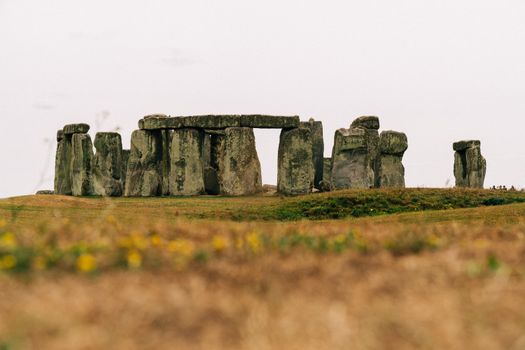
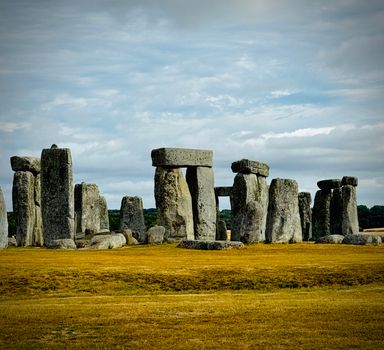
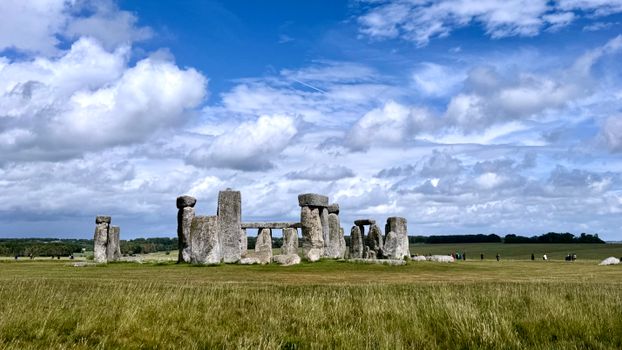
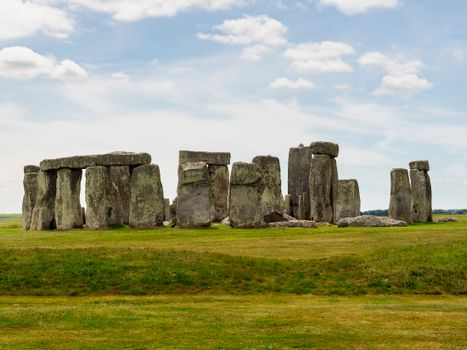
Forget the crowds at Stonehenge. For a truly mystical and solitary summer solstice experience, head to the wild, windswept Outer Hebrides of Scotland. Here, ancient standing stones predate even the pyramids, and on the longest day, they stand as silent witnesses to millennia of human reverence for the sun.
My journey to the Isle of Lewis felt like a pilgrimage. The landscape was raw, untamed, and utterly captivating. The air was clean, carrying the scent of peat and sea spray, and the silence was profound.
The Experience:
I arrived at the Callanish Stones (Calanais), a magnificent stone circle, at dawn on the solstice. There were only a handful of other people – mostly quiet, respectful individuals, some meditating, others simply absorbing the energy of the place. The sun, even at its highest point, cast long, dramatic shadows, making the stones feel alive, imbued with ancient power. It wasn't a party; it was a profound, personal connection to history, to the earth, and to the cosmos. Later, I explored other, even smaller stone circles and cairns scattered across the islands, finding complete solitude and a sense of timelessness that no Instagram reel could ever capture.
Why Influencers Miss It:
It's too remote, too rugged, too weather-dependent. The beauty is subtle, requiring patience and an appreciation for vast, wild landscapes. It's about introspection, not exhibition.
Practical Tips for Your Hebridean Solstice:
* Getting There: Fly to Stornoway (SYY) on the Isle of Lewis, or take a ferry from Ullapool to Stornoway. Renting a car is essential for exploring the islands.
* Accommodation: Guesthouses, B&Bs, and self-catering cottages are available across Lewis and Harris (€60-€120/night). Book well in advance, especially for the solstice.
* What to Do: Visit the Callanish Stones at sunrise or sunset on the solstice for a magical experience. Explore other ancient sites like the Carloway Broch and the many smaller standing stones. Hike, birdwatch, and simply immerse yourself in the dramatic scenery.
* Cost: Mid-range. Flights and ferries can add up, but accommodation and food are reasonable. Expect €15-€30 for a pub meal.
* Local Secret: Pack layers! Even in summer, the Hebrides weather can be unpredictable. And bring a good map; phone signal can be spotty in remote areas.
6. Japan's Summer Purification: Nagoshi no Harae at a Local Shrine
While Japan's summer is often associated with fireworks and bustling festivals, there's a quieter, deeply spiritual celebration linked to the summer solstice: Nagoshi no Harae (Summer Purification Ritual). Often held around June 30th, this Shinto ceremony marks the halfway point of the year, cleansing participants of impurities accumulated in the first half and praying for good health in the latter. It's a profound cultural experience that most tourists, and certainly most influencers, completely overlook.
I sought out a small, local shrine in the countryside outside Kyoto, far from the iconic temples and gardens that draw the crowds. It was a humble place, surrounded by lush greenery, its wooden structures weathered by time.
The Experience:
The ritual involves walking through a large chinowa (a ring made of woven cogon grass), which symbolizes purification and warding off evil. I watched as locals, dressed in everyday clothes, quietly queued, bowed, and passed through the ring, often reciting prayers. There was no fanfare, no elaborate spectacle, just a simple, deeply meaningful act of spiritual renewal. Afterward, I observed the burning of katashiro (paper human figures onto which impurities are symbolically transferred). The quiet dignity and sincerity of the participants were incredibly moving. It was a beautiful glimpse into the spiritual heart of Japan, away from the tourist gaze.
Why Influencers Miss It:
It's not flashy, visually dramatic, or easily 'content-ified.' It's a solemn, personal, and profoundly cultural event that requires respect and understanding, not just a quick photo op.
Practical Tips for Your Japanese Purification:
* Getting There: Fly to Osaka (KIX) or Tokyo (NRT/HND), then take the Shinkansen (bullet train) to Kyoto. From Kyoto, use local trains or buses to reach smaller towns and their shrines.
* Accommodation: Stay in a traditional ryokan or guesthouse in a smaller town outside Kyoto (e.g., Uji or Kurama) for a more authentic experience. Expect €80-€150 per night.
* What to Do: Research local Shinto shrines (jinja) in quieter areas around Kyoto or other cities. Many smaller shrines will hold Nagoshi no Harae. Look for dates around June 30th. Observe respectfully. Explore the surrounding nature, visit local tea houses, and enjoy the tranquility.
* Cost: Mid-range to high. Japan can be expensive, but careful budgeting and utilizing local eateries can help. Expect €10-€25 for a meal.
* Local Secret: Before visiting a shrine, learn basic shrine etiquette: bow before entering the torii gate, purify your hands and mouth at the temizuya, and offer a small coin before praying.
Beyond the Screen: The True Value of Solstice Secrets
These aren't just destinations; they're experiences. They challenge the notion that travel needs to be validated by likes or perfectly filtered photos. The true value lies in the stories you collect, the connections you make, and the profound sense of wonder that comes from witnessing traditions that have endured for centuries.
The summer solstice, the longest day of the year, is a powerful moment across cultures. It's a time for celebration, reflection, and renewal. By seeking out these authentic, off-the-beaten-path experiences, you're not just traveling; you're participating in something ancient and deeply human. You're creating memories that will resonate far longer than any fleeting Instagram trend.
So, this summer, dare to venture beyond the curated feeds. Turn off your phone, open your mind, and let the magic of the longest day lead you to places influencers don't want you to know – because they're too precious to be commodified.
Ready to uncover your own solstice secret? Which of these destinations calls to your adventurous spirit? Share your thoughts in the comments below, or better yet, plan your trip and tell us about your unfiltered experience!
---