Solo Travel Safety: 2025's Expert Hacks to Explore Fearlessly!
The crisp autumn air of November 2025 always makes me nostalgic. It takes me back to my very first solo trip – a whirlwind month through Southeast Asia, armed with a beat-up backpack, a slightly-too-optimistic budget, and a whole lot of naive excitement. I remember one evening, trying to navigate a bustling night market in Chiang Mai, Thailand. My phone battery died, I was hopelessly lost, and the language barrier felt like an insurmountable wall. Panic started to bubble. But then, a kind local, noticing my distress, patiently guided me back to a main road. It was a small moment, but it taught me a crucial lesson: solo travel is an incredible journey of self-discovery, but it also demands a proactive approach to safety.
Fast forward to today, and solo travel is booming like never before. With advancements in tech and a growing community of experienced globetrotters, exploring the world on your own terms is more accessible – and safer – than ever. But "safer" doesn't mean "risk-free." That's why I've tapped into the collective wisdom of seasoned solo adventurers, security experts, and travel tech innovators to bring you the definitive guide to solo travel safety hacks for November 2025. These aren't just tips; they're your personal toolkit for an unforgettable, secure, and truly liberating adventure.
1. The Digital Fortification: Your Pre-Trip Tech & Info Command Center
In 2025, your digital preparedness is as vital as your passport. Before you even pack your first sock, set up your digital safety net.
Actionable Hacks:
- Cloud-Based Document Vault: Scan and upload copies of your passport, visa, flight tickets, hotel bookings, travel insurance, and driver's license to a secure cloud service (like Google Drive, Dropbox, or a dedicated travel app like TripIt Pro which now offers enhanced security features for document storage). Crucially, ensure offline access. I once had my physical documents stolen in Barcelona – a nightmare that was instantly mitigated because I had everything backed up and accessible on my phone, allowing me to quickly get temporary replacements at the embassy.
- Emergency Contact Ecosystem: Program ICE (In Case of Emergency) numbers into your phone. Go a step further: create a shared Google Doc or similar with your emergency contacts, your itinerary, copies of your documents, and any medical information, and share it with 2-3 trusted individuals back home. Update them regularly. My sister always knows my general whereabouts, and it gives both of us peace of mind.
- Cybersecurity First: Public Wi-Fi is still a minefield. Invest in a reliable VPN (Virtual Private Network) like NordVPN or ExpressVPN. Always use it when connecting to public networks in airports, cafes, or hostels. This encrypts your data, protecting your banking details and personal information from prying eyes. Also, ensure two-factor authentication (2FA) is enabled on all your critical accounts (email, banking, social media).
- Smart Travel Insurance (2025 Edition): Don't skimp on this. Look for policies that cover not just medical emergencies and trip cancellations, but also lost luggage, personal liability, and even, increasingly, mental health support. Some providers like SafetyWing now offer flexible, subscription-based plans perfect for long-term solo travelers, with real-time claim processing via their mobile apps. Always read the fine print!
- Offline Maps & Translators: Download offline maps for your destination on Google Maps or Maps.me before you leave. Similarly, download language packs for Google Translate. When my phone died in Chiang Mai, an offline map would have been a godsend. These tools are invaluable when you're without data or Wi-Fi, which happens more often than you think in remote areas or even just navigating subway systems.
2. The Intuitive Navigator: Trusting Your Gut & Reading the Room
Your intuition is your most powerful safety tool. In November 2025, amidst all the tech, don't forget to hone your innate awareness.
Actionable Hacks:
- Situational Awareness 101: This is paramount. Pay attention to your surroundings. Who's around you? What's the general vibe? Avoid walking with headphones blaring or constantly staring at your phone, especially at night or in crowded areas. When I was exploring the vibrant souks of Marrakech, I made sure to keep my phone tucked away and my senses alert. This helped me not only appreciate the chaos but also spot potential pickpockets more easily.
- Trust Your Gut Instinct: If a situation, person, or place feels "off," it probably is. Don't second-guess yourself to be polite or avoid seeming paranoid. Excuse yourself, walk away, or change your plans. I once booked a cheap hostel in Budapest that felt incredibly sketchy upon arrival. Despite having paid, I immediately found another place. It cost me a bit more, but the peace of mind was priceless. Listen to that little voice inside!
- Blend, Don't Brandish: Try to blend in with local dress codes and customs. Avoid flashy jewelry, expensive cameras dangling around your neck, or openly counting large sums of cash. Research local etiquette for greetings, gestures, and even eye contact. In many conservative cultures, dressing modestly can significantly reduce unwanted attention, especially for solo female travelers. I always pack a versatile scarf – it can cover shoulders in temples, act as a head covering, or even just add a layer for warmth.
- Scam Savvy: Be aware of common scams in your destination. These range from "friendly" strangers offering unsolicited help (often a distraction for pickpockets) to inflated taxi fares or fake tour guides. A quick online search for "[city name] common tourist scams" before you arrive can save you a lot of hassle and money. I learned this the hard way with a "broken" taxi meter in Rome!
- Social Engineering Awareness: In 2025, be wary of overly friendly strangers who try to extract personal information or invite you to secluded places. While genuine kindness exists, solo travelers are sometimes targeted. Keep personal details vague, and always meet new acquaintances in public, well-lit areas.
3. Smart Stays & Secure Streets: Accommodation & Transportation Mastery
Where you sleep and how you move around are critical safety considerations.
Actionable Hacks:
- Strategic Accommodation Choices:
- Read Reviews, Critically: Don't just look at the star rating. Dive into the reviews, specifically mentioning "solo traveler," "safety," "neighborhood," and "noise." I always filter for these terms on Booking.com or Hostelworld.
- Location, Location, Location: Choose accommodations in well-lit, central, and reputable neighborhoods, even if it costs a little more. Check the proximity to public transport. Use Google Street View to virtually "walk" around the area at different times of day.
- Security Features: Look for places with 24/7 reception, secure entry systems (key cards, codes), and lockers for your valuables. Many hostels now offer women-only dorms, which can add an extra layer of comfort for solo female travelers.
- Check-in Protocol: Inform someone of your arrival time and accommodation details. If arriving late, ensure the reception will be open or there's a clear self-check-in process.
- Transportation Tactics:
- Reputable Ride-Shares & Taxis: Stick to official taxi stands or reputable ride-sharing apps like Uber or Grab (dominant in Southeast Asia). Always verify the driver and vehicle matches the app details. Share your trip with a trusted contact. In some countries, women-only taxi services are emerging; research if available at your destination.
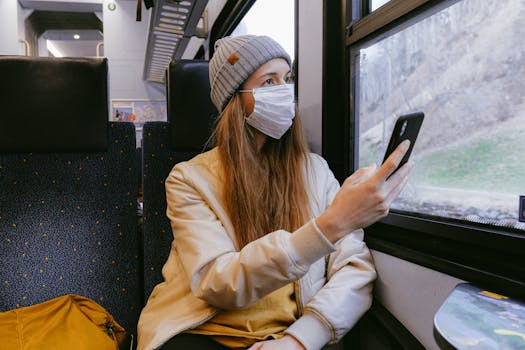
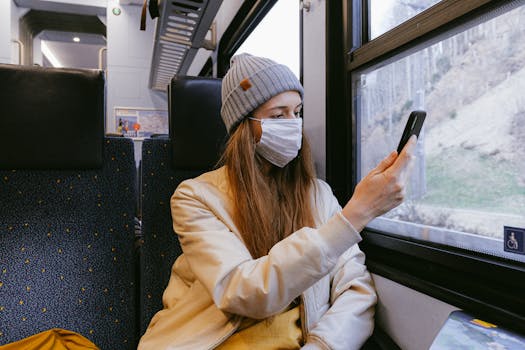
- Public Transport Prowess: Public transport is often the most authentic and cost-effective way to get around. Learn the routes, peak hours, and avoid deserted stations or carriages late at night. Keep your belongings secure and close to your body. I've navigated countless subway systems, from Tokyo to London, and found them incredibly efficient and safe during the day.
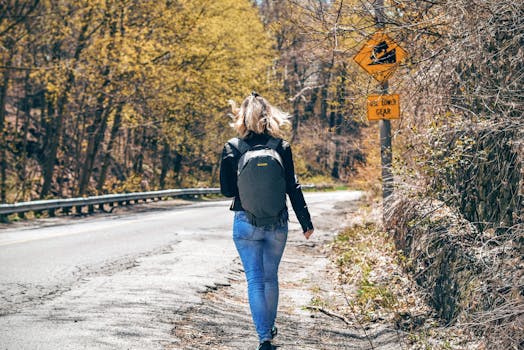
- Walking Smart: Plan your walking routes, especially at night. Stick to well-lit, populated streets. If you feel uncomfortable, duck into a shop or restaurant. Avoid shortcuts through dark alleys.
- Rental Car Caution: If renting a car, ensure it's from a reputable company, fully insured, and you're comfortable driving in local conditions. Always keep doors locked and valuables out of sight.
4. The Connected Traveler: Communication & Emergency Lifelines
Staying connected isn't just for sharing Instagram stories; it's a vital safety net.
Actionable Hacks:
- Local SIM or eSIM for Seamless Connectivity: This is non-negotiable in 2025. A local SIM card or an eSIM (via apps like Airalo or Holafly) ensures you have data for maps, emergency calls, and staying in touch. It's often cheaper than roaming and provides a local number. The moment I land, my first priority is getting connected.
- Portable Power Bank (High Capacity): Always carry a fully charged power bank, preferably one that can charge your phone multiple times. My Anker PowerCore 20000mAh has saved me from dead phone disasters more times than I can count, especially during long travel days or unexpected detours.
- Emergency App & Features:
- Local Emergency Numbers: Know the local equivalent of 911/999. Save it to your favorites.
- "Find My" Feature: Ensure your phone's "Find My" (iOS) or "Find My Device" (Android) feature is enabled. Share your location with trusted contacts.
- Personal Safety Apps: Apps like Noonlight (for the US, but similar services exist globally) allow you to hold a button and release it if you feel unsafe, alerting authorities if you don't cancel within a set time. Research local equivalents for your destination.
- Offline Messaging: Apps like WhatsApp or Signal allow you to send messages even with weak internet. Before leaving, establish a daily check-in routine with a friend or family member back home.
- Physical Backup: Don't rely solely on your phone. Carry a small, discreet whistle for emergencies. Write down critical emergency numbers and addresses (embassy, hotel, local police) on a small card and keep it in a separate pouch from your phone.
5. Self-Care & Self-Defense: Protecting Your Body & Mind
Solo travel is exhilarating, but it can also be physically and mentally demanding. Prioritizing your well-being is a safety hack in itself.
Actionable Hacks:
- Basic Self-Defense Knowledge: While I don't advocate for confronting danger, knowing a few basic self-defense moves can boost your confidence and potentially deter an attacker. Consider a short course before you leave. Even just knowing how to create distance or strike vulnerable points can be empowering.
- First Aid Kit Essentials: A small, well-stocked first aid kit is a must. Include band-aids, antiseptic wipes, pain relievers, allergy medication, any prescription meds, and rehydration salts. A minor cut or headache can quickly dampen your spirits if you're unprepared. I always carry a small tube of hydrocortisone cream – insect bites are no joke!
- Stay Hydrated & Nourished: It sounds basic, but dehydration and hunger can impair judgment and make you more vulnerable. Carry a reusable water bottle and fill it up regularly. Eat regular, balanced meals.
- Listen to Your Body: Don't push yourself too hard. Fatigue makes you less alert. Schedule rest days. If you're feeling overwhelmed or homesick, it's okay to take a break, call a loved one, or simply spend a day relaxing at your accommodation. Mental well-being is a critical part of overall safety.
- Alcohol & Substance Awareness: While enjoying local nightlife is part of the experience, moderation is key, especially when traveling solo. Never leave your drink unattended. Be aware that alcohol affects you differently at altitude or with jet lag. Avoid illegal substances entirely.
6. The Culturally Conscious Explorer: Respect & Awareness
Being a respectful and informed traveler not only enriches your experience but also enhances your safety.
Actionable Hacks:
- Learn Basic Phrases: A few words in the local language (hello, thank you, excuse me, where is, help) can go a long way in showing respect, navigating simple interactions, and even de-escalating tense situations. "Bonjour" in Paris or "Khop Khun Ka" in Thailand can open doors to kindness.
- Research Cultural Norms: Understand local customs, gestures, and social etiquette. What's considered polite in one country might be offensive in another. For instance, pointing with your foot in Thailand or showing the soles of your feet is highly disrespectful. Being aware minimizes misunderstandings and helps you integrate more smoothly.
- Dress Appropriately: As mentioned before, research local dress codes, especially when visiting religious sites. Carrying a versatile scarf is a great hack for quickly covering shoulders or heads when needed. Modesty often equals respect and can reduce unwanted attention.
- Observe and Adapt: Watch how locals interact. How do they dress? How do they carry themselves? Mimicking these subtle cues can help you blend in and feel more comfortable.
- Support Local, Responsibly: Engage with local businesses, guides, and communities ethically. This not only provides a more authentic experience but also helps you build positive connections and potentially gain local insights or assistance if needed.
7. 2025's Cutting-Edge Safety Tech: Beyond the Basics
The future of solo travel safety is here, with innovations making journeys smoother and more secure.
Actionable Hacks:
- Smart Wearables with Emergency Features: Your smartwatch (Apple Watch, Garmin, Fitbit) isn't just for fitness. Many now boast fall detection, emergency SOS features that can alert pre-selected contacts or local emergency services, and even GPS tracking. Ensure these are set up before you depart.
- AI-Powered Travel Assistants: Apps like WanderSafe or evolving features within Google Travel are leveraging AI to provide real-time safety advisories based on your location, local news, and even historical crime data. Imagine getting an alert that a particular street has increased petty crime after dark, specific to the current week.
- Portable Smart Locks & Alarms: Forget flimsy padlock. Compact, portable smart locks with Bluetooth connectivity and alarm functions can secure your hostel locker, hotel room door, or even your backpack. Some even notify your phone if tampered with. I recently invested in a Bollard Smart Lock for my hostel dorms, and it offers incredible peace of mind.
- Secure Digital Identity Wallets: Beyond just document copies, 2025 is seeing the rise of more sophisticated digital identity solutions. These encrypt and store your ID, payment methods, and health cards, allowing for quick, secure access without needing to carry all your physical cards. Ensure you choose a reputable, encrypted provider.
- Satellite Messengers for Off-Grid Adventures: If your solo journey takes you truly off the beaten path (think remote hiking, wilderness camping), consider a satellite messenger like a Garmin inReach Mini 2. These devices allow two-way messaging and SOS calls even when completely out of cell service, a literal lifesaeline for extreme solo adventurers.
Your Solo Journey Awaits: Empowered and Safe
Solo travel is an unparalleled opportunity for growth, freedom, and discovery. It pushes you out of your comfort zone, introduces you to incredible people, and allows you to craft an itinerary that is uniquely yours. With these expert-backed safety hacks for November 2025, you're not just preparing for potential challenges; you're empowering yourself to embrace every moment with confidence.
Remember, safety isn't about fear; it's about freedom. The freedom to explore that hidden alleyway cafe, to strike up a conversation with a local, to venture further off the beaten path, knowing you have a robust safety net.
So, go ahead. Book that flight. Plan that adventure. The world is waiting, and you are ready.
What's your go-to solo travel safety hack? Share your wisdom in the comments below! Let's build a community of empowered, safe travelers.
---