Hey fellow wanderers and aspiring solo adventurers!
You’ve scrolled through the feeds, haven’t you? The impossibly chic influencer, effortlessly sipping an oat milk latte in a sun-drenched cafe in Bali, their designer backpack casually propped beside them. Or perhaps they’re striking a yoga pose against a pristine mountain backdrop, looking like they just stepped out of a magazine, without a single hair out of place. It’s inspiring, it’s beautiful, and let’s be honest – it’s often a carefully curated illusion.
Because what those glossy posts don’t show you are the real-life moments: the frantic search for a working outlet when your phone is at 2% and you’re lost in a foreign city; the sheer discomfort of a 12-hour bus ride next to a snoring stranger; the anxiety of navigating a bustling night market with your passport in an easily accessible pocket. Solo travel is incredibly liberating, transformative, and empowering, but it’s also gritty, unpredictable, and sometimes, a little messy.
I learned this the hard way on my very first solo trip through Southeast Asia. Picture this: I’m in a remote village in Laos, miles from the nearest ATM, my only travel credit card is suddenly declined, and my phone, my only translator and map, is dead. Panic set in. Hard. That day taught me a profound lesson: while the aesthetics are fun, it’s the functionality of your gear that truly makes or breaks a solo adventure.
So, forget the trendy travel outfits that wrinkle after one wear, or the oversized straw hats that are impossible to pack. Today, we’re talking about the real game-changers. These are the unsung heroes of my backpack, the trusty companions that have saved my skin, sanity, and budget countless times. These are the solo travel gear secrets that Instagram influencers often gloss over, but every seasoned solo traveler absolutely swears by.
Let's dive in!
1. The Unseen Guardian: Smart Safety & Security Gear
When you're traveling solo, your personal safety and the security of your belongings are paramount. While a fashionable crossbody bag might look great, does it offer genuine peace of mind in a crowded market in Marrakech or during a late-night stroll in Rome? Probably not.
What to get:
- Anti-Theft Backpack/Bag: This is non-negotiable. Look for features like slash-proof material, lockable zippers, RFID-blocking pockets, and hidden compartments. My personal go-to is anything from Pacsafe. Their Venturesafe series offers robust protection without looking overly bulky or like a "tourist target." I’ve used their 25L backpack (around $100-$150) for years, from navigating the bustling streets of Ho Chi Minh City to hiking through the Dolomites. Knowing my valuables are secure allows me to relax and immerse myself fully in the experience.
- Personal Safety Alarm: This tiny device can be a lifesaver. Brands like Birdie+ or She's Birdie (around $25-$35) offer discreet, stylish alarms that emit a piercing sound to deter attackers and attract attention. I carry one clipped to my keys, especially when walking alone at night or through less populated areas. It’s a small investment for a huge boost in confidence.
- RFID-Blocking Wallet/Pouch: Skimming is a real threat. An RFID-blocking wallet (you can find good ones for $15-$40) protects your credit cards and passport from electronic theft. I also use a flat, under-clothing money belt or neck pouch for my passport and emergency cash – the kind that lies flat against your skin and is completely invisible. Forget the bulky fanny pack; this is about discreet security. I remember being in a particularly crowded train station in Barcelona, feeling a slight tug on my backpack. Thanks to my Pacsafe, nothing was compromised, but it reinforced the need for vigilance and good gear.
Why influencers don't show it:
It's not glamorous. A slash-proof bag isn't as "aesthetic" as a trendy canvas tote, and a personal alarm doesn't fit the "effortlessly chic" narrative. But trust me, security allows you to truly enjoy your solo journey without constant worry.
2. The Lifeline Extender: Power & Connectivity Essentials
In the digital age, your phone isn't just a communication device; it's your map, translator, camera, boarding pass, and emergency contact. Running out of battery or losing signal can quickly turn a minor inconvenience into a major headache, especially when you’re navigating alone.
What to get:
- High-Capacity Portable Power Bank: This is my number one essential. I carry an Anker PowerCore 20000mAh (around $50-$70). It’s capable of charging my iPhone 13 Pro almost 4-5 times, and my Kindle twice. This has saved me countless times – from my phone dying mid-navigation in a remote corner of Patagonia to needing to contact family after a delayed flight in Frankfurt. Always keep it charged!
- Universal Travel Adapter with USB Ports: Don’t bother with multiple adapters. A good universal adapter (like the EPICKA Universal Travel Adapter, around $20-$30) covers all major plug types and includes multiple USB ports, so you can charge your phone, power bank, and e-reader simultaneously from a single outlet. This is a godsend in hostels with limited outlets or when you only have a short layover.
- eSIM Card (e.g., Airalo): Ditch the hassle of buying local SIM cards in every country. An eSIM app like Airalo allows you to purchase local data plans digitally before you even land. It’s a game-changer for instant connectivity upon arrival, especially when you need to call a ride-share or look up directions immediately. Data plans vary by country, but they are generally very competitive and convenient. I used Airalo extensively during my recent trip through Japan, and it was seamless, keeping me connected from Tokyo to Kyoto.
Why influencers don't show it:
They probably have a team managing their tech, or they're always near charging points in luxury hotels. But for the independent solo traveler, these tools are pure freedom.
3. The Comfort Commander: Hygiene & Wellness on the Go
Solo travel means embracing varied accommodations, from budget hostels to boutique hotels, and sometimes, even camping. Staying fresh, comfortable, and healthy can significantly impact your overall experience.
What to get:
- Quick-Drying Microfiber Towel: Forget bulky cotton towels. A PackTowl Personal towel (around $25-$40) is lightweight, super absorbent, and dries in a flash. Essential for hostels that don't provide towels, spontaneous dips in a lake, or just needing a quick dry after a shower. I’ve used mine everywhere from a grimy hostel bathroom in Budapest to drying off after a swim in the Adriatic Sea.
- Solid Toiletries (Shampoo/Conditioner Bars, Solid Sunscreen): These are godsends for minimalist packing and avoiding liquid restrictions. Brands like Ethique or Lush offer fantastic shampoo, conditioner, and even body wash bars (around $15-$20 each) that last ages and take up minimal space. Pair them with a solid sunscreen stick, and you’ll eliminate several bulky bottles. Less weight, less mess, more space for souvenirs!
- Quality Sleep Mask & Earplugs: A good night's sleep is crucial for solo travel energy. I swear by the Manta Sleep Mask (around $35) for total blackout and Loop Earplugs (around $30-$40) for noise cancellation. They've saved me from noisy hostel dorms, crying babies on planes, and street sounds outside my window in bustling cities like Rome. Being well-rested makes all the difference in your mood and energy levels.
- Compact First-Aid Kit: A small kit with band-aids, antiseptic wipes, pain relievers, anti-diarrhea meds, and any personal prescriptions. Brands like Adventure Medical Kits offer travel-specific versions (around $20-$50). I once got a nasty blister trekking in Slovenia, and my tiny kit saved me from cutting my hike short.
Why influencers don't show it:
Let's be real, a quick-drying towel isn't as glamorous as a fluffy hotel robe, and earplugs aren't exactly haute couture. But these items ensure you're clean, rested, and ready to tackle the day, no matter where you lay your head.
4. The Navigator's Secret Weapon: Offline Maps & Digital Savvy
Getting lost is part of the adventure, but getting dangerously lost or missing a crucial connection because of a lack of signal or language barrier? Not so much fun. These digital tools are your best friends.
What to get:
- Offline Maps (Maps.me, Google Maps): Before you venture out, download offline maps of your destination on Maps.me or Google Maps. This is crucial for navigating without data or Wi-Fi. I’ve been able to find my way through labyrinthine alleyways in Kyoto and hike remote trails in Patagonia, all thanks to pre-downloaded maps. It's truly empowering to know you can always find your way back.
- Offline Translator (Google Translate): Download languages for offline use on the Google Translate app. This has saved me from awkward situations and helped me connect with locals in places where English wasn't common, from ordering food in Vietnam to asking for directions in rural Spain. The camera translation feature is also magic for menus!
- Cloud Storage for Important Documents: Scan and upload copies of your passport, visa, flight tickets, and insurance details to a secure cloud service like Dropbox or Google Drive. Also, email copies to yourself and a trusted contact. If your physical documents are lost or stolen, you’ll have immediate access to digital copies, which greatly speeds up the replacement process. I once had my wallet stolen in Buenos Aires, and having digital copies of my cards and ID was a lifesaver for reporting and cancellation.
Why influencers don't show it:
Their content is often about being there, not the logistical complexities of getting there or navigating. They likely have guides or drivers, or simply don't highlight the practical tools that make their seamless travel possible.
5. The Packing Magician: Organization & Space-Saving Hacks
The art of packing well is a solo traveler's superpower. Every inch and every ounce counts, especially when you're carrying everything on your back. These items transform your packing game.
What to get:
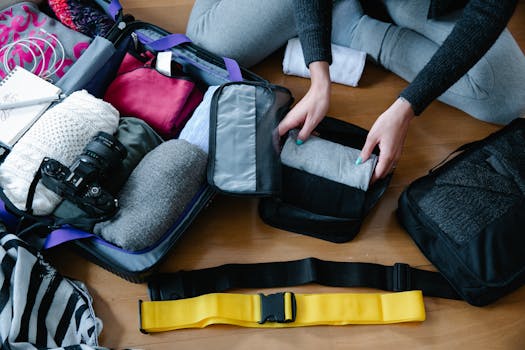
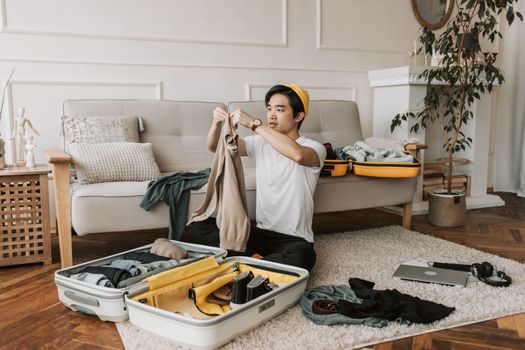
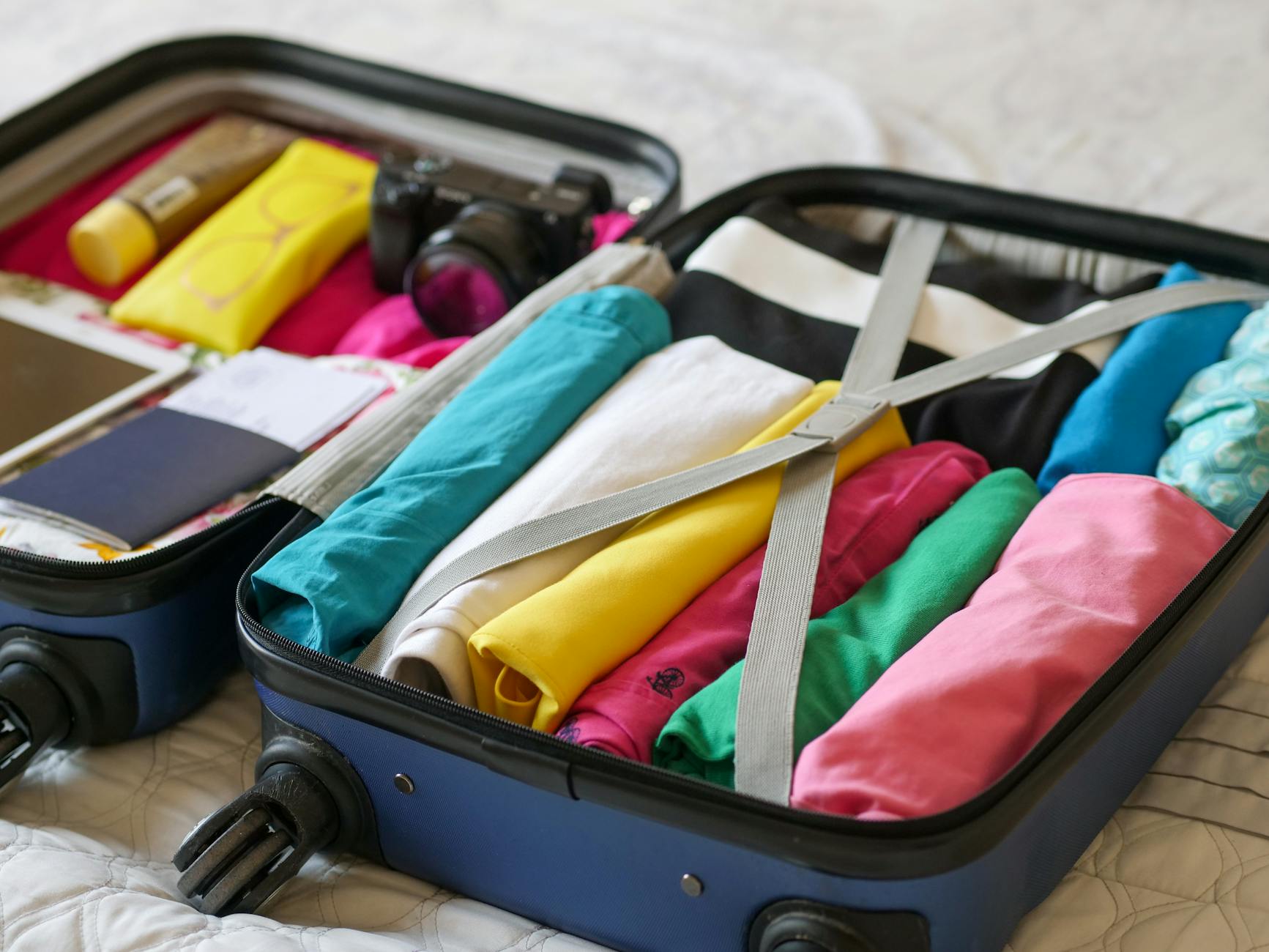
- Packing Cubes: If you take one piece of advice from this entire post, let it be this: get packing cubes! They are revolutionary. I use a set from Eagle Creek (around $30-$60 for a set). They compress your clothes, keep them organized, and make finding specific items a breeze. No more rummaging through a messy backpack! On a multi-city trip through Thailand, I could instantly find my swimsuit for the beach in Krabi, then switch to my hiking gear for Chiang Mai, all without unpacking my entire bag.
- Compression Sacks: For bulkier items like jackets or sleeping bags (if you’re camping), compression sacks can reduce their volume significantly. They’re less structured than packing cubes but excellent for maximizing space.
- Multi-Purpose Items: Think creatively. A large sarong or travel blanket (around $15-$30) can be a towel, a beach cover-up, a scarf for modesty in temples, a picnic blanket, or even an extra layer on a chilly flight. A travel laundry bag (or even a pillowcase) helps separate dirty clothes.
- Small Dry Bag: A small, lightweight dry bag (around $15-$25) is invaluable for protecting electronics from rain, keeping wet swimsuits separate, or even serving as an impromptu cooler. I’ve used mine to keep my phone safe during unexpected downpours in Costa Rica and while kayaking in Vietnam.
Why influencers don't show it:
Packing cubes are functional, not flashy. Their perfectly styled outfits appear magically in their luggage, but the reality is meticulous organization.
6. The Quiet Companion: Personal Entertainment & Mindfulness
Solo travel often involves significant downtime: long bus rides, airport layovers, quiet evenings alone. While connecting with others is fantastic, having personal ways to relax, learn, or simply be present is equally important.
What to get:
- E-Reader (e.g., Kindle Paperwhite): A Kindle Paperwhite (around $130-$190) is lightweight, holds thousands of books, and has a battery that lasts weeks. It’s perfect for long journeys, quiet evenings, or just unwinding after a busy day of sightseeing. I've devoured countless books on buses across Vietnam and during rainy days in Irish pubs. It’s a wonderful way to escape and recharge.
- Noise-Canceling Earbuds/Headphones: Beyond just blocking out noise for sleep, a good pair of noise-canceling earbuds (like Sony WF-1000XM4 or AirPods Pro, around $200-$280) can transform a noisy flight or bus ride into a peaceful sanctuary for listening to music, podcasts, or audiobooks. They help create your personal bubble, which is incredibly valuable for solo travelers.
- Travel Journal & Pen: Sometimes, the best way to process your experiences is to write them down. A simple notebook and pen are low-tech but incredibly powerful. It's a space for reflection, gratitude, and capturing memories that photos can't. I look back at my journals from years ago, and they bring me right back to the smells, sounds, and feelings of those moments.
Why influencers don't show it:
They’re often focused on the external experience – the view, the activity. But true solo travel also involves rich internal experiences, and these tools facilitate that introspection and personal enjoyment.
Beyond the Filter: Embrace the Real Adventure
There you have it – the real solo travel gear that changes everything. These aren't the items that will get you the most likes on Instagram, but they are the ones that will empower you, keep you safe, comfortable, and connected, and ultimately, allow you to have a richer, more authentic solo travel experience.
Solo travel is about freedom, discovery, and self-reliance. Equipping yourself with the right tools isn't about being overly cautious; it's about being smart, prepared, and ready for anything the road throws your way. It’s about building confidence and knowing you can handle whatever comes, so you can truly soak in every moment, every landscape, and every unexpected encounter.
So, next time you’re packing for your solo adventure, think beyond the aesthetics. Prioritize practicality, safety, and comfort. Your future self, navigating a bustling market or enjoying a peaceful sunset, will thank you.
What are YOUR unsung solo travel gear heroes? Share your indispensable items and secret tips in the comments below! Let's build a community of savvy, prepared solo travelers.
---