The Hook: A Symphony of Spice and Stone
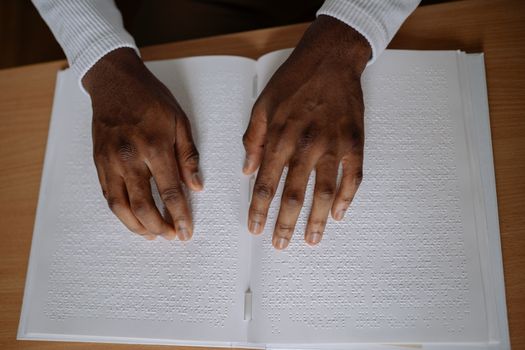
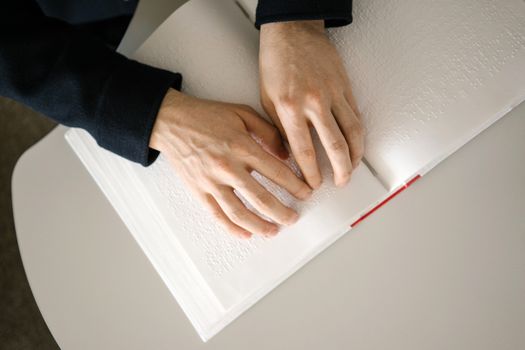
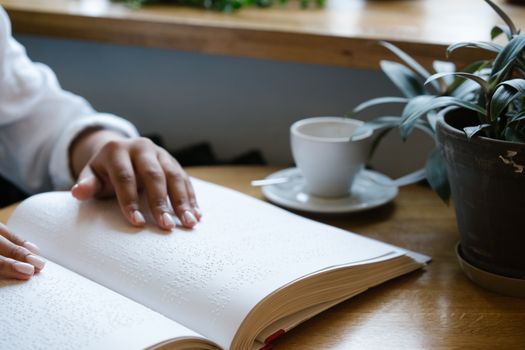
I stepped off the train in Marrakesh, and it wasn't the kaleidoscope of colours I'd anticipated, but a visceral wave of scent. The air was thick with the sweet, earthy aroma of cumin, the sharp tang of preserved lemons, and the heady perfume of rosewater. Then came the sound: a low hum of bartering, the rhythmic clang of a metalworker's hammer, and the distant, haunting call to prayer. My fingers brushed against the rough, cool texture of a terracotta pot as I navigated the throng, and in that instant, I knew this wasn't just a trip; it was a full-body immersion. For blind travelers, the world isn't just seen; it's felt, heard, and smelled. And March 2026 is shaping up to be an extraordinary time to explore these profound sensory landscapes.
The Art of Olfactory Exploration: Scent as Your Compass
For many of us, scent is a powerful memory trigger. Imagine being able to navigate a city not by street signs, but by the distinct aromas that define its neighbourhoods. This is the essence of olfactory travel.
The Spice Souks of Marrakesh: A Perfumed Labyrinth
Marrakesh’s medina is a masterclass in aromatic navigation. As I delved deeper into the souks, the air shifted. One alleyway was dominated by the pungent, almost medicinal scent of medicinal herbs and potent argan oil. Turn a corner, and you're enveloped in a cloud of sweet, warm spices: cinnamon, ginger, and the complex, slightly smoky notes of ras el hanout.
Pro-Tip:
Engage with the vendors! Many are eager to share the origins of their spices and offer small samples. I learned to distinguish between different grades of saffron by its subtle, hay-like aroma. Local guides specializing in sensory tours can be invaluable here, their descriptions painting vivid mental pictures.
Grasse, France: The Perfume Capital of the World
For a more refined olfactory journey, Grasse, nestled in the French Riviera, is unparalleled. Here, the air is a delicate bouquet of blooming jasmine, fresh lavender, and rich tuberose.
Pro-Tip:
Visit a perfumery like Fragonard or Molinard. They offer workshops where you can learn about the different fragrance families and even create your own signature scent. The tactile experience of handling raw materials like raw ambergris or rose petals is surprisingly grounding.
The Resonance of History: Auditory Journeys Through Time
Soundscapes offer a unique perspective on historical sites, imbuing them with a life and depth that visual descriptions often miss.
The Echoes of the Colosseum, Rome
Standing within the vast, elliptical embrace of the Colosseum, I closed my eyes. The murmur of fellow visitors, the distant rumble of traffic outside, and the imagined roar of ancient crowds created a powerful auditory tapestry. The sheer scale of the structure is palpable in its acoustics – the way a dropped coin can echo for seconds, or how a whispered word can carry surprisingly far.
Pro-Tip:
Visit during off-peak hours, like early morning (around 8 AM), to minimize background noise and truly appreciate the site's natural resonance. Consider booking a specialized audio tour designed for accessibility.
The Mystical Caves of Cappadocia, Turkey
Cappadocia’s fairy chimneys are visually iconic, but their ancient cave dwellings offer a profound auditory experience. The cool, damp air within these carved chambers carries sounds differently. The drip of water, the rustle of wind, and the surprisingly clear echoes of your own voice create an intimate connection with the past.
Pro-Tip:
Seek out guided tours that focus on the acoustics of the cave churches and underground cities. The tactile sensation of the smooth, carved rock walls is also a key part of the experience.
Tactile Treasures: Exploring the World Through Touch
Touch is our most primal sense, and for blind travelers, it's a gateway to understanding texture, form, and material.
The Sculpture Gardens of Hakone, Japan
Hakone Open-Air Museum is a revelation. While many visitors are drawn to the visual spectacle, the tactile experience is equally rewarding. Running my hands over the cool, smooth bronze of a Henry Moore sculpture, feeling the rough, weathered stone of a monumental piece, or tracing the intricate metalwork of a contemporary installation offers a unique appreciation of form and artistry.
Pro-Tip:
Many sculptures are designed to be touched. Don't be afraid to explore! The varied textures – from polished steel to raw, unfinished wood – tell their own stories.
The Silk Road Markets of Samarkand, Uzbekistan
The vibrant markets of Samarkand are a feast for the fingers. The incredible variety of textiles – the smooth glide of silk, the nubby texture of hand-woven cotton, the intricate embroidery of Suzani fabrics – provides a tangible connection to centuries of craftsmanship. The cool, smooth surfaces of ceramic tiles, the rough grain of wooden carvings, and the weighty feel of traditional metalwork all contribute to the sensory richness.
Pro-Tip:
Visit the local craft workshops. Watching (and feeling!) the artisans at work, from the spinning of silk to the glazing of pottery, is an unforgettable experience.
Culinary Immersion: Tasting the World, One Spice at a Time
Food is inherently sensory, and for blind travelers, it can be a primary focus of exploration.
The Street Food Scene in Bangkok, Thailand
The sizzle of woks, the clatter of spatulas, the aroma of lemongrass, chili, and galangal – Bangkok’s street food scene is an auditory and olfactory paradise. The textures are just as varied: the chewy delight of pad see ew noodles, the crisp crunch of fried spring rolls, the creamy sweetness of mango sticky rice.
Pro-Tip:
Take a guided street food tour with an emphasis on sensory descriptions. Ask vendors to describe the ingredients and cooking methods. The feel of a warm roti in your hand or the burst of flavour from a perfectly ripe lychee is pure magic.
The Olive Groves of Tuscany, Italy
Beyond the famous wines, the olive oil of Tuscany offers a profound sensory experience. Visiting an olive oil producer allows you to not only taste the peppery, slightly bitter notes of freshly pressed oil but also to feel the smooth, cool texture of the olives and the rough bark of the ancient trees.
Pro-Tip:
Participate in an olive oil tasting. Learn to discern the subtle differences in flavour and aroma. The earthy scent of the groves after a light rain is also incredibly evocative.
The Power of Natural Soundscapes: Immersive Eco-Travel
Nature offers a constant symphony of sounds and textures, often overlooked in traditional tourism.
The Rainforests of Costa Rica
The sheer biodiversity of Costa Rica is a sensory explosion. The constant hum of insects, the raucous calls of monkeys, the chirping of unseen birds, and the gentle rustle of leaves underfoot create an immersive soundscape. The feeling of damp earth, the smooth, cool bark of ancient trees, and the delicate petals of exotic flowers all contribute to a profound connection with the environment.
Pro-Tip:
Opt for guided nature walks with guides who are trained to identify animal calls and describe the flora through touch and scent. Many lodges offer specialized sensory trails.
The Fjords of Norway
The dramatic silence of the Norwegian fjords, punctuated by the cry of gulls, the splash of water against the boat, or the distant rumble of a waterfall, is a powerful auditory experience. The crisp, clean air, often carrying the scent of salt and pine, is invigorating. The feeling of the cool mist on your skin as you sail through the narrow passages is unforgettable.
Pro-Tip:
Consider a boat tour with knowledgeable guides who can describe the geological formations and the sounds of the natural environment. Kayaking offers an even more intimate sensory experience.
---
Quick Facts: Sensory Travel Adventures in March 2026
| Destination | Estimated Cost ($) | Best Time to Visit (March) | How to Get There (Major Hubs) | Sensory Highlights |
| :----------------- | :----------------- | :------------------------- | :---------------------------------------------------------- | :-------------------------------------------------------------------------------------------------------------- |
| Marrakesh, Morocco | $800 - $1500 | Early to Mid-March | Fly into Marrakech Menara Airport (RAK) | Spice souks (scent, touch), medina sounds (auditory), traditional music (auditory), Moroccan cuisine (taste, smell) |
| Grasse, France | $1200 - $2000 | Mid-March | Fly into Nice Côte d'Azur Airport (NCE) | Perfumeries (scent, touch), lavender fields (scent), local markets (scent, taste) |
| Rome, Italy | $1000 - $1800 | Early March | Fly into Rome Fiumicino Airport (FCO) | Colosseum acoustics (auditory), Roman Forum (auditory), artisanal food (taste, smell, texture) |
| Cappadocia, Turkey | $900 - $1600 | Mid to Late March | Fly into Nevşehir Kapadokya Airport (NAV) or Kayseri Erkilet Airport (ASR) | Cave dwellings (auditory, tactile), pottery workshops (tactile, auditory), local cuisine (taste, smell) |
| Hakone, Japan | $1500 - $2500 | Late March | Fly into Tokyo Narita (NRT) or Haneda (HND), then train | Sculpture gardens (tactile), hot springs (tactile, olfactory), natural soundscapes (auditory) |
| Samarkand, Uzbekistan | $700 - $1300 | Early to Mid-March | Fly into Samarkand International Airport (SKD) | Silk Road markets (tactile, scent), ancient architecture (tactile), local crafts (tactile) |
| Bangkok, Thailand | $800 - $1400 | Throughout March | Fly into Suvarnabhumi Airport (BKK) | Street food (taste, smell, texture, auditory), floating markets (auditory, scent), temple bells (auditory) |
| Tuscany, Italy | $1000 - $1800 | Mid to Late March | Fly into Florence Airport, Peretola (FLR) or Pisa (PSA) | Olive oil tasting (taste, smell, tactile), vineyard tours (tactile, olfactory), local markets (taste, smell) |
| Costa Rica | $1200 - $2200 | Throughout March | Fly into Juan Santamaría International Airport (SJO) | Rainforest sounds (auditory), wildlife encounters (auditory), jungle textures (tactile), natural scents (olfactory) |
| Norway Fjords | $1800 - $3000 | Late March | Fly into Bergen Airport, Flesland (BGO) or Oslo Airport (OSL) | Fjord acoustics (auditory), sea air (olfactory), waterfall sounds (auditory), boat spray (tactile) |
Note: Costs are estimates and can vary based on accommodation choices, flight prices, and personal spending habits. March generally offers pleasant weather in these regions, though some may still experience cooler temperatures.
Insider's Guide: Embracing the Sensory Journey
As a traveler who navigates the world through senses beyond sight, I’ve learned a few tricks that elevate the experience.
- Trust Your Guide: For truly immersive sensory travel, invest in local guides who are passionate about their region's sensory offerings. They can unlock hidden experiences and provide nuanced descriptions.
- Embrace the Unexpected: Some of the most profound sensory moments happen when you least expect them. Be open to spontaneous encounters with local artisans, street musicians, or lingering aromas.
- Document Your Sensations: Keep a voice journal. Record your impressions – the specific scent of a spice, the texture of a fabric, the unique timbre of a local dialect. These recordings become invaluable memories.
- Communicate Your Needs: Don't hesitate to inform hotels, tour operators, and restaurants about your preferences for sensory experiences. Many are eager to accommodate and can tailor offerings.
- Learn a Few Local Phrases: Even a simple "thank you" or "delicious" in the local language can open doors and enhance interactions, adding an auditory layer to your journey.
March 2026 is an invitation. An invitation to step beyond the visual and dive headfirst into a world that speaks to you through scent, sound, and touch. These destinations are not just places to visit; they are experiences to be felt, heard, and inhaled. So, pack your curiosity, open your senses, and prepare for a journey that will resonate long after you return home.
---