The Hook: A Breath of Fresh, Unobstructed Air
I stepped off the train in Amsterdam, and it wasn't just the crisp, canal-kissed air that hit me. It was the sheer ease. No frantic searches for ramps that were actually there, no awkward fumbling with cobbled streets that felt like an obstacle course. The platform was level with the carriage, the signage was clear and multilingual, and the gentle hum of a city designed for everyone was palpable. It was a revelation, a moment where the usual travel anxieties simply melted away, replaced by a giddy sense of possibility. This wasn't just a pretty city; it was a city that worked.
Beyond the Buzzwords: What "Accessibility Infrastructure" Really Means
Let's cut through the jargon. When we talk about countries leading in accessibility infrastructure, we're not just talking about a few token ramps. We're talking about a holistic approach that permeates every facet of the travel experience. This includes:
- Transportation: Seamless integration of accessible public transport (trains, buses, trams, subways) with clear audio and visual announcements, ample space, and reliable lifts and ramps. Think ferry terminals that are as easy to navigate as a modern airport.
- Accommodation: Hotels and guesthouses that go beyond basic compliance, offering rooms with roll-in showers, adjustable beds, visual alarms, and accessible common areas. It's about thoughtful design, not just ticking boxes.
- Attractions & Public Spaces: Museums with tactile exhibits, audio guides, and accessible routes; historic sites with modern lifts and clear pathways; parks with smooth, wide trails and accessible restrooms. It’s about ensuring everyone can engage with culture and nature.
- Information & Technology: Accessible websites with screen reader compatibility, clear signage in multiple formats, and readily available information in various languages and formats.
- Attitudinal Shift: Perhaps most importantly, it's about a societal mindset that embraces inclusivity, where staff are trained and genuinely helpful, and where accessibility is seen as a fundamental right, not an afterthought.
The Global Trailblazers: Countries Redefining Inclusive Travel
Based on my recent explorations and extensive research, these nations are setting the gold standard for accessibility infrastructure right now:
1. The Netherlands: Where Waterways Meet Seamless Travel
Amsterdam, Rotterdam, and beyond – the Dutch have truly mastered the art of inclusive design. It’s not just about the canals; it’s about the flow.
Amsterdam's Accessible Charm:
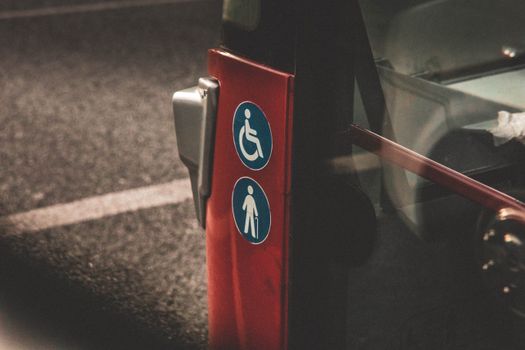
I remember visiting the Rijksmuseum. Not only are the main exhibits accessible, but they also offer tactile maps and audio descriptions. Even navigating the city's charming, albeit sometimes narrow, streets felt surprisingly manageable thanks to well-maintained pavements and numerous dropped kerbs. The public transport system is a dream. Pro-Tip: The GVB (Amsterdam’s public transport company) has a fantastic accessibility page on their website, detailing specific routes and station facilities. Look for the wheelchair symbol on tram and metro maps.
Beyond the Capital:
Utrecht boasts a stunning canal system that’s surprisingly accessible for boat tours designed for all abilities. The train network, operated by NS, is incredibly well-connected and offers excellent accessibility features. Quick Facts: Netherlands
* Estimated Costs: $150-300 per day (mid-range accommodation and activities)
* Best Time to Visit: April-May (tulip season, pleasant weather) or September-October (fewer crowds, crisp air)
* How to Get There: Major international airports in Amsterdam (AMS), Rotterdam (RTM), and Eindhoven (EIN). Excellent train connections from neighboring European countries.
2. Singapore: The Smart City That Cares
This vibrant city-state is a testament to forward-thinking urban planning. Singapore is a masterclass in integrating technology and thoughtful design for universal access.
Changi Airport to City:
Arriving at Changi Airport is an experience in itself, and its accessibility is top-notch. From the airport to the city center via the MRT (Mass Rapid Transit) system, you’ll find smooth transitions, lifts, and clear announcements. Pro-Tip: Singapore's MRT system is one of the most accessible in the world. Stations are clearly marked, and trains have designated wheelchair spaces. Purchase an EZ-Link card for easy tap-and-go travel.
Gardens by the Bay & Beyond:
Exploring the iconic Gardens by the Bay is a joy. The Supertree Grove and Cloud Forest are designed with accessible pathways and ramps. The National Museum of Singapore offers Braille guides and audio tours. Insider Insight: The sheer cleanliness and orderliness of Singapore contribute significantly to its accessibility. Even busy hawker centers have clear pathways and accessible seating.
Quick Facts: Singapore
* Estimated Costs: $180-350 per day (can be higher due to its status as a global hub)
* Best Time to Visit: February-April (drier season) or June-August (though it’s warm year-round)
* How to Get There: Singapore Changi Airport (SIN) is a major international hub.
3. Canada: A Vast Landscape of Inclusivity
From the Pacific coast to the Atlantic, Canada has made significant strides in ensuring its diverse landscapes and cities are welcoming to all.
Vancouver's Coastal Ease:
Stanley Park, with its seawall, offers miles of paved, accessible pathways perfect for wheelchairs and strollers. The Vancouver Aquarium has accessible exhibits and facilities. Getting around the city is made easier by its integrated public transit system. Pro-Tip: The Granville Island Market is a must-visit, and its layout is surprisingly accessible with wide walkways and elevators.
Toronto's Urban Accessibility:
The CN Tower offers stunning panoramic views with accessible viewing decks. The Royal Ontario Museum (ROM) has excellent accessibility features, including ramps, elevators, and accessible restrooms. The Toronto Transit Commission (TTC) is continuously improving its accessibility. Insider Insight: Many of Canada's national parks are also investing heavily in accessible trails and visitor centers. Check the Parks Canada website for specific information.
Quick Facts: Canada
* Estimated Costs: $160-280 per day (varies greatly by region)
* Best Time to Visit: June-August (summer, best for outdoor activities) or September-October (fall colors)
* How to Get There: Major international airports in Toronto (YYZ), Vancouver (YVR), Montreal (YUL), and Calgary (YYC).
4. Germany: Precision Engineering Meets Universal Design
Germany's commitment to efficiency and quality extends to its infrastructure. You'll find a high level of accessibility across its cities and public services.
Berlin's Historic & Modern Blend:
Berlin is a city that has embraced its past and built a future of inclusivity. Many of its major historical sites, like the Brandenburg Gate and the Reichstag Building (book tickets in advance for accessible tours), are accessible. The U-Bahn and S-Bahn systems are increasingly accessible, with many stations equipped with lifts. Pro-Tip: The Berlin Welcome Card often includes free public transport and discounts on attractions, and their website provides accessibility information for many sights.
Munich's Bavarian Charm:
The Marienplatz is easily navigable, and many of the city's iconic churches and museums offer accessible routes. The efficient public transport system (MVV) makes exploring easy. Insider Insight: German train stations (Deutsche Bahn) are generally very well-equipped with accessible platforms and assistance services, though booking assistance in advance is recommended for longer journeys.
Quick Facts: Germany
* Estimated Costs: $140-250 per day
* Best Time to Visit: May-June (spring bloom, pleasant weather) or September-October (Oktoberfest season, fall foliage)
* How to Get There: Major international airports in Frankfurt (FRA), Munich (MUC), Berlin (BER), and Düsseldorf (DUS).
5. Australia: Down Under, Upgraded for All
Australia's vast continent and stunning natural beauty are increasingly being made accessible to a wider range of travelers.
Sydney's Iconic Accessibility:
The Sydney Opera House offers accessible tours and performances. The Royal Botanic Garden has paved paths and accessible viewpoints. Navigating the city is aided by accessible buses and ferries. Pro-Tip: The iconic Sydney Harbour Bridge Pylon Lookout has lift access, offering incredible views without the strenuous climb.
Melbourne's Cultural Hub:
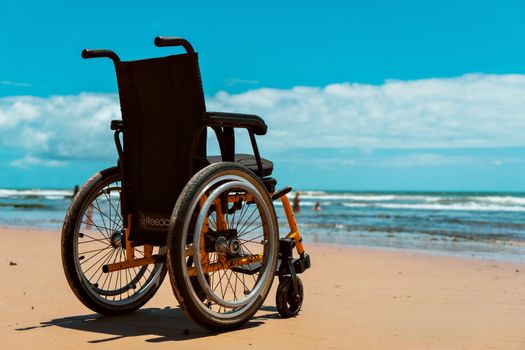
Melbourne boasts a vibrant arts scene, and many galleries and theaters, like the National Gallery of Victoria (NGV), are highly accessible. The city's tram network is also being progressively upgraded. Insider Insight: Many Australian beaches have introduced beach-accessible wheelchairs, allowing people to enjoy the sand and surf. Check local council websites for availability.
Quick Facts: Australia
* Estimated Costs: $170-300 per day (can be higher due to distances)
* Best Time to Visit: September-November (spring) or March-May (autumn) for pleasant weather across most regions.
* How to Get There: Major international airports in Sydney (SYD), Melbourne (MEL), Brisbane (BNE), and Perth (PER).
The Future is Universal: Why This Matters
These countries are not just catering to a niche; they are leading the way in creating environments that benefit everyone. Wider pathways, clear signage, and intuitive design make travel easier for parents with strollers, seniors, people with temporary injuries, and indeed, all of us who appreciate a stress-free journey. This isn't just about ticking boxes; it's about a fundamental shift towards a more inclusive and equitable world, one destination at a time.
As a traveler, I’ve seen firsthand how a little bit of foresight and a lot of commitment can transform the travel experience from a potential minefield into a joyous exploration. The good news is, the list of countries prioritizing accessibility is growing, and with your support and engagement, we can encourage even more destinations to join this vital movement.