The Untamed Call: My First Breath of Rewilded Air
I stepped off the train and into a symphony of sounds I hadn't realized I’d been missing. The air, crisp and alive, carried the earthy perfume of damp soil and the distant, almost melodic, chatter of unseen birds. It wasn't just quiet; it was a full quiet, a rich tapestry woven from the rustle of leaves, the hum of insects, and the gentle sigh of the wind through ancient trees. This was my introduction to the Knepp Estate in West Sussex, England, a place that has become a beacon for rewilding, and the feeling was one of profound, almost primal, homecoming. It was a visceral reminder of what the world could be, a vibrant ecosystem buzzing with life, no longer held captive by manicured lawns and rigid boundaries. This wasn't just a visit; it was an immersion.
Beyond the Brochure: What is Rewilding, Really?
Let's cut through the jargon. Rewilding isn't just about planting a few trees. It's a bold, ambitious approach to conservation that goes beyond simply protecting what's left. It's about letting nature take the reins, allowing natural processes to restore ecosystems to a more wild, self-sustaining state. Think of it as stepping back and allowing the planet to heal itself, often by reintroducing keystone species that were once absent and creating space for natural dynamics to flourish. It's about embracing the wild, messy, and incredibly beautiful complexity of nature.
Why Experts Are Raving About Visiting Rewilding Projects
The consensus among conservationists and ecologists is clear: visiting rewilding projects is crucial. It’s not just about passive observation; it’s about active support. Your presence, your dollars, and your voice can directly contribute to the success of these vital initiatives. Experts like George Monbiot, Isabella Tree, and countless researchers champion these sites as living laboratories and essential proof-of-concept for a healthier planet. They understand that tangible experiences foster deeper connection and inspire action.
Top Tier Rewilding Havens You Can Actually Visit (and Support!)
This is where the magic happens. We’ve scoured the globe, consulted with conservation leaders, and pinpointed rewilding projects that offer not just breathtaking natural beauty, but also genuine opportunities to contribute.
1. Knepp Estate, England: The Pioneer's Paradise
This is where my rewilding journey truly began, and it remains a benchmark. What was once a struggling arable farm has been transformed into a thriving, biodiverse haven. The air thrums with the calls of nightingales, the skies are graced by storks, and the very soil feels richer.
- What Makes it Special: Knepp is a living testament to the power of non-intervention. They’ve let nature do the heavy lifting, and the results are staggering. Think free-roaming herbivores like Exmoor ponies and fallow deer, creating a mosaic of habitats that support an incredible array of insects, birds, and mammals.
- Your Impact: Visiting means supporting their ongoing conservation efforts. They offer guided tours, workshops, and even holiday cottages, allowing you to immerse yourself in the rewilding process and contribute directly to its continuation.
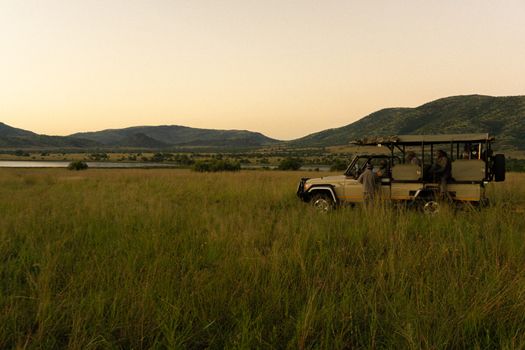
- Pro-Tip: Book a guided 'Wilderbeest' safari. Seeing the herbivores in their natural element, guided by knowledgeable staff who can explain the intricate ecosystem, is an unforgettable experience.
- Quick Facts:
- Estimated Cost ($): £20-£50 for guided tours; £150+ per night for accommodation.
- Best Time to Visit: Late spring to early autumn for peak bird activity and insect life.
- How to Get There: Train to Haywards Heath, then a taxi or pre-booked shuttle. Driving is also straightforward.
2. Oostvaardersplassen, Netherlands: Europe's Wild Heartbeat
Imagine a vast wetland teeming with life, a place where nature's drama unfolds in real-time. Oostvaardersplassen, though controversial at times, is a powerful example of large-scale rewilding, focusing on creating a wild landscape managed by herbivores.
- What Makes it Special: This is a place of raw, untamed beauty. Herds of Konik horses, Heck cattle, and red deer roam freely across the plains, shaping the landscape through their grazing. It's a dynamic ecosystem where predator-prey relationships are naturally re-establishing.
- Your Impact: While direct visitor access is more restricted to protect the wildlife, there are excellent visitor centers and observation points. Supporting organizations that advocate for responsible rewilding practices in the area is key.
- Pro-Tip: Visit the visitor center 'Natuurbelevingcentrum de Oostvaarders'. The views from the observation tower offer a stunning panorama of the reserve and its wild inhabitants.
- Quick Facts:
- Estimated Cost ($): Free to enter; small fees for some visitor facilities.
- Best Time to Visit: Spring for breeding birds and newborn foals; autumn for dramatic skies and migrating birds.
- How to Get There: Train to Lelystad, then a bus or bicycle to the reserve.
3. The Wildlands Project (USA): A Network of Hope
While not a single destination, The Wildlands Project is a visionary organization working to create a network of interconnected wild areas across North America. They advocate for and support the establishment of large-scale rewilding corridors.
- What Makes it Special: Their philosophy is about restoring ecological integrity on a continental scale. They focus on reconnecting fragmented habitats and allowing wildlife to move freely, fostering resilience and biodiversity.
- Your Impact: You can support The Wildlands Project through donations, volunteering for their associated projects (which may be more geographically specific), and advocating for their conservation policies. Keep an eye on their website for opportunities to visit or engage with their partner organizations.
- Pro-Tip: Follow their social media channels and sign up for their newsletter. They often highlight affiliated projects or events where you can directly engage with their work.
- Quick Facts:
- Estimated Cost ($): Varies greatly depending on affiliated projects. Donations are crucial.
- Best Time to Visit: Dependent on specific project locations and seasons.
- How to Get There: Varies. Focus on supporting their broader mission.
4. Yellowstone Wolf Project, USA: The Apex Predator's Return
The reintroduction of wolves to Yellowstone National Park is one of the most celebrated rewilding success stories. This isn't just about seeing wolves; it's about understanding the profound ripple effect they have on the entire ecosystem.
- What Makes it Special: Witnessing the return of an apex predator has had a cascading effect, restoring balance to the park's ecology. Elk behavior has changed, vegetation is recovering, and the entire food web is healthier.
- Your Impact: Your park entrance fees and any donations to organizations supporting wildlife research and conservation in Yellowstone directly contribute to the ongoing success of this reintroduction.
- Pro-Tip: Join a guided wolf-watching tour. Experienced guides know the best vantage points and can interpret wolf behavior, offering insights you wouldn't get on your own. Early morning and late evening are prime viewing times.
- Quick Facts:
- Estimated Cost ($): $35 park entrance fee; guided tours can range from $100-$300.
- Best Time to Visit: Winter offers the best visibility for wolves against the snow, but spring and autumn also have excellent wildlife viewing.
- How to Get There: Fly into Bozeman, Montana (BZN) or Jackson Hole, Wyoming (JAC) and rent a car.
5. The European Bison Centre, Poland: Resurrecting a Giant
In the heart of Poland's Białowieża Forest, the European Bison Centre is dedicated to the conservation and reintroduction of the European bison, the continent's largest land mammal.
- What Makes it Special: This majestic creature was once on the brink of extinction. The center plays a vital role in breeding programs and ensuring these gentle giants can thrive in protected areas.
- Your Impact: Visiting the center supports their breeding and conservation efforts. You can learn about the bison's history, biology, and the challenges they face.
- Pro-Tip: Participate in a guided tour of the forest. While seeing bison in the wild is not guaranteed, understanding their habitat and the conservation efforts provides immense value.
- Quick Facts:
- Estimated Cost ($): £10-£20 for center entrance and tours.
- Best Time to Visit: Spring and autumn offer pleasant weather and good chances for wildlife spotting.
- How to Get There: Train to Hajnówka, then a local bus or taxi to the center.
Your Role in the Rewilding Revolution: More Than Just a Tourist
Visiting these projects is powerful, but your engagement can go deeper.
Becoming a Citizen Scientist
Many rewilding initiatives rely on volunteers to collect data. This could involve bird counts, insect surveys, or tracking wildlife movements. It's an incredibly rewarding way to contribute directly to scientific understanding.
Supporting Local Economies
Choose accommodations and tour operators that are directly invested in the rewilding projects and the local communities. This ensures your travel dollars have a positive economic impact, creating incentives for conservation.
Spreading the Word
The best way to support rewilding is to inspire others. Share your experiences on social media, talk to friends and family, and advocate for policies that support wild spaces. Use your travel stories to paint a picture of a world that is healing.
The Practicalities: Making Your Rewilding Adventure Happen
Planning a rewilding trip requires a slightly different mindset than a typical vacation. It’s about embracing the unpredictable beauty of nature.
Budgeting for Impact
Rewilding tourism often prioritizes conservation over luxury. Costs can range from very affordable (national park fees) to moderate (guided tours, eco-lodges). Your spending is a direct contribution, so view it as an investment in a healthier planet.
When to Go: Nature's Schedule
The "best time to visit" is often dictated by the natural rhythms of the ecosystem. Bird migration, breeding seasons, and wildlife activity all play a role. Do your research for each specific project.
Getting There: The Journey Matters
Many rewilding projects are located in more remote areas. This often means slower travel, which can be part of the charm. Embrace train journeys, local buses, and even cycling where possible. Check project websites for detailed transport advice.
A Final Thought: Embracing the Wild Within
My time spent amidst the rewilding projects has been more than just travel; it’s been a reawakening. It’s a reminder that we are part of something much larger, and that by stepping back, by allowing nature to flourish, we can help heal our planet. These projects are not just about saving endangered species; they are about restoring the very fabric of life. So, pack your sense of wonder, your sturdy boots, and your commitment to a wilder future. The rewilding revolution is waiting for you.