The Unseen Highways of Life: Why Wildlife Corridors Need YOU
I stepped off the dusty jeep, the air thick with the scent of damp earth and something wild – a primal musk I couldn’t quite place. The sun, a molten gold disc, was just beginning its descent, casting long, dramatic shadows across the savanna. A distant roar, deep and resonant, vibrated through my chest. This wasn't just a safari; it was a glimpse into a world where life flows, not in isolated pockets, but along ancient, vital pathways. I was standing at the edge of a wildlife corridor, and in that moment, I understood the profound importance of these natural highways, and more importantly, how we, as travelers, can become their staunchest allies.
Recent data paints a stark picture: habitat fragmentation is the single biggest threat to biodiversity. For animals on the move – be it for food, mating, or escaping human encroachment – these corridors are their lifelines. They are the unseen arteries of our planet, allowing species to migrate, diversify, and ultimately, survive. And the thrilling news? Your wanderlust can directly contribute to their preservation.
Understanding the Blueprint: What Exactly Are Wildlife Corridors?
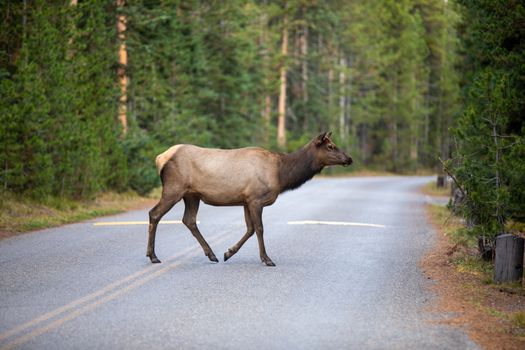
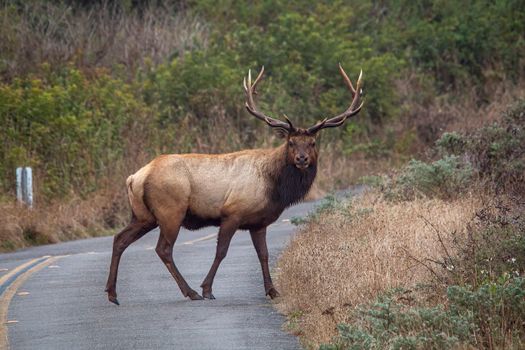
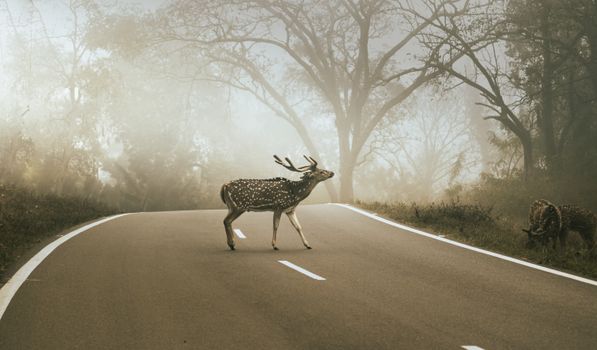
Think of them not as fences, but as bridges. Wildlife corridors are essentially strips of land that connect otherwise isolated habitats. They can be natural, like a dense forest along a riverbank, or human-created, like a specially designed overpass for animals to safely cross a highway. Their purpose is simple yet profound: to facilitate the movement of wildlife, allowing for genetic exchange, access to resources, and seasonal migrations.
Why are they so crucial according to recent data?
- Genetic Diversity: Without corridors, isolated populations can become inbred, weakening their resilience to disease and environmental changes.
- Resource Access: Animals need to move to find food, water, and shelter. Corridors ensure they aren't trapped in resource-scarce areas.
- Climate Change Adaptation: As climates shift, species need to migrate to find suitable habitats. Corridors are their pathways to survival.
- Reduced Human-Wildlife Conflict: By providing safe passage, corridors can decrease the likelihood of animals venturing into human settlements, leading to fewer conflicts.
Beyond the Binoculars: How Your Travel Dollars Make a Difference
It’s no longer enough to simply observe wildlife. Today’s most impactful travel experiences involve active participation in conservation. Many lodges, tour operators, and conservation organizations are deeply involved in maintaining and expanding these vital corridors. Your choice of where to stay and what tours to book can directly fund these efforts.
Pro-Tip:
Look for eco-lodges and tour operators that explicitly state their commitment to corridor conservation in their mission statements or sustainability reports. Many will detail specific projects they support, from land acquisition for corridor expansion to funding anti-poaching patrols along these routes.
Case Study 1: The Majestic Elephants of Amboseli & Tsavo (Kenya)
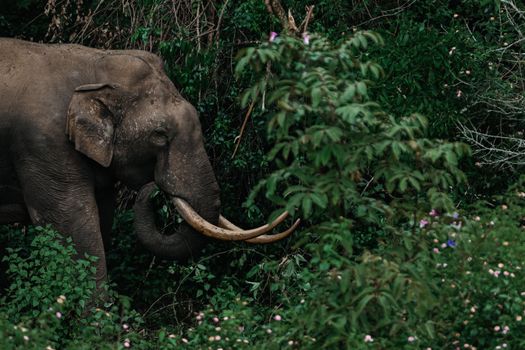
The iconic landscape of Kenya, with its vast savannas and the breathtaking silhouette of Mount Kilimanjaro, is home to one of the most important elephant corridors in Africa. This route connects the Amboseli National Park with the Tsavo Ecosystem, allowing elephants to move freely between crucial water sources and calving grounds.
The Challenge:
Human settlements and agricultural expansion have increasingly encroached on these traditional migratory paths, leading to conflict and endangering the elephants.
How You Can Help:
- Stay at Conservation-Focused Lodges: Many lodges in the Amboseli-Tsavo region are actively involved in land leases to secure corridor land, fund community outreach programs, and support anti-poaching units that patrol these vital routes.
- Support Community Conservancies: Local communities are often at the forefront of corridor protection. By visiting and supporting conservancies that work with these communities, you provide them with an economic incentive to protect wildlife.
- Donate to Wildlife Funds: Organizations like the Amboseli Trust for Elephants and the East African Wildlife Society are instrumental in research, land acquisition, and community engagement crucial for corridor maintenance.
Quick Facts: Amboseli-Tsavo Corridor
| Aspect | Details |
| :-------------- | :-------------------------------------------------------------------------------------------------- |
| Estimated Cost ($) | Lodge stays: $200 - $800+ per night; Safari tours: $100 - $500+ per day; Park fees: ~$80 per person per day |
| Best Time to Visit | Dry season (June-October) for concentrated wildlife viewing, but corridors are vital year-round. |
| How to Get There | Fly into Jomo Kenyatta International Airport (NBO) in Nairobi, then take a domestic flight or drive to Amboseli. |
| Insider Tip | Engage with lodge guides about their specific corridor initiatives. They often have incredible stories and insights. |
Case Study 2: The Jaguar's Path Through the Maya Forest (Belize)
Central America boasts the Mesoamerican Biological Corridor, a vast network of protected areas and natural habitats stretching from Mexico to Panama. In Belize, this corridor is critical for the survival of the jaguar, as well as countless other species.
The Challenge:
Deforestation for agriculture and infrastructure development fragments the forest, isolating jaguar populations and hindering their ability to find mates and prey.
How You Can Help:
- Explore Eco-Lodges Committed to Reforestation: Many lodges in Belize are actively involved in reforestation projects, creating and reinforcing wildlife corridors within their properties and surrounding areas.
- Participate in Citizen Science: Some organizations offer opportunities for visitors to participate in camera trap surveys or track animal movements, contributing valuable data for corridor management.
- Visit Protected Areas: Your entrance fees to national parks and reserves directly fund their protection and management, including the maintenance of habitat connectivity.
Quick Facts: Maya Forest Corridor (Belize)
| Aspect | Details |
| :-------------- | :-------------------------------------------------------------------------------------------------- |
| Estimated Cost ($) | Eco-lodge stays: $150 - $500+ per night; Guided tours: $80 - $300+ per day; Park fees: ~$10 - $20 per day |
| Best Time to Visit | Dry season (December-May) for easier travel and wildlife spotting. |
| How to Get There | Fly into Philip S. W. Goldson International Airport (BZE) in Belize City, then take a smaller flight or drive. |
| Insider Tip | Seek out lodges that work with local Maya communities; their traditional knowledge is invaluable for conservation. |
Case Study 3: The Boreal Forest's Backbone (Canada)
The vast Boreal forest, stretching across Canada, is a critical landscape for numerous migratory species, including caribou, wolves, and songbirds. Maintaining connectivity within this immense ecosystem is paramount for its health.
The Challenge:
Resource extraction (logging, mining) and infrastructure development can create significant barriers to animal movement.
How You Can Help:
- Choose Tour Operators with Sustainable Practices: Select companies that prioritize minimal environmental impact and actively support organizations working to protect Boreal wildlife corridors.
- Support Indigenous-Led Conservation Initiatives: Many Indigenous communities in the Boreal region are stewards of the land and are leading efforts to conserve traditional territories and wildlife pathways.
- Advocate for Policy Change: While not direct travel, your voice can be powerful. Support organizations lobbying for stronger protections for Boreal forests and their interconnectedness.
Quick Facts: Boreal Forest Corridors (Canada)
| Aspect | Details |
| :-------------- | :-------------------------------------------------------------------------------------------------- |
| Estimated Cost ($) | Lodge stays: $180 - $600+ per night; Guided tours: $150 - $400+ per day; Varies greatly by region. |
| Best Time to Visit | Summer (June-August) for accessibility and wildlife viewing; Winter (December-March) for unique snow-based experiences. |
| How to Get There | Major airports include Toronto (YYZ), Vancouver (YVR), Calgary (YYC), and Edmonton (YEG), followed by regional travel. |
| Insider Tip | Look for opportunities to engage with local guides who can share insights into the challenges and successes of Boreal conservation. |
Beyond the Big Mammals: The Unsung Heroes of Corridors
It's not just about the charismatic megafauna. Wildlife corridors are crucial for a staggering array of species, from insects and amphibians to birds and bats. A healthy corridor supports a biodiversity hotspot, a complex web of life where each organism plays a vital role.
Pro-Tip:
When visiting areas known for corridor conservation, take the time to appreciate the smaller wonders. Birdwatching, insect identification, and even studying plant life can reveal the intricate interconnectedness that these corridors support.
The Future is Connected: Empowering Your Travel Choices
The data is clear: wildlife corridors are not a luxury, but a necessity for a thriving planet. And as travelers, we hold a unique power. By making informed choices, we can transform our adventures into powerful acts of conservation.
Here’s your actionable checklist:
- Research Before You Book: Prioritize accommodations and tour operators with verifiable conservation commitments, especially regarding habitat connectivity.
- Support Local Communities: Choose experiences that directly benefit the people living alongside wildlife, as they are often the most dedicated guardians of these lands.
- Engage in Citizen Science: If opportunities arise, participate in data collection. Your observations can be invaluable.
- Educate Yourself & Others: Share what you learn about wildlife corridors. Awareness is the first step to action.
- Minimize Your Footprint: Practice Leave No Trace principles rigorously. Every bit of impact reduction counts.
- Consider Direct Donations: If you can't physically participate, make a financial contribution to reputable conservation organizations working on the ground.
My journey into the world of wildlife corridors was eye-opening. It’s a world where the rustle of leaves isn’t just the wind, but the silent passage of life; where the distant call isn’t just an animal sound, but a testament to the enduring power of connection. By choosing to travel with purpose, we can ensure these vital pathways remain open, vibrant, and teeming with life for generations to come. So, where will your next impactful adventure take you?