Introduction: A Mushroom, a Memory, and a Life-Altering Meal
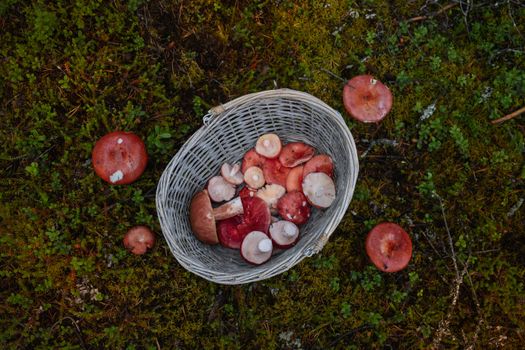
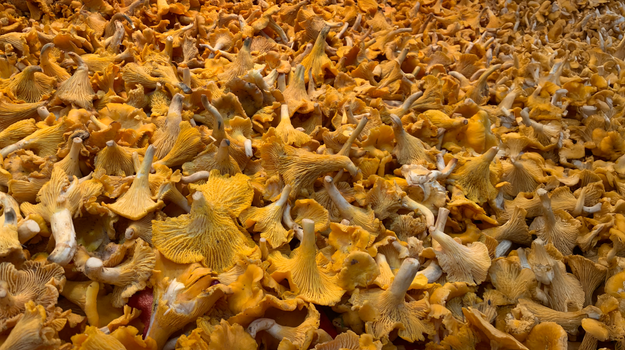
It started with a single chanterelle, unearthed beneath a moss-covered log in the misty forests of the Pacific Northwest. I wasn't a forager, not even a particularly adventurous cook. But there I was, guided by a seasoned chef, learning to identify edible treasures hidden amongst the ferns and fallen leaves. That evening, we cooked and savored our findings – a simple mushroom risotto, but a meal that tasted of freedom, connection to the earth, and pure, unadulterated joy. That experience ignited a passion for foraging restaurants, places where the culinary adventure begins not in the kitchen, but in the wild.
1. The Wild Mushroom Feast: The Forager's Table, Oregon, USA
Nestled in the heart of Oregon's Willamette Valley, The Forager's Table isn't just a restaurant; it's an immersive experience. For $150 per person, you embark on a guided foraging walk with an expert mycologist, learning to identify edible mushrooms and other wild delicacies. Afterwards, you return to a cozy cabin where your harvest is transformed into a multi-course feast. The menu changes daily, depending on your finds, making each experience utterly unique. (Tip: Book well in advance, as spots fill up quickly!)
2. Coastal Delights: Seaweed Sensations in Brittany, France
Brittany's rugged coastline is a treasure trove of edible seaweed. At "Algues et Saveurs" (Seaweed and Flavors), a charming restaurant near Saint-Malo (€85 per person), you'll spend the morning with a local expert, learning about the different types of seaweed, their unique properties, and how to harvest them sustainably. Later, you'll enjoy a delicious lunch featuring your own foraged seaweed incorporated into inventive dishes like seaweed pasta and crispy seaweed tempura. (Remember to check tide times before you go!)
3. Alpine Adventures: Foraging in the Dolomites, Italy
Imagine foraging for wild herbs and edible flowers amidst the breathtaking scenery of the Italian Dolomites. "Rifugio Lagazuoi" (€70 per person) offers a unique foraging experience, combining a scenic hike with a culinary lesson. You'll learn to identify mountain herbs like alpine thyme and gentian, then use them to create a flavorful lunch paired with local wines. The views alone are worth the price of admission!
4. Mediterranean Magic: Wild Herbs and Olive Oil in Greece
The sun-drenched hills of Crete are a fragrant paradise for wild herbs. "Gaia's Kitchen" (€60 per person), a family-run restaurant near Chania, offers a hands-on foraging experience followed by a traditional Cretan feast. You'll learn about the medicinal and culinary uses of various herbs, then help prepare a delicious meal using your freshly gathered ingredients, infused with the region's famed olive oil. (Pro-tip: Don't forget your sunscreen!)
5. Japanese Delicacies: Wild Mushrooms and Mountain Vegetables in Kyoto
Kyoto's forests are a hidden haven for wild mushrooms and mountain vegetables. Several local guides offer foraging tours (€90 per person) culminating in a traditional Kaiseki-style meal. You'll learn to identify prized mushrooms like matsutake and nameko, and sample unique mountain vegetables, all prepared with exquisite attention to detail. This is a truly unforgettable culinary and cultural immersion. (Note: Some foraging experiences require prior registration.)
6. South American Flavors: Foraging in the Andes Mountains of Peru
The high-altitude landscapes of the Andes offer unique foraging opportunities. While finding a dedicated "foraging restaurant" might be challenging, many local communities offer cooking classes that incorporate foraging. You can connect with a local guide (prices vary greatly) to learn about medicinal and culinary plants before helping prepare a traditional Andean meal. This offers a chance to connect deeply with the local culture.
7. Scandinavian Simplicity: Coastal Foraging in Norway
Norway’s dramatic coastline offers a wealth of edible seaweed, shellfish, and berries. While specific foraging restaurants are scarce, many guided tours combine foraging activities with cooking classes. You can expect to learn about sustainable harvesting practices and prepare a fresh seafood meal using your own foraged ingredients. The breathtaking scenery of the fjords provides an unforgettable backdrop. (Research local guides and tour operators in advance.)
Practical Tips for Your Foraging Adventure:
- Book in advance: These unique experiences are popular and often require reservations.
- Wear appropriate clothing and footwear: You'll be spending time outdoors, often in varied terrain.
- Bring water and snacks: Foraging can be tiring, especially on longer excursions.
- Listen to your guide: Their expertise is crucial for safe and responsible foraging.
- Respect the environment: Harvest sustainably and leave no trace behind.
- Be aware of local regulations: Some areas may have restrictions on foraging.
Conclusion: A Deeper Connection to Food and Nature
These foraging restaurant experiences weren't just meals; they were transformative journeys that deepened my appreciation for nature, sustainable food practices, and the simple joy of sharing a meal prepared with ingredients gathered by your own hands. They've changed my perspective on travel and food forever. So, pack your bags, book your adventure, and prepare for a culinary experience unlike any other. Let me know in the comments which foraging restaurant you'd like to try first!