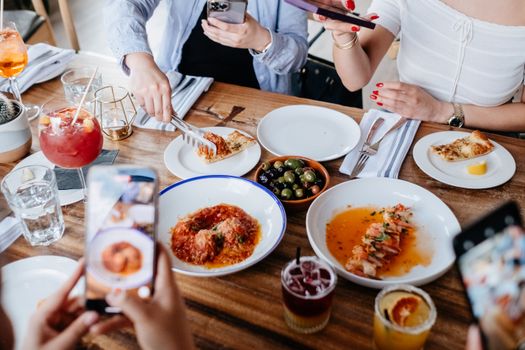
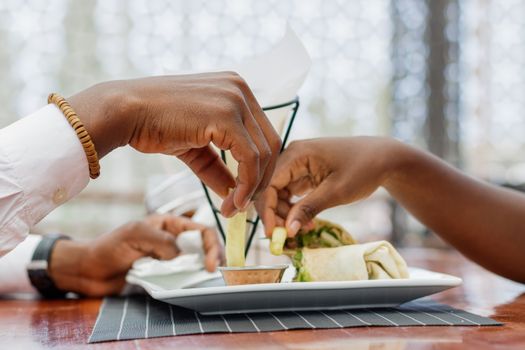
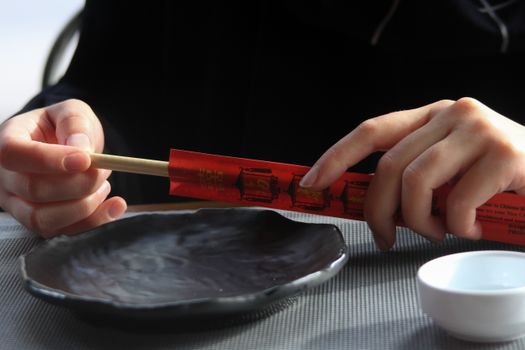
There’s a secret joy, a primal satisfaction, that comes with ditching the fork and knife and truly getting your hands dirty with your food. Call me old-fashioned, call me adventurous, but there’s something profoundly human and deeply connecting about tearing, scooping, and plunging your fingers directly into a plate of deliciousness. It’s not just about convenience; it’s about breaking down barriers – between you and your meal, and often, between you and your dining companions.
I remember my first real hand-eating experience. It was in a bustling Ethiopian restaurant in London, years ago. I watched, fascinated, as locals effortlessly tore pieces of spongy injera bread, scooping up vibrant stews and salads with a practiced flick of the wrist. My initial awkwardness quickly melted into pure delight as I realized this wasn't just a meal; it was an interactive, sensory adventure. The textures, the temperatures, the spices – everything felt more alive, more immediate. I left that night not just full, but exhilarated, having experienced food in a completely new, more intimate way.
Fast forward to today, and the trend of eating with your hands is exploding across the global culinary scene. From traditional feasts to modern takes on classic comforts, restaurants are embracing the communal, tactile joy of cutlery-free dining. And honestly, it’s one of the most exciting shifts in how we experience food. So, if you’re ready to get a little messy and a lot more connected, buckle up! Here are 7 trending restaurants where eating with your hands isn't just allowed—it's the whole point.
1. Ethiopian Feasts: A Culinary Hug on a Plate
If you've never experienced Ethiopian cuisine, prepare for a revelation. This is where my love affair with hand-eating truly began, and it remains one of the most beautiful and communal dining experiences you can have.
The Experience:
Imagine a giant platter, often called a gebeta or mesob, lined with injera – a soft, spongy, sourdough-risen flatbread that acts as both your plate and your utensil. Piled high on the injera are various wots (stews) – rich, aromatic concoctions of lentils, beef, chicken, and vegetables, all simmered with fragrant berbere spice. You tear off a piece of injera, use it to scoop up a mouthful of stew, and simply pop it in your mouth. It’s often a shared meal, with everyone reaching into the central platter, fostering a wonderful sense of connection.
Why it's Trending:
Ethiopian food offers a unique combination of rich flavors, healthy ingredients (lots of legumes and vegetables), and an incredibly social dining format. It’s perfect for groups, a fantastic conversation starter, and inherently Instagrammable with its vibrant colors. Plus, it's incredibly satisfying to feel the textures of the food directly.
My Anecdote:
On a recent trip to Washington D.C.'s "Little Ethiopia," I found myself at Zenebech Restaurant (1927 9th St NW, Washington, D.C.). The air was thick with the scent of spices and roasting coffee. We ordered a "Taste of Zenebech" platter for two ($35-$45), overflowing with doro wot (chicken stew), yebeg alicha (mild lamb stew), and several vibrant vegetable dishes. My friend, a first-timer, initially struggled with the injera technique, but by the end, she was a pro, laughing as berbere sauce stained her fingertips. We shared stories, scooped up every last drop, and left feeling both nourished and deeply bonded.
Tripsora Tip:
Don't be shy! Ask your server for a quick demo if you're unsure how to properly tear and scoop. And embrace the slight mess – it’s part of the fun! Most places offer a hand-washing station or warm towels before and after your meal.
2. The Mighty Seafood Boil: Dive In Headfirst
Few dining experiences scream "get messy and love it" quite like a seafood boil. This trend has exploded from its Southern roots to become a global phenomenon, and for good reason.
The Experience:
Picture this: a massive bag or tray of steamed or boiled seafood – think crab legs, shrimp, crawfish, mussels – all swimming in a glorious, spiced buttery sauce, often with corn on the cob, potatoes, and sausage. This delicious bounty is then unceremoniously dumped directly onto a paper-covered table. You're given a bib, some gloves (optional, but highly recommended for the serious), and maybe a few cracking tools. Then, it's pure, unadulterated, hands-on feasting. You crack shells, peel shrimp, slurp sauce, and just go for it.
Why it's Trending:
It’s incredibly interactive, exciting, and visually spectacular. The "dump it on the table" presentation is inherently shareable on social media. It's a celebration of fresh seafood, bold flavors, and pure, uninhibited indulgence. Perfect for a lively group outing!
My Anecdote:
My latest seafood boil adventure took me to The Boiling Crab (various locations across the US, but I visited their Anaheim spot near Disneyland). The line was out the door, a testament to its popularity. We ordered the "Sha-Bang!" seasoning (a mix of garlic butter, lemon pepper, and Cajun spices) with a pound of shrimp and a pound of snow crab legs, medium spice ($60-$80 for two). The moment that steaming bag hit our paper-covered table, the transformation began. Bibs on, gloves donned, we became primal food hunters. Cracking crab legs, sucking the juicy meat, and dipping everything in that incredible sauce – it was pure, messy bliss. My hands were sticky, my face probably had a smudge, but my heart was full.
Tripsora Tip:
Wear clothes you don’t mind getting a little splashy. Don't be afraid to get in there and extract every last morsel. And order a side of rice to soak up all that amazing sauce!
3. Filipino Kamayan Feasts: Banana Leaf Bliss
For the ultimate communal hand-eating experience, look no further than a Filipino Kamayan feast. This is more than just a meal; it's a cultural celebration.
The Experience:
Kamayan, meaning "by hand," involves an elaborate spread of food laid out directly onto banana leaves that cover a long table. There are no plates, no cutlery. Just an abundance of delicious Filipino dishes: roasted meats like lechon kawali (crispy pork belly) or grilled chicken inasal, garlic rice, fresh seafood, spring rolls (lumpia), grilled vegetables, and various dipping sauces. Diners stand or sit around the table, using their bare hands to scoop rice and ulam (dishes) together, forming perfect bite-sized portions. It’s an incredibly sensory and intimate way to share a meal.
Why it's Trending:
It’s an authentic, immersive cultural experience that’s visually stunning and incredibly social. The sheer abundance and variety of food on the banana leaves make it an unforgettable spectacle, perfect for group gatherings and milestone celebrations. It taps into the desire for unique, shareable dining adventures.
My Anecdote:
A few months ago, I was lucky enough to join a Kamayan pop-up hosted by "Kamayan Kultura" in a bustling warehouse space in Brooklyn, NYC (Pop-up prices typically $75-$100 per person, reservations essential). The aroma of grilled pork and garlic filled the air as servers artfully arranged mounds of vibrant food on the banana leaves before us. Our table, a mix of strangers, quickly became friends as we learned the art of the Kamayan scoop – mixing a bit of rice with a piece of pork belly and dipping it in a vinegar-soy sauce. The crispy skin of the lechon, the tang of the pickled vegetables, the fragrant garlic rice – every bite was an explosion of flavor. It felt like a giant family dinner, even though most of us had just met.
Tripsora Tip:
Wash your hands thoroughly before and after! Don't be afraid to experiment with different combinations of food on your banana leaf canvas. And remember, it's a marathon, not a sprint – pace yourself to enjoy the incredible variety.
4. Indian Street Food & Thalis: A Burst of Flavors
While formal Indian dining often involves cutlery, many traditional Indian dishes, especially street food and the humble thali, are designed for a hands-on approach.
The Experience:
Think of crispy dosas (savory crepes) that you tear and dip into sambar and chutneys, fluffy naan or roti used to scoop up rich curries, or the delightful chaos of chaat – vibrant, tangy street snacks like pani puri (crispy hollow balls filled with spiced water) or bhel puri (puffed rice mix) that are best eaten quickly with your fingers. A thali is a platter featuring a selection of small dishes served in bowls, often with rice and bread, all meant to be mixed and eaten by hand.
Why it's Trending:
Indian cuisine offers an incredible diversity of flavors, textures, and aromas. The street food scene, in particular, is an exhilarating sensory overload that encourages spontaneous, hands-on eating. It’s vibrant, affordable, and endlessly delicious, making it a favorite for foodies seeking authentic experiences.
My Anecdote:
During a whirlwind trip through Toronto's Gerrard Street East, known as "Little India," I stumbled upon "Bombay Street Food Co." (1500 Gerrard St E, Toronto). The air buzzed with energy, and the scent of spices was intoxicating. I ordered a plate of pav bhaji ($12-$15), a spiced vegetable mash served with buttered soft rolls. The best way to eat it? Tear off a piece of the roll and scoop up the bhaji. The warmth of the bread, the spicy, tangy vegetables – it was pure comfort. Then, for a true hand-eating challenge, I tried pani puri. The vendor handed me a puri, I cracked it open, spooned in the filling, poured in the spiced water, and devoured it in one glorious, explosive bite. It was messy, exhilarating, and utterly unforgettable.
Tripsora Tip:
For chaat, don’t hesitate – eat it quickly before it gets soggy! When eating curries with bread, use your dominant hand to tear off a piece of bread and create a small scoop to pick up the curry.
5. Korean BBQ & Ssam: Wrap It Up!
Korean BBQ is a social spectacle, and while you might use tongs for the meat, the true hand-eating magic happens with ssam.
The Experience:
Picture this: sizzling platters of marinated meats (bulgogi, galbi, pork belly) grilled right at your table. Alongside the meat, you get an array of banchan (small side dishes) – kimchi, pickled radishes, seasoned vegetables – and a generous basket of fresh lettuce or perilla leaves. The ritual? Take a leaf, place a piece of grilled meat on it, add a dollop of ssamjang (a spicy dipping sauce), maybe a piece of garlic or a bit of kimchi, wrap it all up into a neat (or not-so-neat) parcel, and pop the whole thing into your mouth. It’s a customizable, interactive, and incredibly satisfying bite.
Why it's Trending:
Korean BBQ is inherently social and theatrical, making it perfect for groups and Instagram. The ability to customize each bite with various toppings and sauces makes it an endlessly exciting culinary adventure. It's a healthy way to enjoy meat, balancing rich flavors with fresh greens and fermented sides.
My Anecdote:
My last KBBQ fix was at Kang Ho Dong Baekjeong (various locations, I visited their K-Town LA spot). The lively atmosphere, the sizzling sounds, and the delicious aroma hit you the moment you walk in. We ordered the "Beef Combo" ($80-$100 for 2-3 people), which came with an insane amount of premium cuts, plus endless banchan refills. My favorite part is always the ssam. I’d grill a piece of succulent pork belly until it was perfectly crispy, place it on a perilla leaf, add a sliver of grilled garlic, a touch of ssamjang, and wrap it up. The explosion of flavors and textures – the fatty pork, the fresh crunch of the leaf, the spicy kick of the sauce – was pure heaven. Sharing these hand-wrapped morsels with friends around the grill felt incredibly intimate and fun.
Tripsora Tip:
Don't overload your ssam wrapper – aim for a bite-sized parcel that you can comfortably eat in one go. Experiment with different banchan in your wraps to find your favorite combinations.
6. Birria Tacos: The Messy Masterpiece
The birria taco craze has swept the nation, and for good reason. These aren't your average tacos; they're a glorious, messy, hand-held experience.
The Experience:
Birria is a rich, savory, slow-cooked meat stew (traditionally goat, but often beef) from Jalisco, Mexico. Birria tacos, specifically quesabirria tacos, take this to another level. Corn tortillas are dipped in the birria consommé (broth) and griddled until crispy, then filled with tender, shredded birria meat and melted cheese. They're served with a side of that incredible, flavorful consommé for dipping. The process involves picking up the warm, crispy, cheesy taco, dipping it into the rich broth, and taking a glorious, messy bite.
Why it's Trending:
It's comfort food elevated. The combination of crispy tortilla, tender meat, gooey cheese, and savory dipping broth is irresistible. It’s incredibly photogenic (hello, cheese pull!) and offers a unique, interactive way to enjoy a taco that goes beyond the usual.
My Anecdote:
I tracked down Birria Los Socios (a popular food truck in Los Angeles, check their Instagram for locations; tacos typically $4-$5 each) after seeing countless mouth-watering videos. The line was long, but the anticipation was half the fun. I ordered three quesabirria tacos, and when they arrived, they were even more glorious than I'd imagined. The tortillas were perfectly crisped, the cheese was oozing, and the aroma was intoxicating. I picked up the first taco, dipped it deep into the rich, red consommé, and took a bite. The crunch, the tender meat, the melted cheese, the warmth of the broth – it was an absolute symphony of textures and flavors. Juice dripped down my chin, cheese stretched, and I didn't care one bit. It was a moment of pure, unadulterated taco bliss.
Tripsora Tip:
Don't be afraid to double-dip! That consommé is liquid gold. Have plenty of napkins on hand, as this is a truly messy but utterly rewarding experience.
Beyond the Bite: Tips for Your Hand-Eating Adventure
Embracing the hand-eating trend is about more than just foregoing cutlery; it's about embracing a different kind of dining culture. Here are a few tips to make your experience even better:
- Wash Up: Always, always wash your hands thoroughly before and after your meal. Many restaurants that encourage hand-eating will have accessible restrooms or even communal hand-washing stations.
- Embrace the Mess: Part of the fun is getting a little messy. Don’t stress about drips or stains. Wear comfortable, casual clothes, and don’t be afraid to ask for extra napkins or even a bib (many seafood boil spots provide them!).
- Use Your Dominant Hand: In many cultures, especially in South Asia, Africa, and the Middle East, it's customary to eat only with your right hand. While not strictly enforced in many Westernized restaurants, it's a good practice to be mindful of.
- Observe and Learn: If you're unsure how to approach a dish, take a moment to observe how others are eating. Don't hesitate to ask your server for guidance; they'll often be delighted to share their knowledge.
- Connect and Share: Hand-eating is inherently communal. It encourages interaction, sharing, and a more relaxed atmosphere. Lean into it! Share stories, laugh at the mess, and enjoy the unique bond it creates.
- Pace Yourself: With many of these shared feasts, it’s easy to get carried away. Take your time, savor the different flavors, and enjoy the experience.
The Ultimate Culinary Connection
Eating with your hands isn't just a trend; it's a return to a more fundamental, sensory, and often communal way of experiencing food. It strips away formality, encourages interaction, and allows you to connect with your meal on a deeper level. From the vibrant spices of Ethiopia to the messy joy of a seafood boil, these restaurants offer not just incredible food, but unforgettable adventures.
So, next time you're planning a meal out, dare to ditch the fork. Step out of your comfort zone, embrace the delicious mess, and discover the pure, unadulterated joy of eating with your hands. You might just find your new favorite way to dine.
Which of these hand-eating adventures are you adding to your foodie bucket list? Share your thoughts and your own favorite hand-eating spots in the comments below!
---