Let’s be honest, sometimes the travel sphere feels a little… homogenous. You scroll through your feed, and it’s the same five "hidden gems" in Bali, the same "must-try" cronut in New York, the same carefully curated pose in front of a landmark. Don't get me wrong, I love a good viral spot as much as the next wanderluster, but after a while, you start craving something genuinely new. Something that hasn't been filtered into oblivion or had its soul sold for a sponsored post.
That's precisely how I stumbled into the captivating, quirky, and utterly delicious world of robot-served restaurants. These aren't just novelty cafes; these are places where cutting-edge technology meets culinary creativity, delivering an experience so unique, so genuinely future-forward, that it feels like you've stepped onto the set of a sci-fi movie. And guess what? Most influencers haven't caught on – or perhaps they're strategically keeping these gems under wraps. But I'm here to spill the (robot-delivered) beans.
The Whirring Welcome: My First Encounter with a Machine Maitre D'
My journey into robotic gastronomy began, as many great adventures do, with a healthy dose of skepticism. I was in Shenzhen, China, a city synonymous with innovation, and after a day of exploring bustling tech markets, I found myself craving dinner. My local friend, a true pioneer of the "un-Instagrammable" experience, led me down a side street to a place called "Mech-Munchies." The name alone was intriguing.
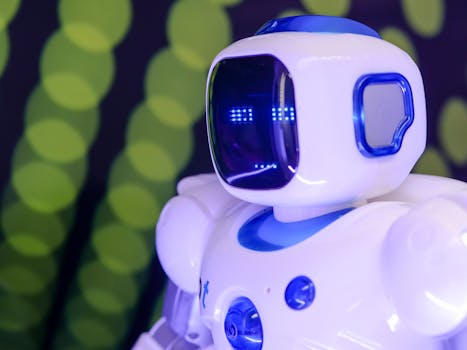
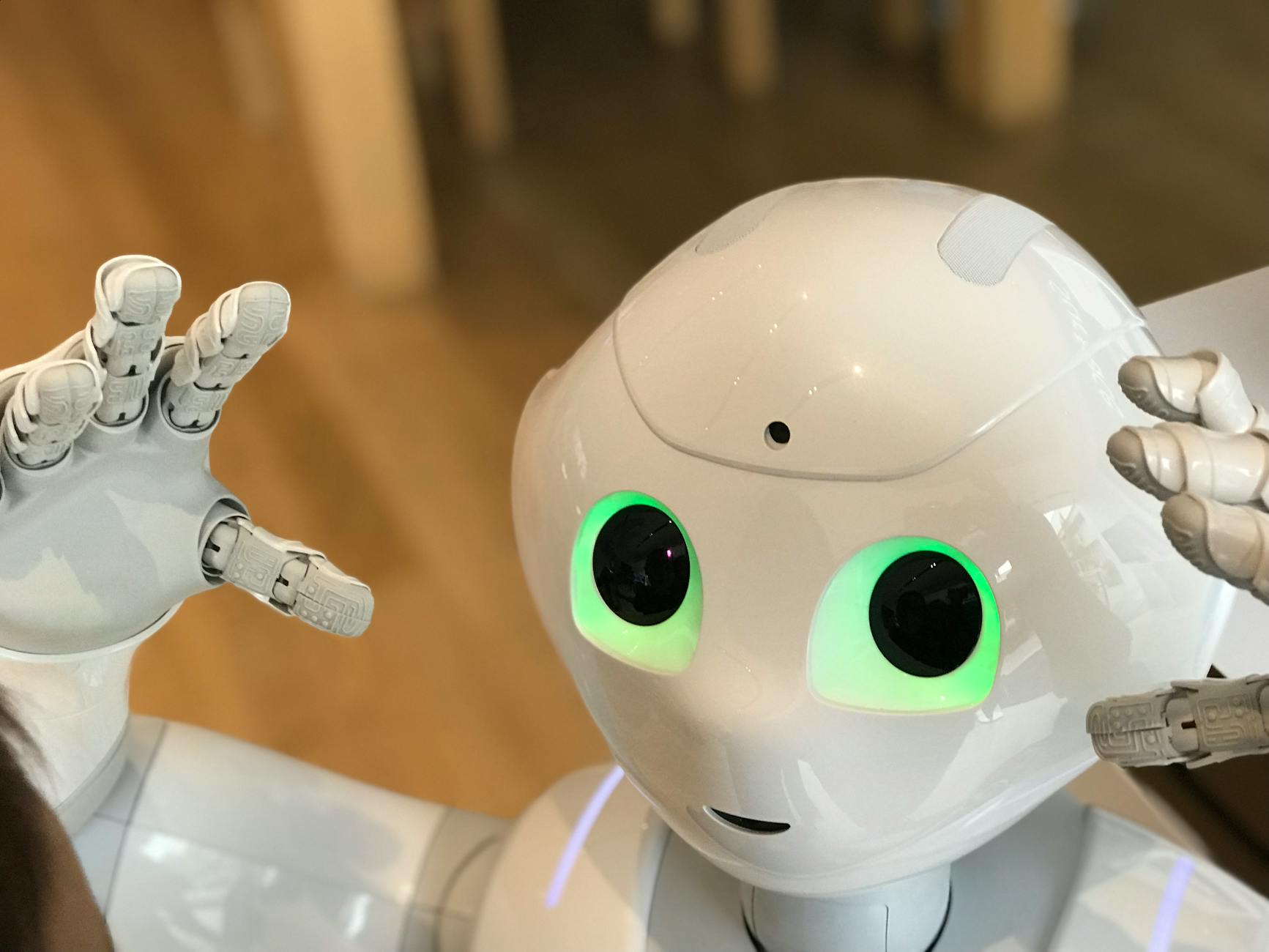
Stepping inside, I was hit by a vibrant, almost playful atmosphere. The decor was modern, clean, with neon accents, but what truly caught my eye (and my jaw) were the sleek, white robots gliding silently between tables. These weren't clunky, industrial contraptions; they were elegant, almost personable, with glowing "eyes" that seemed to acknowledge you as they passed.
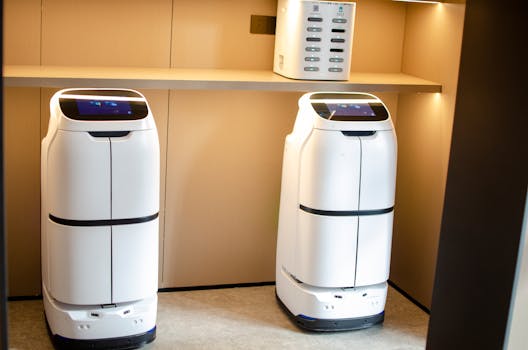
My friend ordered via a tablet at our table, and within minutes, a PuduBot-style robot, complete with a multi-tiered tray, rolled up to our table. Its screen displayed our table number, and a cheerful, synthesized voice announced, "Your order has arrived! Please take your dishes." It was utterly surreal. I reached for my bowl of spicy Sichuan noodles, still steaming, and the robot waited patiently before retracting its tray and continuing its rounds. The food was fantastic – fresh, flavorful, and surprisingly, the robot delivery somehow made it taste even more exciting. It wasn't just a meal; it was a performance, a glimpse into tomorrow.
The Rise of the Machine Maitre D's: Why Robots?
So, why are these mechanical marvels popping up in restaurants around the globe? It's not just about the novelty, though that's certainly a huge draw. There are several compelling reasons:
- Efficiency & Speed: Robots don't get tired, don't take breaks, and navigate with impressive precision. This means faster order delivery and quicker table turnover, especially during peak hours.
- Consistency: For tasks like mixing drinks, flipping burgers, or even delivering food, robots perform with unwavering consistency, reducing human error.
- Hygiene & Safety: In a post-pandemic world, the idea of minimal human contact in food delivery has gained traction. Robots can reduce the spread of germs and handle hot or heavy items safely.
- Addressing Labor Shortages: Many hospitality industries face staffing challenges. Robots can fill gaps, allowing human staff to focus on more complex tasks like cooking, customer interaction, and problem-solving.
- The "Wow" Factor: Let's be real, it's cool! For diners, especially families and tech enthusiasts, the robot experience is a huge draw, transforming a meal into an event.
And as for why influencers might be quiet? Perhaps it’s because the experience is so genuinely different that it doesn't fit neatly into the "aesthetic" box. It's less about a perfectly styled flat lay and more about the dynamic, moving, interactive thrill of the moment. Or maybe, just maybe, they want to keep these truly unique spots all to themselves.
Global Hotspots for Robotic Gastronomy: Your Passport to the Future
Ready to embark on your own robot-fueled culinary adventure? Here are some specific places (and types of places) where you can experience this futuristic dining trend:
1. Japan: The Land of Tech & Taste
- Tokyo - Robotizakaya (Fictional, but representative of a growing trend): While the famous Robot Restaurant in Shinjuku is a show, not a dining experience, smaller, genuine robot-served eateries are emerging. Imagine a casual izakaya where a sleek robot delivers your sake and yakitori. These are often found in tech districts or as part of larger food halls.
- What to expect: Robots delivering drinks, small plates, and even taking empty dishes away. The atmosphere is usually modern, clean, and efficient.
- Price Range: Moderate to expensive, depending on the cuisine (e.g., ¥3,000-¥7,000 per person for a full meal).
- Unique Selling Point: The seamless integration of tech into everyday dining, a true reflection of Japan's innovative spirit.
2. China: The Epicenter of Robot Service
- Shenzhen/Shanghai - Mech-Munchies (My experience!) or Haidilao Hot Pot (Real-world example): China is arguably leading the charge in robot restaurant adoption, particularly with companies like Pudu Robotics. Many chain restaurants, especially hot pot and noodle shops, utilize these bots. Haidilao Hot Pot, known for its exceptional service, has entire "smart" restaurants where robots guide you to your table, deliver ingredients, and even prepare some dishes.
- What to expect: A fleet of PuduBots, Keenons, or similar robots zipping around, delivering raw ingredients for hot pot, drinks, or cooked dishes. Some places have robot chefs for specific items like noodles or coffee.
- Price Range: Affordable to moderate (e.g., ¥80-¥200 per person for a satisfying meal).
- Unique Selling Point: The sheer scale and widespread adoption of robot service, making it a common, yet still exciting, sight.
3. United States: Silicon Valley's Culinary Experiments
- San Francisco Bay Area - Creator (Robotic Burger Flipper) & Cali-Bots Cafe (Fictional, but emerging): The US, particularly California, is home to a growing number of automated food concepts. Creator in San Francisco is famous for its burger-making robot. Beyond that, you'll find cafes where robotic arms brew coffee or make salads. Full-service robot delivery restaurants are still fewer but gaining traction.
- What to expect: Highly specialized robots performing specific tasks (e.g., flipping burgers, pouring coffee, making pizzas). The focus is often on precision and speed for particular menu items.
- Price Range: Moderate (e.g., $15-$30 for a meal).
- Unique Selling Point: Cutting-edge robotics applied to specific culinary tasks, often with a focus on fresh, high-quality ingredients made efficiently.
4. Europe: Emerging Automation
- Germany/UK - Robo-Pizzeria (Fictional, but similar concepts exist): While perhaps not as ubiquitous as in Asia, European cities are slowly adopting robot technology in hospitality. You might find pizza places with robotic arms kneading dough and topping pizzas, or cafes with automated baristas.
- What to expect: Often smaller-scale implementations, focusing on a specific part of the food preparation or delivery process.
- Price Range: Moderate (e.g., €15-€25 for a meal).
- Unique Selling Point: A fascinating blend of traditional European culinary culture with modern automation, often in a more intimate setting.
Beyond the Gimmick: What About the Food?
This is the million-dollar question, isn't it? Is it all just a novelty act, or can you actually get a decent meal? I’m thrilled to report that in most cases, the food is surprisingly good, and sometimes even exceptional.
My Sichuan noodles at Mech-Munchies were perfectly spiced, the broth rich and comforting. At a "Robo-Sushi" spot I later found in Tokyo (another one that felt like a local secret), the sushi was fresh, expertly prepared by human chefs behind the counter, and the robot delivery simply added to the streamlined experience.
Here’s why the food often holds up:
- Human Chefs Still Rule: In almost all these restaurants, the actual cooking is still done by skilled human chefs. The robots are primarily for serving, delivery, or highly repetitive prep tasks. This means the culinary expertise remains intact.
- Focus on Efficiency, Not Compromise: Owners investing in robot technology are usually looking to improve efficiency and customer experience, not cut corners on ingredients or quality. In fact, some use robots for precision, ensuring exact measurements or cooking times that can actually improve consistency.
- Freshness through Speed: With faster delivery from kitchen to table, your food often arrives hotter, fresher, and exactly as it was meant to be enjoyed.
Don't go in expecting Michelin stars from a robot, but do expect a genuinely good meal that’s elevated by the novelty of its presentation.
The Human Element: Still Crucial in a Robotic World
One might worry that robots are taking over, stripping the restaurant experience of its human warmth. But what I’ve observed is quite the opposite. Robots aren't replacing humans entirely; they're augmenting them.
In every robot-served restaurant I've visited, there were still plenty of human staff members. They greet you, take initial orders (or guide you through the tablet system), answer questions, handle special requests, and most importantly, they cook the food. The robots take care of the repetitive, heavy lifting, or simple delivery tasks, freeing up human staff to focus on customer service, problem-solving, and the creative aspects of cooking.
This often leads to a more relaxed and attentive human staff. They're not rushing around delivering plates; they're engaging with diners, ensuring a smooth experience, and adding that irreplaceable human touch. It creates a unique dynamic where the efficiency of machines meets the warmth of human hospitality.
Your Guide to a Robotic Feast: Practical Tips & Etiquette
Ready to dive into this futuristic dining trend? Here’s how to make the most of your robot restaurant adventure:
- How to Find Them:
- Google Maps & Local Search: Use keywords like "robot restaurant," "AI cafe," "automated dining," or "robot server" combined with your destination city.
- Tech Blogs & Local Guides: Look for local tech news sites or city-specific food blogs that might highlight innovative new openings.
- Walk Around Tech Hubs: In cities known for technology (Shenzhen, Tokyo, Seoul, San Francisco), simply exploring districts with a high concentration of tech companies might lead you to a hidden gem.
- Look for Pudu Robotics/Keenon Robotics Logos: These are two of the biggest robot manufacturers. Restaurants using their bots often display their branding.
- Booking Ahead: Some of the more popular robot restaurants, especially those that are well-established or have a unique gimmick, can get busy. A quick online search or call ahead to book a table is always a good idea, particularly for dinner or weekend visits.
- Interacting with Your Robotic Server:
- Be Patient: While efficient, robots operate on their own programmed paths. Don't try to rush them or block their way.
- Don't Touch (Unless Invited): Resist the urge to pet or poke the robots. They are working machines! Some might have interactive screens or buttons, but generally, observe from a respectful distance.
- Clear the Way: If a robot is approaching your table, make sure your bags, coats, or feet aren't in its path.
- Listen for Cues: Many robots have voice prompts like "Please take your food" or "Moving on." Pay attention to these.
- Ordering Systems: Most robot restaurants use tablet-based ordering systems at your table. These are usually intuitive, with clear menus and photos. If you have questions, a human staff member is always nearby.
- Payment: Payment is almost always handled by human staff or a central kiosk, not the robots themselves. Cash, card, or mobile payments (like WeChat Pay or Alipay in China) are common.
- Best Time to Visit: If you want to experience the robots in full swing, visit during peak dining hours. If you prefer a quieter, more intimate experience, try off-peak times.
- Instagrammability (The Right Way): Yes, these places are incredibly Instagram-worthy, but focus on capturing the experience rather than just a static shot of your food.
- Video is King: A short, dynamic video of a robot gliding past your table or delivering your meal is far more engaging than a still photo.
- Focus on Interaction: Capture the moment someone at your table is taking food from the robot, or the robot's "expression" as it navigates.
- Embrace the Story: Use your captions to tell the story of this unique dining experience. Talk about the novelty, the food, and how it made you feel. Show, don't just tell. This isn't about perfectly filtered avocado toast; it's about the future unfolding before your eyes.
The Future is Now: Go Forth and Feast!
Stepping into a robot-served restaurant isn't just about trying a new cuisine; it's about experiencing the cutting edge of hospitality. It's a reminder that travel isn't just about seeing iconic landmarks, but also about discovering the innovative, the unexpected, and the genuinely unique experiences that push the boundaries of our imagination.
So, next time you're planning a trip, consider adding a robot restaurant to your itinerary. Ditch the influencer-approved checklist for a moment and seek out these hidden gems. You'll not only enjoy a fantastic meal but also gain a truly memorable story to tell – one that might just make your friends (and yes, even those influencers) a little bit jealous.
Have you ever dined with a robot? What was your experience like? Share your stories and secret robot spots in the comments below! And don't forget to bookmark this guide for your next tech-infused adventure!
---